This Is Exactly How Long You Can Survive Without These Specific Body Parts
The human body has some brutal survival limits, and medicine has documented them in detail. Certain body parts can be removed through surgery and still leave somebody alive for decades. Others trigger organ failure, blood loss, or oxygen deprivation. And without emergency care, survival drops to minutes. Trauma cases, transplant medicine, and intensive care research have all revealed how narrow those windows can get. Some survival timelines still surprise doctors.
Appendix — A Normal Lifespan
Credit: Canva
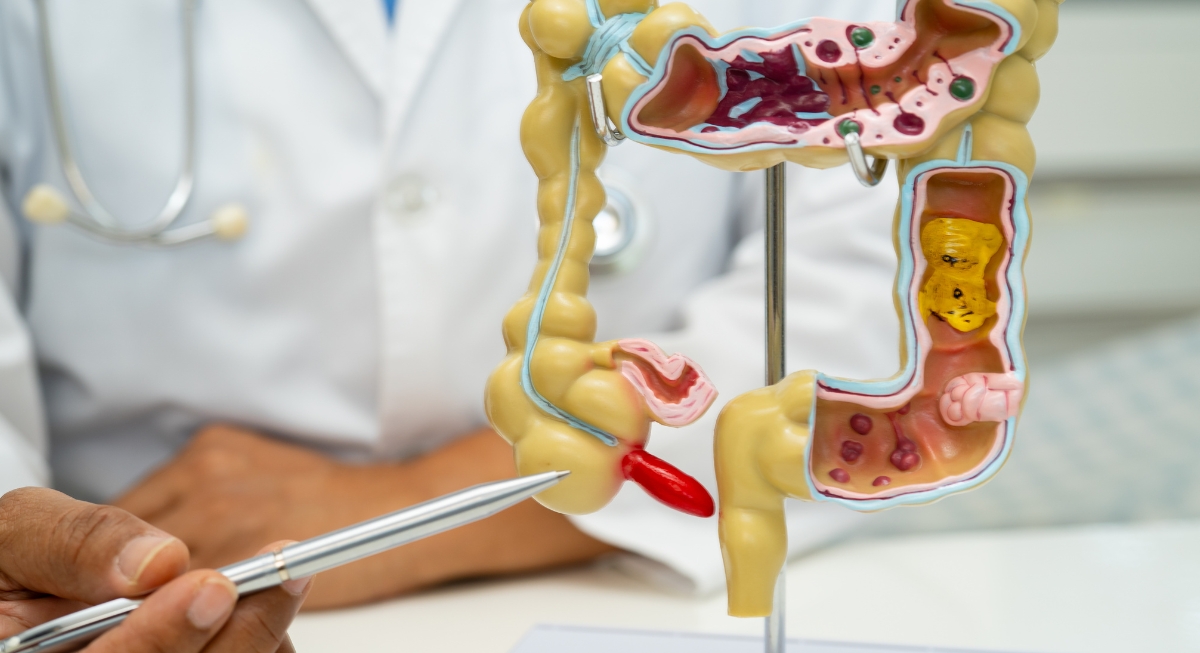
Doctors remove more than 300,000 appendices each year in the United States alone, and most patients return home within days. The appendix is not essential for digestion or circulation. Researchers still debate its exact purpose, though some studies connect it to gut bacteria and immune support. In any case, a ruptured appendix creates far more danger than living without one.
Gallbladder — A Normal Lifespan
Credit: Canva
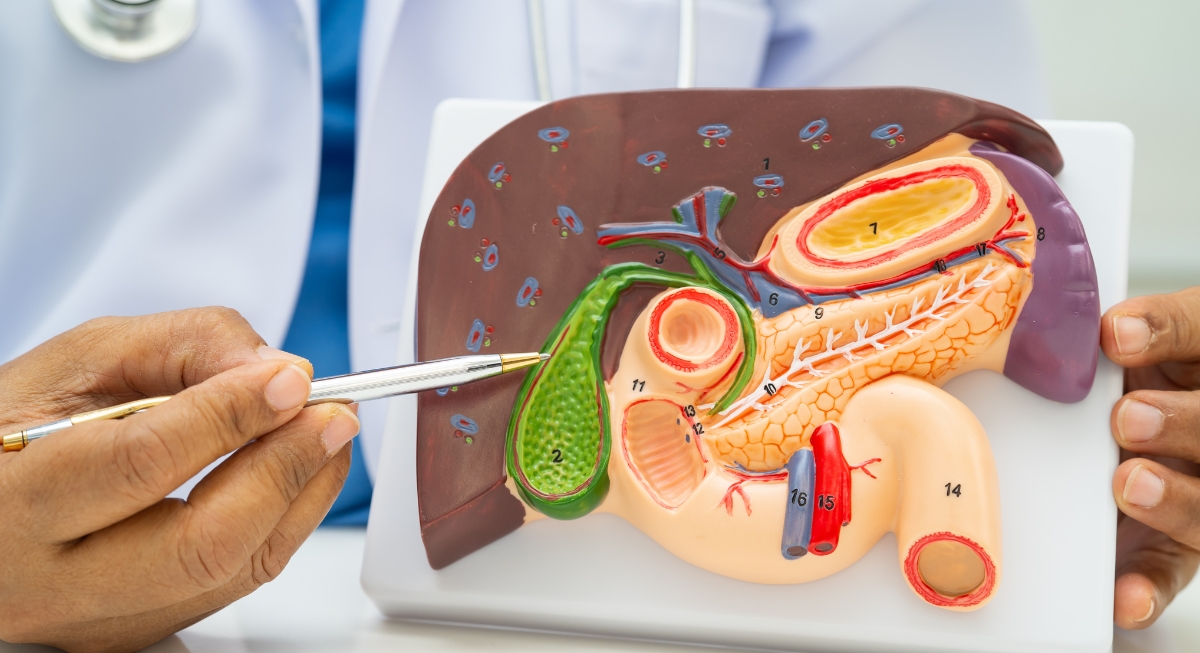
The gallbladder stores bile before releasing it into the digestive tract. But the liver still produces bile without it. After gallbladder removal, some people have diarrhea, bloating, or trouble digesting fatty foods, especially early on. Others barely notice anything different. More than one million gallbladder procedures happen worldwide every year, usually because gallstones block ducts and create intense pain.
Spleen — Decades Without It
Credit: Canva
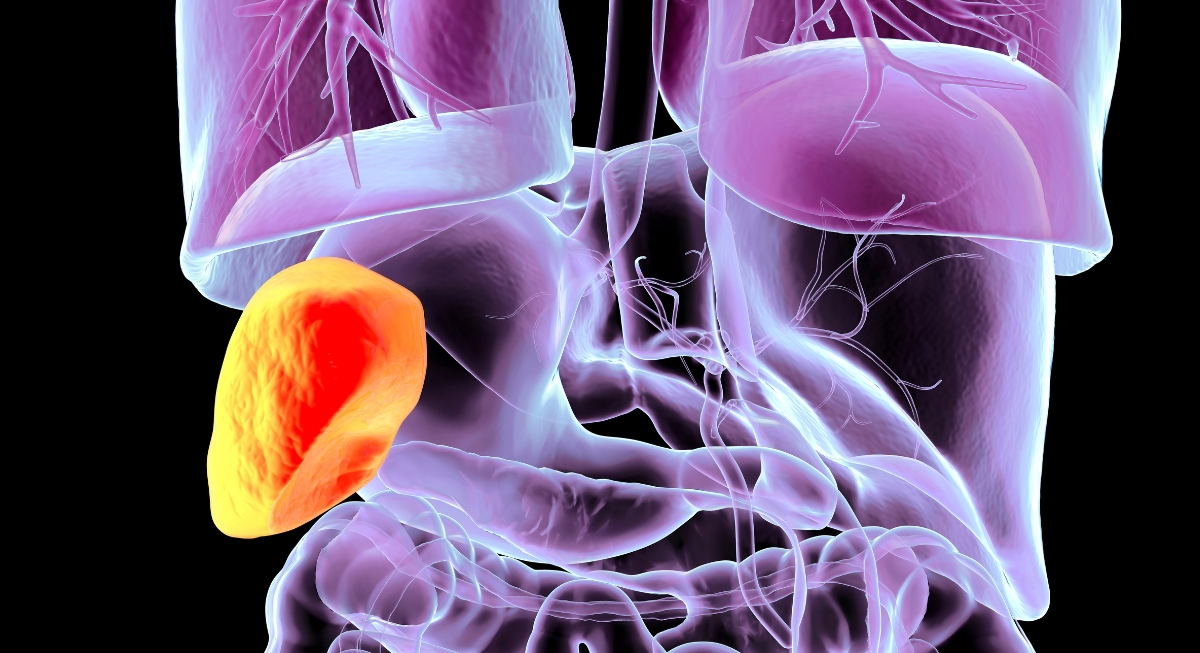
Infection is the biggest risk of a missing spleen, but the body adapts surprisingly well. The organ helps filter blood and supports immune defenses against certain bacteria. After removal, doctors usually recommend vaccines and prompt treatment for fevers, as infections can spread much more quickly. Trauma surgeons remove damaged spleens after severe car crashes, sports injuries, and internal bleeding emergencies. Soldiers injured in combat have survived splenectomy procedures for decades afterward.
One Kidney — A Full Lifetime
Credit: Getty Images
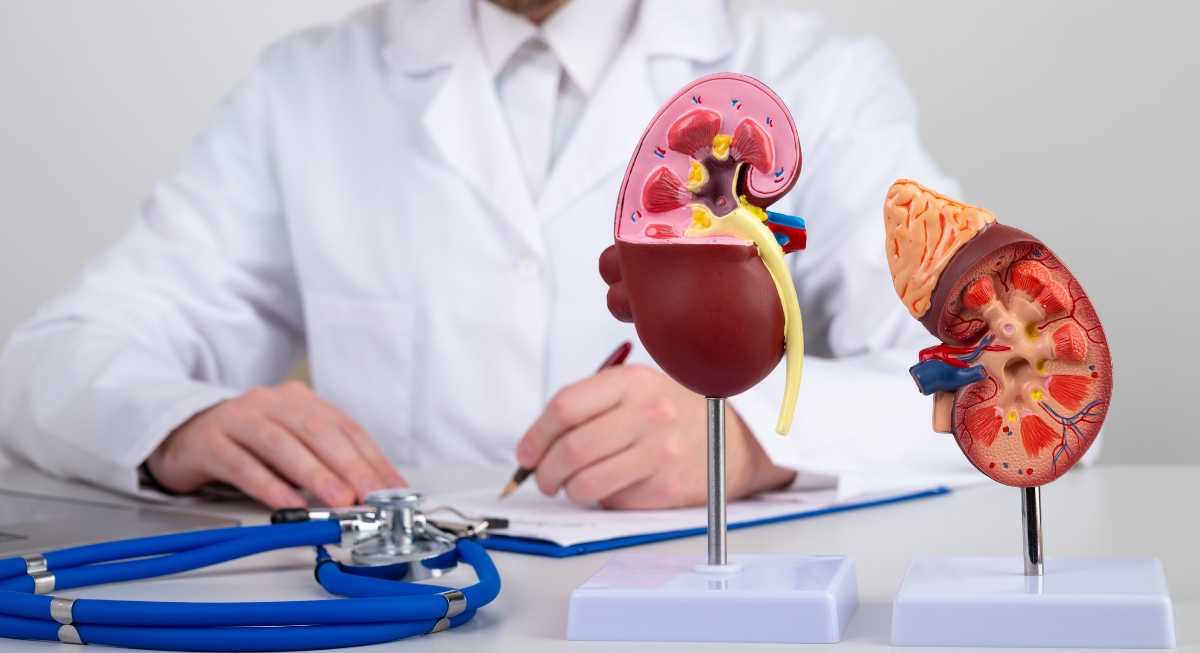
People donate kidneys and continue living full lives afterward. It says a lot about the human body’s reserve capacity. A healthy person can function normally with one kidney, since the remaining kidney increases its workload over time. Long-term survival usually depends on stable blood pressure and consistent health monitoring. Losing both kidneys is a very different situation. Without dialysis or a transplant, toxins and fluid build up in the bloodstream.
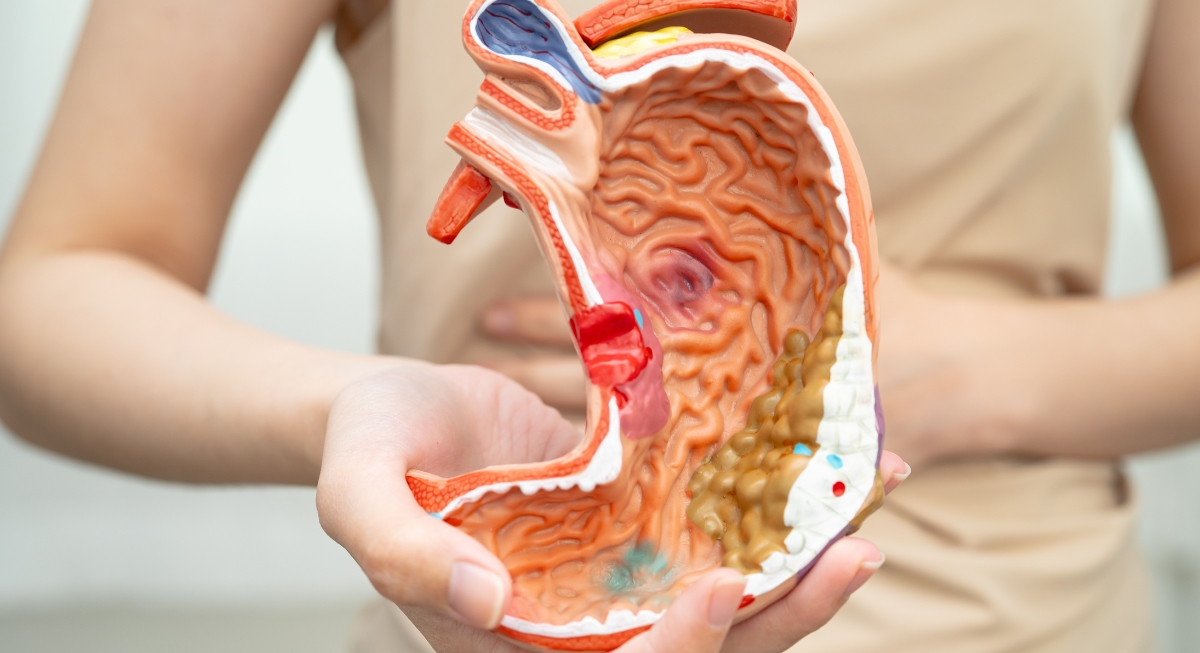
Stomach — Years Or Decades
Credit: Canva
Surgeons sometimes remove the entire stomach because of cancer, severe ulcers, or inherited disease risk. Afterward, the esophagus connects directly to the small intestine. Eating changes permanently. You’ll need to eat smaller portions more frequently and may need vitamin supplements for life. The body still absorbs nutrients, just less efficiently.
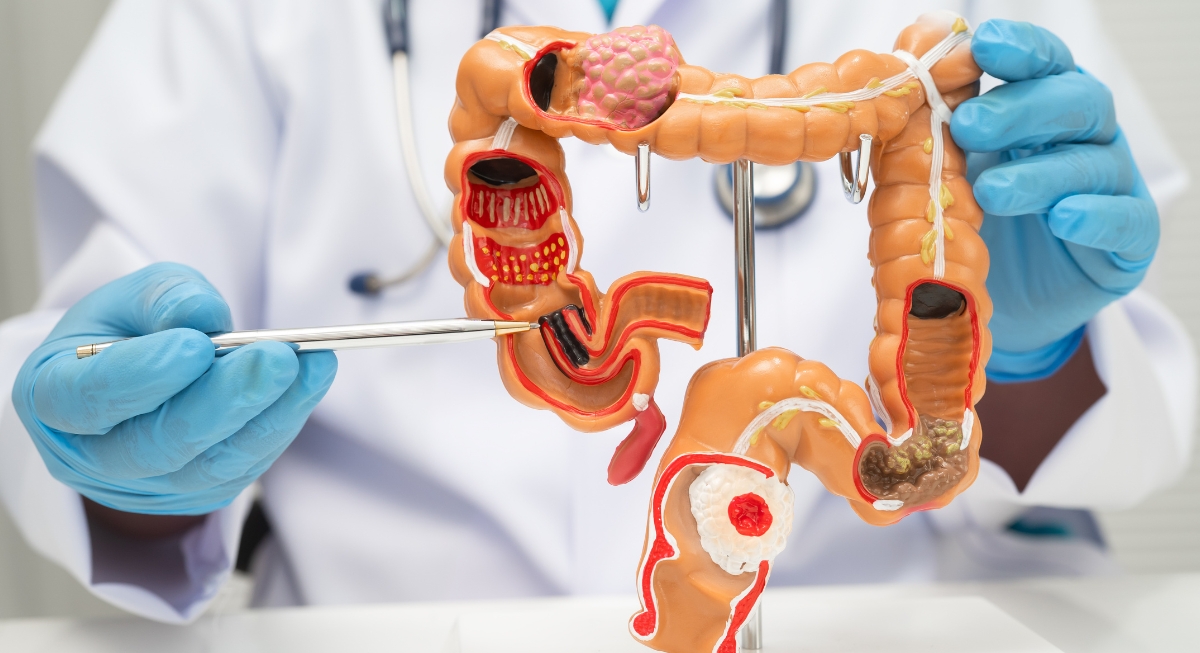
Large Intestine (Colon) — Long-Term Survival
Credit: Canva
The colon handles water absorption and waste processing. Survival without it is possible because the small intestine still absorbs nutrients. The biggest adjustment one has to make is the change in how waste is removed from their body. Some patients use ostomy bags attached to an opening in the abdomen, while others undergo reconstructive procedures that create new internal pathways. Daily routines may shift, though many people continue traveling, working, exercising, and raising families afterward.
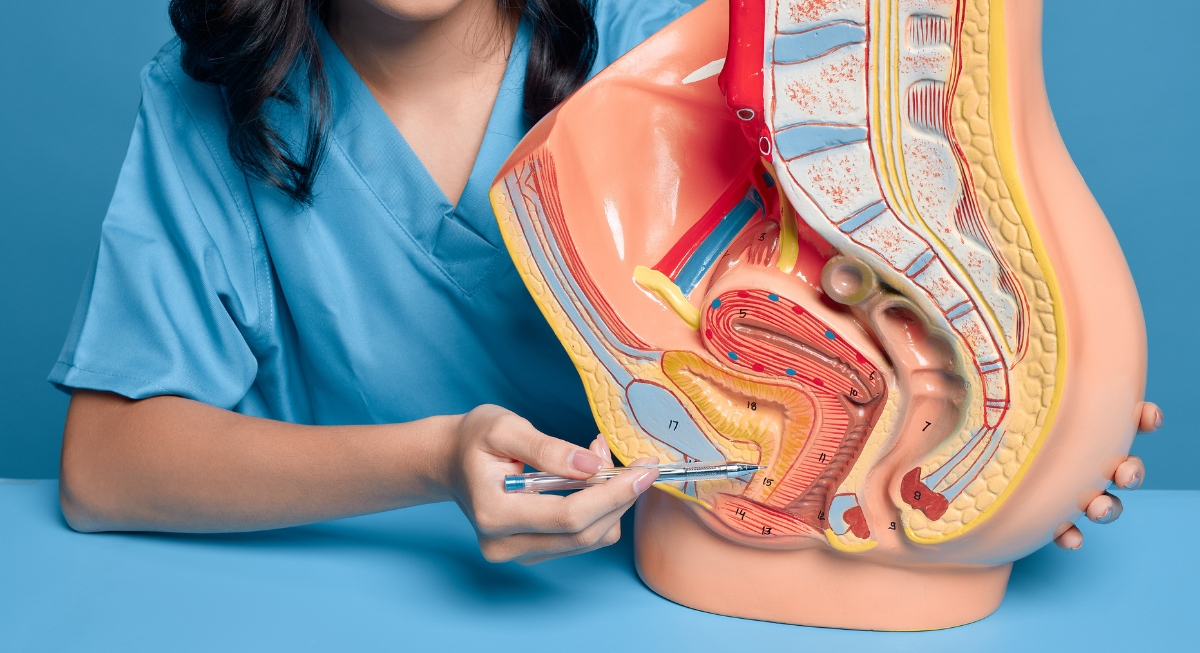
Bladder — Years Of Survival
Credit: Canva
Doctors may create a replacement bladder using part of the intestine or redirect urine through an opening connected to an external pouch. It can be an extreme process. Still, thousands of bladder cancer patients live years after cystectomy surgery. People relearn how to empty reconstructed bladders through muscle control or catheters. The challenges, though, make bladder removal medically complicated.
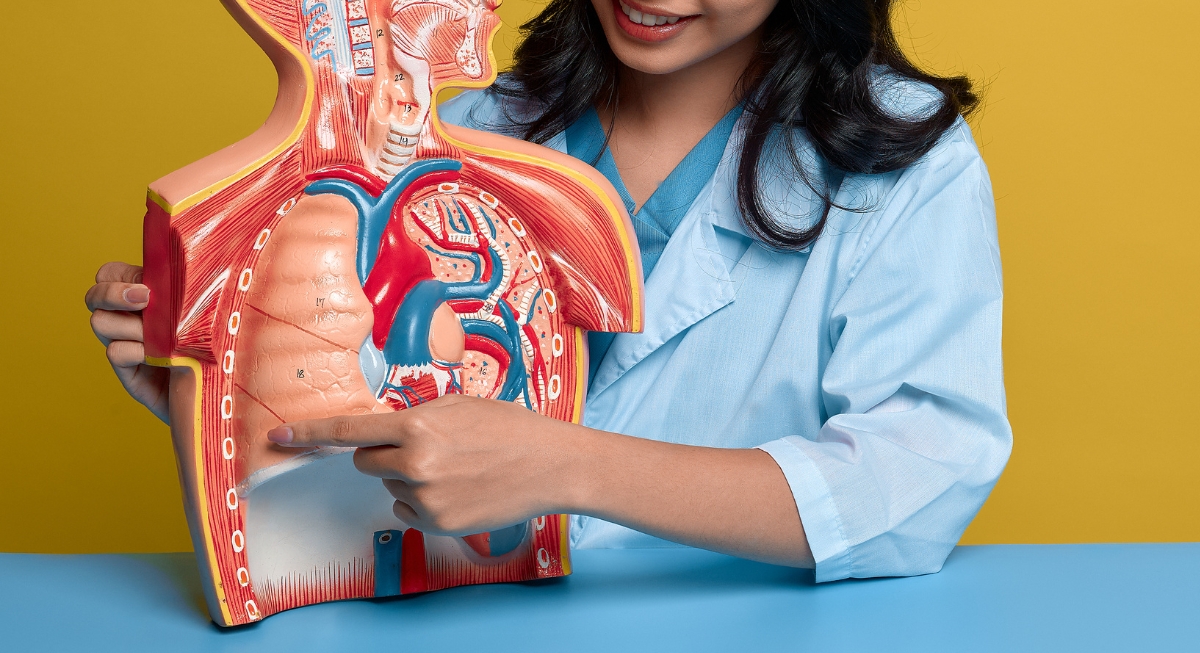
One Lung — Decades Possible
Credit: Canva
A person can lose one lung and still survive. It depends heavily on overall health, age, and smoking history. The remaining lung expands its workload over time, and many patients eventually regain enough strength for normal daily activity. Losing both lungs, on the other hand, is an emergency. Artificial ventilation can only buy time temporarily.
Liver — Only Days
Credit: Canva
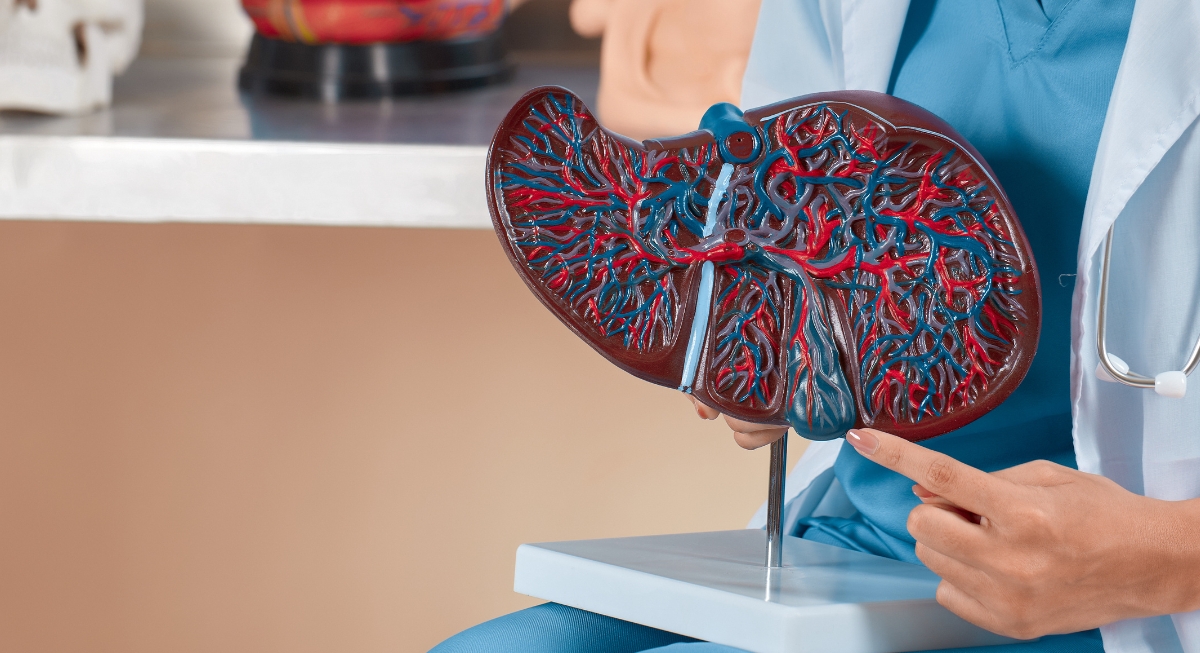
Living-donor transplants are possible because parts of the liver can regrow after removal. But a complete liver loss is fatal. The organ handles toxin removal, protein production, metabolism, and chemical regulation simultaneously. Acute liver failure can push patients into confusion, internal bleeding, swelling, and coma within days.
Heart — Minutes
Credit: pixabay
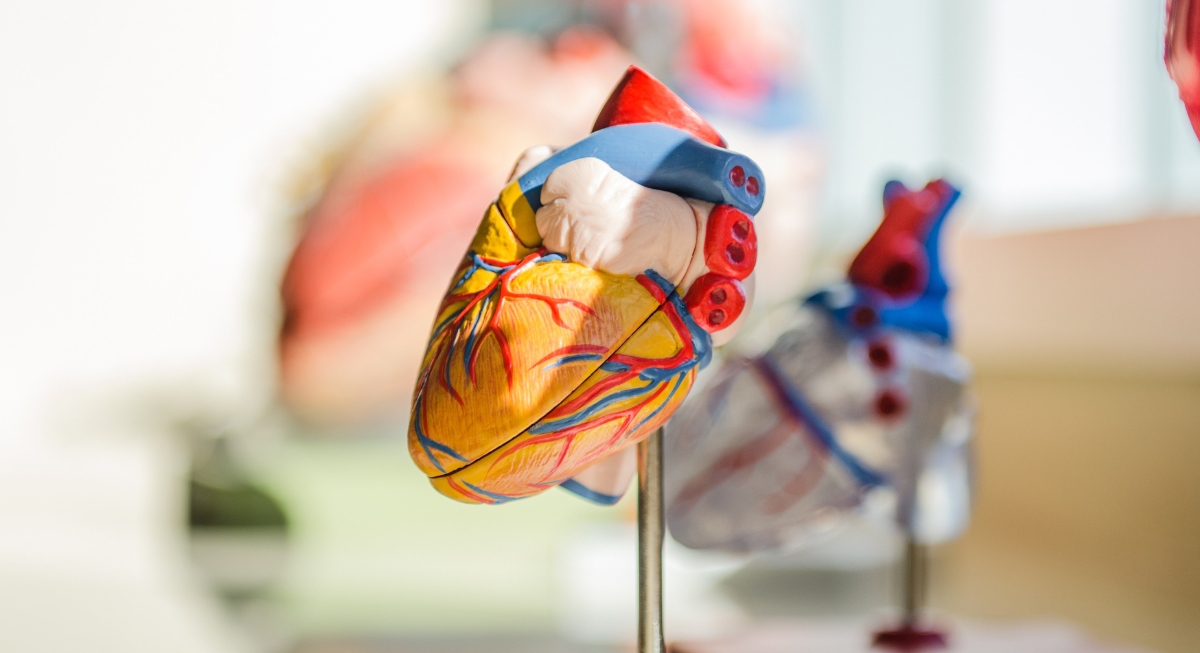
Blood circulation stops seconds after the heart stops functioning. Brain damage can begin within minutes without oxygen to the blood supply. CPR, artificial hearts, and ECMO machines that temporarily circulate blood outside the body can give one a little more time. Surgeons have even kept transplant patients alive for short periods while switching between donor hearts and machines. None of that changes the larger reality. Once circulation ceases completely, the body loses all survival advantages.