Body Parts Humans May Eventually Lose Through Evolution
Human anatomy reflects millions of years of adaptation, and not all of it is efficient by modern standards. Some structures persist mainly because evolution moves slowly, not because they still serve a clear purpose. Scientists believe some of these parts may disappear over time, especially as lifestyles shift and natural selection slows down.
Here’s a closer look at what we might be losing in the long run and why.
Wisdom Teeth
Credit: Getty Images
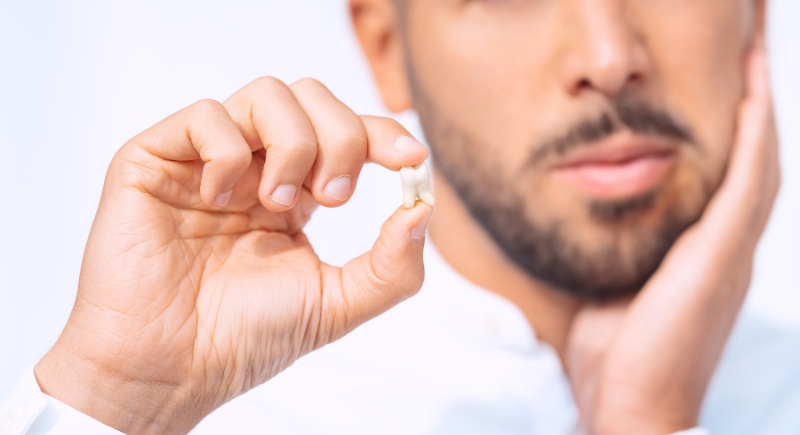
Third molars helped early humans chew coarse roots and raw meat. But smaller jaws and softer diets made them obsolete. Many people today never grow them, and when they do, they often cause more problems than they solve. Dentists routinely remove them, and their absence doesn’t affect chewing or health.
Appendix
Credit: Canva
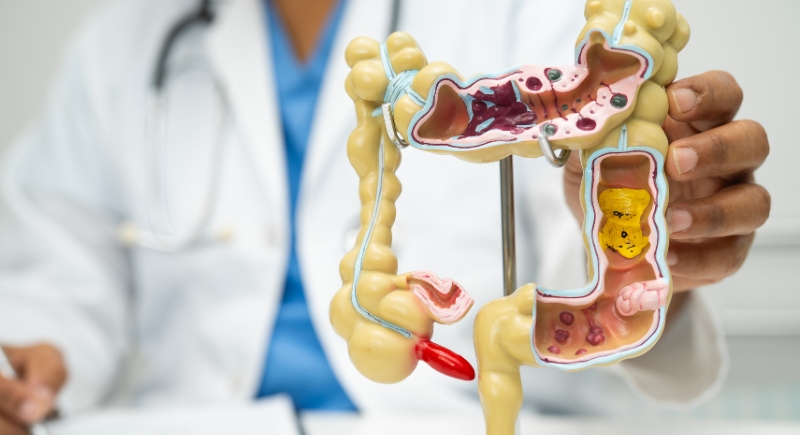
The appendix likely aided digestion when human diets were richer in fibrous plant material. Modern studies suggest a minor role for the immune system, but its removal causes no long-term harm. High rates of appendicitis and the organ’s limited function make it a frequent example of anatomical redundancy.
Tailbone (Coccyx)
Credit: Getty Images
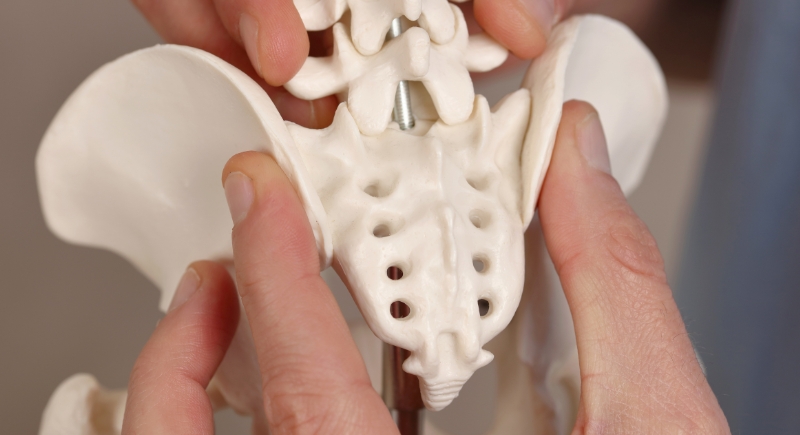
The coccyx once helped balance a tail. Today, it’s mostly a vestigial nub anchoring pelvic muscles. While it does contribute to posture and some muscle control, these functions are easily adapted if the bone is removed, which is occasionally necessary after injury or chronic pain issues.
Body Hair
Credit: Pexels
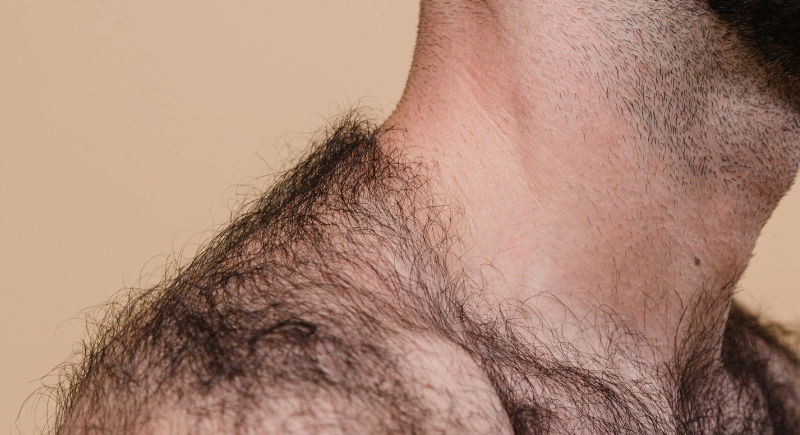
Early humans relied on body hair for insulation and protection. With clothing, shelter, and climate control, most body hair no longer provides survival value. Hair density has already decreased significantly compared to that of other primates, with eyebrows and scalp hair serving more specific protective roles.
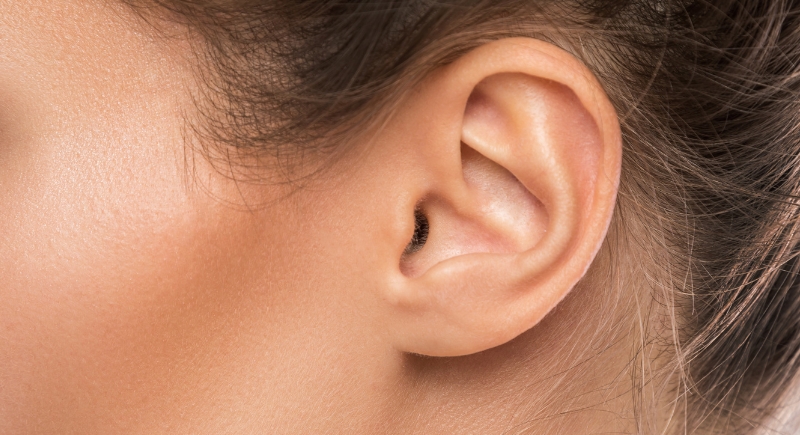
Extrinsic Ear Muscles
Credit: Canva
Some mammals swivel their ears to locate sounds. Humans still carry those muscles, but most can’t move them meaningfully. A few people can wiggle their ears slightly, but it serves no practical benefit. In evolutionary terms, they’re slowly fading into irrelevance as our necks and eyes do the tracking instead.
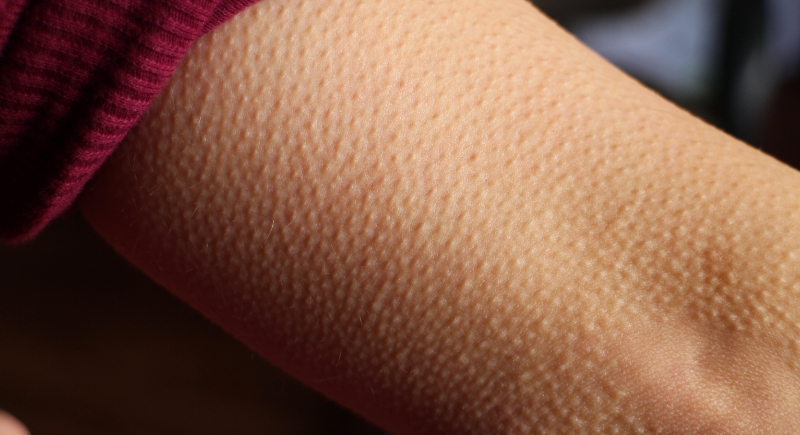
Goosebump Muscles
Credit: Getty Images
Tiny muscles at the base of each hair follicle create goosebumps by making hairs stand up. In animals, this makes them appear larger or traps heat. In humans, it’s mostly a useless reflex. Without enough body hair, this once-helpful defense mechanism has become a strange reaction to cold or fear.
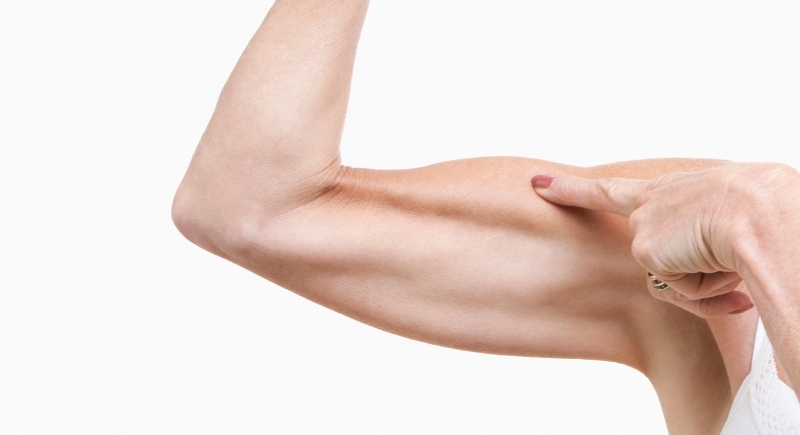
Palmaris Longus Muscle
Credit: Canva
This thin forearm muscle aided grip and climbing in earlier primates. It is already absent in a significant portion of the population, with no measurable impact on strength or dexterity. Surgeons often use it for grafts.
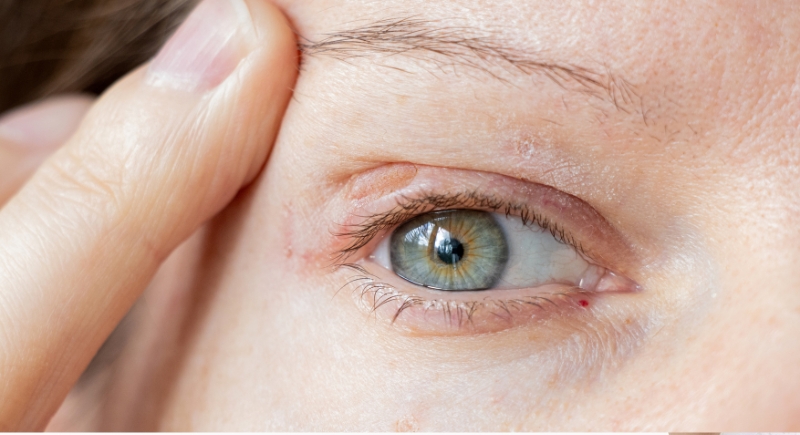
Third Eyelid (Plica Semilunaris)
Credit: Canva
Humans retain a small fold of tissue in the inner corner of the eye, left over from a fully functional third eyelid in other animals. It once helped protect and moisten the eye. Modern eyelids and tear production have made this structure unnecessary.
Subclavius Muscle
Credit: Getty Images
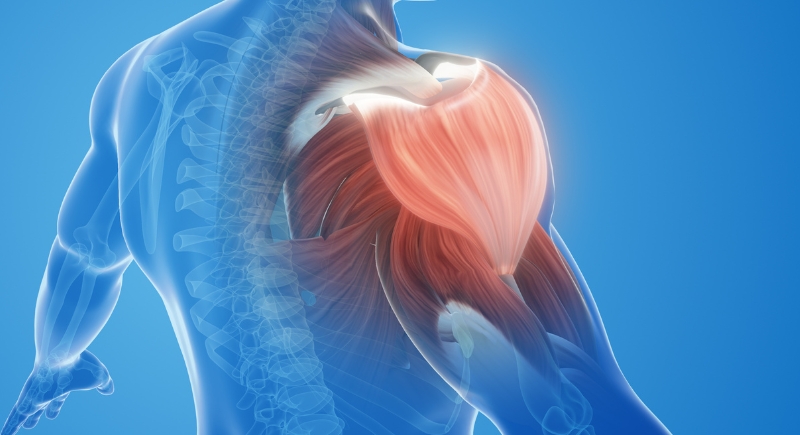
This small muscle, located beneath the collarbone, helps stabilize the shoulder. In some people, it’s absent; in others, two may be present. Its variability and limited contribution to upper body movement suggest it no longer plays a critical role in human anatomy.
Pinky Toe
Credit: Canva
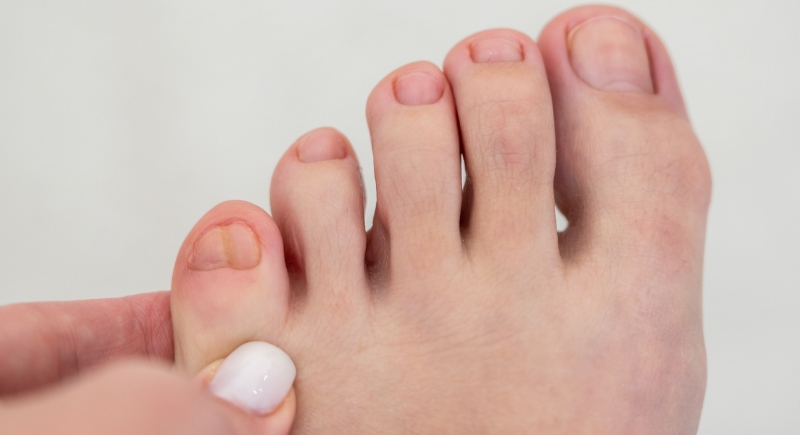
As walking patterns changed and upright movement became standard, balance shifted to the inner foot. The pinky toe now plays a minor role in stabilization, and it’s been shrinking over time. Some evolutionary biologists believe it may disappear altogether or fuse into adjacent structures over many generations.