The 10 Worst Power Outages in the Central United States Since 2020
Electricity is always essential, but even more so during extreme weather. One minute, it’s a normal winter drive or a humid summer night; the next, it’s dark houses, dead traffic lights, and everyone charging phones in the car. A study in the Union of Concerned Scientists’ analysis of the MISO+ region (part of the central U.S. grid) found that each of the worst outage days was tied to extreme weather, and that several of the 10 biggest ‘events’ occurred around 2020.
June 2020 Derecho
Credit: Wikipedia
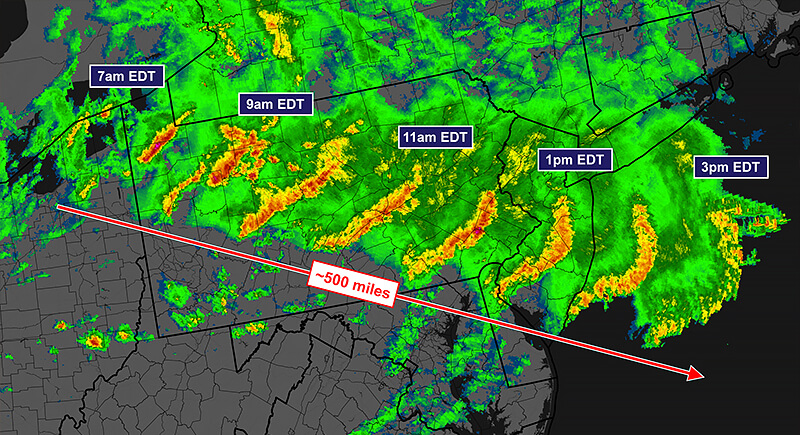
A derecho is a thunderstorm line that acts like it drank five energy drinks. On June 11, 2020, severe storms tied to Hurricane Cristobal’s remnants whipped up wind gusts around 75 mph, plus hail and tornadoes in the Midwest. The grid took a brutal hit, and over 450,000 customers lost power as trees and lines came down. It also added to an already chaotic 2020 disaster season.
August 2020 Midwest Derecho
Credit: Wikipedia
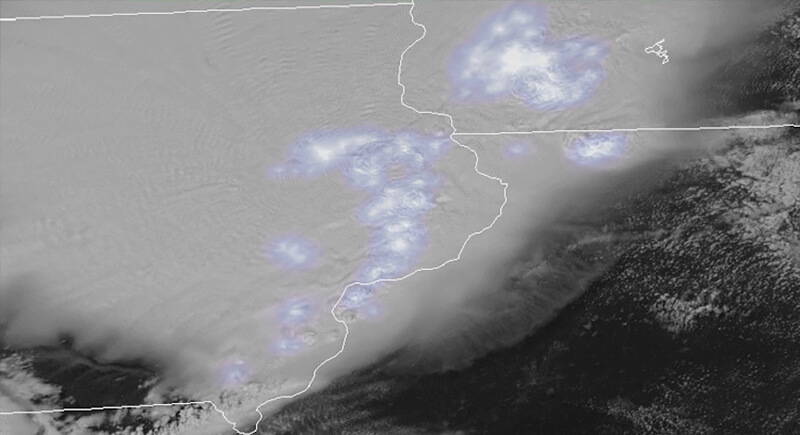
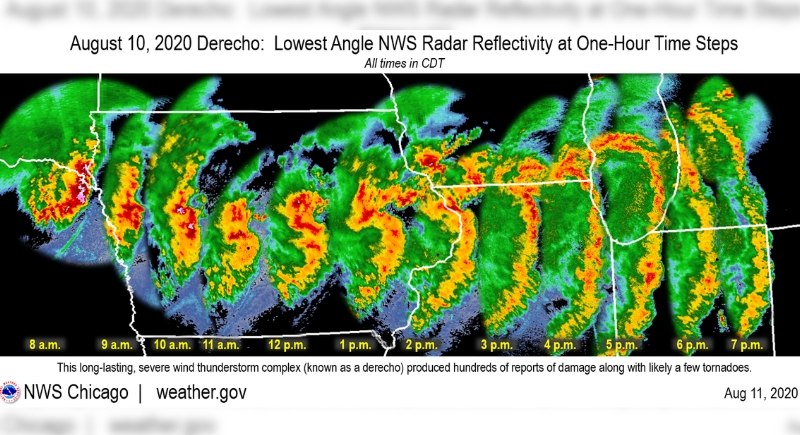
This was the outage that made parts of the Midwest look like someone hit the dimmer switch on the whole region. On August 10 to 11, 2020, winds reached 70 to 80 mph in many areas, with some gusts topping 100 mph. Nearly 1.7 million customers lost power at its peak, and certain communities were without power for days. The National Weather Service even noted that outages were visible from space at night.
Hurricane Laura (August 2020)
Credit: Wikipedia
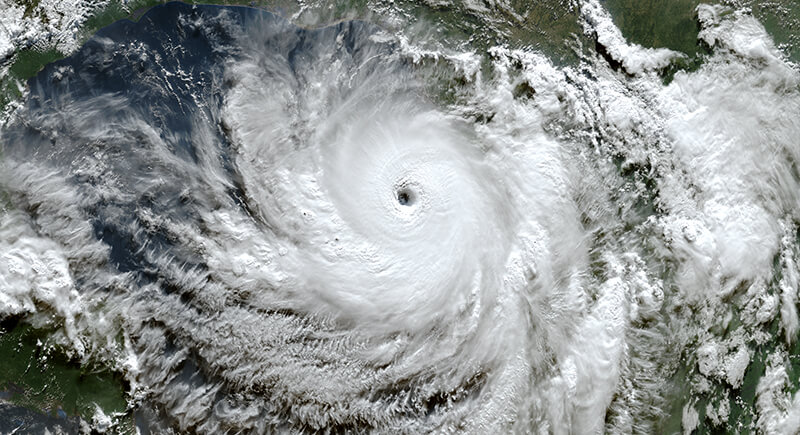
Hurricane Laura knocked on Louisiana’s door and kicked it in before anyone could respond. After rapidly intensifying, it made landfall as a Category 4 storm on August 27, 2020, causing widespread wind damage and spawning tornadoes well inland. In Louisiana and Texas alone, around 568,000 households lost electricity, and tens of thousands were in the dark weeks later. Cleanup was long, hot, and dangerous, too.
Hurricane Delta (October 2020)
Credit: Wikipedia
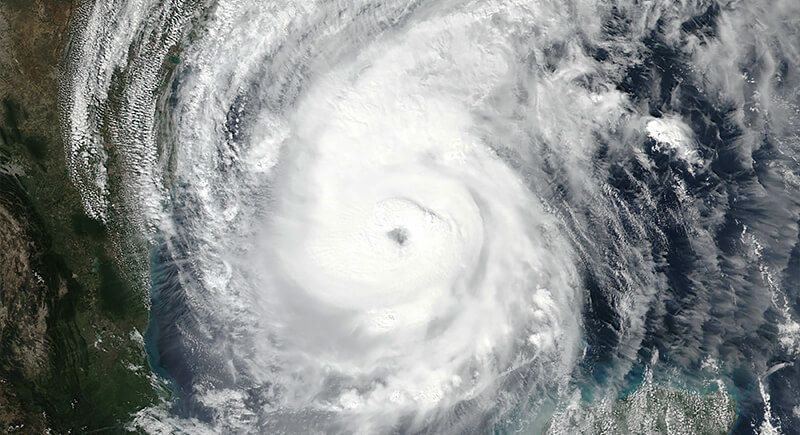
Delta made landfall in Louisiana on October 9–10, 2020, near areas still recovering from Laura. Even as a weaker storm, Delta delivered more rain, flooding, and tornadoes across parts of the South. Hundreds of thousands of customers lost power, and the storm disrupted energy infrastructure, including transmission lines and oil and gas facilities.
Hurricane Zeta (October 2020)
Credit: Wikipedia
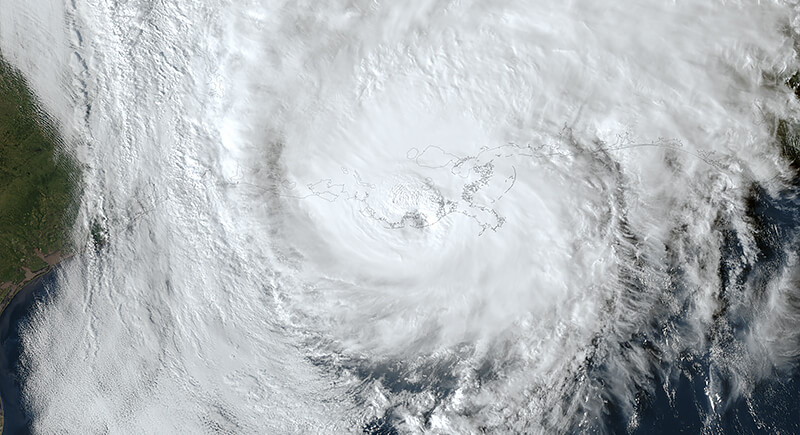
Zeta was wildly inconvenient. Making landfall as a Category 3 hurricane on October 29, 2020, it focused more on wind damage than flooding, which is the kind of thing power lines hate. More than 2.6 million homes and businesses lost electricity in the U.S., and tens of thousands remained without power five days after it ended. It also compounded damages in areas already battered by earlier storms.
August 2020 Derecho
Credit: Wikimedia Commons
This derecho came in two acts. According to the Union of Concerned Scientists, thunderstorms swept across a nearly 800-mile stretch. The first round delivered derecho-style wind damage, while the second dumped heavy rain and flash floods across cities. Around 1.3 million customers lost power overall, including about 850,000 in Michigan alone. Many households stayed out for three days or more.
Hurricane Ida (August 2021)
Credit: Wikipedia
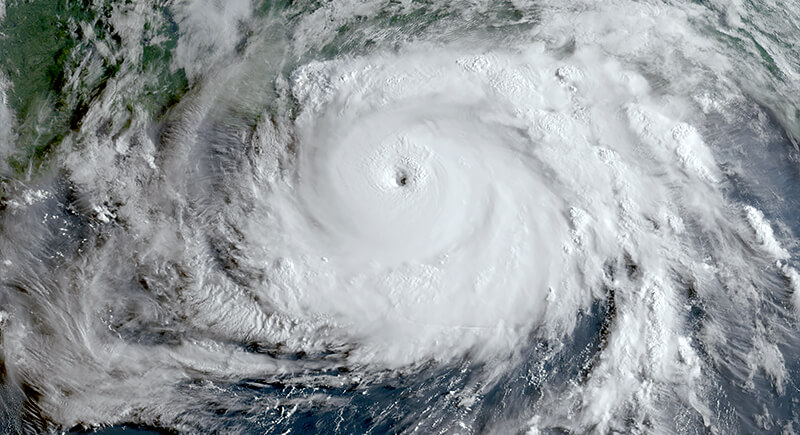
Ida hit Louisiana as a Category 4 hurricane on August 29, 2021, and continued wreaking havoc far beyond the Gulf. Along its path, it spawned tornadoes and worsened the conditions people who were stuck without power were experiencing. NOAA counted dozens of direct deaths and many more indirect ones, and the outage footprint affected over a million Louisiana households who lost electricity for as long as weeks.
December 2021 Severe Thunderstorm Outbreak
Credit: Wikipedia
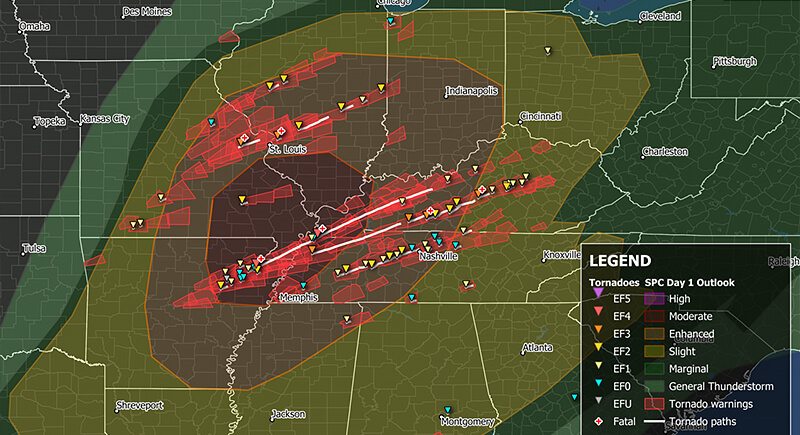
December storms aren’t supposed to act like summer storms, but nobody gave Mother Nature that memo. A historically strong low-pressure system triggered intense thunderstorms with hurricane-force gusts, tornadoes, and even wildfires across stretches of the central U.S. Homeowners lost their roofs, trucks flipped over, and power lines came down. More than 400,000 customers lost power, with Wisconsin and Michigan among the most affected states.
August 2022 Michigan Severe Thunderstorms
Credit: National Weather Service
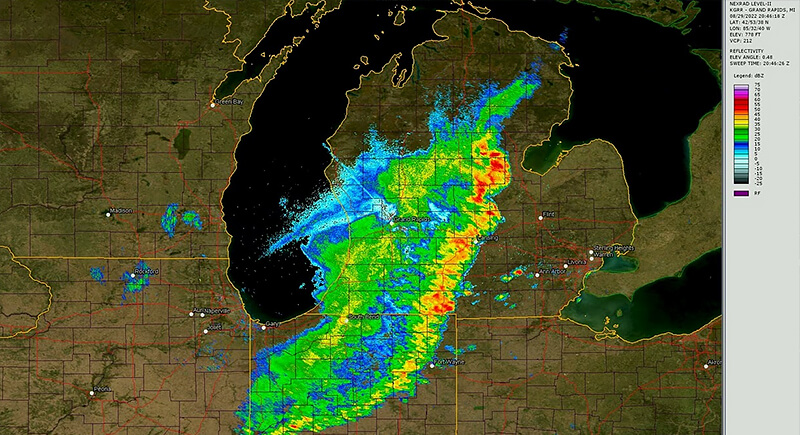
Michigan’s trees and power poles took a beating on August 30, 2022, when severe storms with winds of about 70 mph passed through. The National Weather Service reported peak outages of nearly 650,000 statewide. The thunderstorm resulted in strong winds, falling branches, and a grid that was forced into inactivity.
February 2023 Severe Winter Storm
Credit: Wikipedia
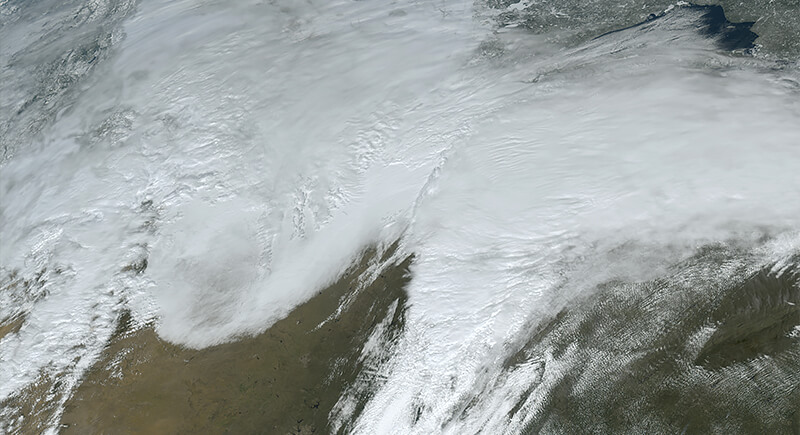
This multiday system stretched from Southern California to the Northeast, and it was not in a friendly mood. Heavy snow, icing, and strong winds triggered outages across large areas, leaving more than 1 million households without power. Michigan again saw extensive disruption as freezing rain brought down trees and lines. Wisconsin’s governor even declared an ‘energy emergency’ to speed restoration. Meanwhile, places like central Florida experienced a heat surge into the 90s.