Things in Every 1980s Household That Disappeared and Nobody Noticed Until Now
The average 1980s household contained many items that were once considered essential. Answering machines, TV Guides, encyclopedia sets, Rolodexes, and other everyday tools helped families communicate, find information, and stay organized. Most of these disappeared because newer technologies have gradually replaced their functions. As a result, many of these once-common household items faded from daily life without much notice. Looking back, their disappearance shows how quickly everyday routines can change.
The Kitchen Wall Phone
Credit: Facebook
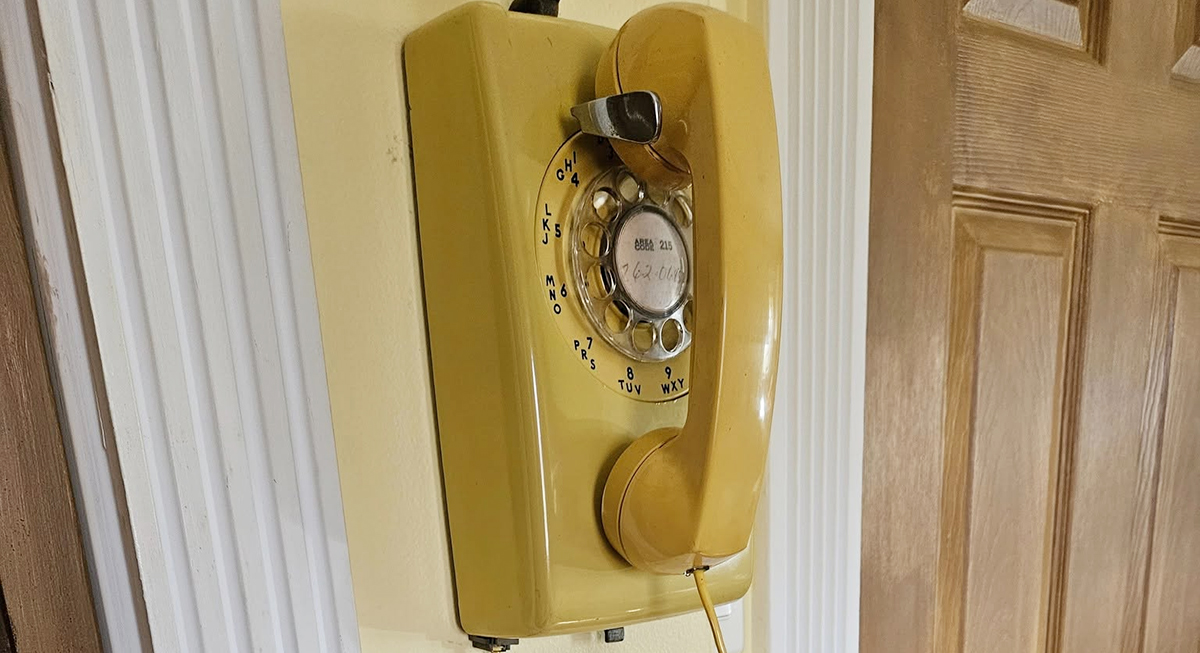
A kitchen wall phone made communication a household activity. The location was deliberate. The kitchen was usually the busiest room in the house, so calls arrived in the middle of dinner prep, homework, conversations, and family traffic. Privacy existed only in small doses. Anyone nearby could hear half the discussion, and most households had at least one person shouting updates across the room while someone else held the receiver.
The Printed Encyclopedia Set
Credit: Reddit
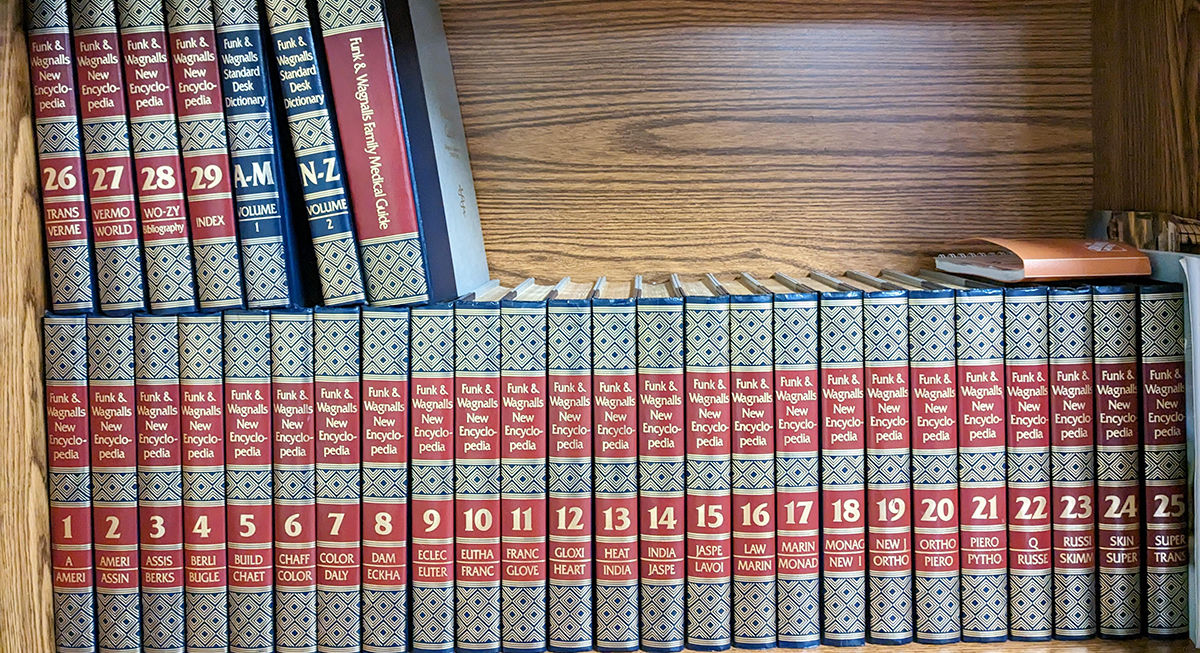
Few household purchases carried the same sense of permanence as a full encyclopedia set. Parents bought them with the expectation that they would serve the family for years. The volumes occupied valuable shelf space and were treated almost like furniture. Children used them for school projects, but their role extended beyond homework to curious questions about volcanoes, ancient Egypt, or baseball statistics. Many people discovered entirely unrelated subjects while looking for something else.
The Answering Machine
Credit: Wikimedia Commons
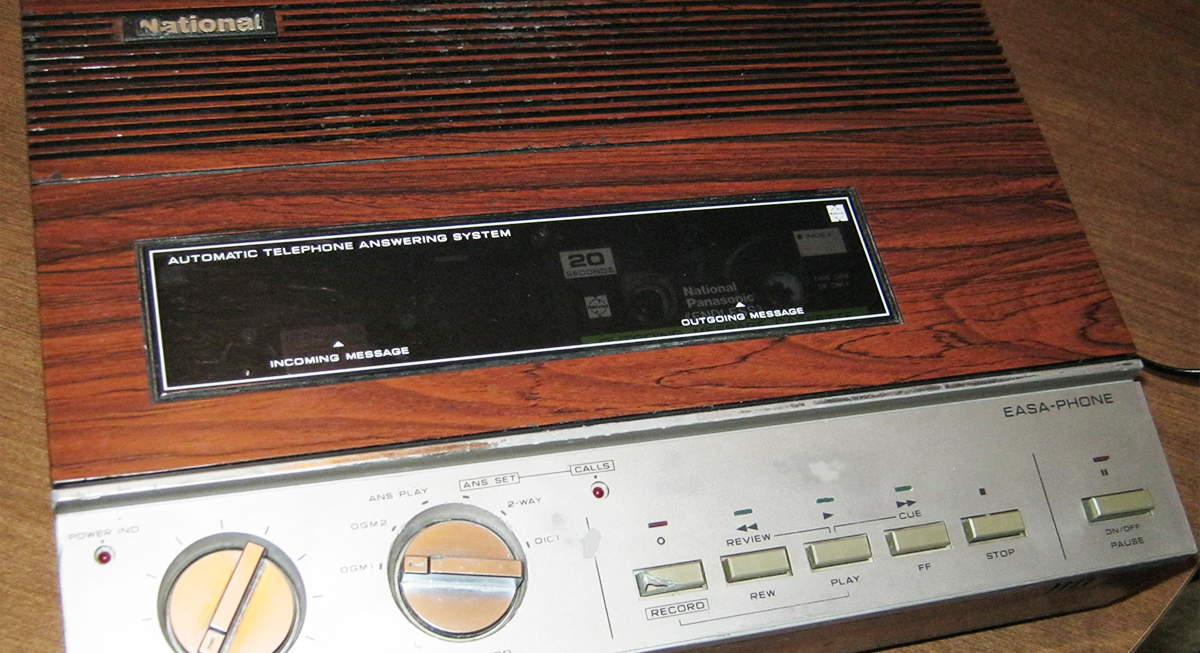
Before voicemail became standard, answering machines were a common feature in many homes. They allowed callers to leave messages when no one was available to answer. Families often checked the machine to see who had called and whether any important messages had arrived. Many people also recorded personalized greetings. As voicemail and mobile phones became widespread, answering machines gradually disappeared from most homes.
The CRT Television
Credit: Wikimedia Commons
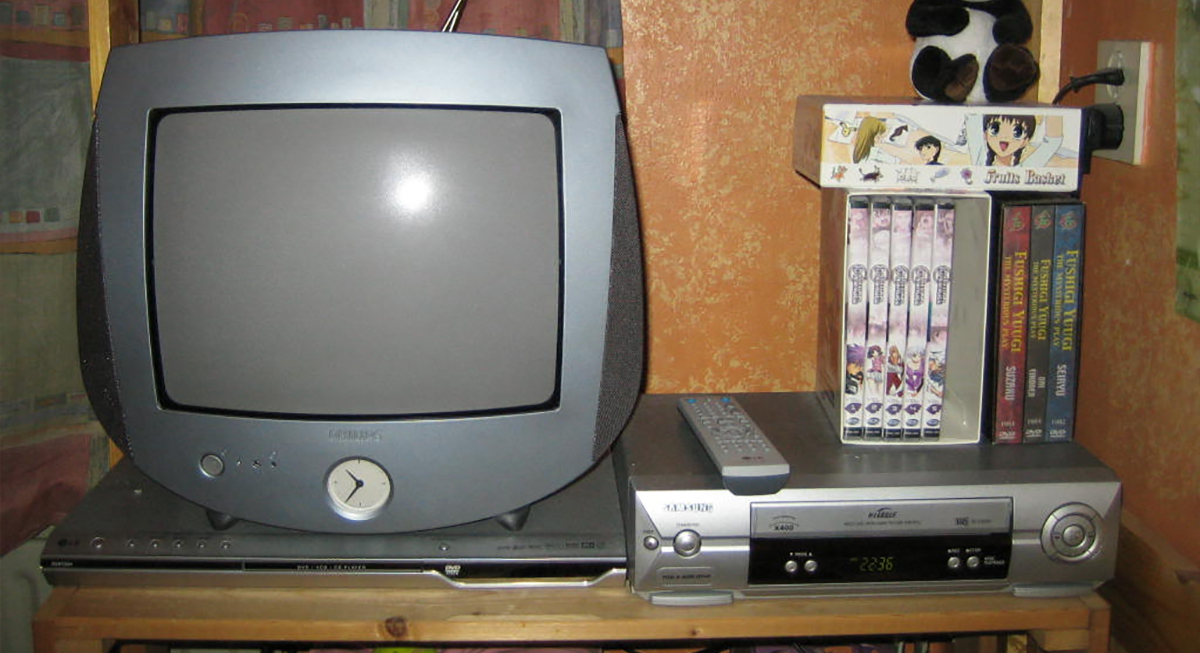
Large CRT televisions took up significant space in many 1980s homes. Their size and weight often determined where furniture was placed, and entertainment centers were built specifically to support them. Moving one was rarely easy and often required more than one person. Because televisions were usually located in a single room, families often gathered around the same screen to watch programs together. As flat-panel TVs became more affordable and widely available, they replaced bulky CRT models and gave homeowners much more flexibility in how they arranged their living spaces.
The TV Guide
Credit: Reddit
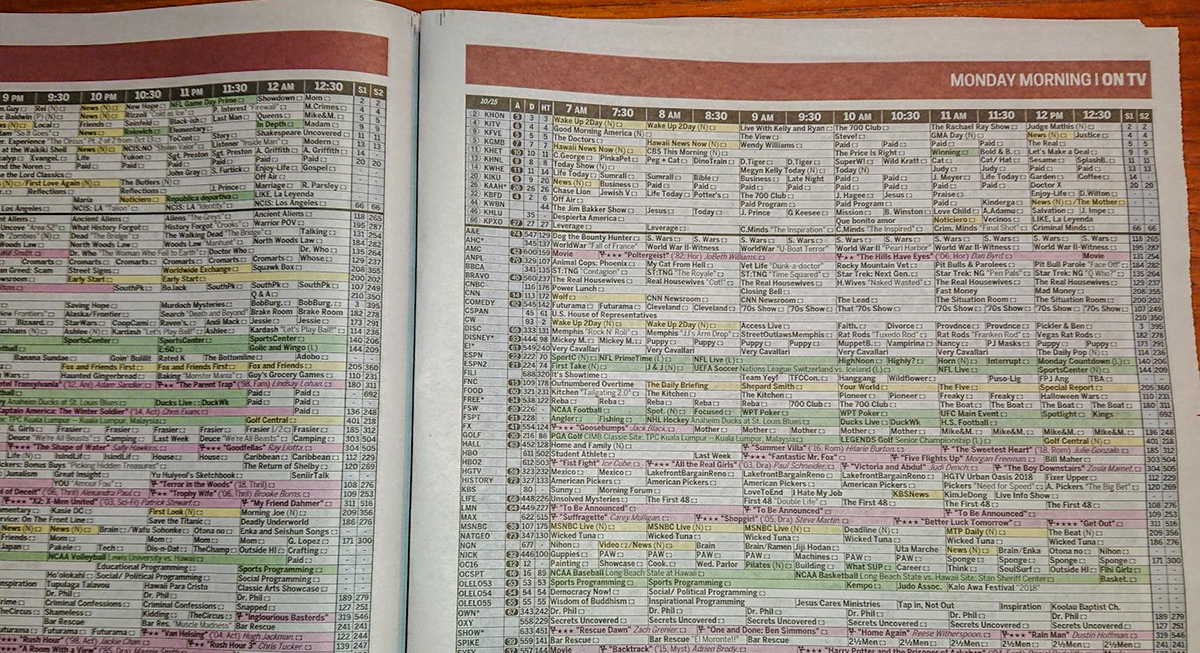
Modern streaming offers far more choice, but it has removed the ritual of anticipation and the habit of planning entertainment days. Many households relied on TV Guides to keep track of what was on television. The weekly publication listed program schedules, movie times, and major sporting events. Missing a broadcast often meant waiting weeks or even months for another chance to see it. Many families marked pages, folded corners, and checked schedules regularly.
The Stereo Stack
Credit: Wikimedia Commons
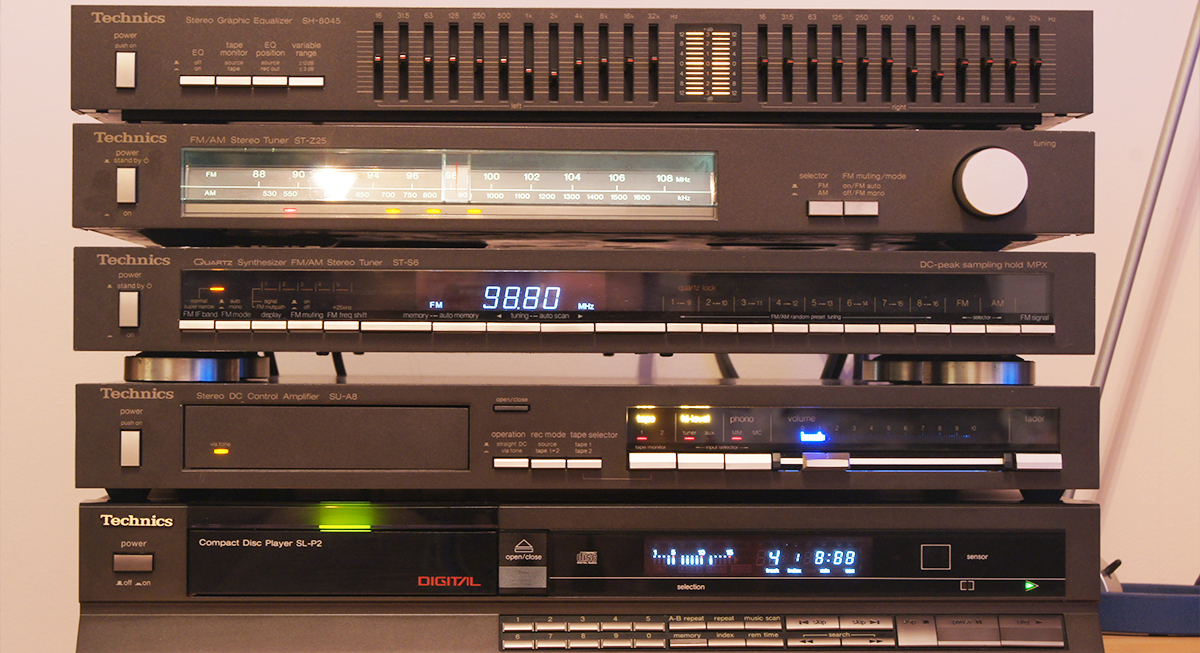
Stereo systems were a centerpiece of many 1980s homes. They were often made up of separate components such as speakers, amplifiers, cassette decks, and record players, and occupied a dedicated space in the house. Music collections were usually displayed alongside the equipment. Many owners spent time organizing albums, creating mixtapes, and adjusting sound settings. As digital music, smartphones, and wireless speakers became more popular, large stereo systems gradually disappeared from most households.
The Coupon Dispenser
Credit: Reddit
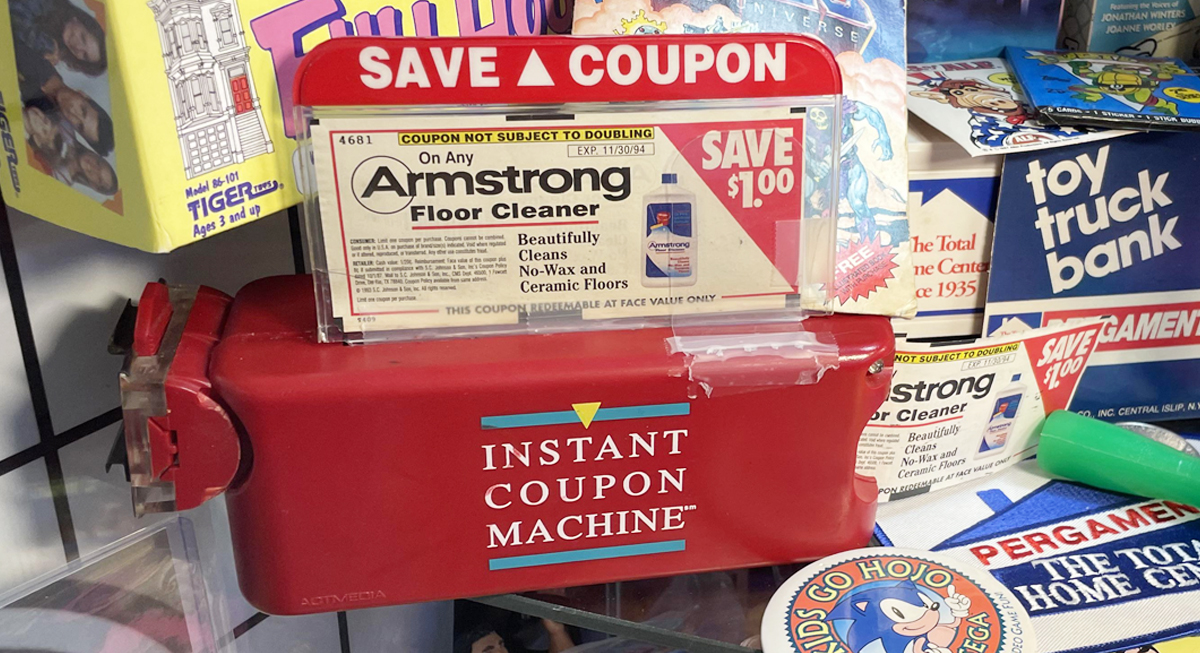
Saving money often required collecting, organizing, and bringing paper coupons to the checkout. Many households kept them in envelopes, kitchen drawers, or coupon organizers and regularly searched for deals before shopping. Some shoppers became highly skilled at finding and combining discounts to reduce their grocery bills. Digital coupons and store apps now serve the same purpose.
The Rolodex
Credit: Wikimedia Commons
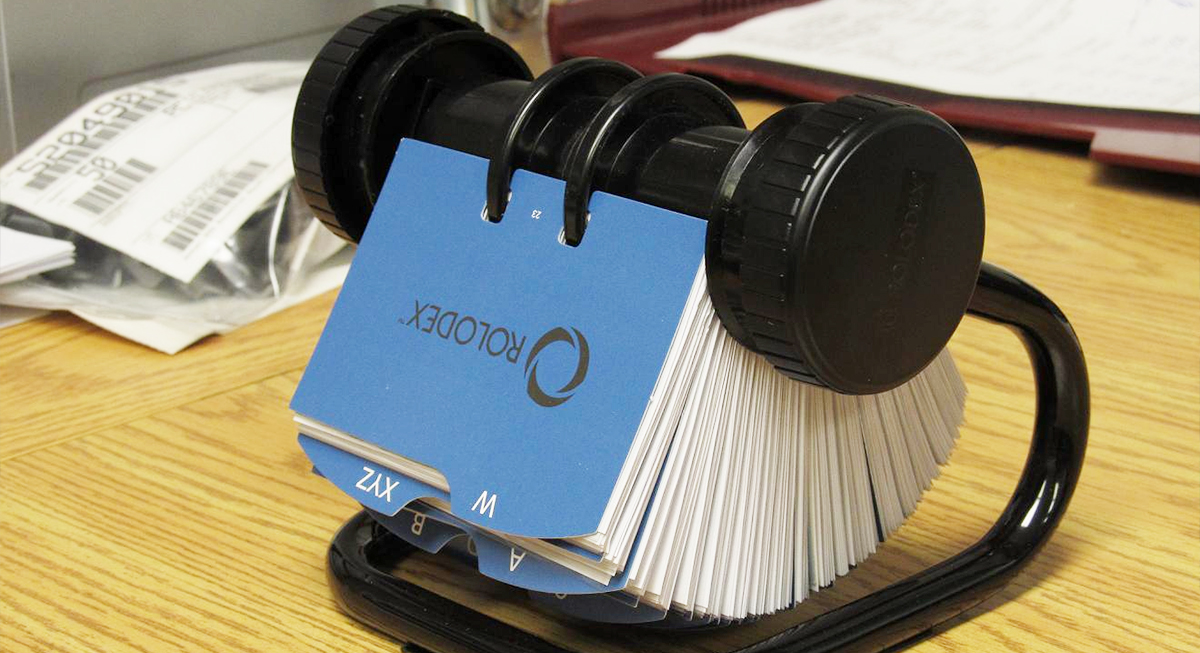
A Rolodex revealed how people thought about relationships before digital contact lists. Every card represented someone important enough to be recorded by hand. Doctors, accountants, relatives, repair technicians, coworkers, and longtime friends all occupied neighboring spaces. Updating information required crossing out old details and writing new ones. Over time, the collection became an accidental record of changing jobs, moves, and family history.
The Flashlight Drawer
Credit: Reddit
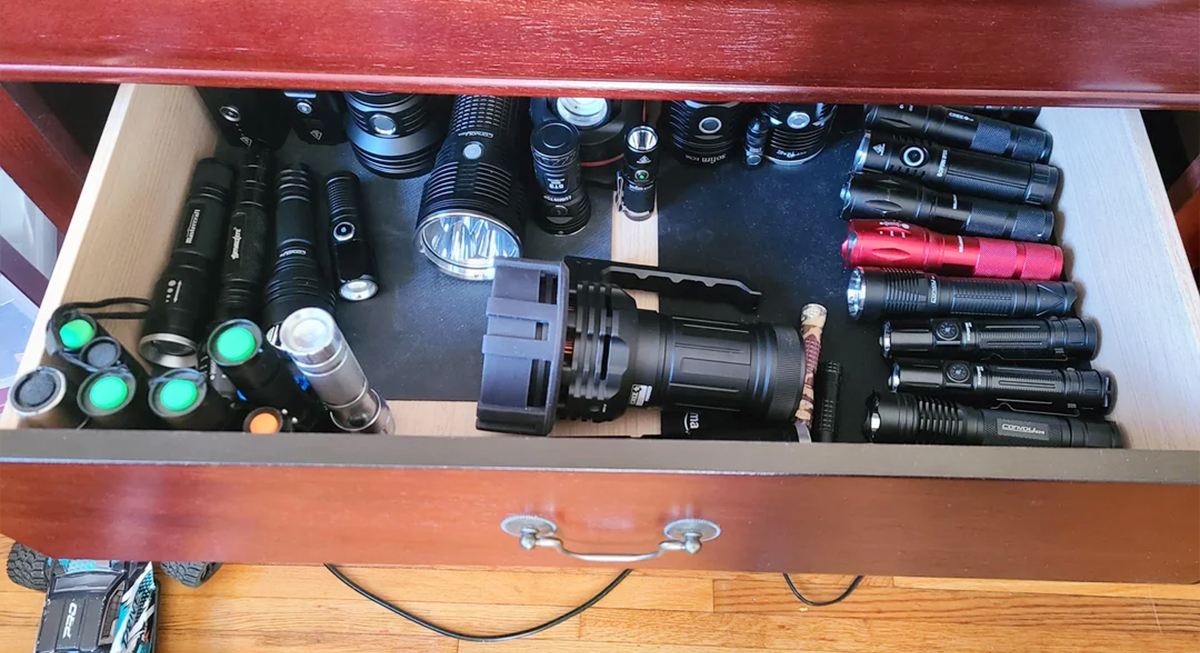
Every household seemed to have a drawer reserved for uncertain situations. It contained batteries of questionable age, instruction manuals nobody wanted to throw away, spare keys, and at least one flashlight. During storms or power outages, that drawer became surprisingly important. Finding it was easy. Finding a flashlight that actually worked was less certain.
The Pencil Sharpener Mounted To The Wall
Credit: Facebook
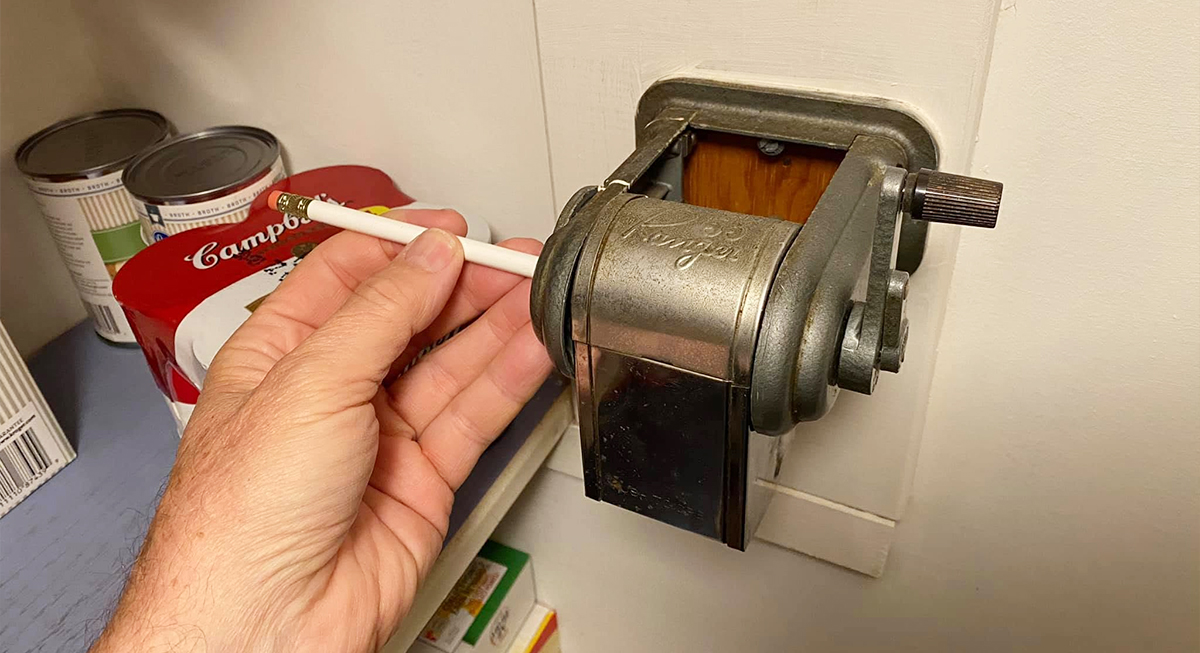
The wall-mounted pencil sharpener was once everywhere. Schools had them. Offices had them. Countless kitchens and family workspaces had them, too. Their presence reflected a world where pencils remained central to daily paperwork, homework, lists, and record-keeping. The sharpener rarely attracted attention unless it malfunctioned. When mechanical pencils came, they reduced demand for the sharpeners. Computers further reduced the need for handwriting, and digital documents reduced paper altogether.