10 Things Gen X Watched on TV That Modern Streaming Services Refuse to Touch
Television schedules once forced completely different kinds of programs into the same evening lineup. Networks made room for odd things because empty hours had to be filled, though these things would never survive modern approval systems. This is because a lot of those shows depended on conditions that disappeared over time: local syndication, cheap studio space, physical sets, broad broadcast audiences, loose licensing agreements, and television executives chasing attention.
American Gladiators
Credit: IMDb
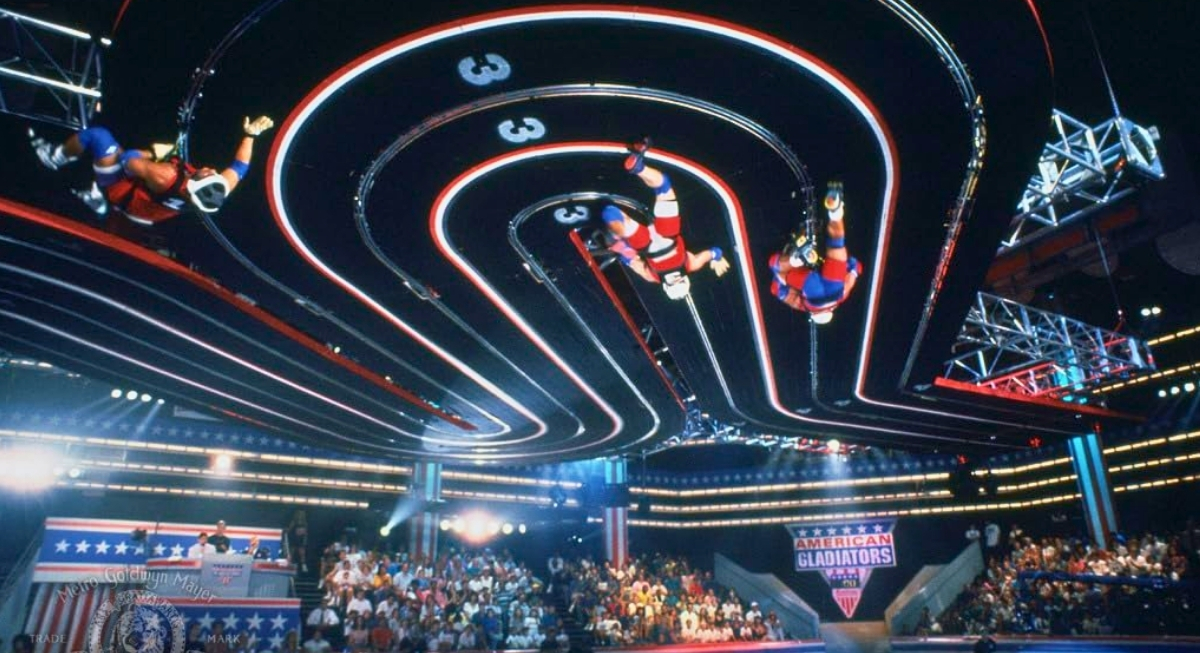
American Gladiators was a physical competition that involved simple, high-impact events, with names like Nitro and Ice adding personality to the show. Contestants stood on narrow platforms while Gladiators hit them with padded pugil sticks, often knocking them straight into the mats below. Cargo nets, obstacle courses, and ball-launching challenges tested speed and balance. Many rounds ended quickly after a single clean hit. The show’s appeal came from the physical, immediate nature of the competition, with every impact clearly visible and decisive.
Double Dare
Credit: IMDb
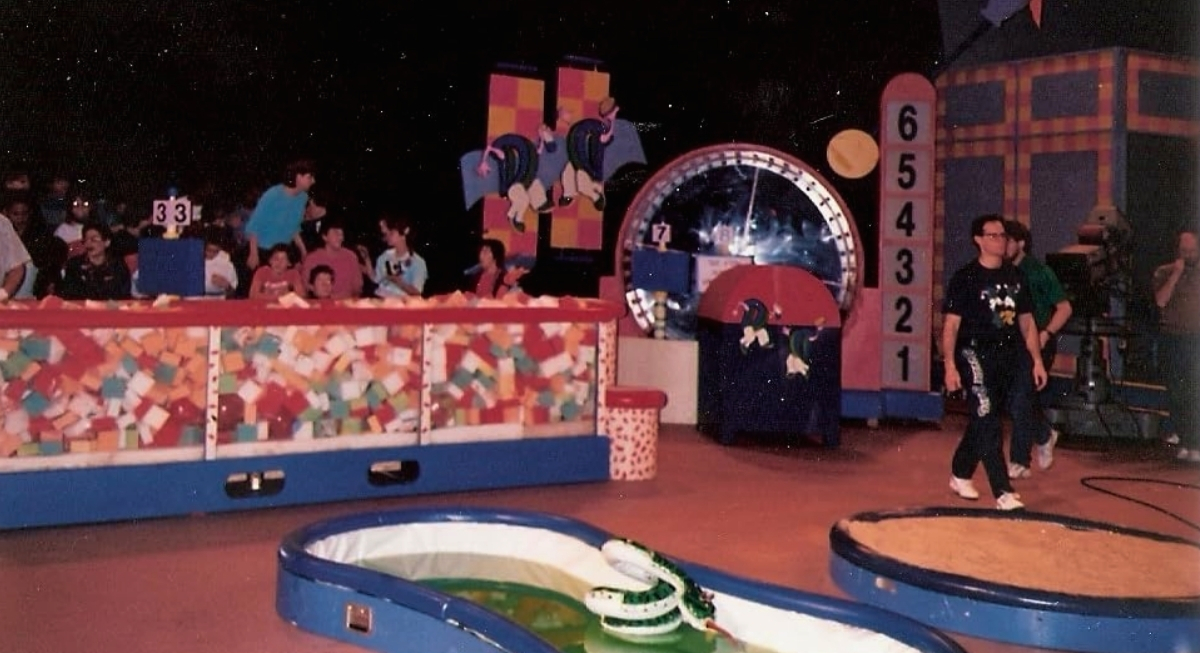
Before contestants reached the obstacle course, the game already looked stressful. Kids answered trivia questions while trying to avoid physical challenges that usually ended with somebody covered in slime, whipped cream, syrup, or foam. Once teams reached the final round, the obstacle course relied on oversized practical props, hidden flags, physical crawling spaces, and constant studio resets between tapings. The format relied heavily on custom-built sets and extensive cleanup.
Remote Control
Credit: Youtube
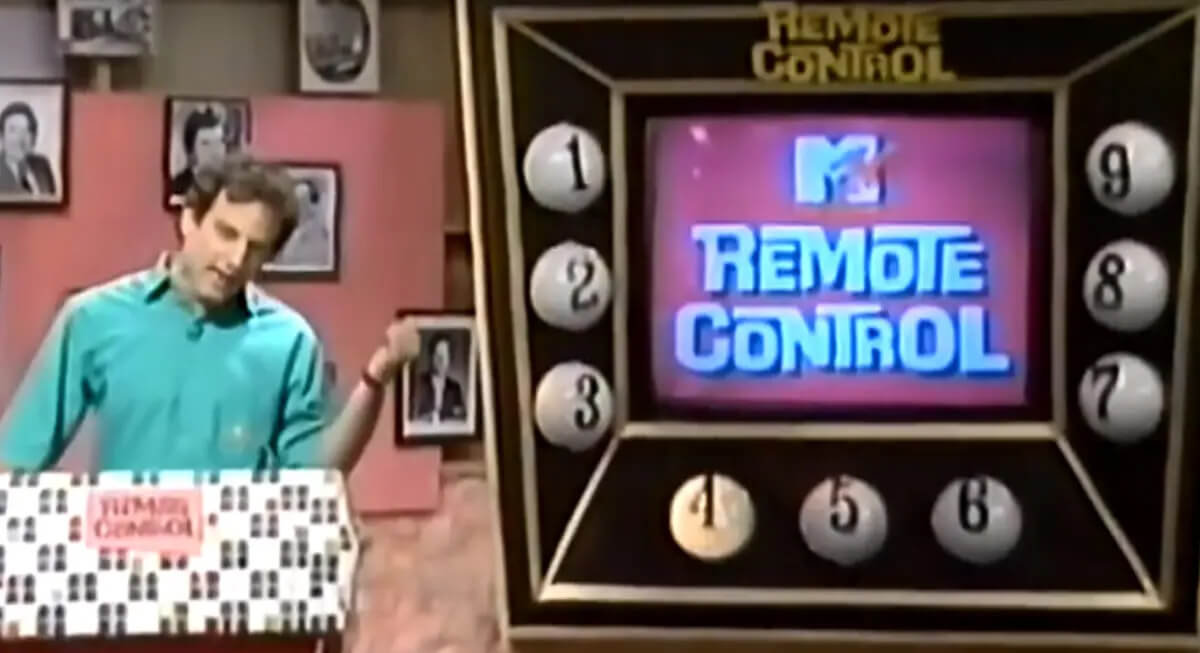
Remote Control was an MTV game show built around television trivia, channel-surfing culture, and rapid-fire pop culture references. Contestants answered questions while sitting in recliners surrounded by oversized living-room props, with categories pulling from sitcoms, commercials, music videos, B-movies, and cable-TV randomness. The humor depended heavily on viewers recognizing the same media overload that defined late-1980s cable television.
The Jerry Springer Show
Credit: IMDb
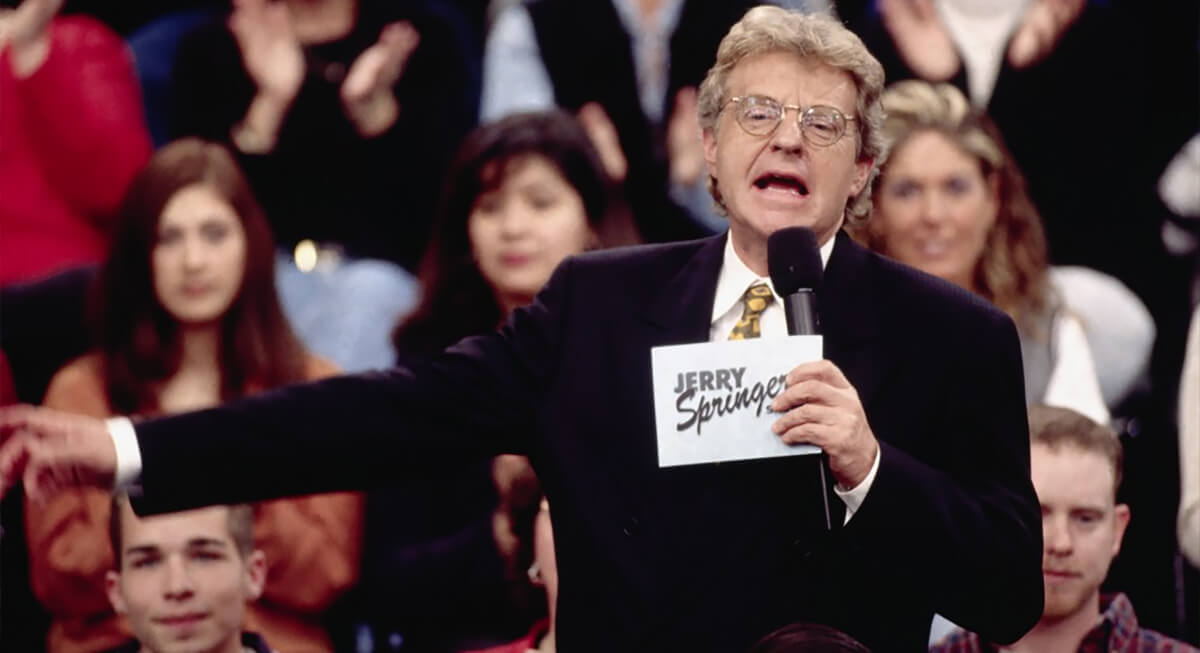
This show hinged on personal conflict. Some episodes centered on cheating scandals, others on family disputes, surprise confessions, and confrontations between guests. The fights became so associated with the program that security guards were treated almost like recurring cast members, stepping in whenever arguments turned physical. The format pulled huge ratings during the peak of tabloid television, but it also built a reputation around public humiliation and televised chaos that won’t fly today.
Tales From the Crypt
Credit: IMDb
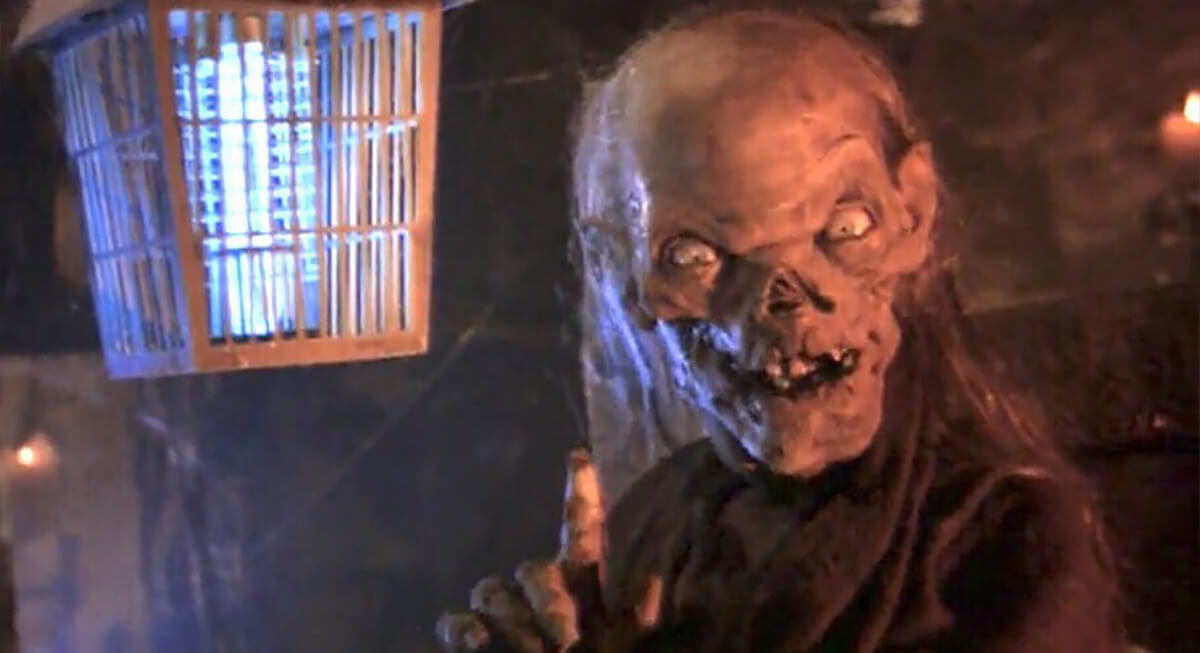
Tales From the Crypt constantly reinvented itself, shifting from revenge stories and funeral scams to murder plots, curses, and greedy criminals getting exactly what they deserved. Each episode operated like a separate horror production, with new actors, effects, prosthetics, lighting setups, and set construction, despite its short runtime. The anthology structure made the series resource-heavy. Many modern streaming shows are built around reusable locations and continuing storylines.
MTV’s Fear
Credit: Youtube
MTV’s Fear relied on contestants completing dares while carrying handheld night-vision cameras through real abandoned properties during overnight shoots. The series mixed early reality television with paranormal investigation, using prisons, hospitals, and asylums as filming locations. Production crews managed permits, generators, cables, and safety concerns associated with aging structures. The rough night-vision footage and slower pacing made every shadow seem worse. People slept in the locations between challenges.
The Gong Show
Credit: IMDb
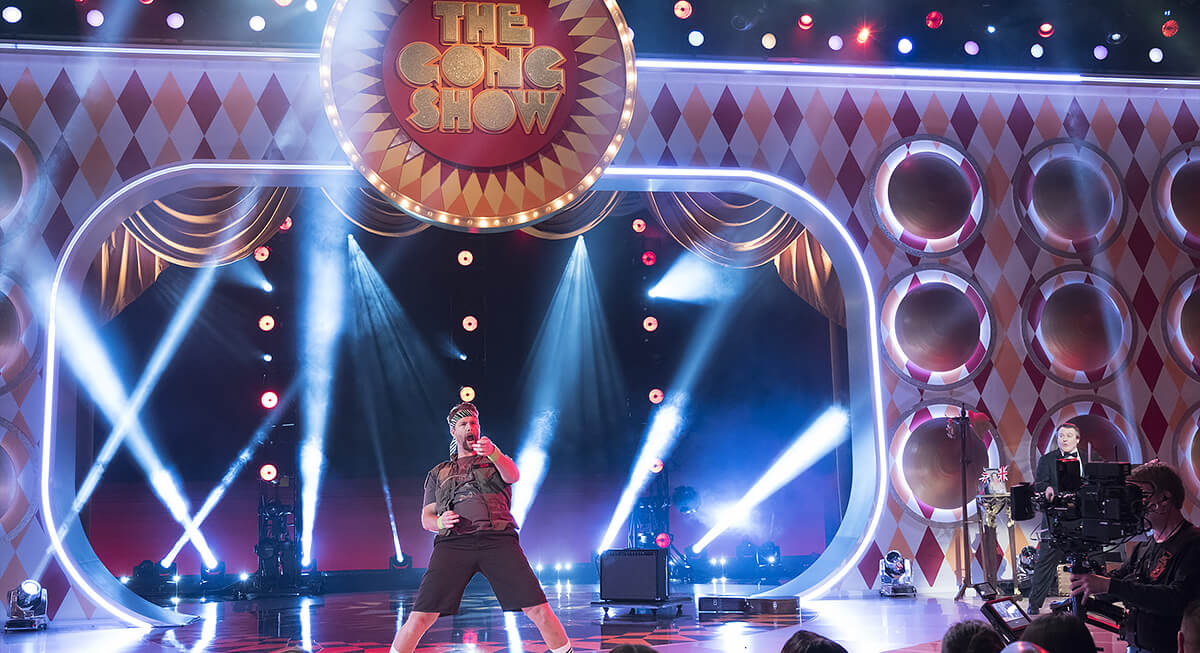
In this show, a giant gong sat beside the stage like an execution device. Contestants walked out dressed as vegetables, attempted stand-up routines, sang badly, danced strangely, or launched into performances that barely qualified as acts. If a routine bombed badly enough, a judge could strike the gong at any moment and stop the performance in front of the entire studio audience. The threat gave the show its own routine. Some contestants barely started before the gong cut them off. The audience came as much for the failure as for the talent, because nobody knew whether the next performer would become a star, a disaster, or both at once.
Elvira’s Movie Macabre
Credit: IMDb
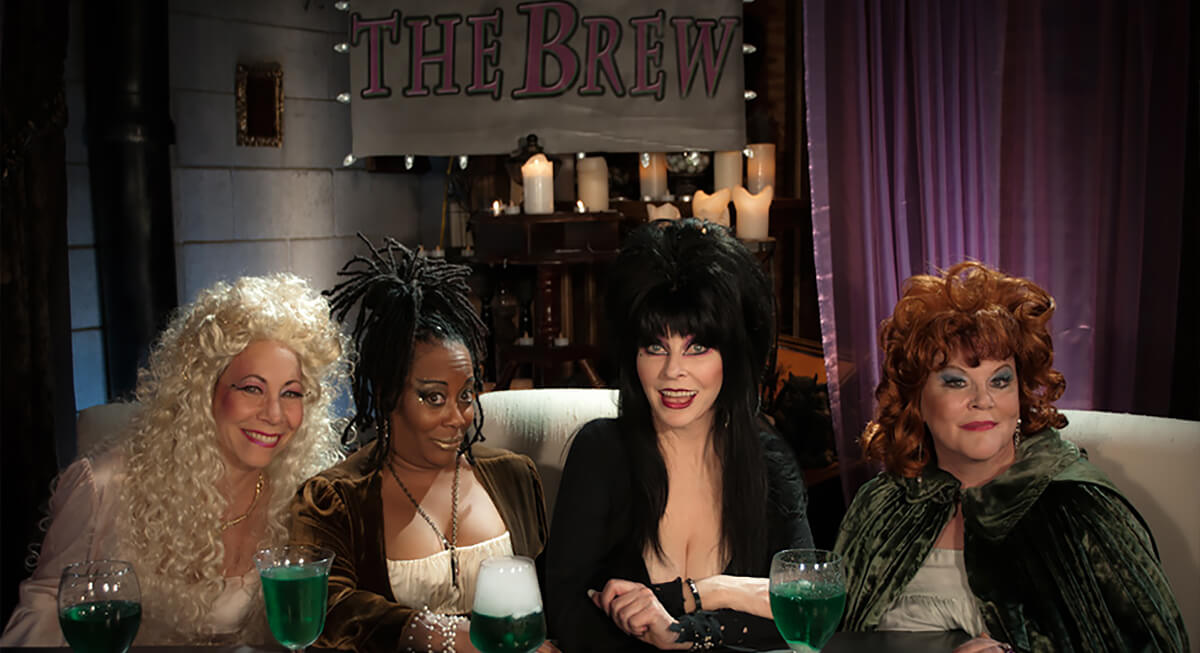
Late-night viewers tuning into Elvira’s Movie Macabre were usually getting two shows at once. One was a low-budget horror movie filled with rubber monsters, haunted castles, or bargain-bin special effects. The other was Elvira, interrupting the film with jokes, commentary, and reactions. Stations could fill late-night schedules cheaply while building loyal audiences around recurring personalities. A lot of viewers probably remembered her jokes more clearly than the movies themselves. The system shrank once streaming services consolidated movie libraries and weakened regional programming identities.
After School Specials
Credit: IMDb
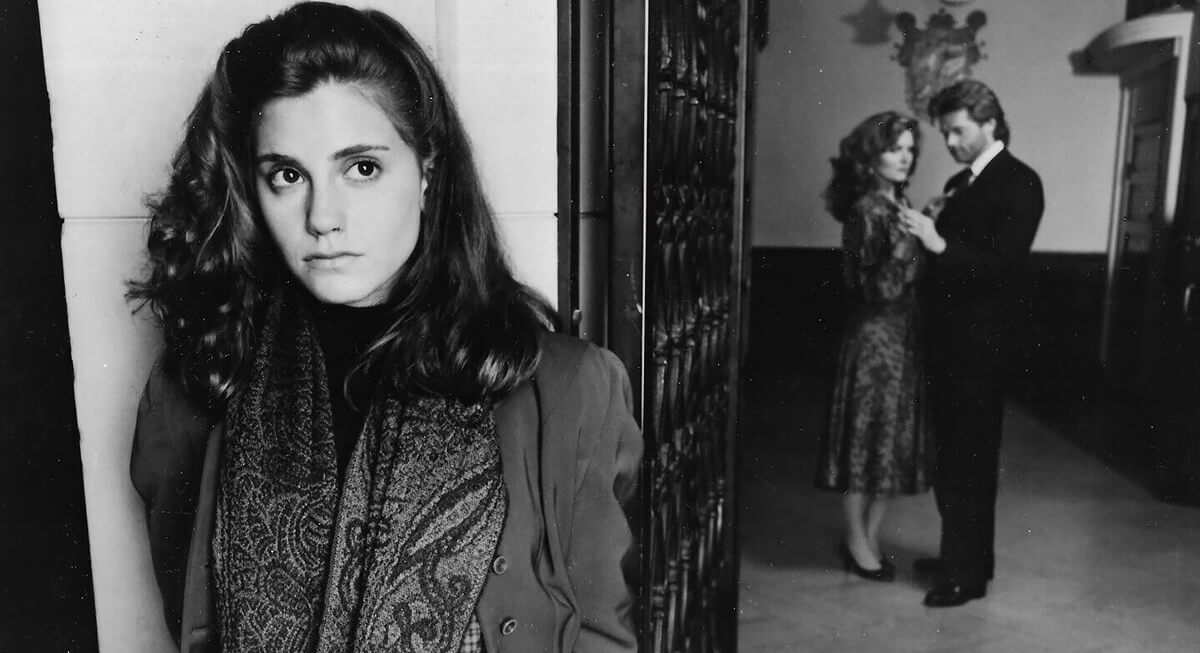
At a certain hour in the afternoon, network television switched gears and began targeting teenagers arriving home from school. After School Specials tried to teach teenagers life lessons. It tackled drunk driving, bullying, pregnancy, eating disorders, family violence, and drug use through standalone stories. Some episodes felt like classroom discussions with actors, while others leaned heavily on emotional confrontations designed to spark conversations among parents, teachers, and students. Teachers discussed certain episodes afterward, and parents referenced them during arguments.
Maximum Exposure
Credit: Youtube
Long before people uploaded fail videos from their phones, Maximum Exposure stitched together surveillance footage and painful camcorder accidents into half-hour episodes built around public embarrassment. The narration treated every disaster like a setup for another sarcastic joke delivered over slow-motion replays. Most of the footage arrived through mailed VHS tapes, local news recordings, or home-video submissions sent directly to producers.