10 ’90s Mall Stores That Were Anchored by a Soundtrack and a Smell
Certain 1990s mall stores became memorable because they engaged the senses. Chains used music and scent as branding tools. A recognizable fragrance or soundtrack helped stores stand apart inside crowded malls. The strategy worked. Decades later, many former mall regulars still remember certain stores through a specific song, product scent, or audio spill from the entrance.
Bath & Body Works
Credit: Wikimedia Commons
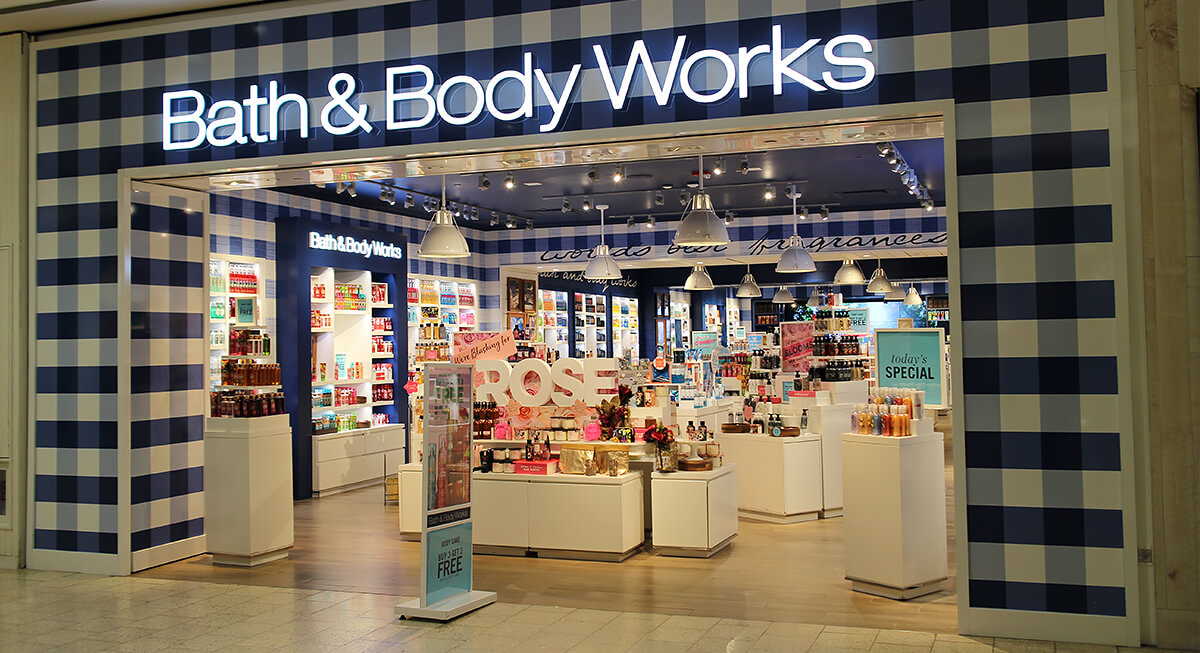
Bath & Body Works practically turned mall corridors into giant fruit baskets, with scents like Cucumber Melon, Juniper Breeze, and Country Apple. This was thanks to endless rows of open lotion bottles, body sprays, and hand soaps. Plenty of people still associate certain fragrances with back-to-school shopping trips and holiday weekends.
Sam Goody
Credit: Wikimedia Commons
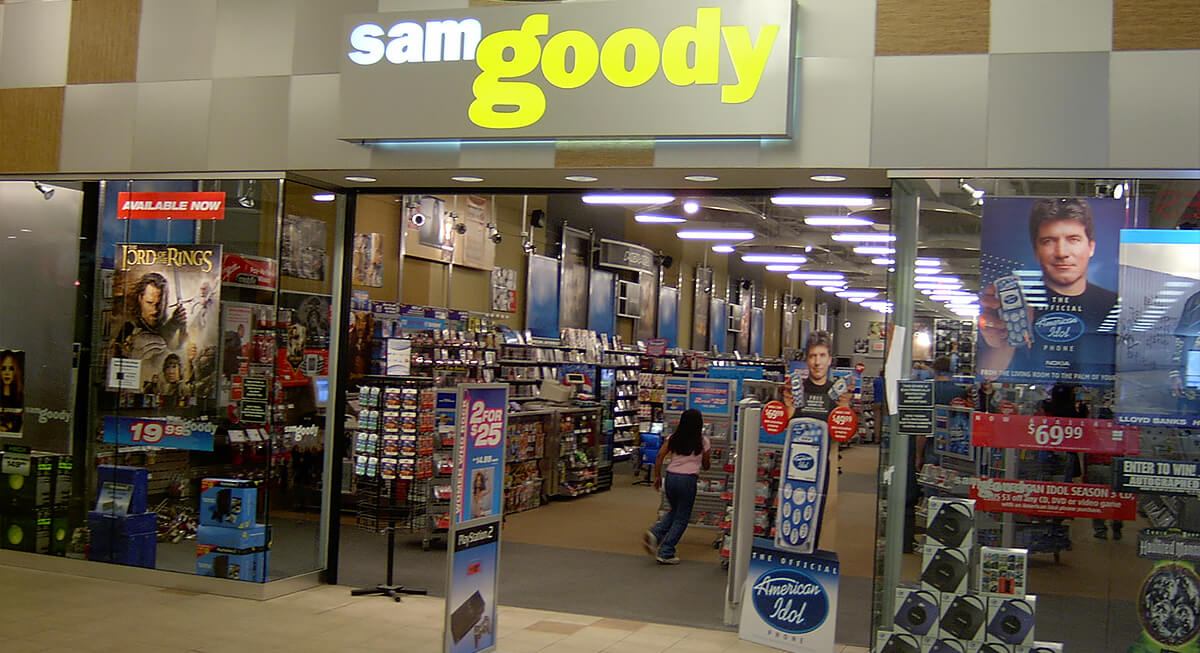
Music still required physical effort in the 1990s, and Sam Goody was where that effort paid off. Huge album displays covered nearly every surface of the store. People browsed shelves, studied album covers, and debated purchases. Listening stations let shoppers preview albums before buying, which then helped stores influence music discovery. New releases also turned malls into gathering places during major pop and rap launches from artists like Britney Spears, Tupac, or NSYNC.
Hot Topic
Credit: Wikimedia Commons
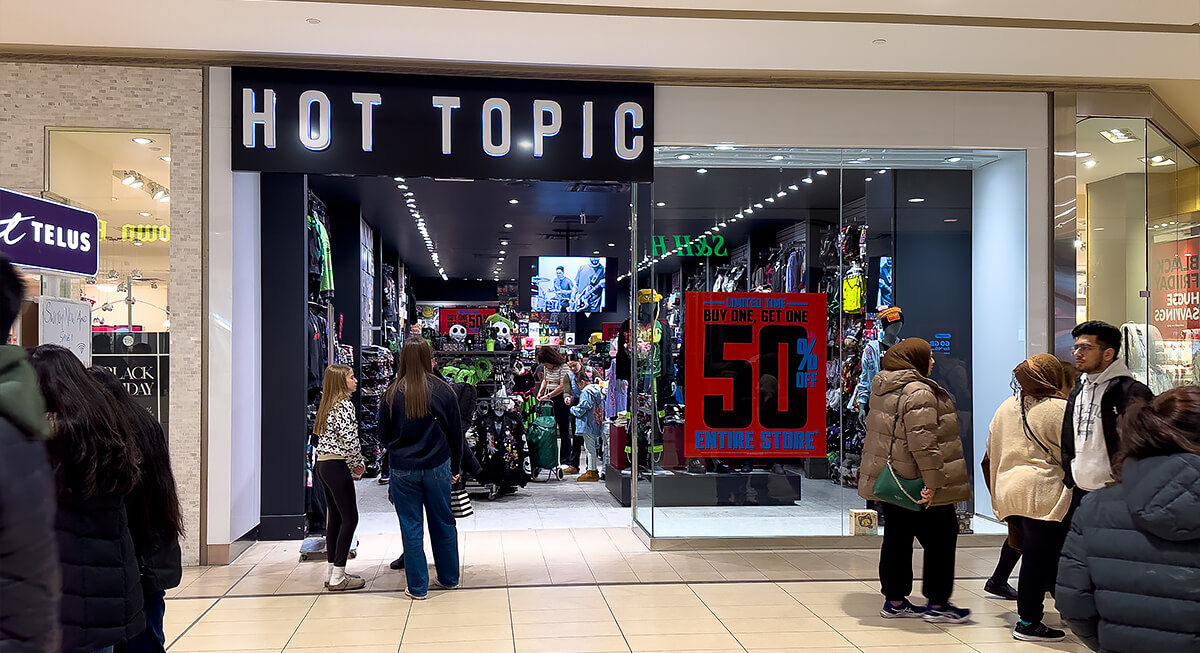
Hot Topic expanded because malls largely ignored alternative youth culture before the late 1990s. Most clothing chains pushed polished preppy fashion while Hot Topic leaned into punk, metal, skate culture, and band merchandise. The store also introduced many teenagers to smaller bands through shirts and posters. That retail model helped music fandom become part of everyday fashion.
Spencer’s
Credit: Wikimedia Commons
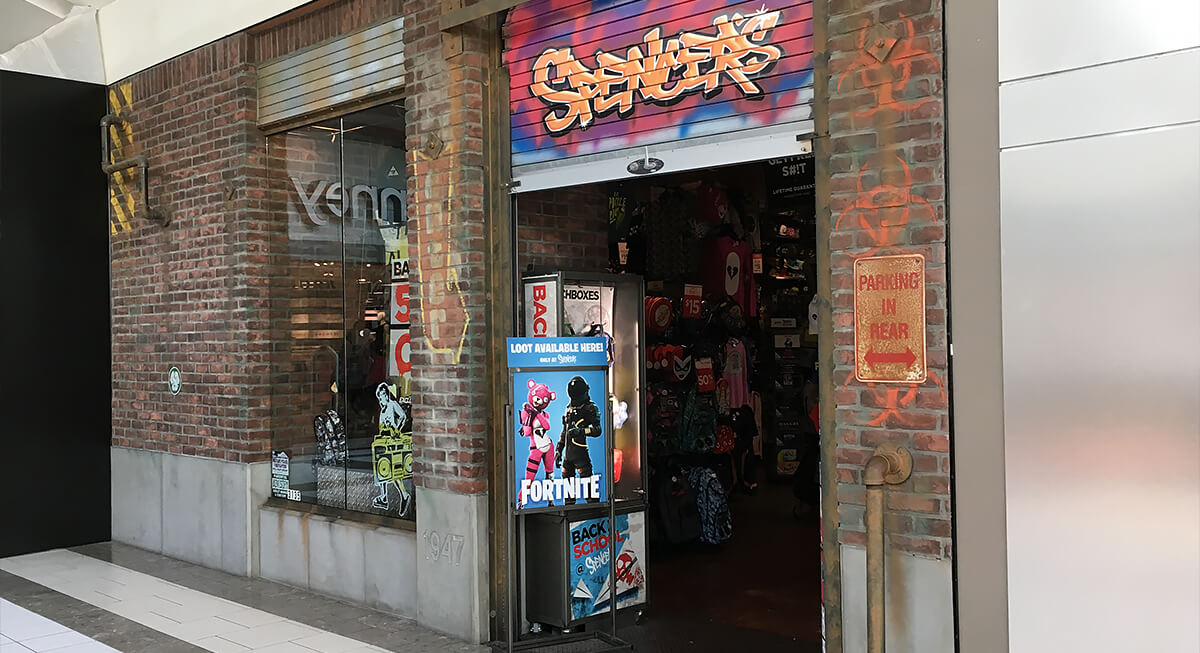
Walking into Spencer’s, you’d come across lava lamps glowing beside blacklight posters, fake vomit, shot glasses, neon signs, gag gifts, and shelves packed with random objects. The store built its reputation by mixing prank gifts, edgy humor, and blacklight-era decor into one cramped retail space. Teenagers treated the store like entertainment as much as shopping. Many malls also tolerated Spencer’s because the chain attracted foot traffic from customers who wandered through simply out of curiosity.
The Body Shop
Credit: Wikimedia Commons
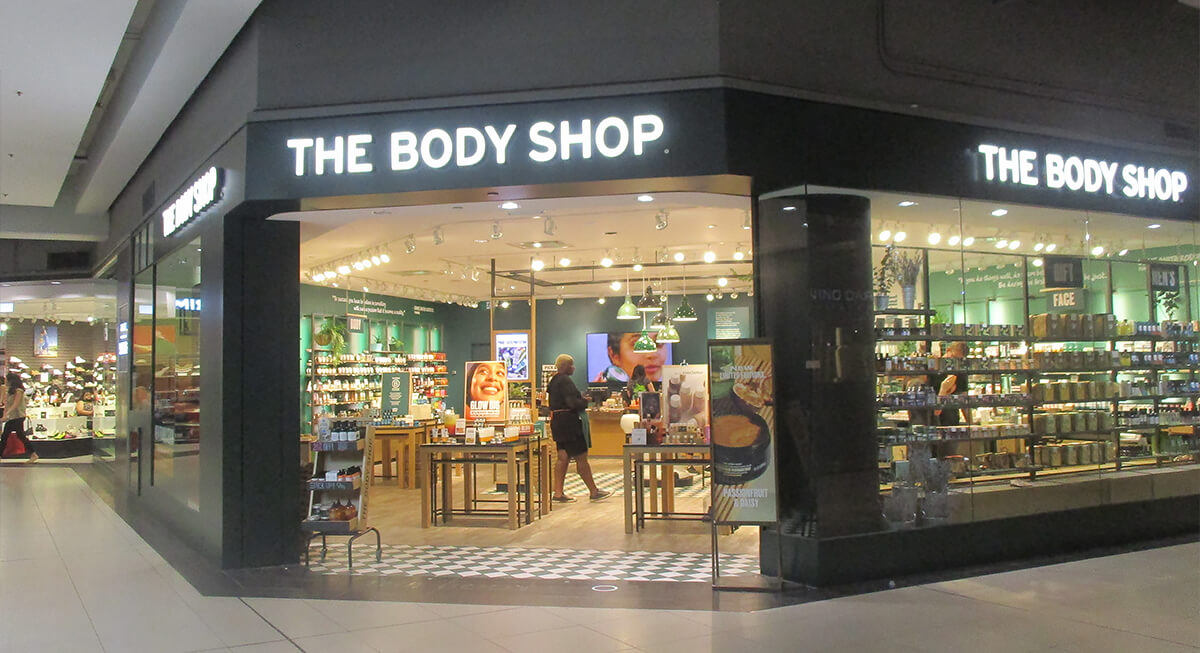
The Body Shop was a beauty chain known for its strong herbal scents. It had an earthy smell that stood out immediately from neighboring clothing stores. Wooden shelving and product jars made the space look like a small apothecary. During the 1990s, shoppers also connected the brand with cruelty-free beauty products long before sustainability and ethical sourcing became regular marketing language across the cosmetics industry.
Limited Too
Credit: Reddit
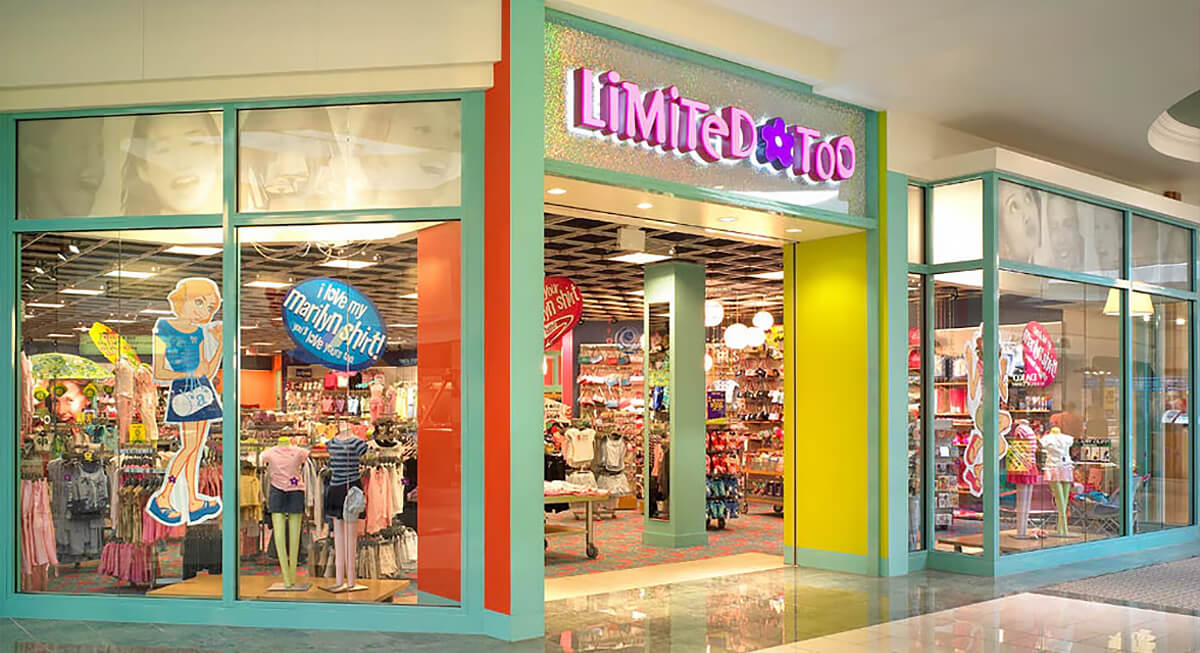
Everything inside Limited Too looked designed around glitter, pop music, and sleepovers while radio-friendly hits from Christina Aguilera and Destiny’s Child played overhead. The store helped retailers realize preteens were a massive standalone market. Earlier chains largely marketed children’s clothing through parents, but Limited Too targeted tween shoppers directly through pop-inspired fashion and bedroom accessories. The store’s scent shifted constantly because perfume testers, candy-flavored cosmetics, and scented stationery all competed at once.
Pacific Sunwear
Credit: Wikimedia Commons
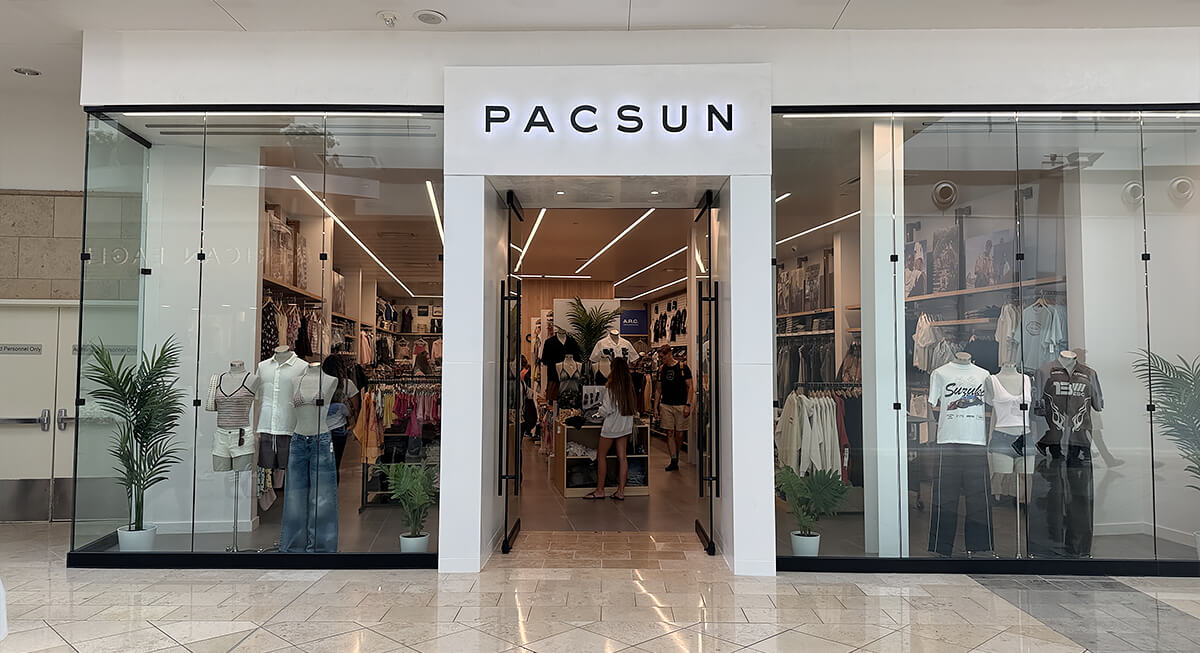
Pacific Sunwear sold surf and skate culture to suburban teenagers during the peak of the X Games era. The company expanded rapidly in the late 1990s as skateboarding entered mainstream entertainment and fashion. Fresh cotton, shoe rubber, sunscreen products, and new skateboard gear created a smell that regular mall shoppers instantly recognized. Many customers had little connection to actual surf culture, but the brand succeeded because it packaged California lifestyle trends into something viral.
Claire’s
Credit: Wikimedia Commons
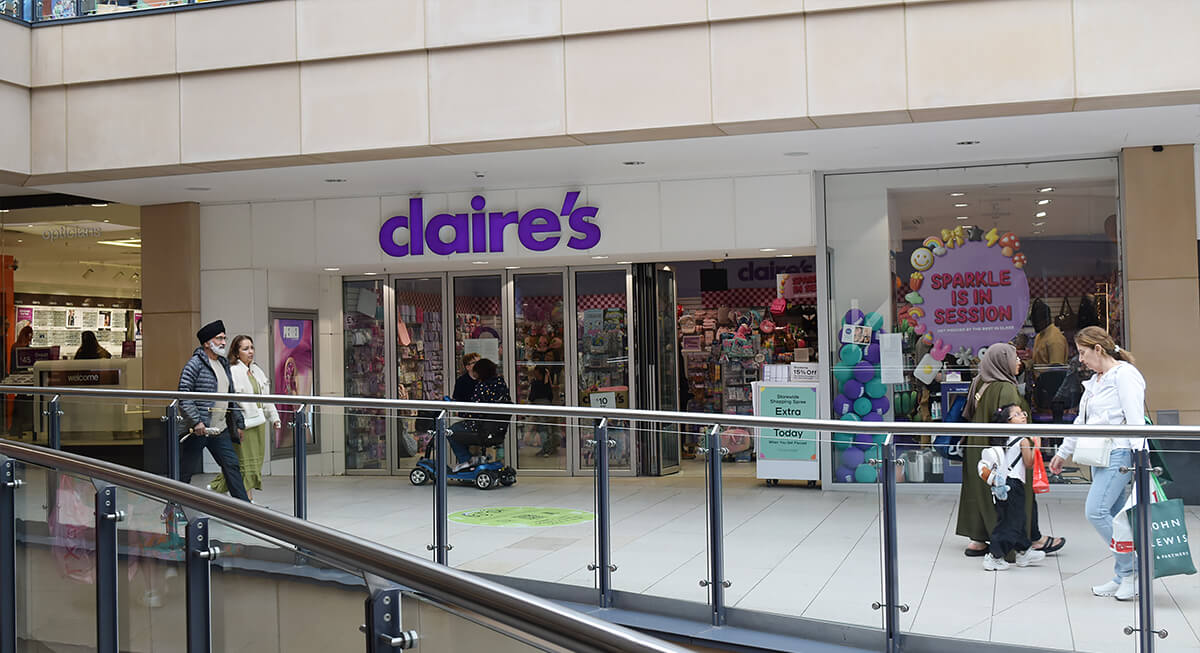
Getting ears pierced at Claire’s became a rite of passage for an entire generation of mall kids. The sharp smell of piercing solution mixed with cheap perfume and nail polish immediately filled the tiny storefront. Claire’s kept purchases cheap, fast, and constantly changing. The chain also made small accessories easy to buy on impulse.
Orange Julius
Credit: Wikimedia Commons
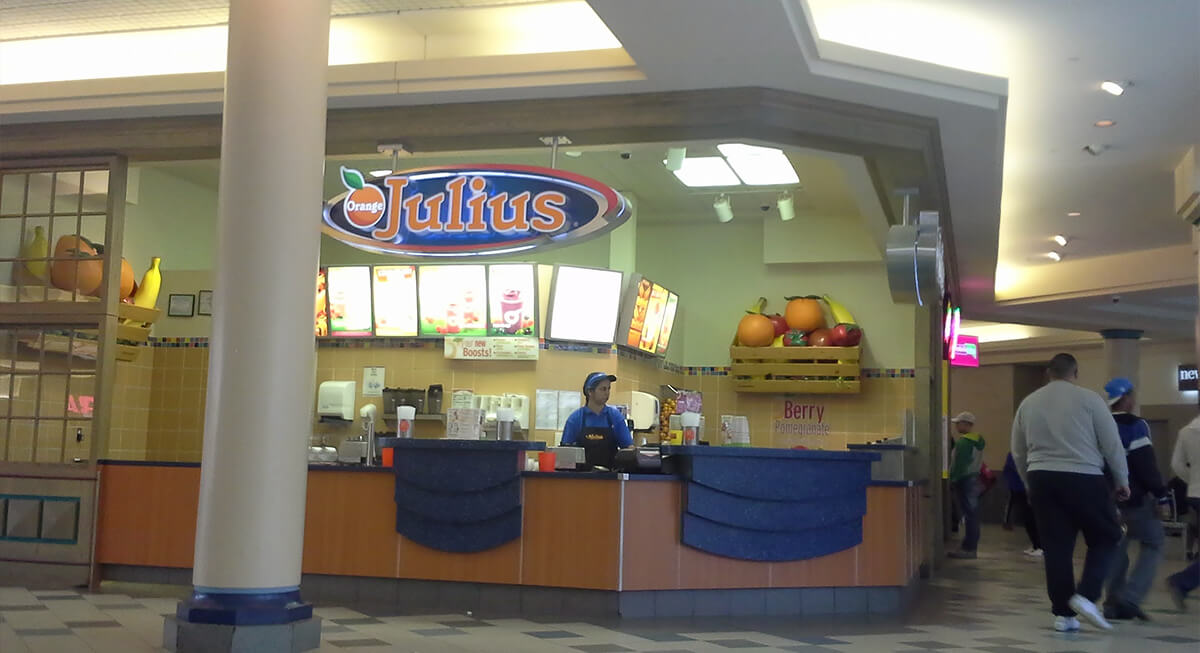
The smell of sweet citrus and crushed ice from Orange Julius became closely tied to the American mall experience in the 1990s. Food courts depended on recognizable specialty drinks that customers could not easily recreate at home. Orange Julius drinks looked unmistakably like that with their frothy tops and bright orange color sitting beside pizza slices and paper bags of fries.
KB Toys
Credit: Reddit
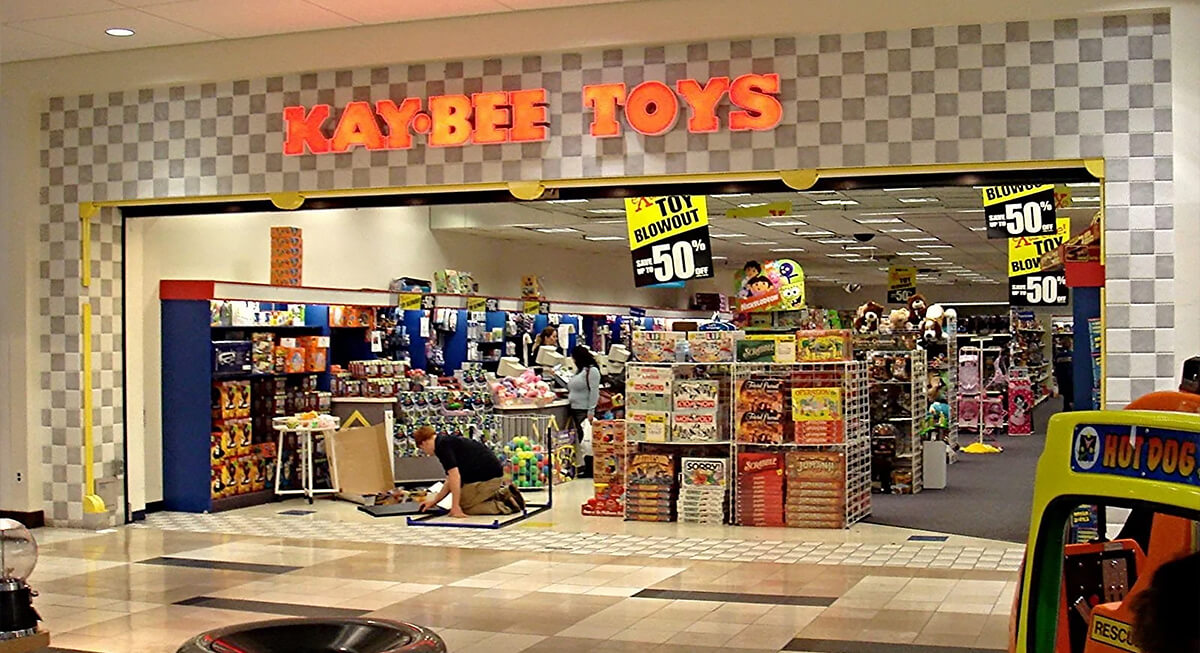
Malls depended heavily on dedicated toy retailers during birthdays and holiday seasons. KB Toys packed small storefronts with discounted inventory, which helped it compete against larger toy superstores during the 1990s. Stepping into one of the stores was an experience characterized by off-gassing factory-fresh plastic and cardboard. The rise of e-commerce eventually damaged that model, but for years, KB Toys remained a standard stop during family mall trips.