10 Mall Stores From the ’90s That Were Teenage Heaven (R.I.P. Sam Goody)
In the 90s, going to the mall was a full-day event instead of a quick errand. Certain stores became regular stops, tied to weekend routines. Many of those spaces are gone now, replaced by online carts and streaming apps. Still, their presence shaped a generation in ways that are hard to replicate.
Sam Goody
Credit: Wikimedia Commons
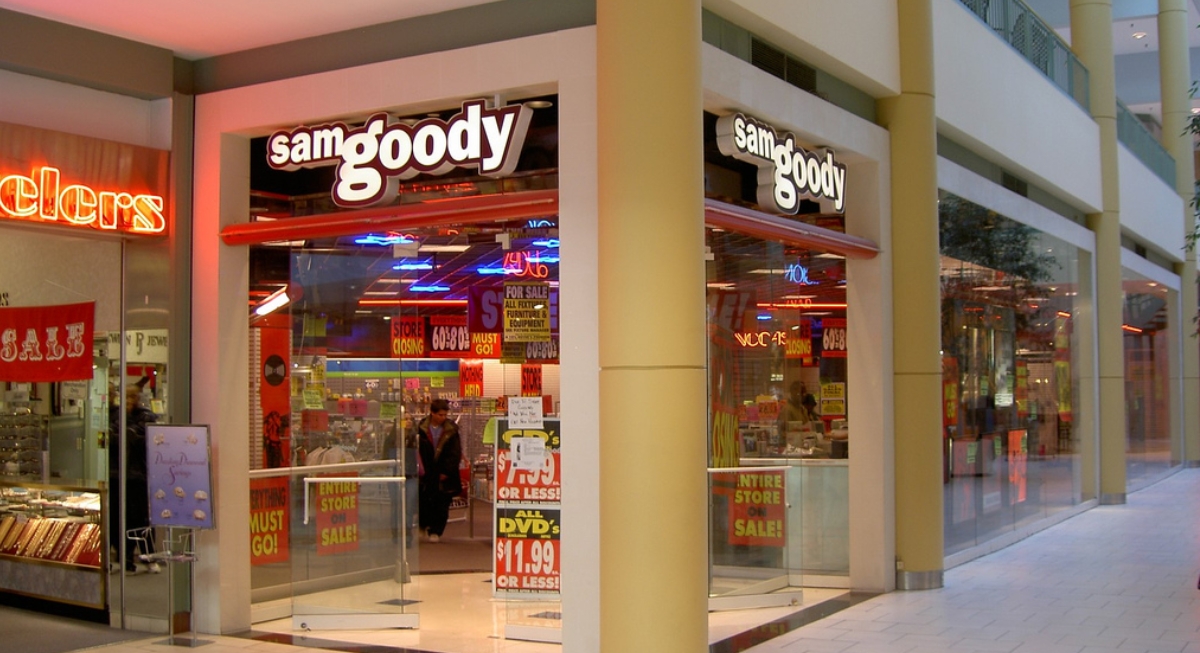
For a stretch in the late ’90s, Sam Goody moved serious numbers. Industry reports once credited it with handling a meaningful slice of U.S. music sales, which explains the constant foot traffic. Shoppers flipped through CD booklets and debated purchases with friends. The listening stations added a sense of discovery by letting people hear tracks before committing.
KB Toys
Credit: Facebook
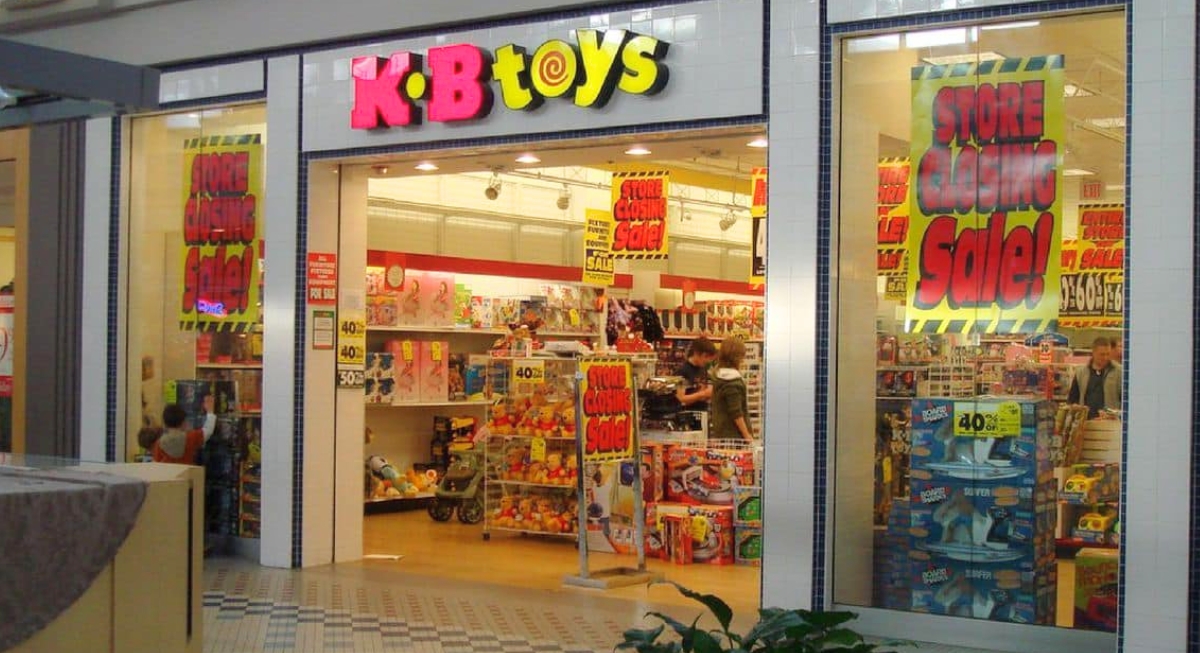
KB Toys often placed itself into smaller mall spaces, but managed to pack in everything from video game cartridges to clearance bins filled with odd surprises. By the ’90s, it had become a reliable stop for birthday money decisions and last-minute gift hunts.
Wet Seal
Credit: Wikimedia Commons
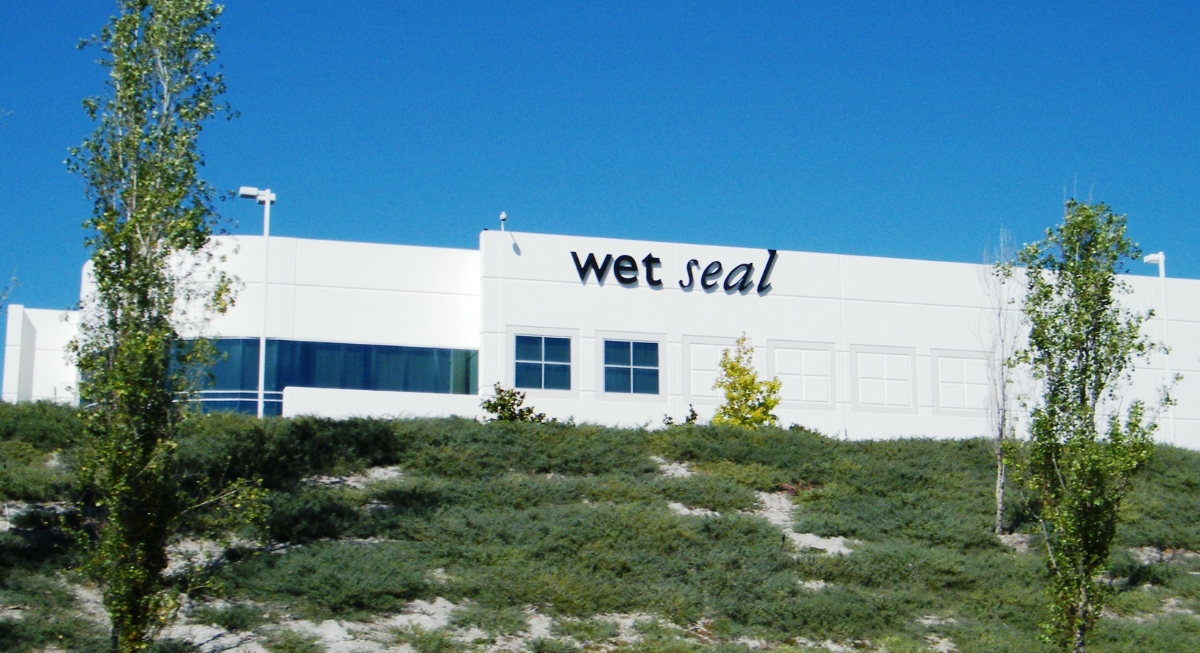
Teen fashion moved quickly, and Wet Seal built its identity around keeping up. The brand leaned into styles that mirrored what appeared on TV and in teen magazines. Shoppers didn’t expect pieces to stick around for long, so visits were timely.
Waldenbooks
Credit: Wikimedia Commons
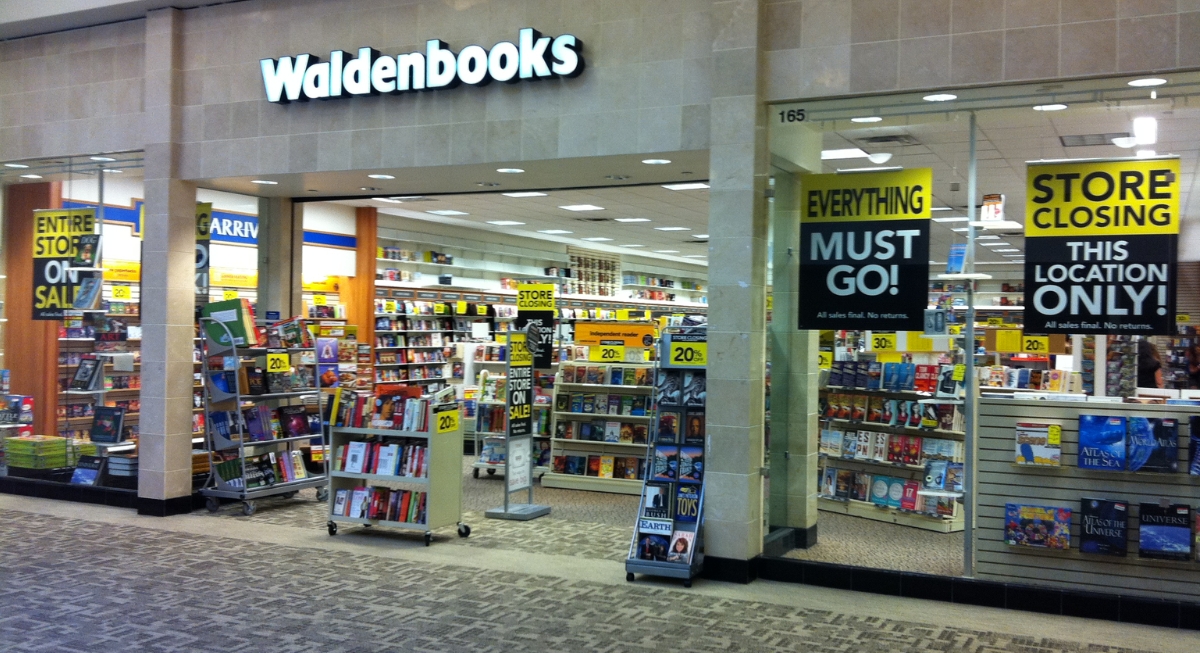
Waldenbooks invited browsing without pressure to buy right away. The chain started as a book rental business before shifting into retail, eventually growing into one of the largest bookstore networks in the U.S. Magazine racks drew steady attention, especially from teens flipping through entertainment and sports titles that felt current in a pre-Internet routine.
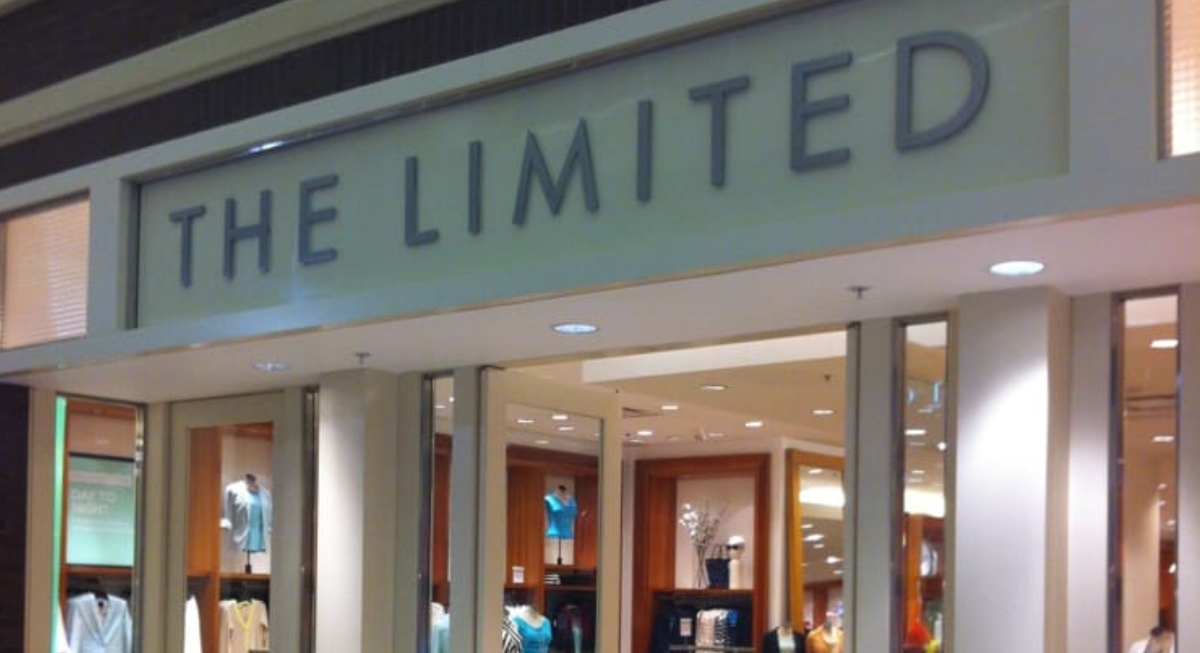
The Limited
Credit: Yelp
Leslie Wexner founded The Limited in 1963 with a clear focus on women’s fashion, and that focus carried into its mall years. By the ’90s, it had built a reputation for clothes that felt slightly more grown-up without losing accessibility. The brand’s influence extended beyond its own racks and spawned concepts like Express and Limited Too.
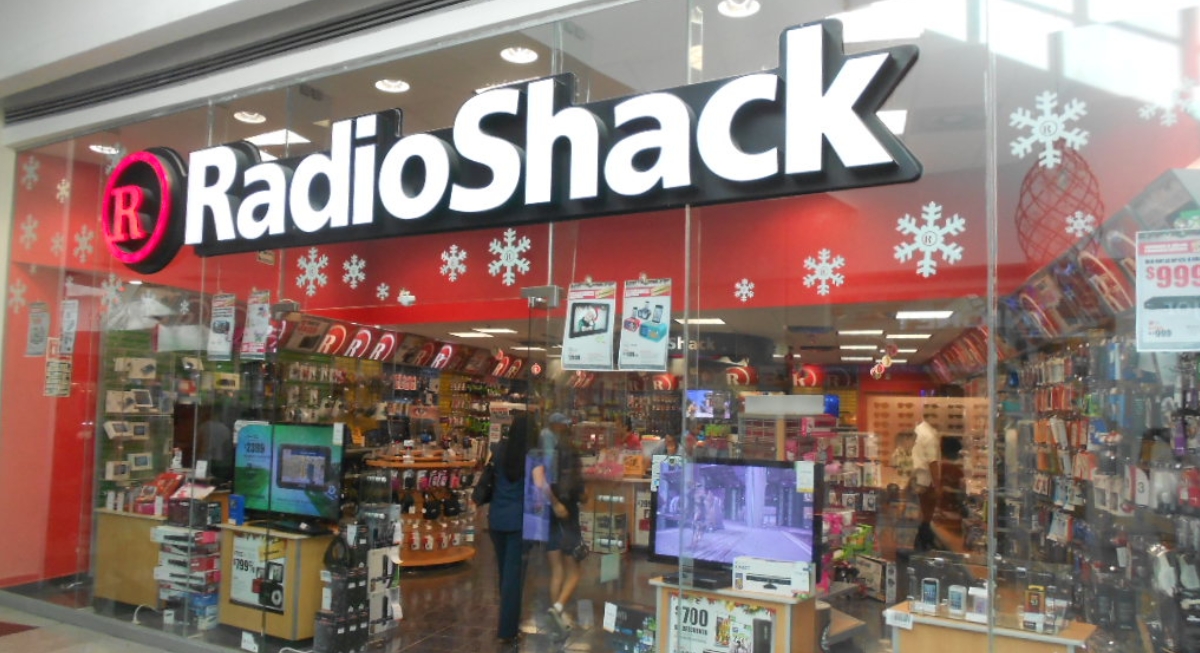
RadioShack
Credit: Wikimedia Commons
There was always a sense that RadioShack knew more than it let on. Staff often handled questions about cables or devices that weren’t exactly mainstream yet. The company began as a mail-order radio business in the early 20th century, then expanded into retail.
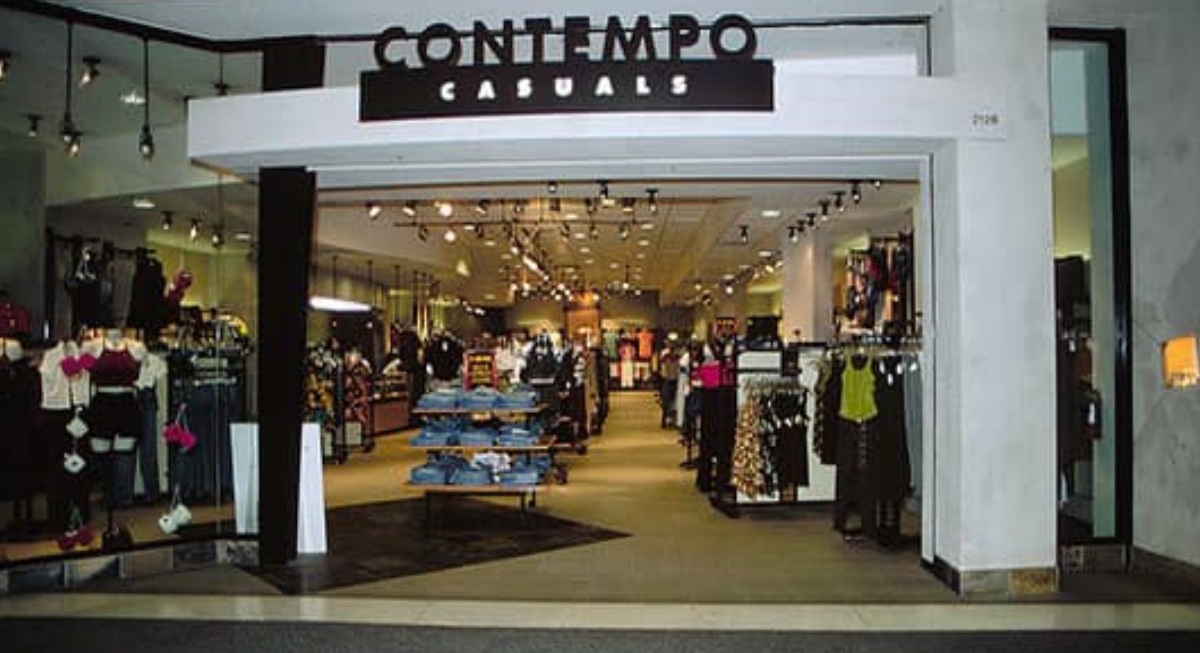
Contempo Casuals
Credit: Facebook
Contempo Casuals reflected what teens saw in movies and music videos, which made it feel plugged into pop culture in real time. The store gained extra recognition after appearing in Clueless, where it fit seamlessly into the film’s vision of mall life.
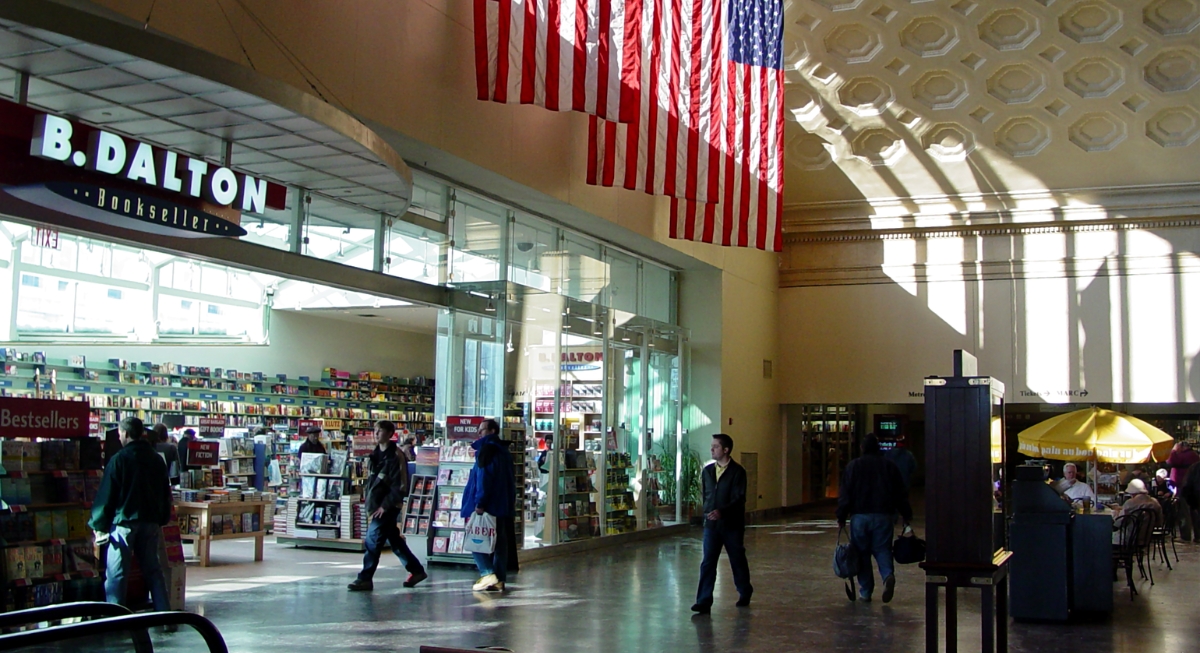
B. Dalton Bookseller
Credit: Wikimedia Commons
Dalton competed directly with Waldenbooks and built a strong mall presence. It specialized in bestsellers and accessible reading, which made it a regular stop for casual book buyers. At its height, the chain operated hundreds of locations nationwide. Barnes & Noble acquired the brand and continued running stores for years.
Zany Brainy
Credit: Reddit
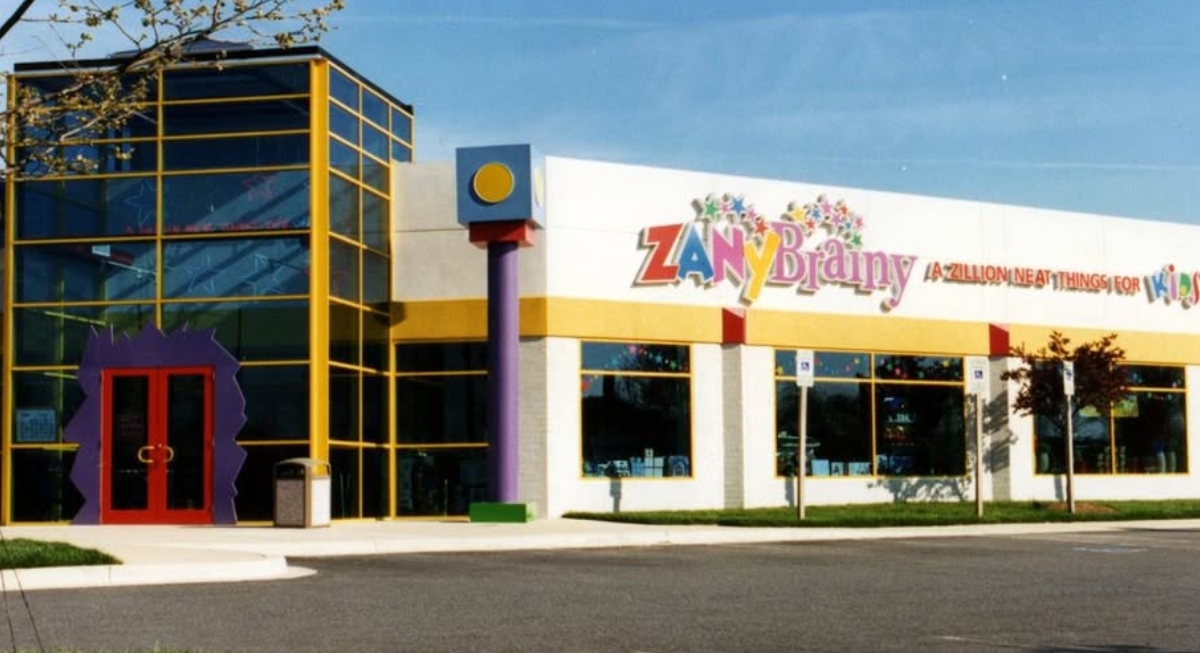
Zany Brainy emphasized learning through play, and its layout encouraged kids to interact with its products rather than just look at them. Events like readings and small performances brought families into the space regularly. Backed by FAO Schwarz, it expanded quickly during the ’90s and carved out a niche that felt distinct from traditional toy retailers.
The Sharper Image
Credit: Yelp
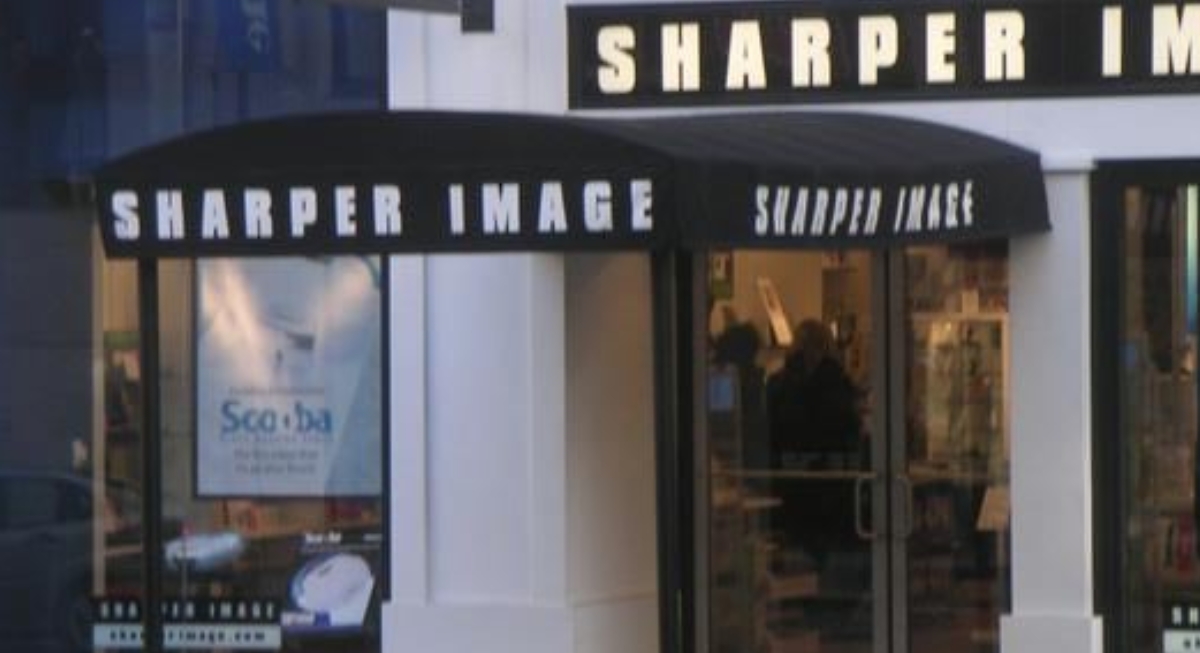
Founded as a catalog company in the 1970s, The Sharper Image later brought that same selection of unusual gadgets into physical stores. Massage chairs became a signature feature, often drawing in people who had no plans to buy anything. Walking through felt more like testing ideas than shopping.