Why Retirement Messes With Sleep in a Way Nobody Warns You About
Retirement sells people a fantasy of late mornings, afternoon naps, no alarm clocks, and a calendar free of meetings and commutes. After decades of rushing out the door before sunrise, sleeping whenever the body feels like it sounds like the reward everyone earned.
But strangely, a growing number of retirees end up lying awake at 2 a.m., staring at the ceiling, waking up exhausted, or falling asleep on the couch at odd hours only to stay alert long after bedtime. Sleep becomes fragmented, unpredictable, and frustrating right around the time life finally slows down.
The Body Still Wants a Schedule
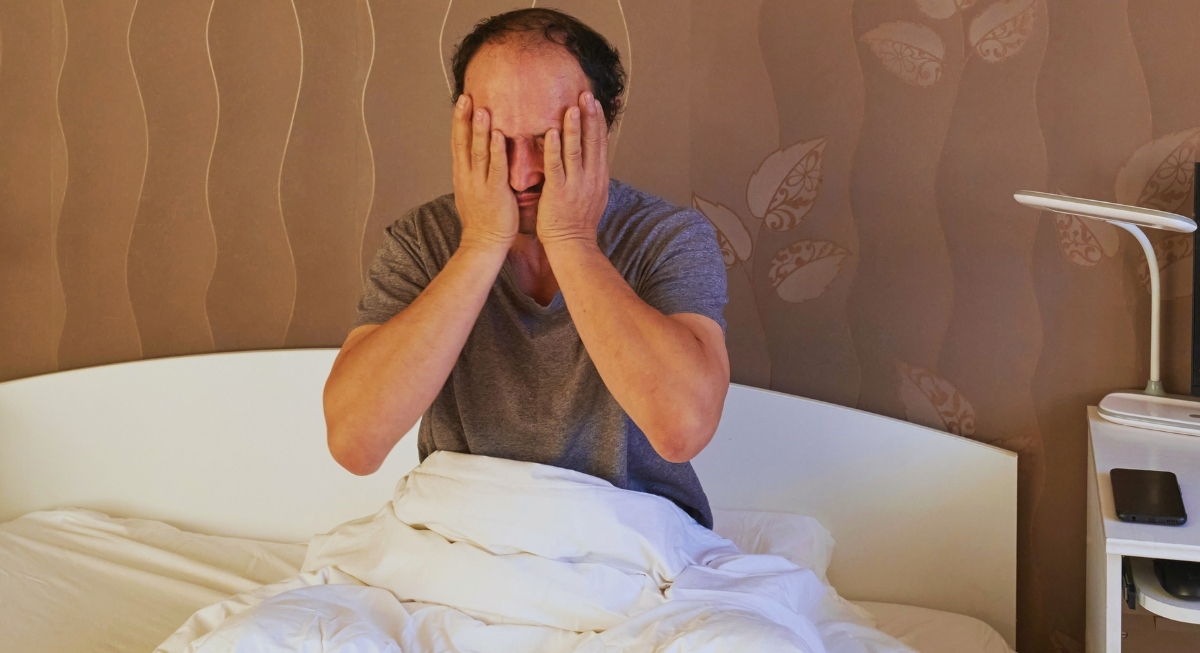
Image via Canva/Irina Kononova’s Images
For decades before retirement, most people wake up at roughly the same time five days a week, and their bodies get used to that routine. Sleep specialists say that consistency helps regulate the circadian system, which controls alertness and sleepiness throughout the day. Retirement often blows that schedule apart overnight.
Without a commute or early obligations, many retirees start sleeping later, staying in bed longer, or drifting into random sleep patterns. The freedom feels great at first, but eventually, it can confuse the body clock.
Sleep physicians say waking at different times each morning can make it harder to feel sleepy at night. Spending extra time awake in bed also creates another problem. The brain slowly stops connecting the bed with actual sleep. That’s one reason insomnia becomes more common later in life.
Many retirees assume that more time in bed means more rest. Research suggests the opposite can happen. Sleep experts at Johns Hopkins and Yale have warned that oversleeping and inconsistent sleep habits may actually weaken sleep quality in older adults.
The Nap Trap Sneaks Up

Image via Canva/StockLite
Retirement also introduces a daily temptation many people never had during working life: the random afternoon nap. Sleep doctors say naps of 30 minutes or less earlier in the afternoon may support cognitive function and cardiovascular health.
However, the timing is important. One sleep physician calls the hours between 7 p.m. and 9 p.m. the “forbidden zone.” Falling asleep during that stretch can wreck nighttime sleep and throw off the body’s rhythm even more.
Retirees dealing with insomnia may have an even tougher time with naps because daytime sleep reduces sleep pressure. This pressure is basically the body’s natural buildup of tiredness throughout the day. When it disappears, bedtime stops feeling natural. The cycle becomes surprisingly easy to repeat. Sleep poorly at night, nap during the day, then struggle again the next night.
Quiet Days Can Create Restless Nights
Another issue rarely discussed is how retirement changes daytime energy levels. Working life creates built-in movement and stimulation. Retirement removes a huge amount of that activity all at once.
Sleep researchers say physical movement, social interaction, and mental engagement all help strengthen healthy sleep. Without them, the body may simply feel less ready for deep rest at night.
This helps explain why many retirees suddenly switch into irregular patterns. Some start getting sleepy far earlier than before and wake up before dawn. Others stay up late because they never built enough sleep drive during the day.
Retirement also often brings quieter homes, smaller social circles, health concerns, financial worries, or the loss of routines tied to identity and purpose. Those thoughts tend to become more intense at night when distractions disappear. The subsequent anxiety and depression can both trigger early morning awakenings and nighttime restlessness in older adults.
Sleep Changes With Age Too
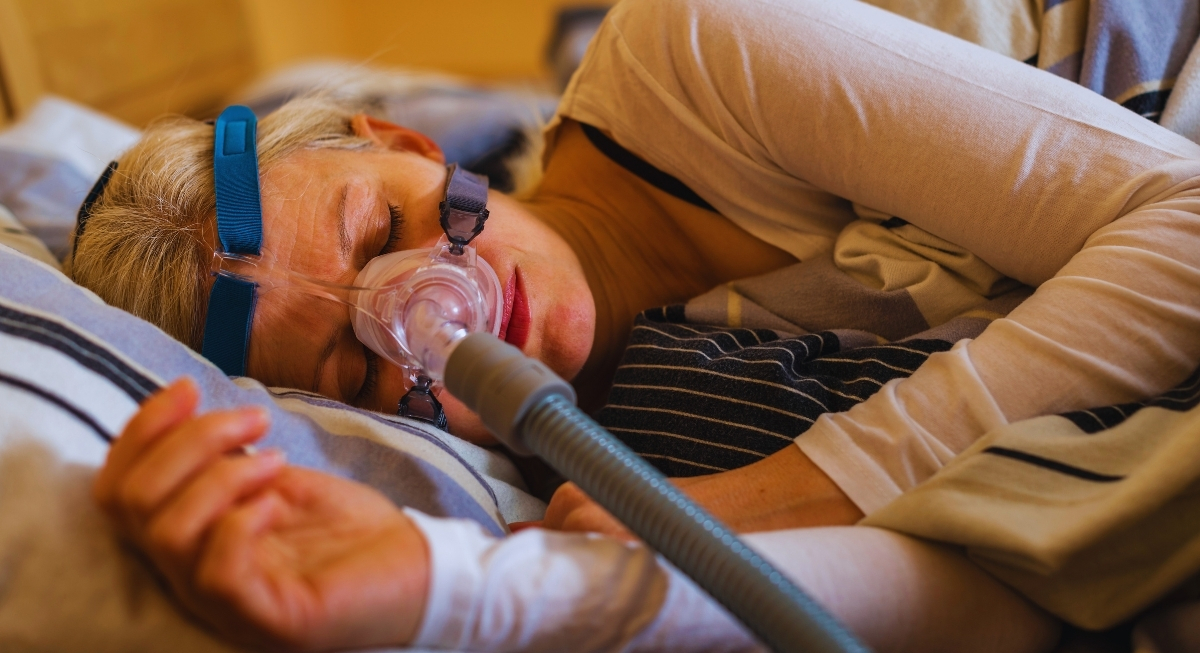
Image via Getty Images/no_limit_pictures
Retirement itself is only part of the story. Several sleep-related conditions become more common with age, including sleep apnea, restless legs syndrome, chronic pain, and REM sleep behavior disorder. Certain medications can also interfere with sleep cycles or increase daytime drowsiness.
Sleep apnea is especially common in older adults and can cause repeated nighttime awakenings, snoring, teeth grinding, and daytime fatigue. Left untreated, it may raise the risk of high blood pressure, heart disease, stroke, and diabetes. That’s why sleep specialists often encourage retirees to pay attention when poor sleep becomes a pattern instead of brushing it off as “just getting older.”