9 Weird Ways to Fall Asleep Faster
The harder you try to fall asleep, the more awake you tend to feel. That’s why some of the most effective tricks seem a little counterintuitive. Instead of forcing rest, these approaches gently distract the mind and ease the body into its usual sleep rhythm. They may look strange at first, but each one works by lowering tension and interrupting overthinking when stress keeps your brain wide open at night.
Paradoxical Intent

Credit: Canva
The fastest way to fall asleep can start with trying not to sleep at all. Staying awake on purpose removes the pressure that keeps the brain alert. Sleep specialists use this technique because anxiety around bedtime fuels insomnia. When the mind stops chasing sleep, it often slips into it without resistance.
4-7-8 Breathing
Credit: pexels
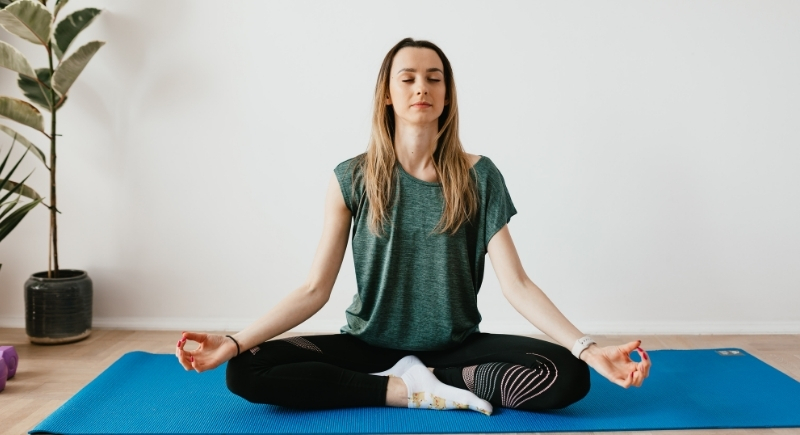
How you breathe can shift your body out of alert mode faster than you might expect. The 4-7-8 method works by slowing everything down, especially the exhale, which helps calm the heart rate and relax the nervous system. As breathing becomes steadier, tension eases, and racing thoughts soften. With regular practice, your body starts to link this rhythm with bedtime, making it easier to settle in and fall asleep.
Wearing Socks to Bed

Credit: Canva
Cold feet keep the brain on duty. Warm feet do the opposite by dilating blood vessels and helping lower core temperature. That internal temperature shift is a major sleep trigger. Research consistently shows people wearing socks fall asleep quickly because the brain interprets warm extremities as nighttime.
The Military Sleep Method

Credit: Canva
This technique was developed for situations where falling asleep quickly really matters. It starts by relaxing the face, then letting the shoulders drop so tension can drain out of the body. As the muscles soften, the stress response eases and alertness fades. Many people find it helps them drift off faster, even in loud, uncomfortable, or unfamiliar environments.
Progressive Muscle Relaxation

Credit: iStockphoto
Briefly clenching and releasing muscles sends a strong relaxation signal through the nervous system, because tension can persist in the body even when the mind feels calm. That sudden contrast reduces physical restlessness. Sleep studies show this technique improves sleep latency, especially when stress keeps muscles subconsciously tight.
The Cognitive Shuffle

Credit: Africa Images
Anxious thoughts thrive on meaning and patterns, while random mental images remove both. Visualizing unrelated objects gives the brain a harmless task that blocks worry without stimulation. This method stops the mind from ruminating and processing nonsense imagery at the same time.
Counting Backward by Threes

Credit: Getty Images
Counting backward demands focus yet lacks emotional weight. The brain stays mildly occupied while stress-driven thinking fades. This technique works because it avoids excitement and problem-solving, two things that delay sleep when the brain is tired but busy.
Eye Rolling Technique

Credit: Getty Images
Your eyes play a bigger role in sleep than most people realize. Gently rolling your closed eyes upward mimics the movements that naturally occur as you begin to drift off. That simple motion gives the brain a physical cue that it’s time to power down. Sleep specialists note that similar eye patterns often appear right before sleep, especially when the body is deeply relaxed.
Cold Pillow Flip

Credit: Canva
Cooling the head can speed sleep onset, as the body relies on temperature cues to shift into nighttime mode. Flipping a pillow exposes a cooler surface, which quickly lowers skin temperature. That small change supports the natural drop in core temperature that helps you fall asleep faster.
Banana Peel Tea
Credit: Getty Images
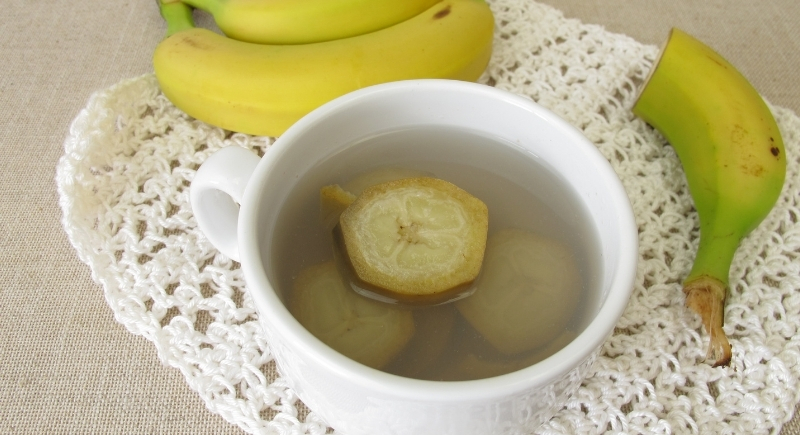
Minerals play a quiet role in sleep quality. Surprisingly, banana peels contain magnesium and potassium, both of which are tied to muscle relaxation. Boiling the peel releases these into the water. Sleep experts recommend it for people who feel physically wired at night, especially when several factors interfere with rest.