Why Gen X Parents Keep Underestimating Their Own Kids’ Emotional Range
Most Gen X parents genuinely believe they have a solid handle on how their kids are doing. They are more present and communicative than their own parents were, yet a quiet disconnect persists in many households.
A child might seem perfectly fine while eating dinner or doing homework, and the parent assumes everything is coasting along smoothly. However, beneath that calm surface, the child is often navigating a much more complex emotional landscape than the adults in the room realize.
The Built-In Positivity Bias

Image via Getty Images/digitalskillet
Parents are often naturally inclined to see the glass as half full when it comes to their children. Research involving hundreds of families has shown a consistent trend: parents almost always rate their children as more optimistic and less worried than the children rate themselves.
Psychologists call this a positivity bias. This bias creates a blind spot in which the parent views school pressures or social anxieties as minor hurdles, even when they feel like mountains to the child.
Growing Up Without Emotional Translation

Image via Canva/Africa images
This gap in understanding often stems from the way Gen X was raised. Many grew up in the “latchkey” era, where independence was the ultimate goal and feelings were something you dealt with on your own.
In those homes, if you weren’t crying or causing trouble, you were considered “fine.” That upbringing built a lot of grit, but it didn’t provide a manual for decoding subtle emotional signals.
Today, even though Gen X parents have worked hard to be more open and supportive than their own parents were, they often still use behavior as their primary metric. If a kid isn’t acting out, the parent assumes the internal weather is clear.
Emotional Intelligence With a Ceiling

Image via Getty Images/RgStudio
There is an interesting irony in modern parenting. While Gen X has embraced the idea of “emotional intelligence,” there is often a ceiling on how it’s applied. Kids today are growing up in a world where they are taught to identify and label very specific feelings from a young age.
They might be feeling a mix of inadequacy, fear of missing out (FOMO), and genuine fatigue. Meanwhile, a parent might look at that same child and summarize their state as just being “tired” or “cranky.” This simplification misses the nuance of the child’s experience, leaving the kid feeling like their parents are only seeing the tip of the iceberg.
When Keeping the Peace Becomes the Goal
Many Gen X parents worked hard to create calmer homes than the ones they grew up in. That often means avoiding unnecessary conflict, staying approachable, and trying to keep communication open.
But sometimes that instinct leads parents to rush toward reassurance or compromise before fully sitting with what their child is trying to say. A difficult conversation is softened too quickly, and the child walks away feeling heard on the surface but not fully understood.
The Role of the Parents’ Own Emotions
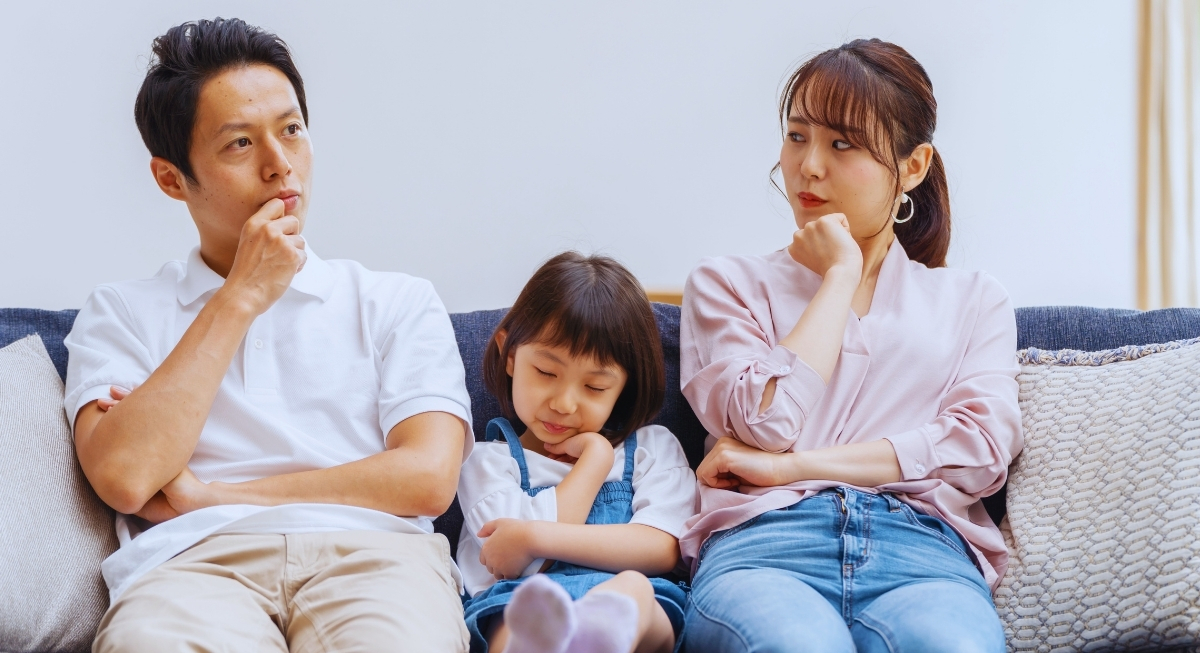
Image via Getty Images/itakayuki
We also can’t ignore how a parent’s own mental state colors their view. If a parent prides themselves on being a “problem solver” or an optimist, they subconsciously project that onto their kids.
They want their children to be as resilient as they think they are. Because of this, they might filter out the signs of a child’s struggle to maintain their own sense of stability. It’s a defense mechanism that keeps the house feeling steady, but it can leave the child feeling like they have to hide their “messier” emotions to keep the status quo.
Why Kids End Up Feeling Misread
At the end of the day, this isn’t about a lack of love. It’s about a mismatch in how two different generations perceive the world.
Kids today are processing a massive amount of information and social pressure, leading to a wide emotional range that doesn’t always translate into obvious behavior. When parents rely on their old filters, they miss the reality of their child’s internal life.