10 Things Gen X Kids Handled on Their Own That Would Terrify Modern Parents
Gen X’s childhood didn’t come with constant check-ins or safety nets, and that’s exactly why it worked. Independence was baked into everyday life from the start. These resilient routines built confidence and problem-solving skills that stuck for decades.
Getting Home From School Alone
Credit: Canva
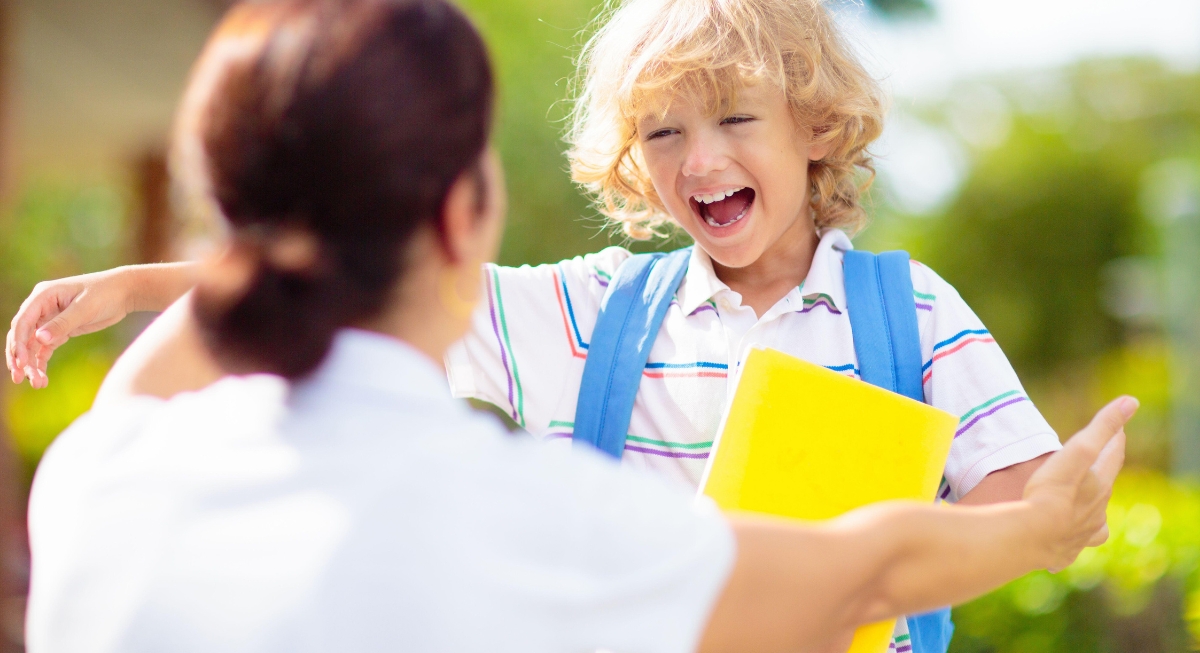
The final bell rang, and that was the signal to figure it out. Kids walked or biked home using the same routes daily, but they also learned to adapt when something unexpected popped up. A blocked sidewalk or a sudden rainstorm meant making quick decisions without calling for help. The independence trained them to trust their instincts from an early age.
Managing Their Own Boredom
Credit: Getty Images
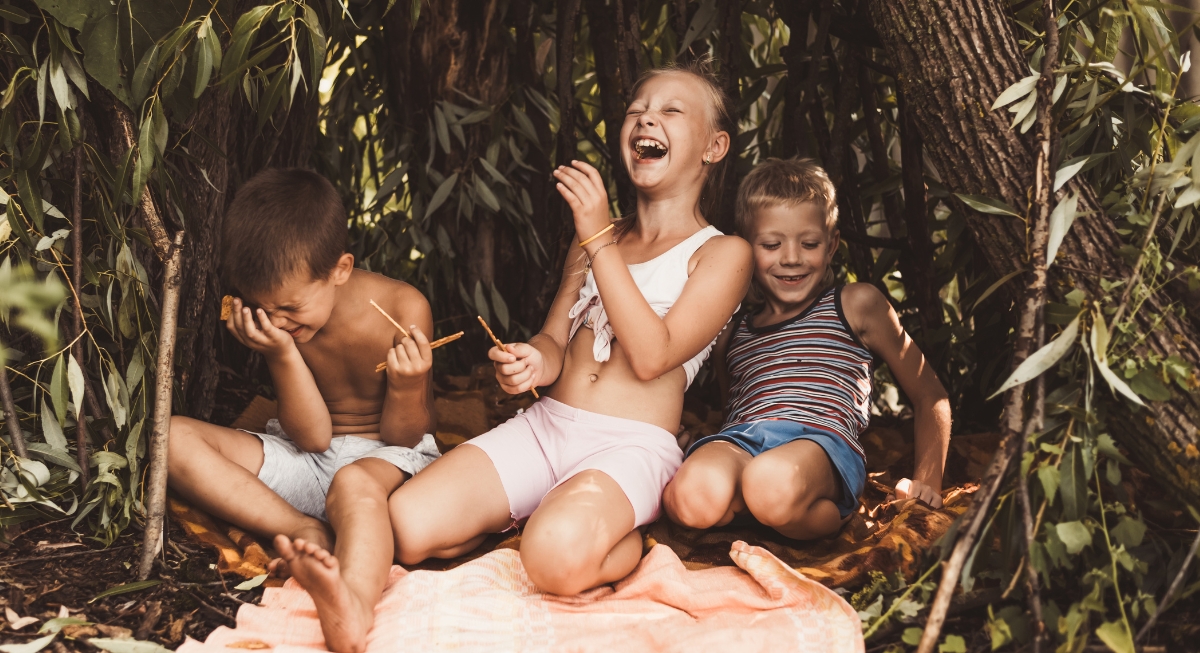
Without endless entertainment options, children built their own fun from scratch. Organizing a neighborhood game or inventing something completely random were the norm. Gen X spent hours outdoors and even turned garages into makeshift hangouts.
Packing Their Own Lunches
Credit: Canva
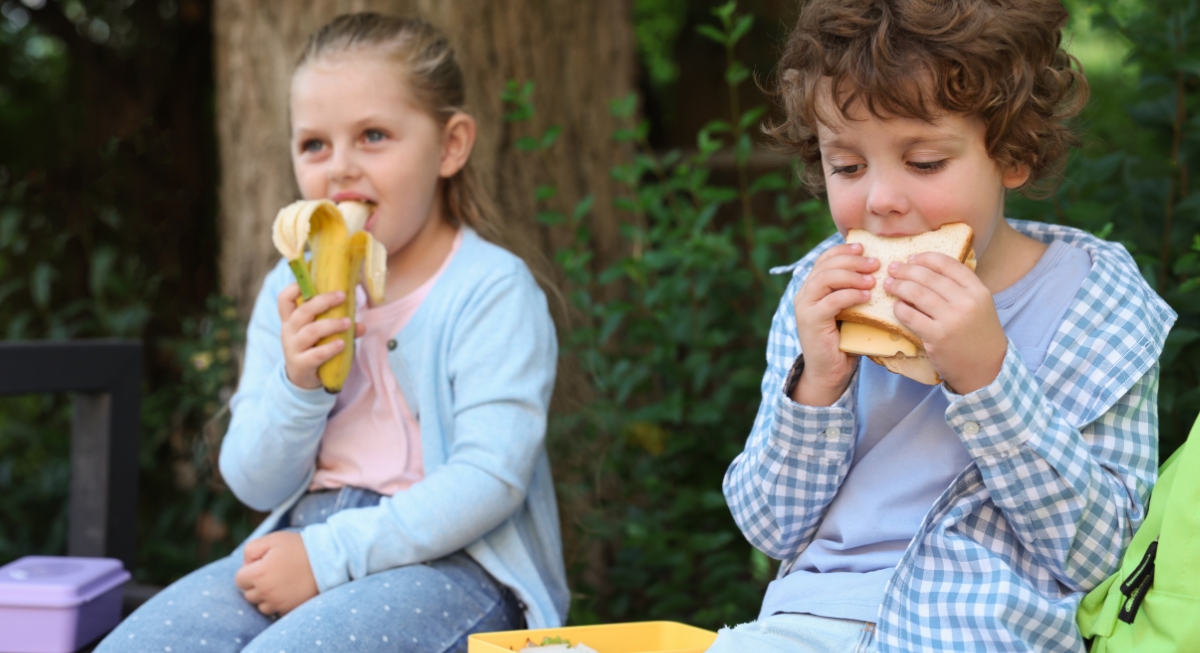
Mornings had consequences; lunch was one of them. If a child forgot to pack it, there was no last-minute rescue waiting at school. Sandwiches, snacks, and drinks were handled before heading out the door, and mistakes usually meant going hungry or trading with friends.
Waking Up And Getting Ready

Credit: Canva
Alarm clocks were non-negotiable. Kids handled their own wake-up routines, including picking out clothes and making sure they had everything for school before leaving. Missing the bus almost always meant you had to come up with a backup plan on your own.
Babysitting Siblings
Credit: pexels
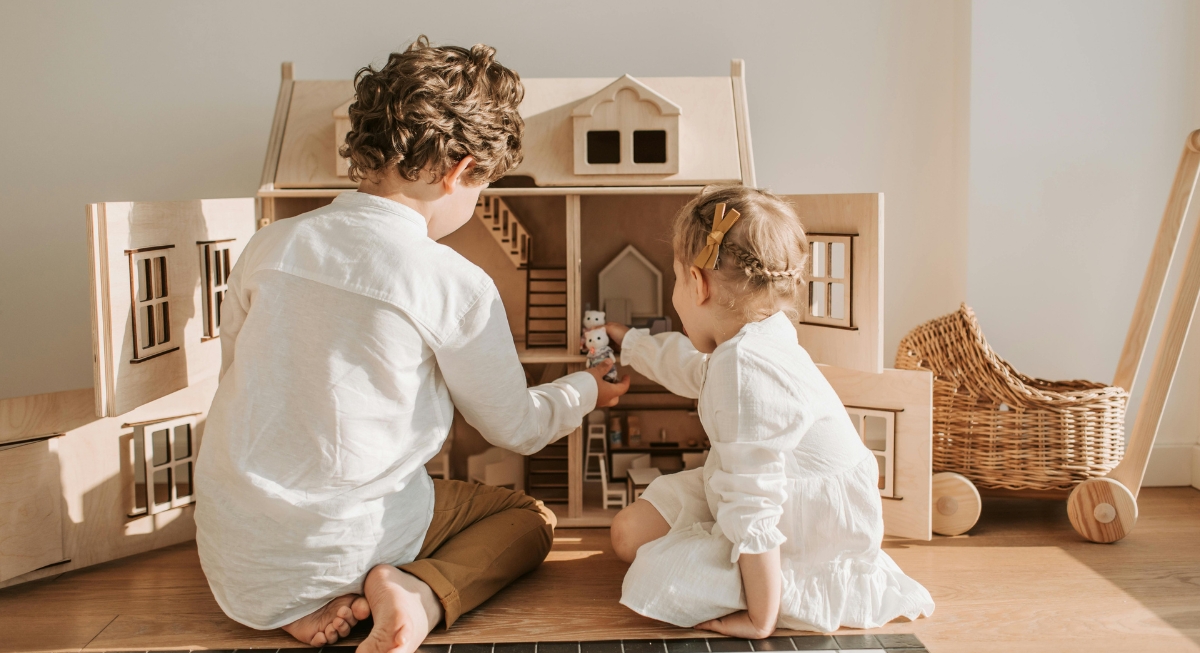
In households with siblings, older children were expected to step in. Watching younger siblings meant preparing simple meals, keeping things under control, and solving problems without running to an adult. It required real decision-making.
Solving Their Own Problems
Credit: Canva
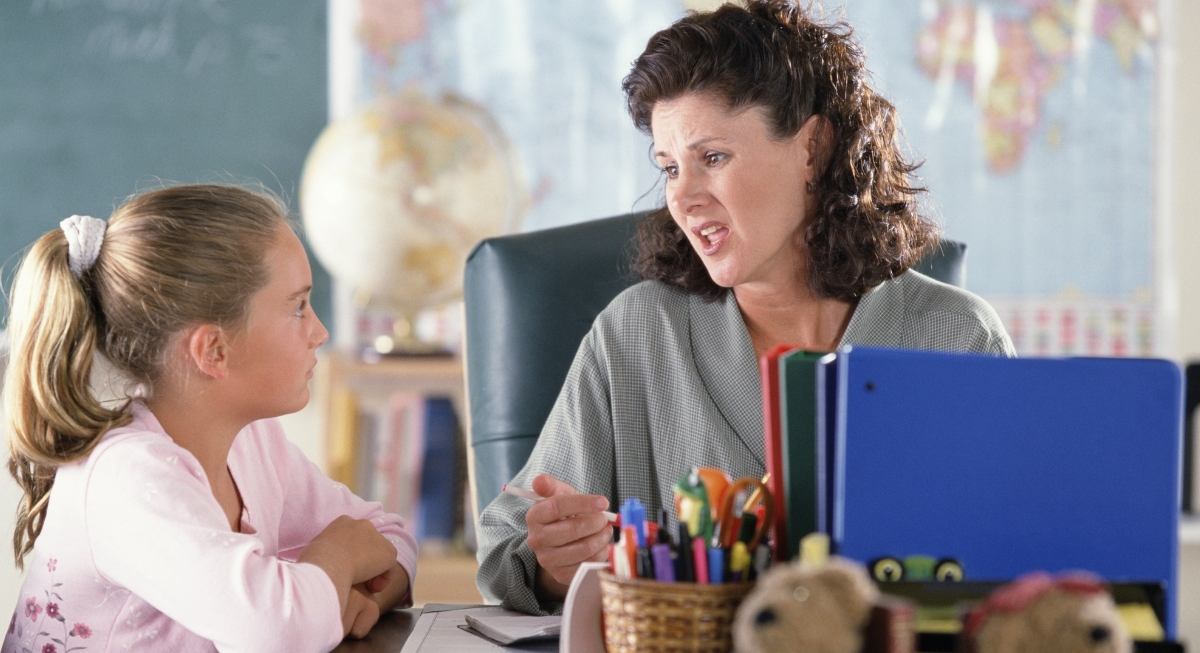
Disagreements did not arise in group chats or during parental mediation, so children handled conflicts face-to-face. That could mean settling an argument on the playground or talking directly to a teacher. Mistakes played out in real time, and fixing them was part of the process.
Self-Soothing Emotions
Credit: pexels
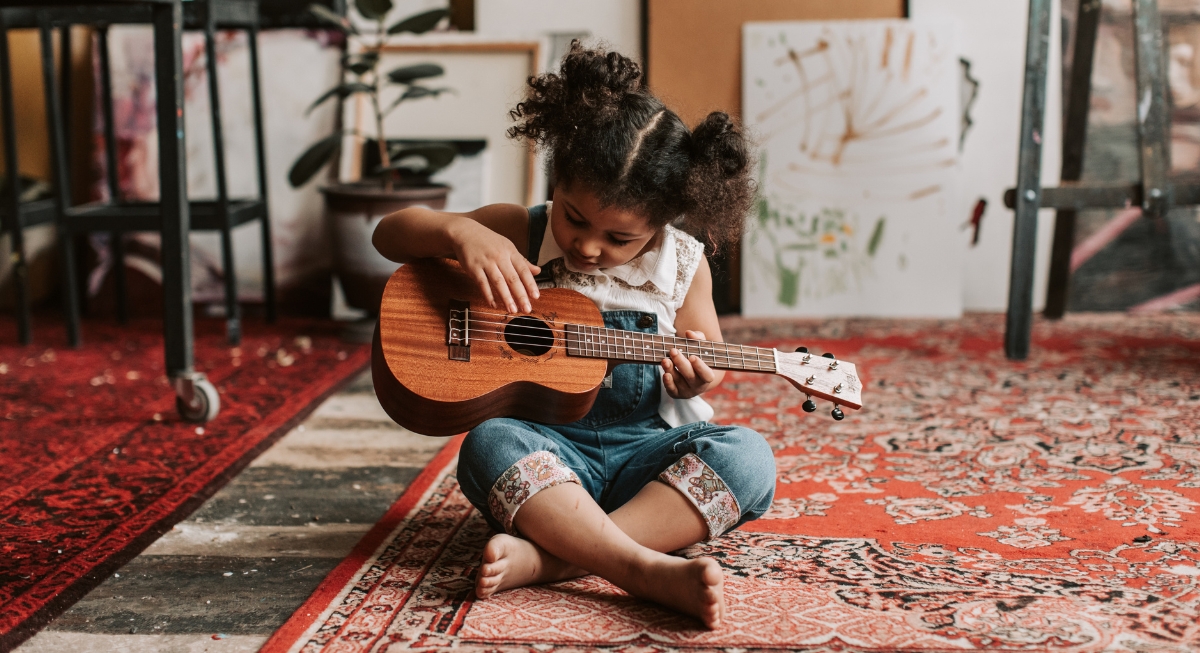
Emotional ups and downs were part of the day, and children often dealt with them on their own. Being home alone meant figuring out how to calm down after a bad day without immediate support. Music, hobbies, or simply time were used to manage feelings. It created emotional resilience, even if it came with a learning curve.
Playing Outside Without Supervision
Credit: Getty Images
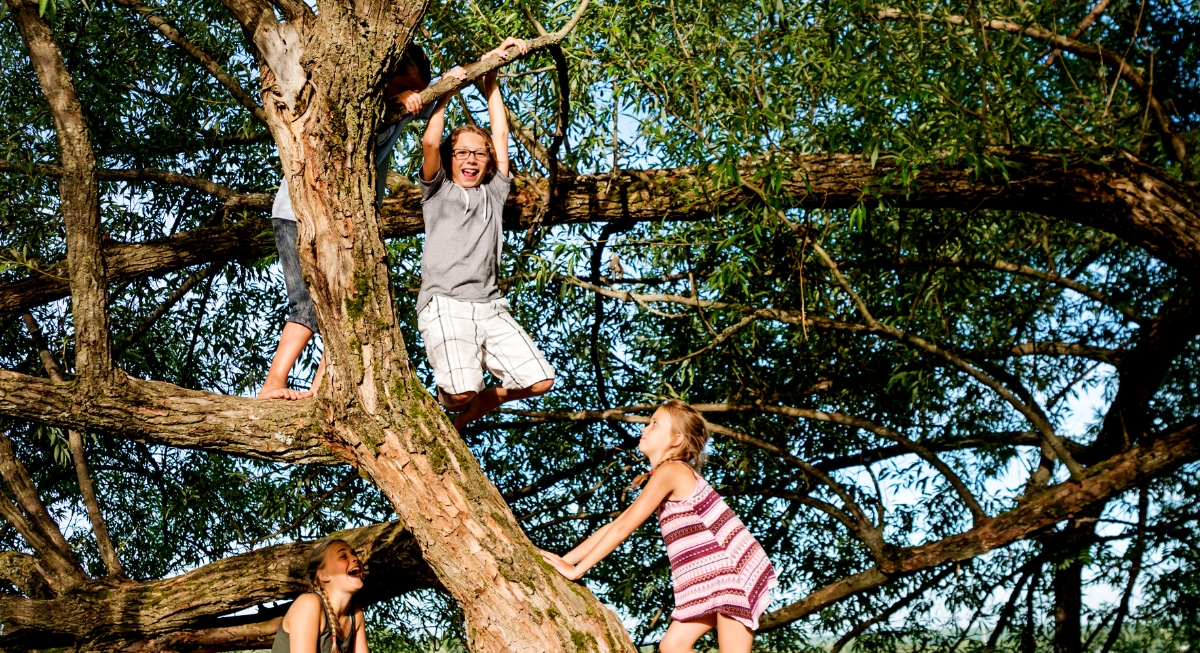
Streetlights were the only real deadline. Children spent hours outside riding bikes, climbing trees, and exploring neighborhoods without adults watching every move. Scrapes and bruises happened, and they were treated as part of the experience rather than something to avoid entirely.
Being Unreachable For Hours

Credit: Getty Images
Once the front door closed behind them, the kids were completely on their own until they came back. There were no phones for quick check-ins and no tracking apps. Parents relied on trust and curfews, and breaking that trust had real consequences. The setup forced children to manage their time and decisions carefully because no one was monitoring them in real time.
Learning Through Trial And Error
Credit: Getty Images
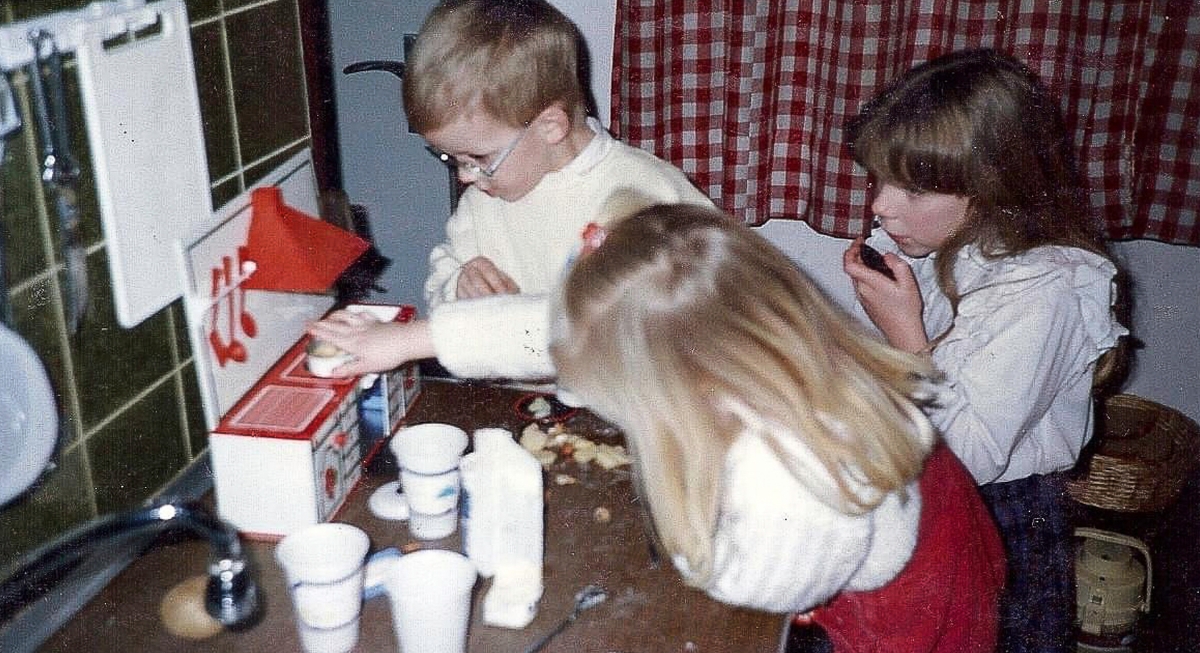
Figuring things out meant actually trying, failing, and trying again. There were no step-by-step guides waiting online. Mistakes were part of the process, and success came from persistence. The hands-on learning style fostered a mindset in which challenges felt like puzzles to solve.