
Three detox mistakes I keep seeing, plus the low-tech swaps that stopped my 2 a.m. ceiling-stare spiral.
Going cold turkey can make your phone harder to ignore
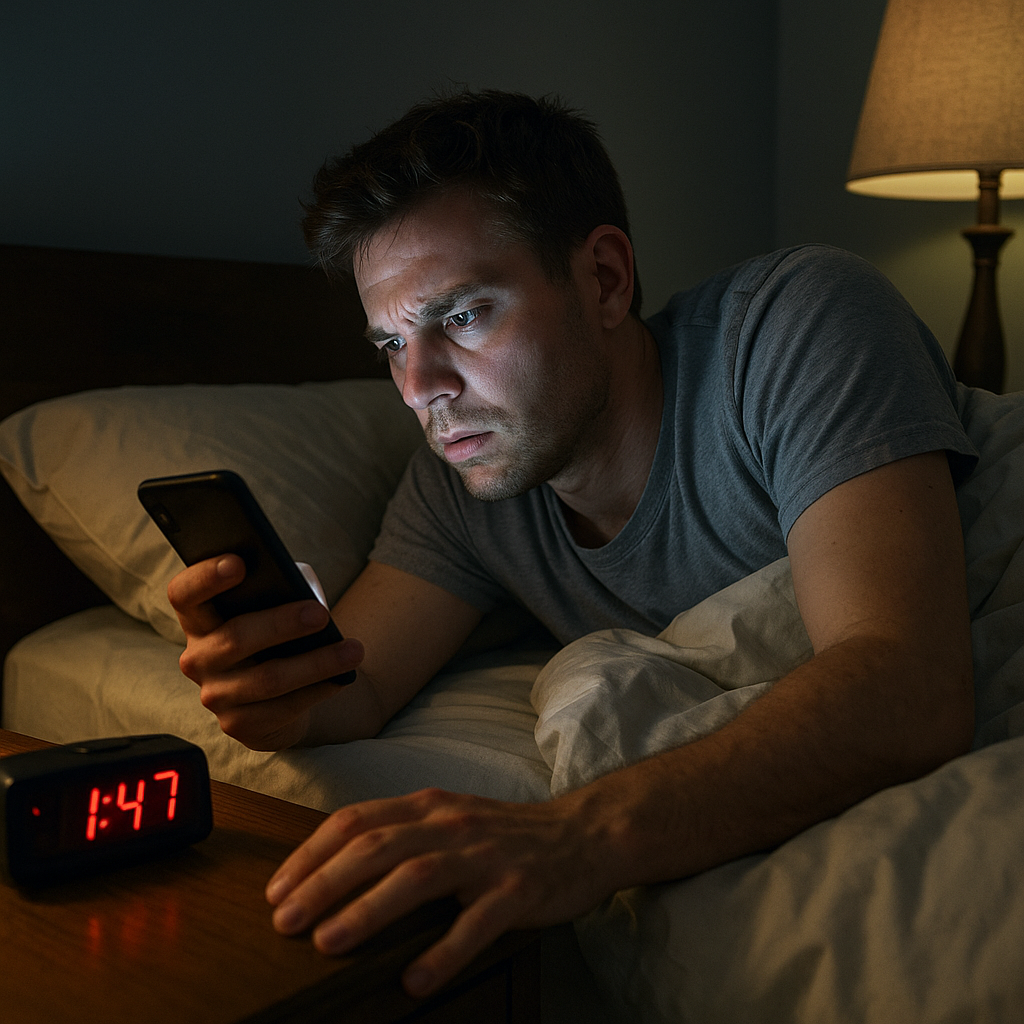
I learned this the dumb way: I did a strict, heroic phone cut-off for a week because I was convinced screens were the single reason I was waking up. Night one felt virtuous. Night three, I was wide awake at 1:47 a.m. with my heart doing that busy little flutter and my hand reaching for the nightstand like it had its own agenda. When I finally grabbed the phone, I didn't do a calm check of the weather. I inhaled Reddit and texts like I'd been underwater. Then I got the worst combination for getting back to sleep: screen light plus stimulating content, and I was up for another hour.
What was happening wasn't mysterious. I hadn't just removed blue light; I'd removed my default downshift. If checking your phone has become part of your nightly routine, suddenly removing it may leave you strongly tempted to reach for it. Research on short-term smartphone abstinence has found increased craving, although that study did not examine sleep.
The fix that helped my sleep was boring but reliable: I stopped doing a cliff drop and started tapering with rules specific enough to follow. I keep my phone out of the bedroom, but I don't try to white-knuckle the hours before bed.
- 60 minutes before lights-out: no algorithm feeds. That means no TikTok, Reels, YouTube Home, or endless scroll news. If I pick up the phone, it's for one targeted thing (set an alarm, check tomorrow's calendar, reply to a direct text).
- 30 minutes before lights-out: the phone goes on a charger outside the room. If I "need" something, I write it on an index card. Half the time, it was never urgent.
It sounds small, but it changes the middle-of-the-night pattern. The rebound urge still shows up sometimes, but it's quieter, and it doesn't come with the feeling that I'm missing a whole world in my pocket.
A screen-free bedroom can expose other sleep distractions
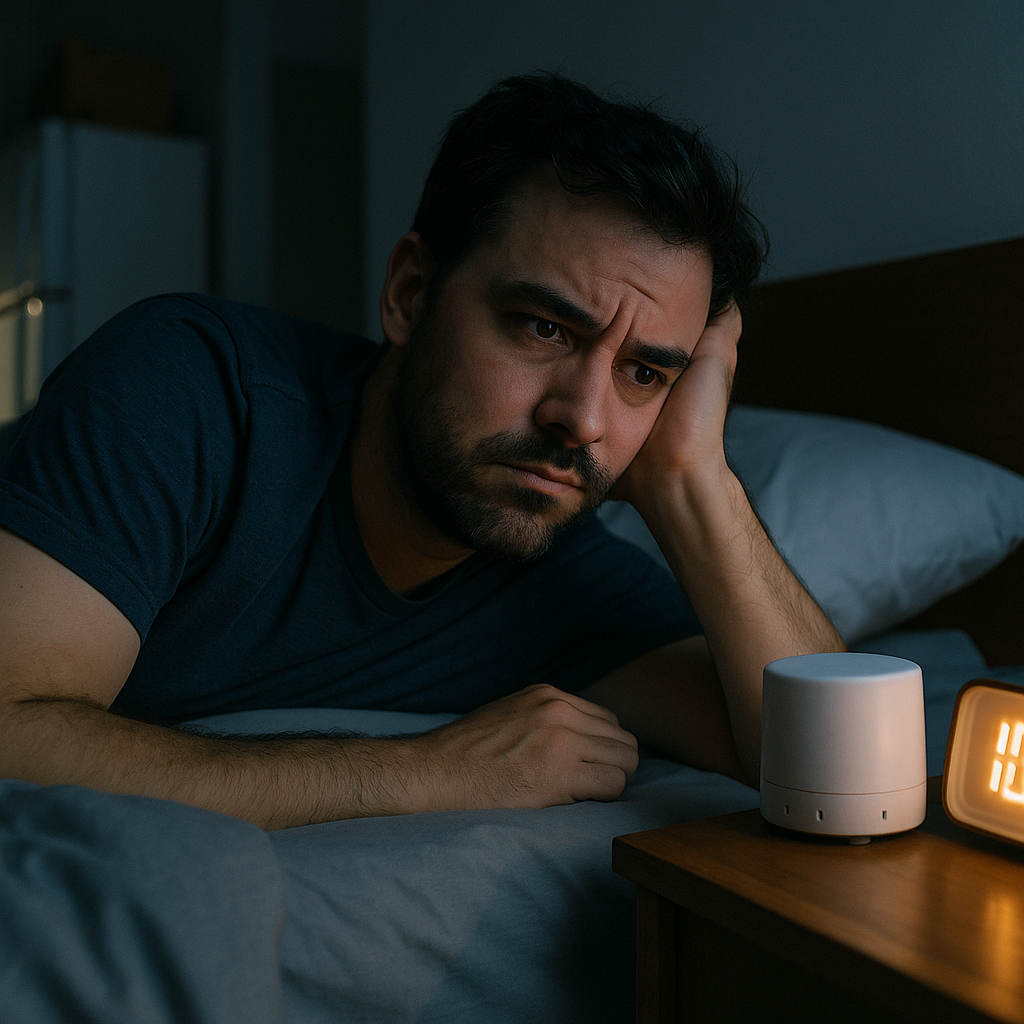
People talk about quitting screens as if it were subtraction. In my house, removing the phone made other nighttime distractions much more noticeable. The phone wasn't only "entertainment". It was covering up a room that, at night, had a lot going on: a fridge kick-on that sounded louder at 2 a.m., a partner's breathing changing, the little click of the HVAC, my own anxious inventory of tomorrow.
When I did a hard cut, I didn't magically become someone who meditates. I became someone who listened to every tiny sound and then started narrating it. That's the part nobody puts on the motivational posters: you can remove your screens and still be wired, and now you don't have your usual distraction. If you were using your phone as a mask for light anxiety, the anxiety doesn't politely leave with the phone.
I found it easier to settle down when I replaced distracting phone use with a steady background sound and kept the room otherwise dark. Two practical swaps mattered for me:
- Dedicated white noise, not a streaming app. I used a simple white-noise machine (mine has a physical dial, no Bluetooth, and no notifications). I keep it on a steady setting, so I don't start evaluating which soundscape is the most relaxing. The goal is boring consistency, not a spa audition.
- A real alarm clock. Once I stopped using my phone as an alarm, I stopped bargaining with myself about keeping it nearby. I went with a basic clock with big digits and a dimmer. If you're sensitive to light, pick one you can dim without having to cover it with a sock, like a campsite hack.
The first morning I woke up without having checked anything overnight, I felt almost suspicious, like I'd forgotten an obligation. By day four, the quiet in my bedroom felt like it belonged there, not like it was waiting for me to fill it with a feed.
If you replace scrolling with chores, don't expect to fall asleep
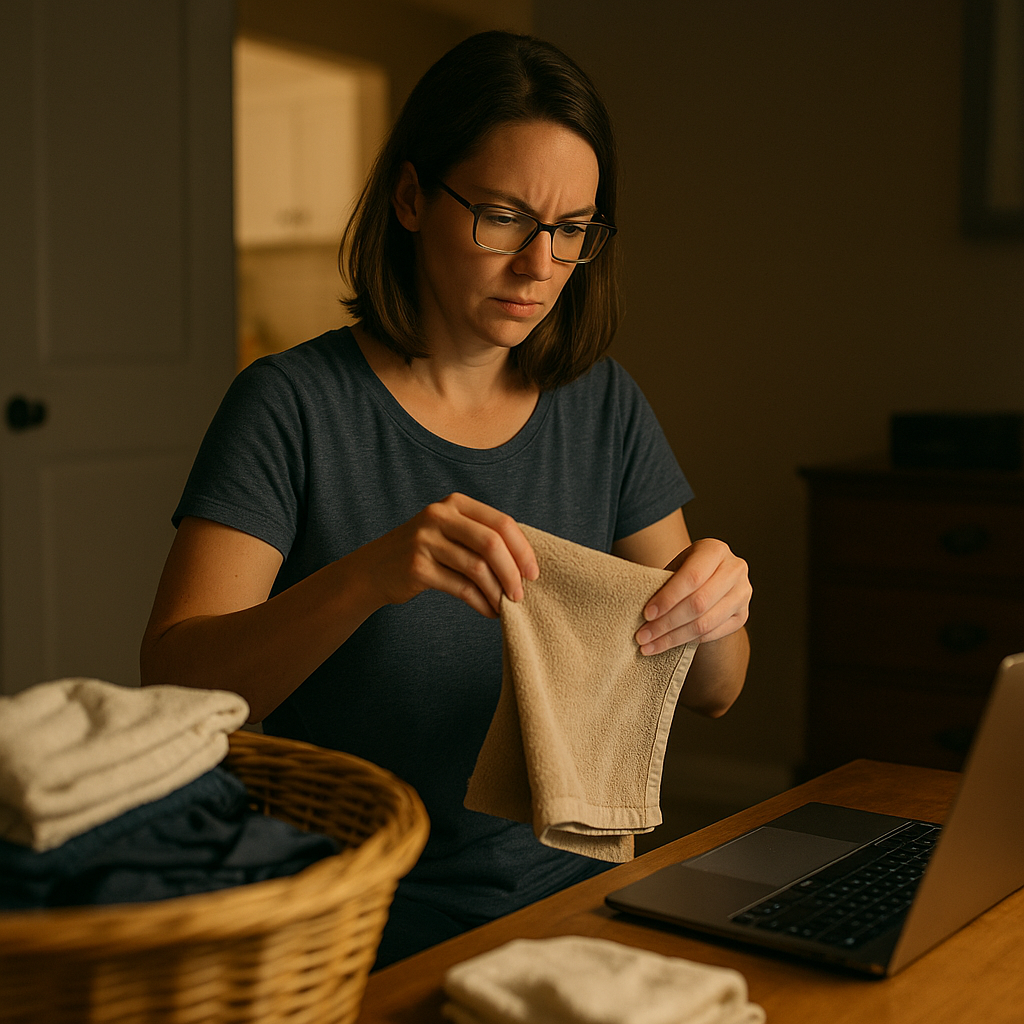
My least sleepy week of good habits happened when I replaced nighttime scrolling with aggressive productivity. No phone after dinner. Great. Except I filled the gap with folding laundry like I was training for a competition, reorganizing a kitchen drawer, and sending one last round of emails from my laptop because, technically, I wasn't on my phone. I went to bed feeling accomplished and completely alert.
I found that replacing scrolling with chores and other mentally engaging activities could leave me feeling just as alert. Even reading can do it if it's the wrong kind of reading. A suspense novel can keep me turning pages long after I meant to stop; I will absolutely keep turning pages and then blame insomnia.
What finally improved my sleep was giving my nights a short, repeatable routine that is not self-improvement cosplay. I want it to be slightly dull, in the best way. This is the version that stuck for me:
- Kitchen close in 10 minutes. I set a timer and do only the actions that make tomorrow easier (load the dishwasher, wipe the counters). When the timer goes off, I stop even if the pan isn't perfect.
- One page of paper planning. Not a productivity app. I use a cheap notepad and write three bullet points for tomorrow, then I physically leave it in the kitchen. The point is to get tomorrow's tasks out of my head before bed.
- Analog wind-down that uses my hands. Crossword book, simple knitting, or a paperback that's not plotty. If my eyes keep scanning like I'm searching for the next thing, I switch to stretching on the floor for five minutes instead.
On nights when I'm tempted to declare the whole experiment a failure, I remind myself that the goal isn't to punish myself by cutting out screens. It's to make sleeping easier. When I keep the evening calm instead of filling it with more tasks, I tend to wake up less and find it easier to fall back asleep without reaching for my phone.