What Happened When Tupperware Parties Were the Ultimate Social Event for Moms
Tupperware entered the market in 1946, created by Earl Tupper, who developed a flexible plastic using an industrial byproduct. The containers sealed tightly, but only after releasing trapped air, a step many shoppers didn’t grasp. Early retail sales stalled because people saw oily textures, odd lids, and a confusing product. This confusion was what changed everything because the product only needed a demonstration.
The Party That Sold More Than Plastic
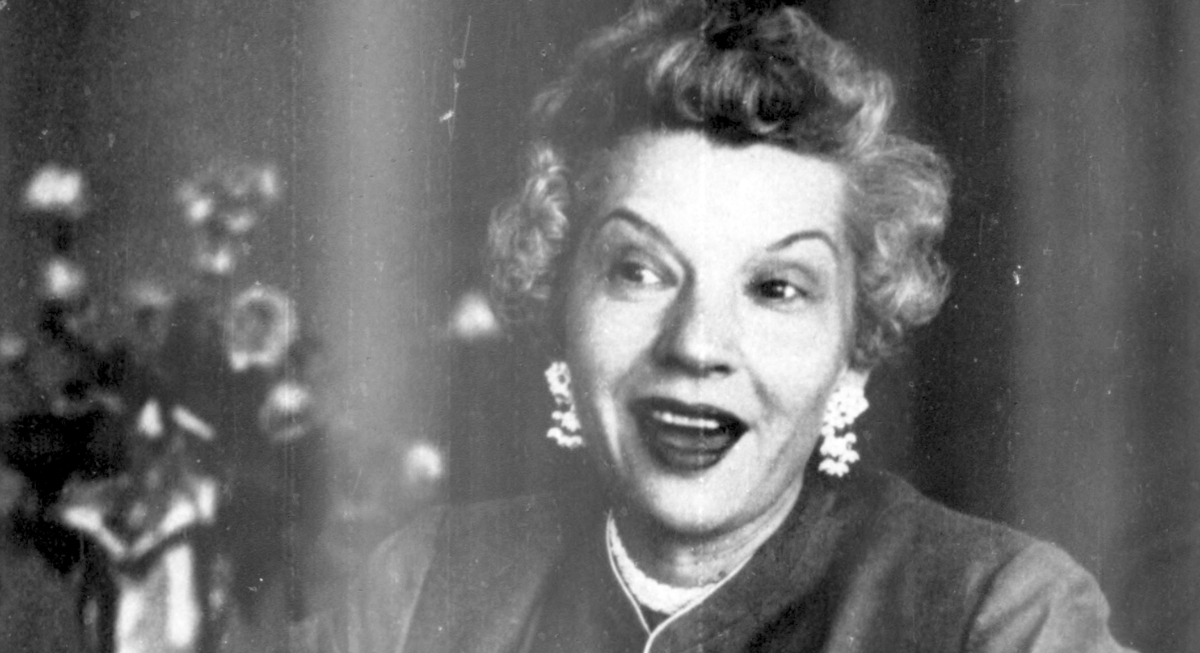
Image via Wikimedia Commons/Unknown author
The solution came through a model already gaining traction in the late 1940s. Home parties allowed women to gather, watch demonstrations, and buy products in a relaxed setting. Brownie Wise, a former saleswoman, saw how well this worked and applied it to Tupperware.
By 1951, she was leading sales for the company, training thousands of women to host and sell. These gatherings combined entertainment with education. A bowl tossed across a room proved durability, and a quick “burp” of the lid explained the seal. Each event also fed the next. Hosts often signed up to run their own parties.
Why Moms Showed Up in Numbers

Image via iStockphoto/JackF
After World War II, many women who had worked during the war were expected to stay home. Suburban communities grew, families expanded, and daily routines revolved around the household. Tupperware parties fit directly into that structure. They offered a reason to gather, a chance to connect, and a way to step outside daily responsibilities without leaving home. At the same time, they opened a path to income.
Women earned commissions on sales, and some built serious businesses. By the mid-1950s, top performers received rewards like appliances, jewelry, and even trips to Europe. Brownie Wise herself became a public face of that success, appearing on the cover of BusinessWeek in 1954.
Friendship Became a Sales Engine
Sales grew through relationships. Friends invited friends, neighbors invited neighbors, and this approach turned social circles into distribution channels.
By the 1990s, about 90 percent of households in the United States owned at least one Tupperware product. It also changed how business looked for many women. Instead of formal workplaces, income could be earned in living rooms, through conversations, and with trust.
The Opportunity and the Limits

Image via Pexels/Karola G
The model created a real financial impact. Some women used their earnings to support families, fund education, or cover household expenses, even when access to credit was limited. Before 1974, many married women in the United States couldn’t even apply for a credit card in their own name, which made independent income especially valuable.
At the same time, the structure kept business tied to the home. Sales occurred in domestic spaces and relied on existing social roles. The balance created debate. Some saw progress in earning ability, while others saw reinforcement of the same expectations women were already navigating.
The Rise, Fallout, And Switch
The system scaled globally, reaching Europe, Asia, and Latin America. The first UK party took place in 1960, and similar models appeared in other industries over time.
Behind the scenes, tensions surfaced early. Brownie Wise, who played a major role in building the sales network, was pushed out of the company in 1958 after disagreements with Earl Tupper. She received no stock, despite helping drive its growth.
The business continued to expand for decades, but cracks began to appear later. Products lasted for years, which reduced repeat purchases. Competitors introduced cheaper alternatives, and by September 2024, Tupperware filed for bankruptcy after years of declining sales.
The business model evolved. Brands across cosmetics, fashion, and other industries adopted similar strategies to build businesses through direct selling and social networks.