10 Ways Weddings Have Completely Changed Since Your Parents Got Married
Weddings used to follow a familiar schedule. Traditions guided nearly every decision, and guests knew what to expect before the invitation even arrived. That sense of predictability has gone. Today’s celebrations center on personal choices, changing lifestyles, and new technology. It feels more flexible and often more aligned with the couple rather than tradition alone.
Longer Engagements And More Planning Time
Credit: Getty Images
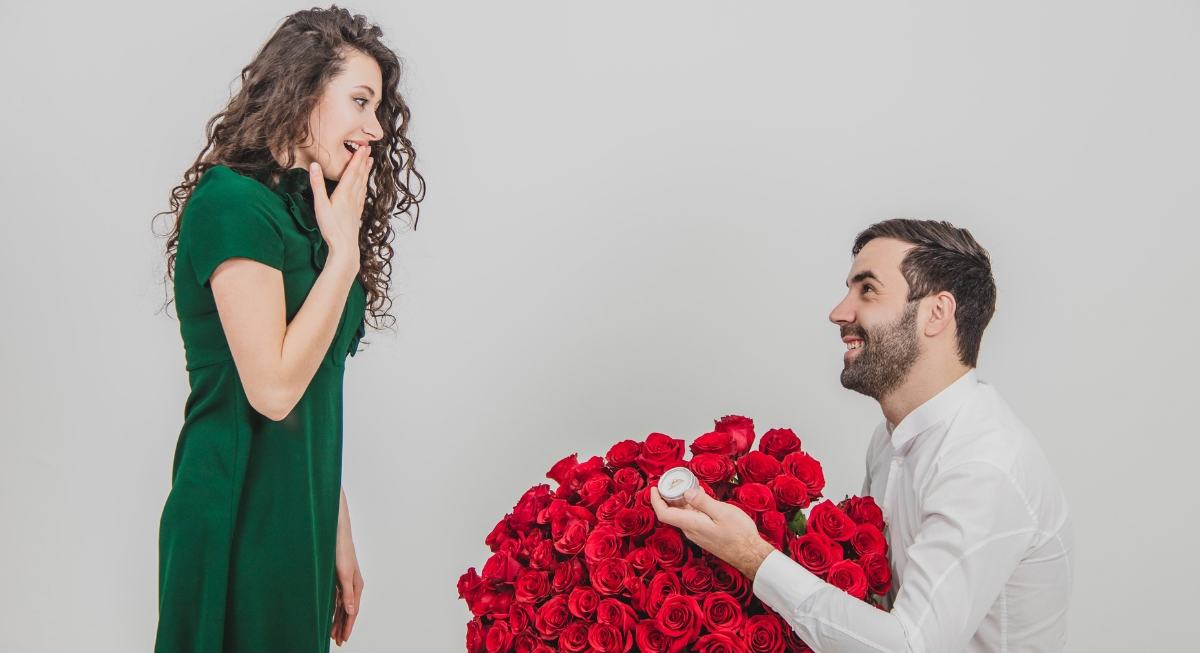
Not long ago, a proposal often led to a wedding within a few months. The timeline made sense when couples married younger and planning options were limited. Today, engagements frequently last a year or more. Couples compare vendors carefully and even adjust plans midway, something that would have been difficult with shorter timelines in earlier decades.
Couples Share The Financial Responsibility

Credit: pixelshot
The expectation that the bride’s family pays for the entire wedding has softened. Modern couples frequently contribute a significant portion of the budget, especially as many marry later and have established careers. This also often leads to greater control over decisions.
Guest Lists Have Become More Selective
Credit: Wikimedia Commons
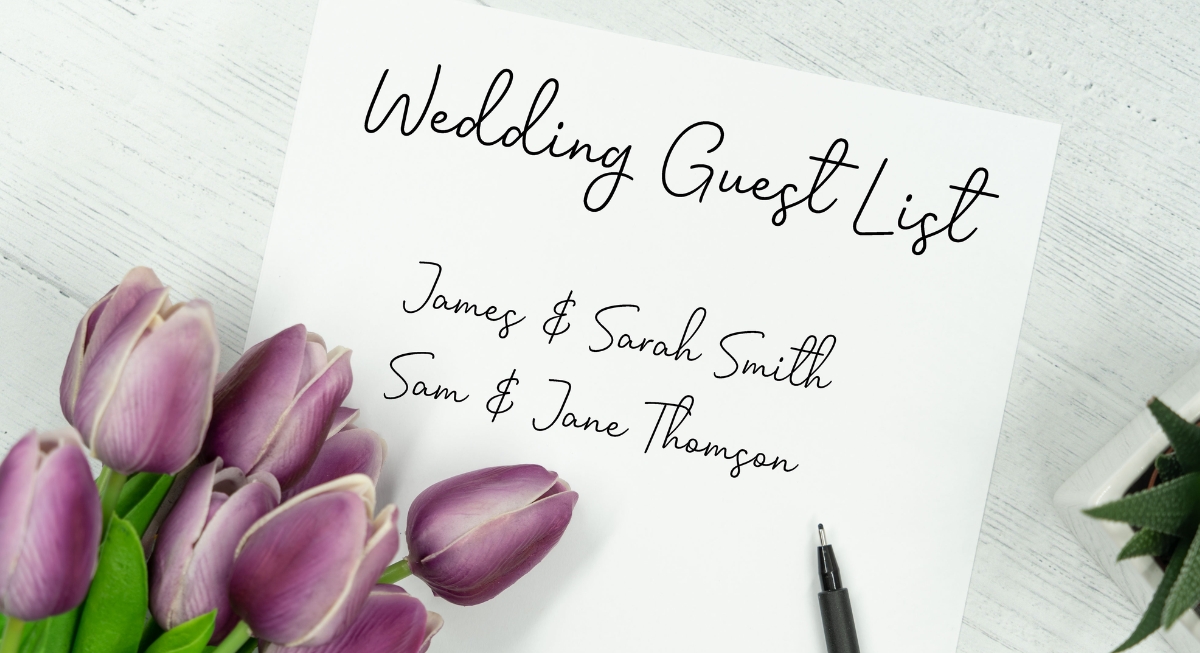
Older wedding albums often show packed reception halls filled with distant relatives and family friends. Modern couples trim their guest list to focus on people they see regularly or feel close to. A smaller group makes conversations last longer, and the event takes on a more personal tone overall.
Weddings No Longer Stick To One Location
Credit: Canva
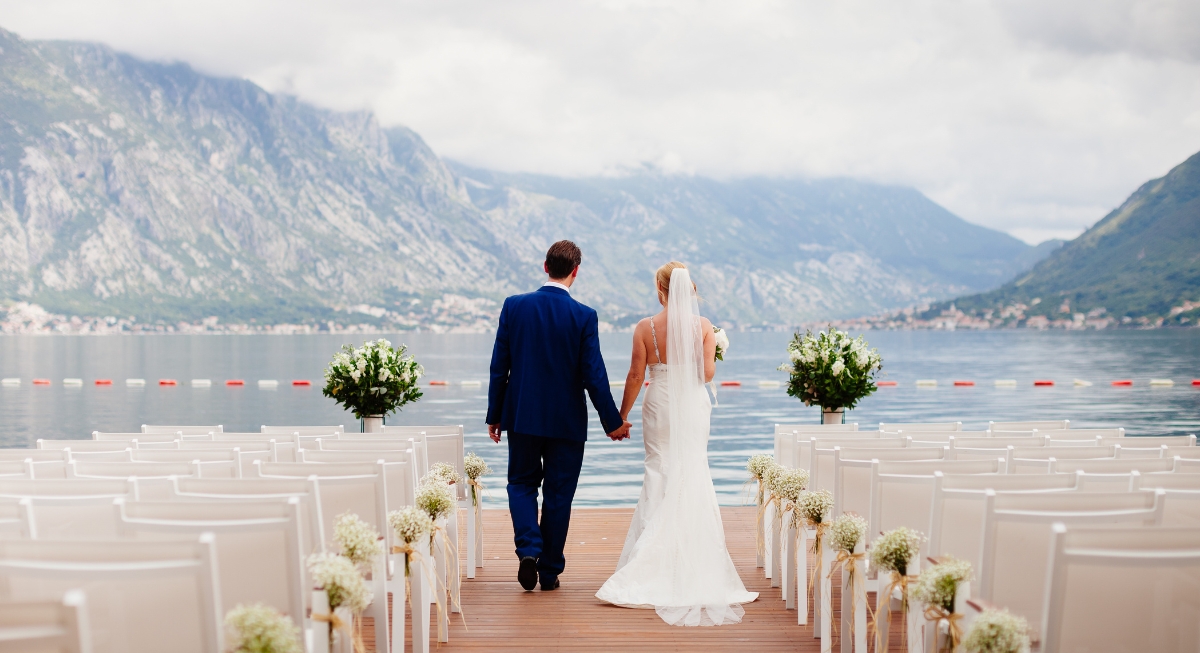
Earlier generations married close to home, usually in a church or local venue tied to family tradition. Today, destination weddings are widely accepted and increasingly common. Couples choose locations based on personal significance or scenery. This has turned weddings into multi-day experiences, with guests sometimes planning entire trips around the celebration.
Ceremony Locations Have Expanded Beyond Tradition
Credit: pexels
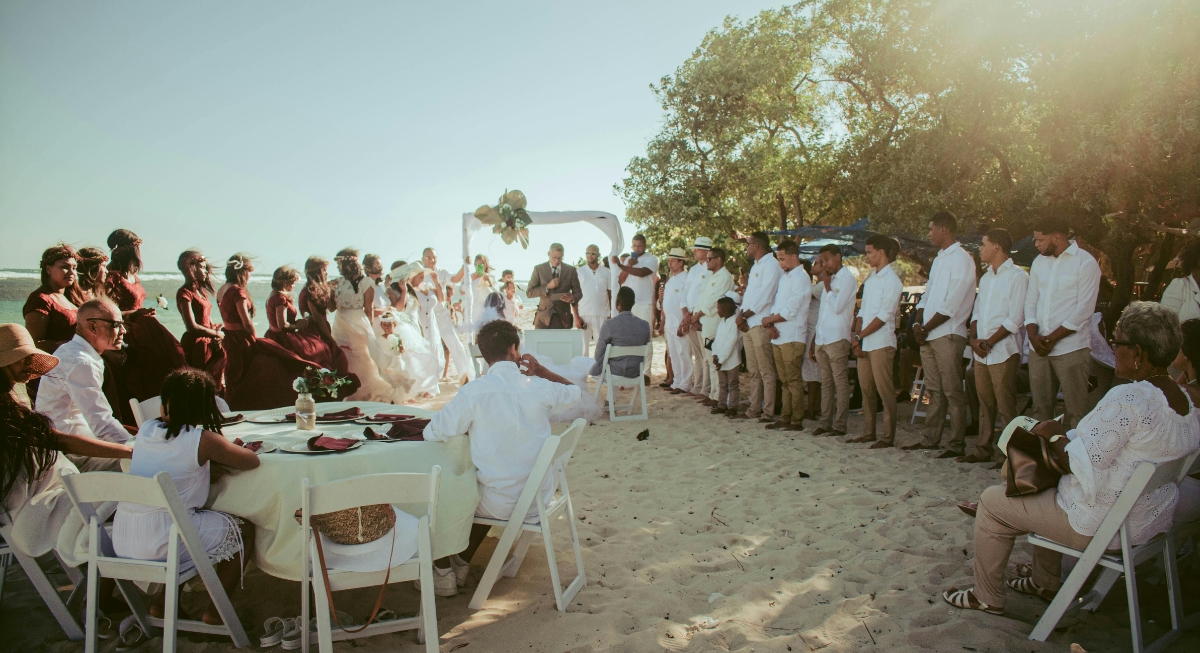
Religious venues dominated wedding ceremonies. That’s no longer the default. Outdoor spaces, industrial venues, museums, and private estates now host a large share of ceremonies. Couples often choose locations that reflect their personalities or aesthetic preferences.
Personalized Vows Have Replaced Standard Scripts
Credit: Getty Images
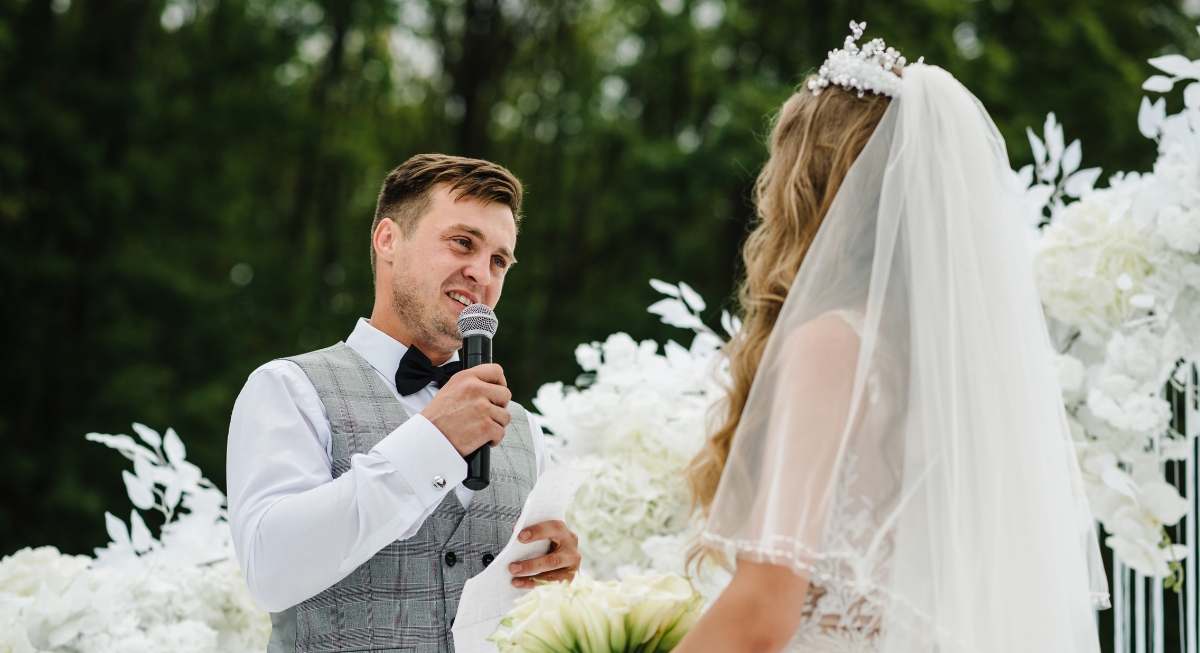
Traditional vows still appear at many ceremonies, though more couples now write their own. Personalized vows often include shared memories, inside jokes, or promises that reflect the relationship. Guests tend to respond strongly to these moments since they feel less formal and more intimate.
Social Media Plays A Major Role In Planning And Sharing
Credit: Wikimedia Commons
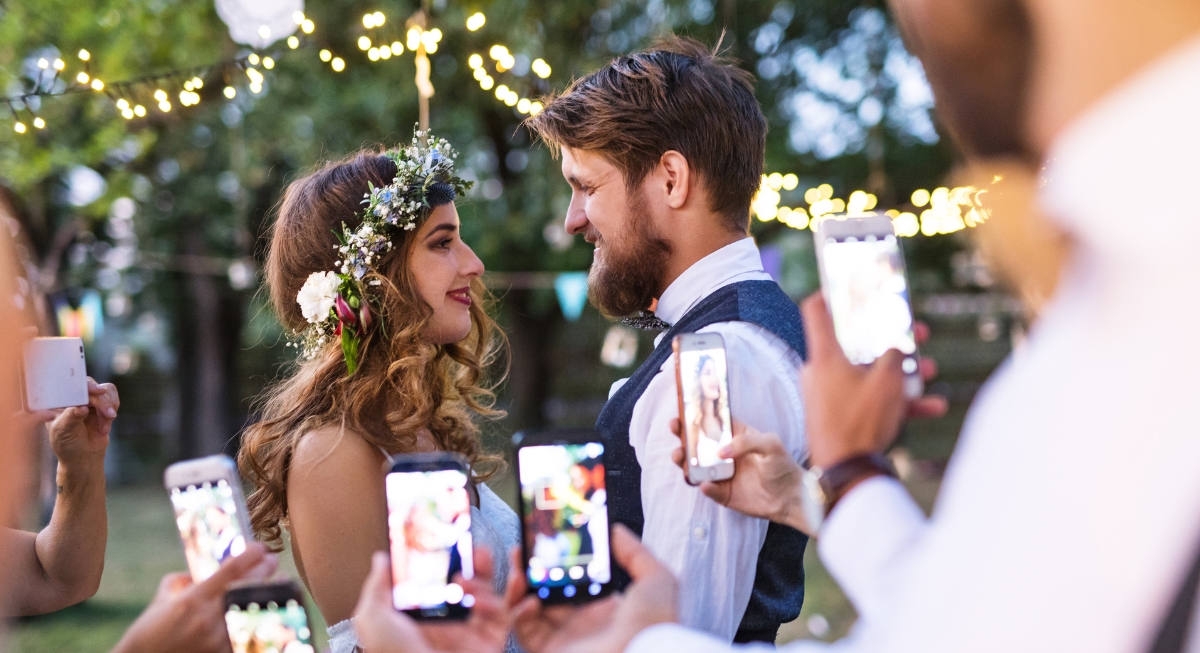
Weddings now live both offline and online. Couples research vendors through platforms like Instagram and create custom hashtags. Guests often contribute photos throughout the event. A single wedding can generate hundreds of perspectives within hours. This digital layer didn’t exist for earlier generations, where professional photographers captured nearly all documented memories.
Reception Food Has Become More Creative
Credit: pexels
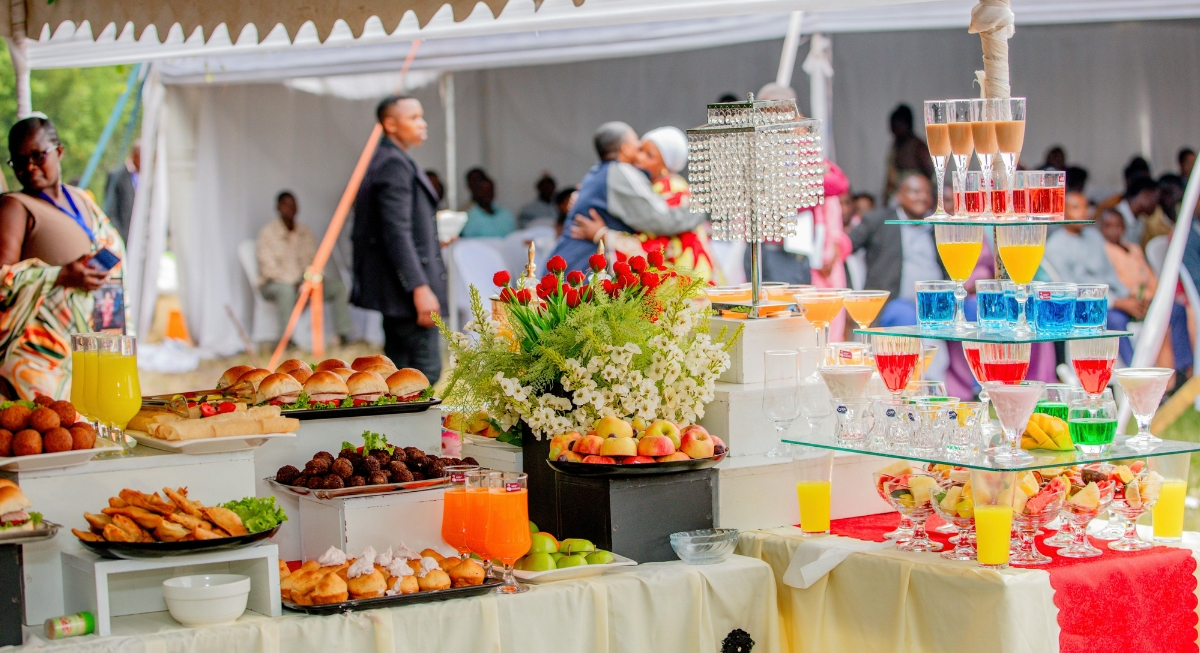
A standard sit-down meal still exists, though many couples explore alternatives. Food trucks, grazing tables, and late-night snack stations have become popular additions. Menus often reflect personal tastes or cultural backgrounds.
Wedding Attire Feels Less Restricted
Credit: Canva
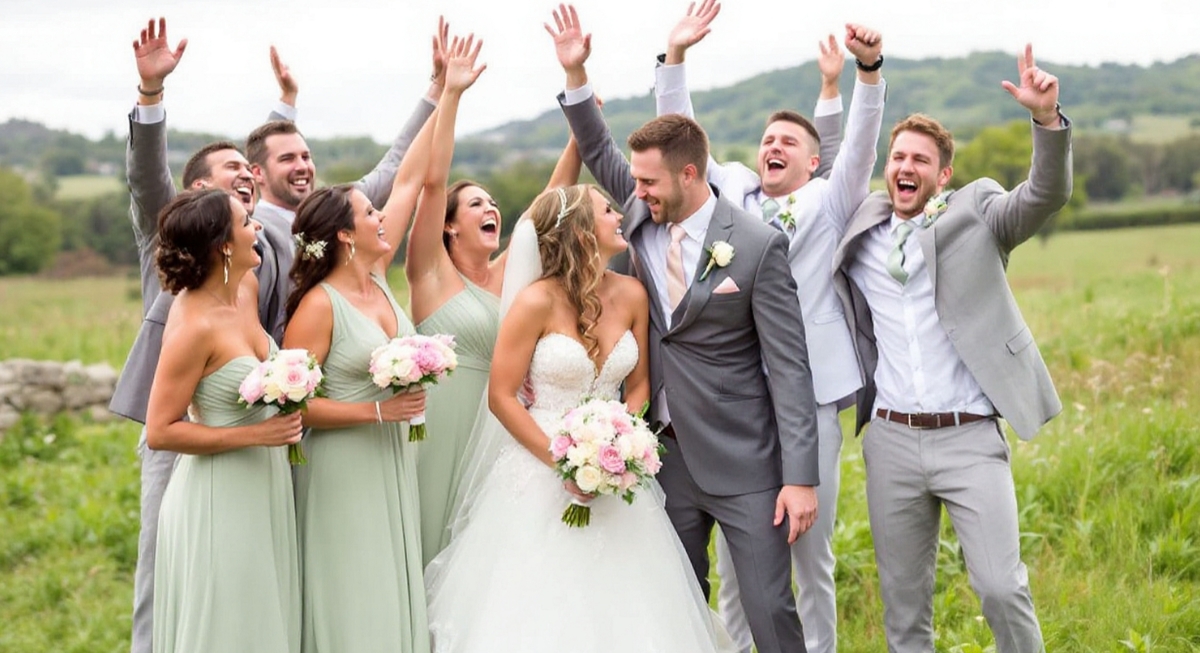
Brides may choose nontraditional colors or multiple outfits, and grooms experiment with suit styles and accessories. Wedding party attire has also evolved, with mismatched dresses or relaxed styling becoming more accepted.
Technology Has Simplified Invitations And Communication
Credit: iStockphoto
Paper invitations once handled nearly all wedding communication. Digital tools now play a major role. Couples use wedding websites to share schedules and registry information. Online RSVPs reduce the need for mailed responses and help with organization. This makes it easier to keep guests informed, especially when plans change or involve multiple events across several days.