What the VCR Blinking 12:00 Says About an Entire Generation’s Relationship with Technology
Appliances in the 1980s and 1990s began shipping with digital displays, and once a screen was available, a clock usually came with it. VCRs, microwaves, and stereo systems all showed the time, but they had no way to know it on their own. Home internet was rare early in the decade, and even where it existed, appliances did not connect to it.
That meant every clock depended on manual input. If the time was wrong, the device would stay wrong until someone stepped in. Radio-controlled clocks existed, but they were mostly found in specialty products like high-end watches and clock radios, not everyday appliances. So the blinking 12:00 was not a failure but the device’s default state, waiting for instructions.
Power Cuts Reset More Than Just the Time
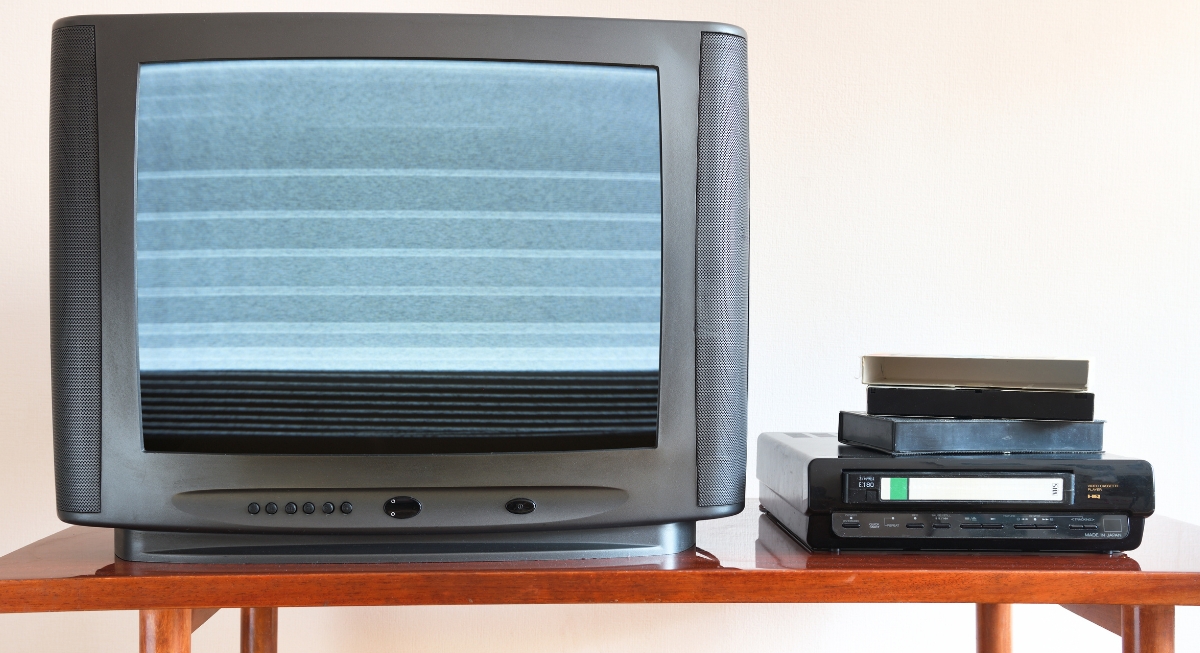
Image via Getty Images/Aliaksandr Litviniuk
The blinking usually returned after a power outage, even a brief one. Most VCRs and microwaves lacked internal batteries to keep time running when electricity dropped. Personal computers already used small backup batteries to preserve settings, so the idea was not new. Appliance makers chose to skip that feature to keep costs low and avoid added maintenance.
The result was predictable. Every outage wiped the clock, and every reset required the same process again. In areas with frequent power cuts or unstable wiring, the cycle repeated often enough that people stopped caring.
Setting the Time Was the Real Problem
Resetting the clock should have been simple, but it wasn’t. VCR interfaces varied across brands. Instructions often required a manual, and even then, the steps felt out of order. Without that guide, trial and error could take longer than the task deserved.
This friction changed how people interacted with the device. If watching tapes or heating food worked without fixing the clock, many left it alone.
A Calm Signal About Tech Comfort
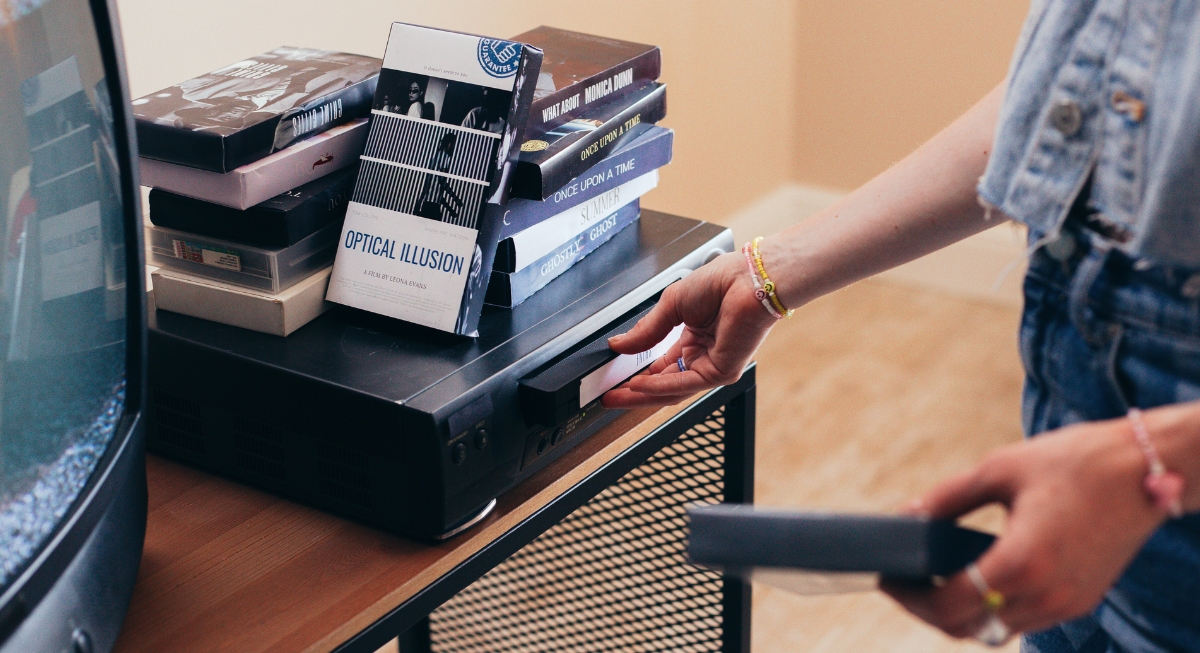
Image via Pexels/cottonbro studio
Over time, that flashing 12:00 turned into a subtle marker. Walking into a home with multiple blinking appliances suggested something about how the household approached technology.
Some people could not stand the distraction and fixed it immediately. Others tuned it out, the same way some ignore a beeping smoke alarm or an alert sound that repeats in the background. The device still worked, so the clock became optional. Technology in that era demanded patience, and people decided how much of that patience they were willing to give.
Modern Devices Removed the Decision Entirely
The blinking clock faded as devices gained the ability to set themselves. Internet-connected appliances now pull time from servers through Wi-Fi, Bluetooth, or broadcast signals. A modern washer-dryer, for example, can sync its clock the moment it connects to a network, with no setup required.
This removed the need for users to engage with a basic function. The responsibility moved from the person to the device.