Body Parts You Have That Serve Absolutely No Purpose Anymore
It wouldn’t be wrong to see the human body as a living archive; after all, it’s packed with features that once mattered but never fully disappeared during its evolution. These features exist as reminders of earlier versions of the human blueprint.
Wisdom Teeth
Credit: Canva
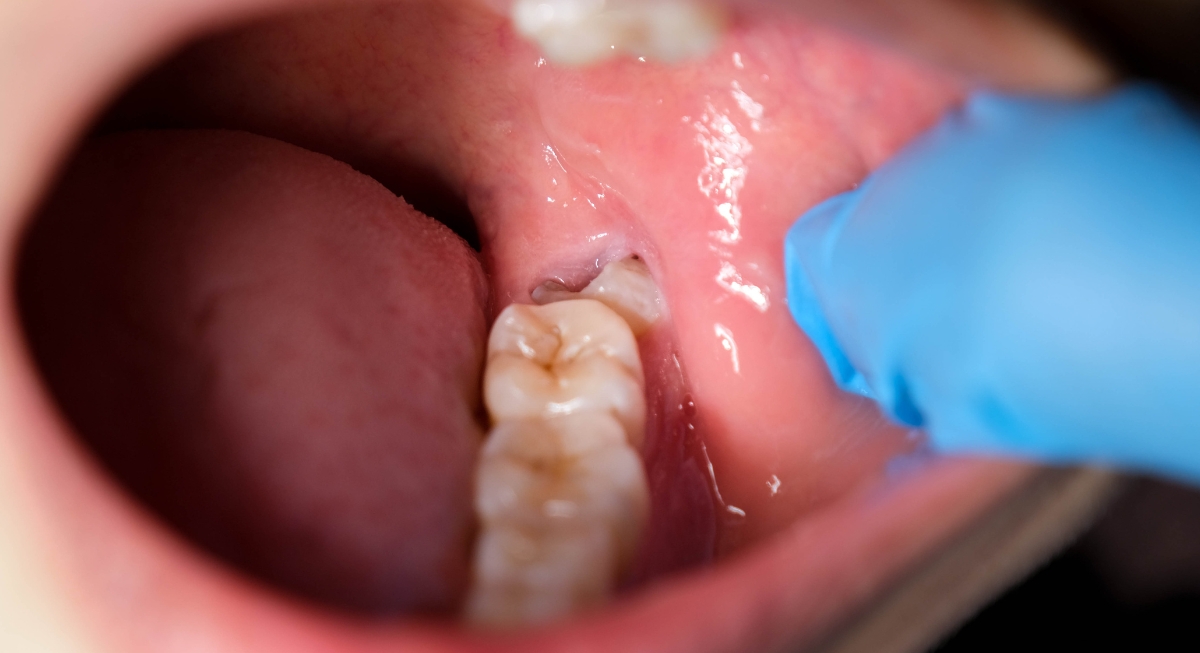
Wisdom teeth, also called third molars, usually appear between the ages of 17 and 25. Not everyone gets them. Around 22% of people never develop at least one. When they do grow in, there often isn’t enough space in the jaw, so they can become impacted or grow at awkward angles. This is partly because modern human jaws are generally smaller than those of our ancestors. Diet plays a role here. Earlier diets included tougher foods that required more chewing, which helped jaws develop more fully. Today’s softer diets do not provide the same stimulation, so jaws may not grow large enough to accommodate these late-arriving teeth.
Palmaris Longus
Credit: Reddit
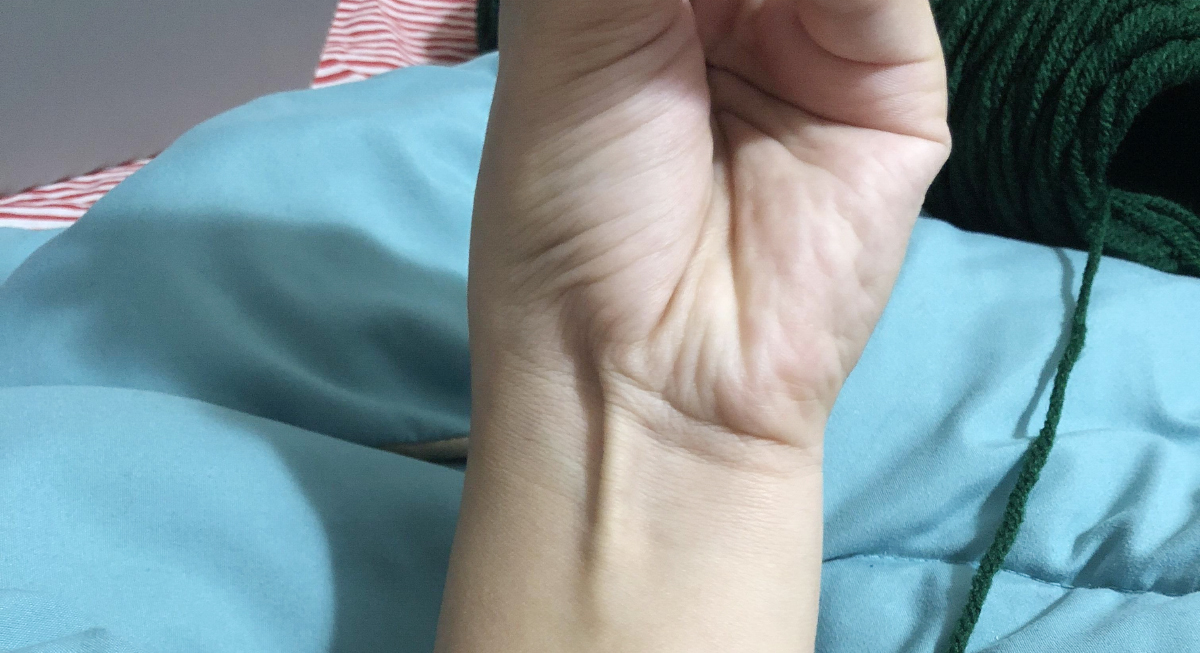
Try touching your thumb to your pinky and flexing your wrist, and a thin tendon may pop up in the center. That tendon belongs to the palmaris longus muscle, which helps with wrist flexion. Around 10% to 15% of people never develop it, yet show no loss of grip or strength. Surgeons even remove it for grafts. It remains as a leftover from primates that relied on climbing.
Male Nipples
Credit: Getty Images
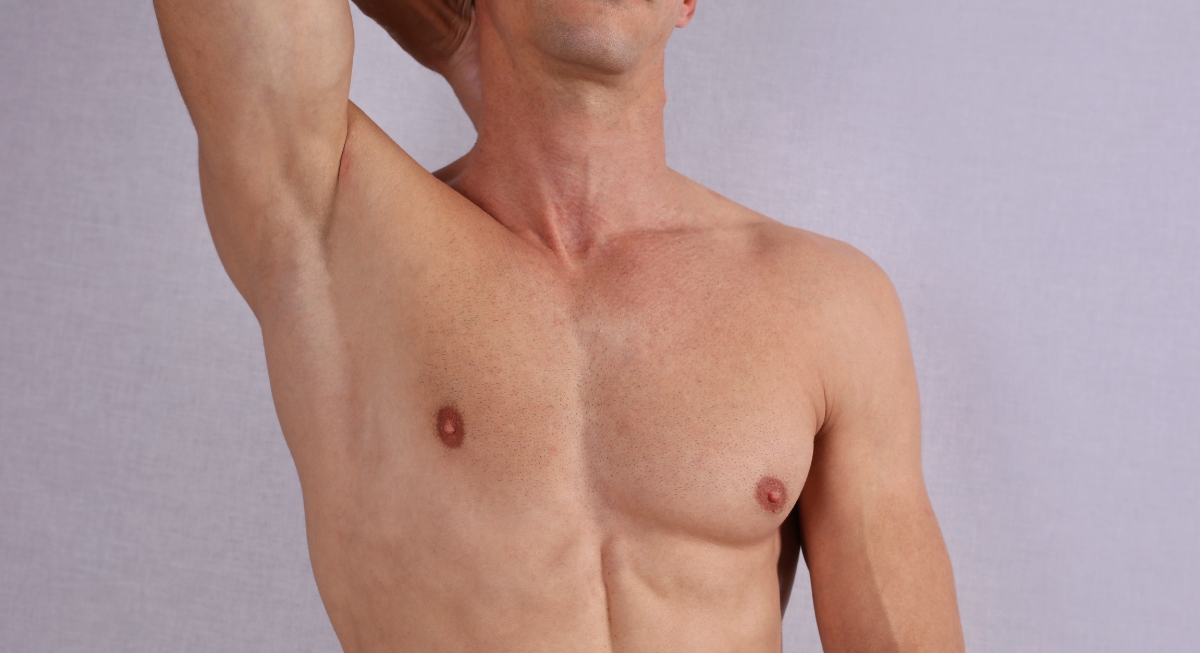
Every human embryo follows the same early developmental plan. The SRY gene on the Y chromosome only activates around week seven and shifts development toward male traits. By that point, nipples are already in place, so they remain. Adult males usually cannot produce milk, but the tissue still reacts to hormonal changes.
Auricular Muscles
Credit: Canva
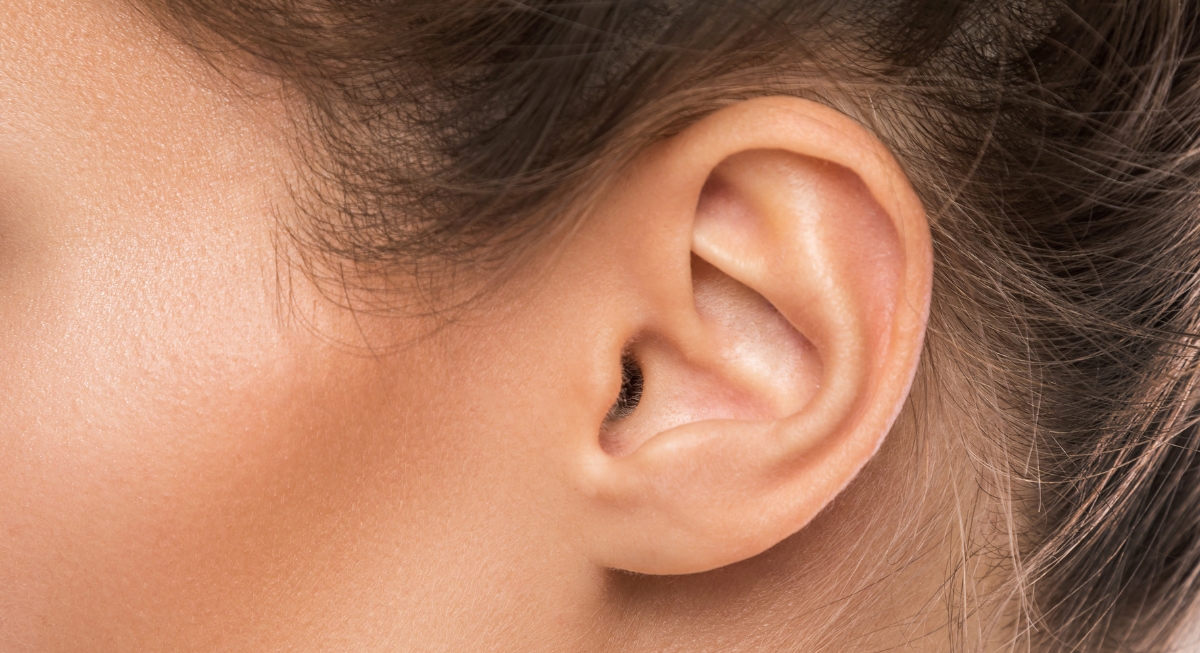
Cats and other animals swivel their ears to pinpoint sound. Humans have the same muscle system, but no longer the same control. These auricular muscles attach around the outer ear, although most people cannot use them effectively. A small group can wiggle their ears slightly without any real purpose.
Darwin’s Point
Credit: Reddit
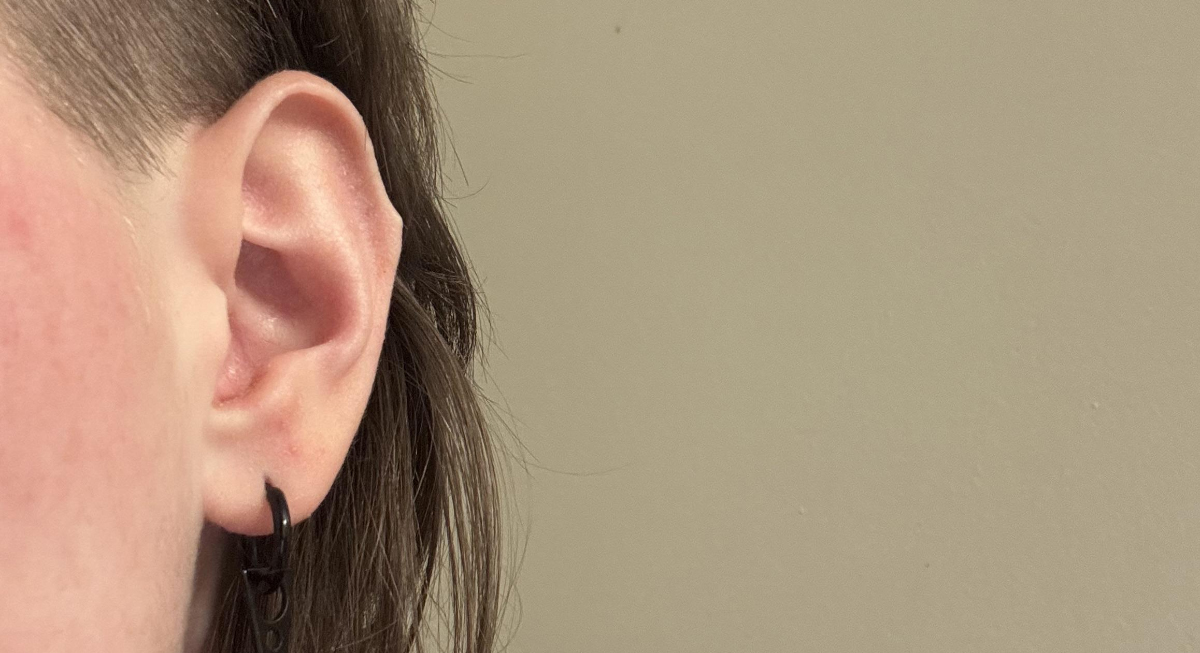
There’s a small bump that may appear along the rim of the outer ear. This feature, called Darwin’s point, traces back to a foldable ear structure seen in other mammals. The fold once helped protect the ear canal. Today, it’s a harmless variation in shape, and many people never notice it.
Pyramidalis Muscles
Credit: Canva
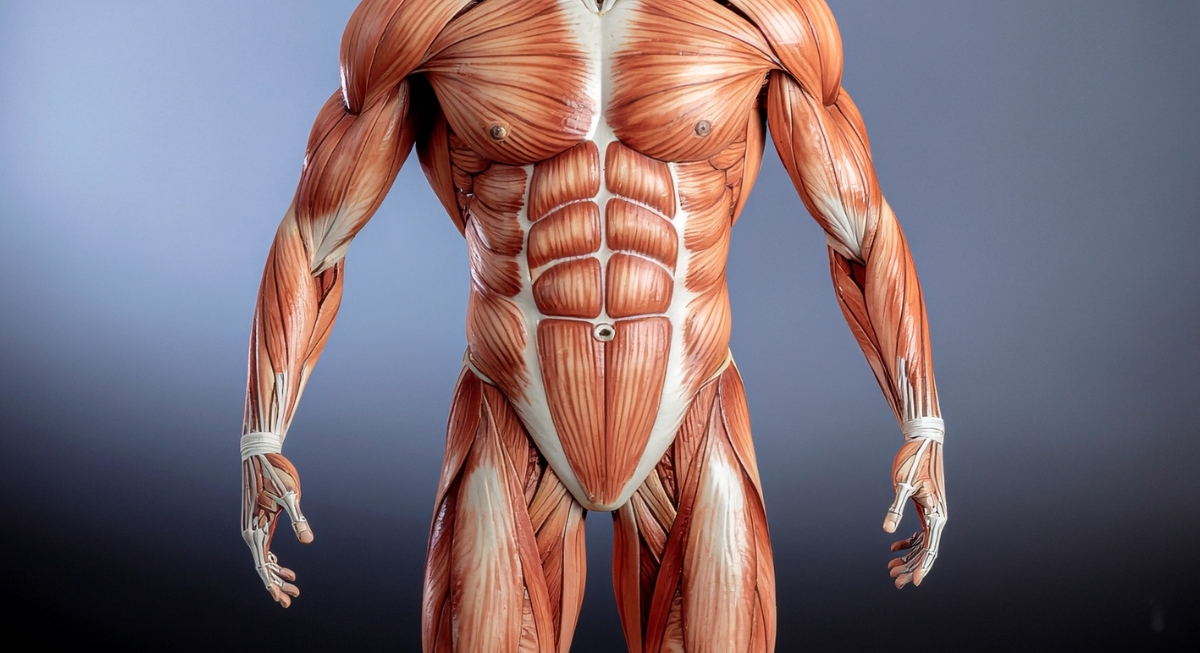
The pyramidalis muscles stretch upward from the pubic bone toward the midline tissue. Not everyone has them, and between 10% and 20% of people are missing at least one. A portion of the population lacks both entirely. Medical observations confirm that their absence does not affect strength or movement.
The Tailbone
Credit: Getty Images
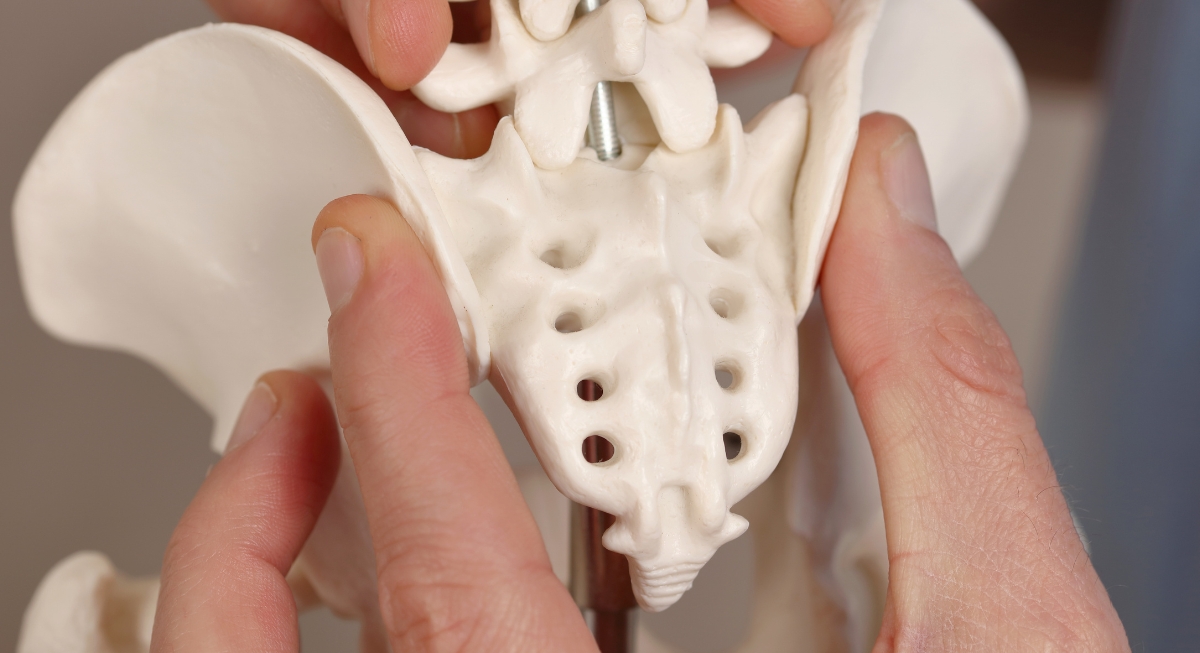
The coccyx, at the base of the spine, is made of three to five fused vertebrae. This structure is the remnant of a tail that earlier primates used for balance. Humans no longer grow external tails, but the bone still anchors muscles and ligaments in the pelvis. Injuring it can be extremely painful despite its reduced role. It’s one of the clearest physical links to evolutionary history.
The Appendix
Credit: Canva
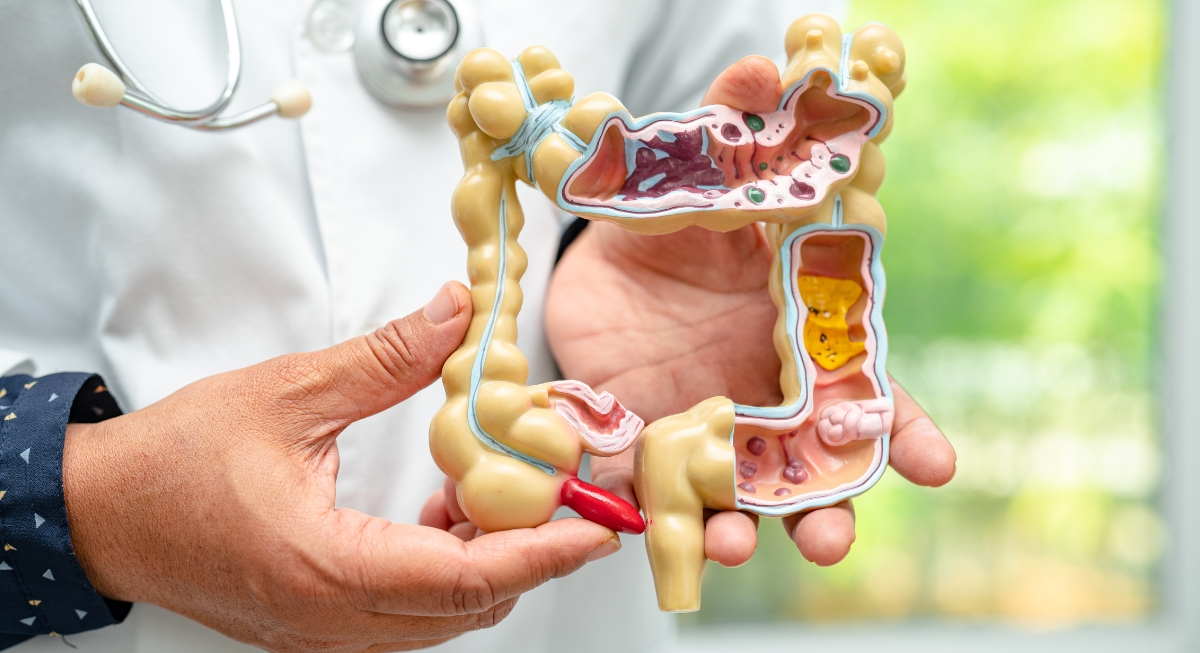
This small pouch extends from the large intestine and once helped process plant-heavy diets in early ancestors. Today, people can live normal lives without it after surgical removal. Research now suggests it may store beneficial gut bacteria and support immune responses. Even with that possible role, it remains nonessential for survival.
The Third Eyelid Remnant
Credit: Canva
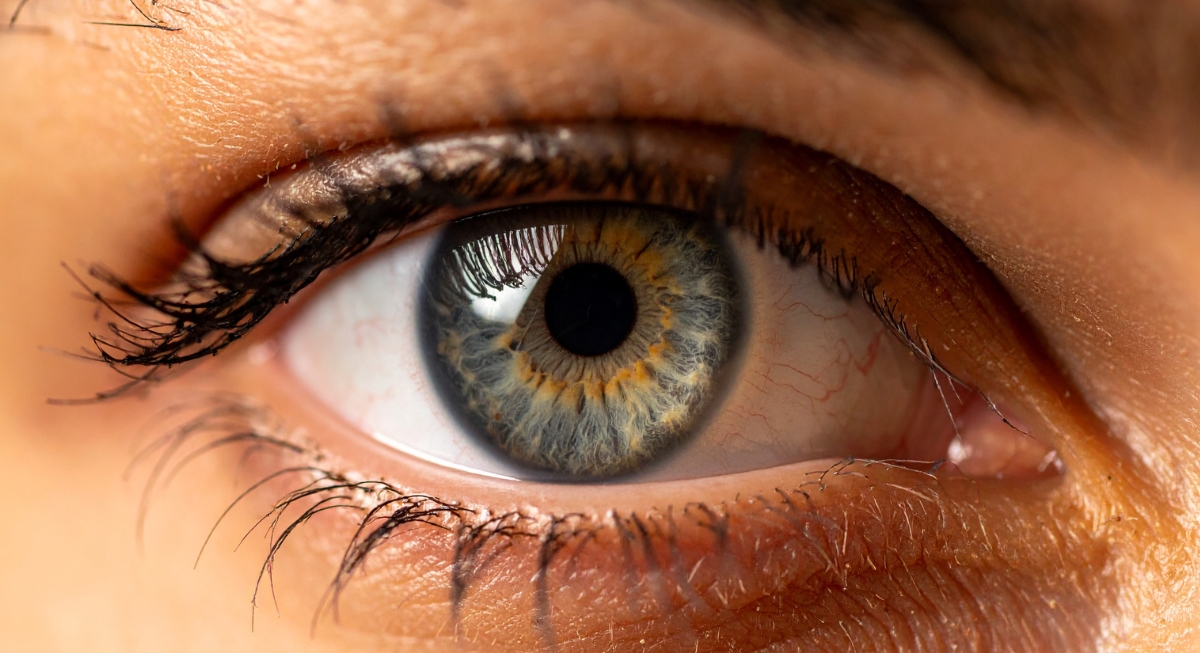
Many animals have a nictitating membrane that sweeps across the eye for protection, but humans only retain a fragment. This remnant, called the plica semilunaris, exists in the inner corner near the tear duct. It appears as a small fold of tissue and plays a minor role in tear drainage. The full protective function is gone.
The Vomeronasal Organ
Credit: Canva
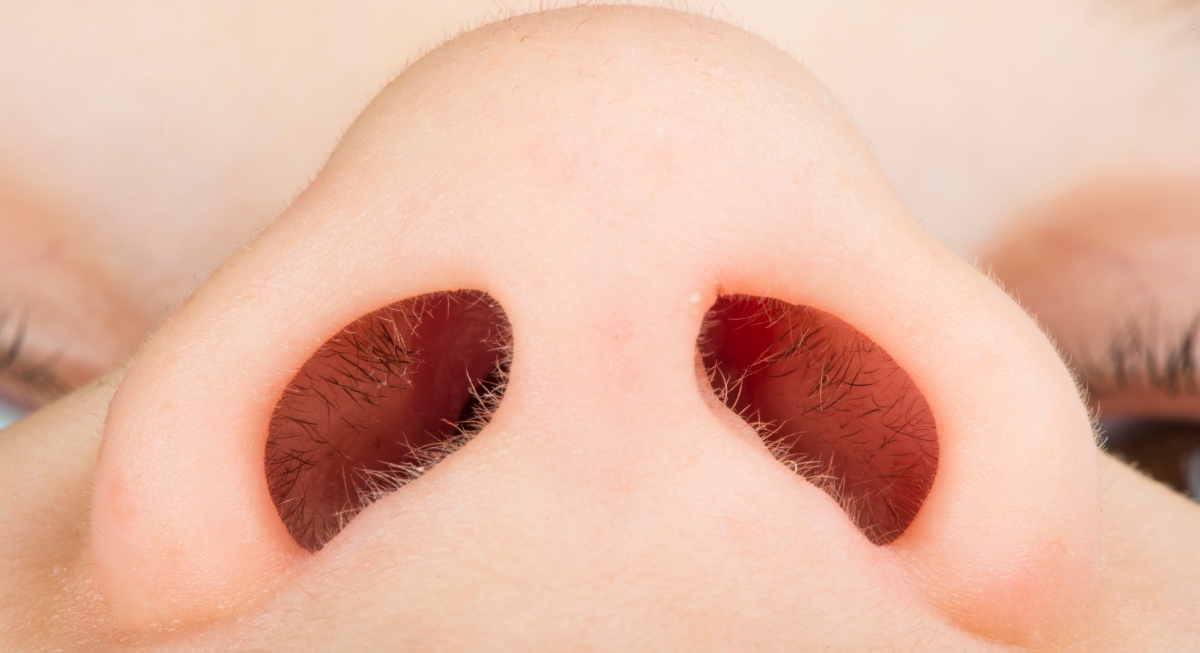
The vomeronasal organ is a small structure located deep inside the nasal cavity, though not everyone has a clearly detectable one. In many animals, such as reptiles and amphibians, it plays an active role in sensing pheromones and shaping behavior. In humans, however, its function remains uncertain, and it is generally considered inactive. It’s better understood as a leftover feature of human evolution that no longer has a clear role.