10 Neighborhood Games Every ’80s Kid Played Until the Streetlights Came On
In the 80s, childhood entertainment often meant stepping outside and finding whoever else was free on the block. Many games required little equipment and could start within minutes once enough friends showed up. The only real schedule was the familiar moment when the streetlights flicked on, and parents called everyone home. Until that signal appeared, afternoons usually turned into long stretches of playing these games that nearly every kid on the street understood.
Red Rover

Credit: Wikipedia
Instead of easing into play, this game immediately put someone in the spotlight. Two teams faced each other and locked hands to form a chain. One side called a name, and that player ran forward to break through. Breaking the chain brought someone back, while failing meant switching teams. Each round relied on timing and force, and no one stayed calm once the call was made.
Kickball
Credit: Wikipedia
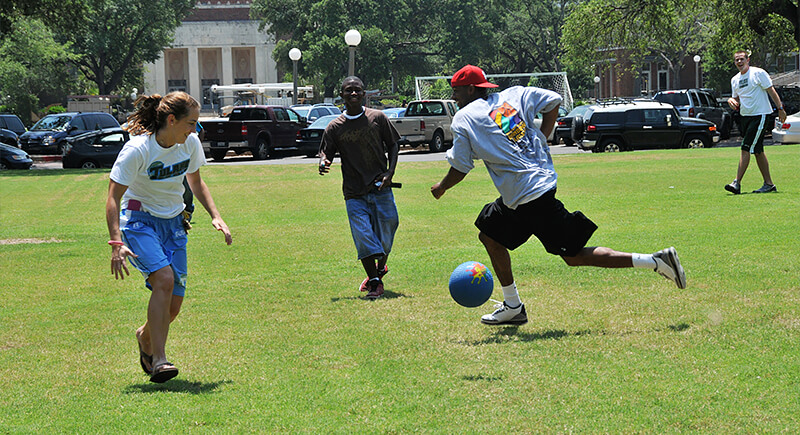
Kickball followed baseball rules but used a rolling ball and a kick rather than a bat. One player pitched by rolling the ball, and the kicker sent it across the field. Runners moved between bases while fielders made plays. The game moved faster than baseball and welcomed anyone.
Kick The Can
Credit: Youtube
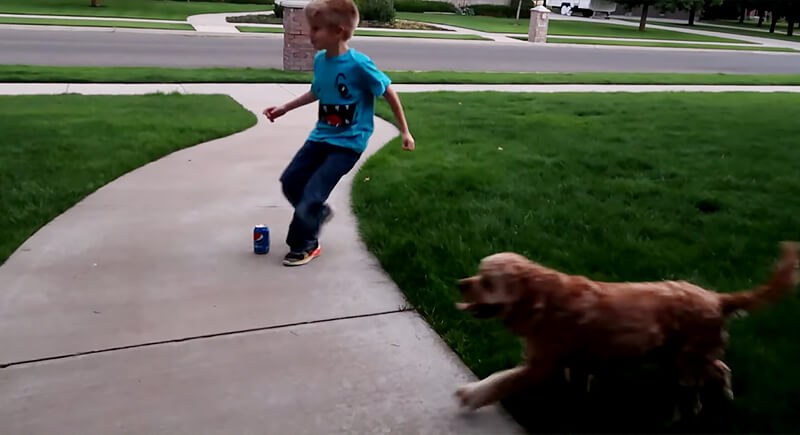
This game combined hiding and chasing into a single round. A can sat in the open while one player guarded it and counted. Others hid nearby. The goal was to return and kick the can before getting tagged. One kick freed everyone and restarted the chase.
Four Square
Credit: Youtube
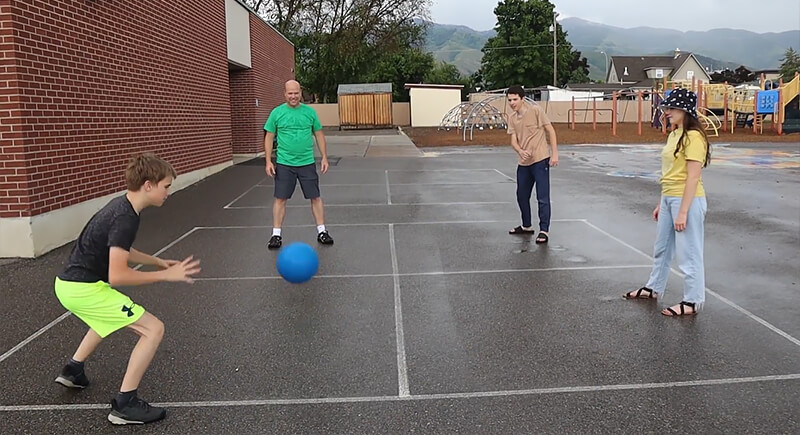
The painted grid for Four Square instantly became a competitive zone in schoolyards and driveways. Four players each held a square and bounced a rubber ball between the grids on the ground. Missing the ball or sending it out meant losing a spot. The top position, called the king’s square, became the goal, and holding it required steady control.
Hopscotch
Credit: Wikimedia Commons
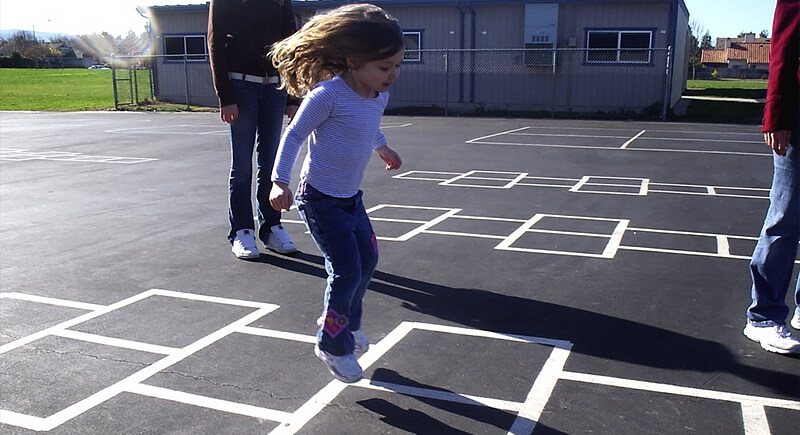
With nothing more than chalk and a marker, this game turned focus into a challenge. The sidewalk became a grid where players tossed a marker and hopped through on one foot. Stepping on a line or losing balance ended a turn. Each round depended on precision and control as the pattern grew more difficult to complete without mistakes.
Tetherball
Credit: Wikimedia Commons
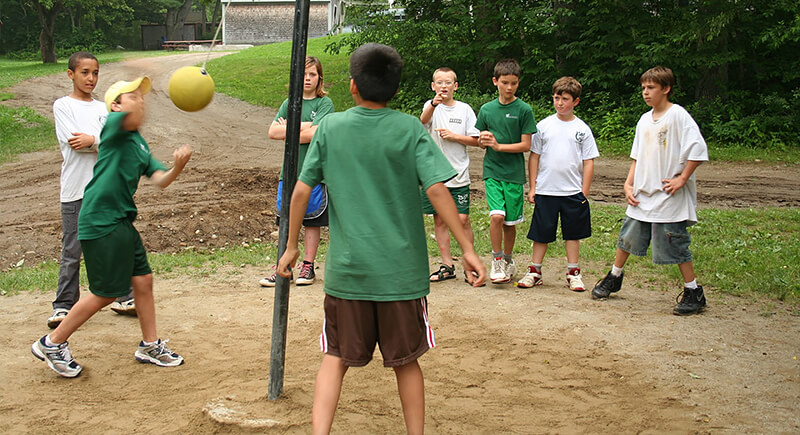
The tetherball setup featured a pole with a rope and a ball for a one-on-one game. Two players hit the ball in opposite directions, aiming to wrap it fully around the pole. Each hit increases speed and reduces reaction time. Matches ended quickly once the ball gained momentum and one side completed the wrap.
Freeze Tag
Credit: Youtube
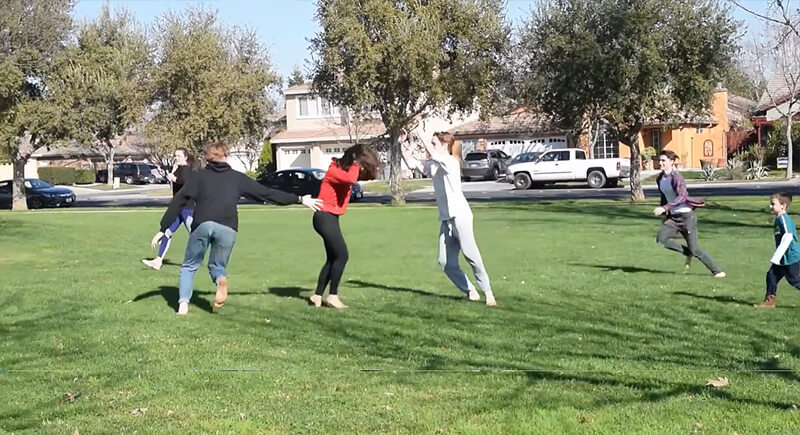
In Freeze Tag, a tagged player stopped moving instead of leaving the game. Teammates could unfreeze them with a touch. As more players froze, available space and movement decreased. The focus shifted from speed to positioning, avoiding the tagger, and helping teammates stay in play.
Capture The Flag
Credit: Wikipedia
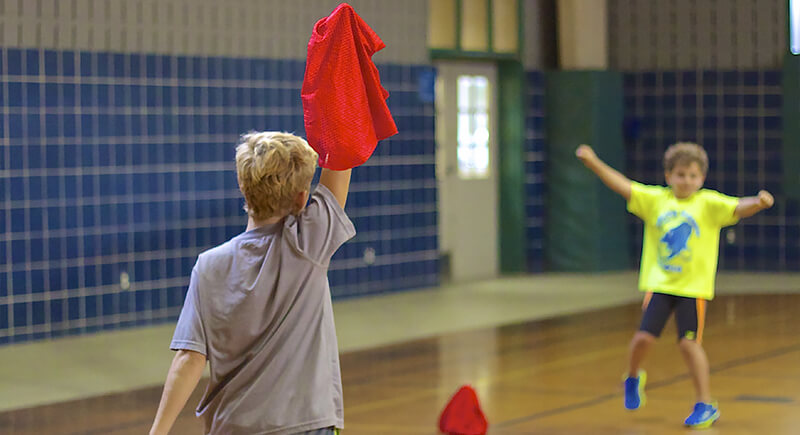
Capture the Flag is a mix of planning and quick decisions. Teams guarded a flag while trying to steal the other side’s flag and return safely. Crossing into enemy territory risked being tagged and sent to a holding area. Teammates could rescue captured players, and each round required a balance between defense and coordinated attacks.
Double Dutch
Credit: Wikimedia Commons
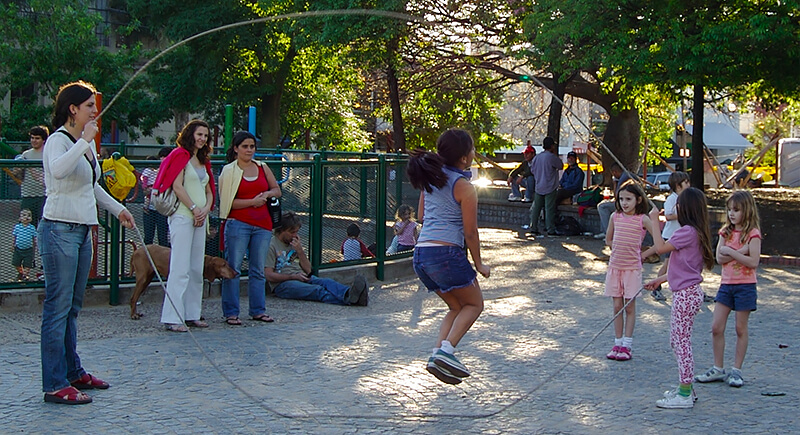
Once the ropes started turning, timing became critical. Two ropes spun in opposite directions while a jumper entered at the right moment. Staying inside required a steady rhythm and footwork, and players often added steps or patterns to their footwork. As the ropes sped up, control became harder, and the difficulty increased.
Mother May I

Credit: Youtube
At the start of each round, one player acted as the leader and gave specific movement instructions. The other players had to repeat the instruction as a question by asking “Mother, may I?” before moving. If a player moved without asking, they were sent back to the start. Progress depended on listening carefully and following the rules exactly while choosing moves that advanced their position.