Things 1970s Teachers Did Every Day That Would End Their Career Today
A lot of school stories from the 1970s would sound unreal now. Teachers smoked in lounges and hung paddles near desks for “discipline.” Plenty of adults at the time saw those habits as normal parts of school life, even when students hated them.
Today, many of those same choices would trigger complaints, investigations, lawsuits, or removal from the classroom. Expectations around safety, fairness, and professional conduct have changed. Schools now operate under stricter rules around student privacy, disability rights, health policies, discrimination, and physical discipline.
Paddling Students for Discipline

Credit: iStockphoto
In many 1970s classrooms, a paddle hanging near the desk sent a clear message. Teachers or principals could punish talking back, fighting, skipping work, or breaking classroom rules with physical discipline that many parents accepted as part of school life. Today, that same act could create serious trouble in most districts, even though corporal punishment remains legal in some states under specific rules. Modern schools face parent complaints, injury reports, board reviews, and lawsuits when staff uses physical punishment.
Smoking in the Teacher’s Lounge or Near Students

Credit: pexels
The teacher’s lounge once had ashtrays, stale coffee, and cigarette smoke drifting through a school day. Some staff smoked between classes, after lunch, or near entrances without much reaction from administrators. Modern tobacco-free campus policies commonly cover school buildings, grounds, vehicles, events, staff, students, and visitors, including rules around e-cigarettes.
Reading Grades Out Loud in Class

Credit: pexels
Tests could be returned by calling names and scores across the room. Some students got applause, others were laughed at. Everyone knew who failed in this public ranking system. But this is a privacy problem. Fortunately, grades are now directly linked to student education records, and identifiable academic information is protected under FERPA. A teacher can still give feedback, praise effort, or discuss performance privately, but broadcasting scores in front of classmates crosses a line.
Posting Test Scores With Student Names Attached

Credit: Canva
Similar to reading grades out loud in class, FERPA does not allow publicly posting a student’s name attached to their score. This is unlike before, when exam results were posted on notice boards where students crowded around the list to instantly learn who aced the test and who bombed it. Even posting student ID numbers can be risky if classmates can decode them.
Using Public Humiliation as Classroom Management
Credit: pexels
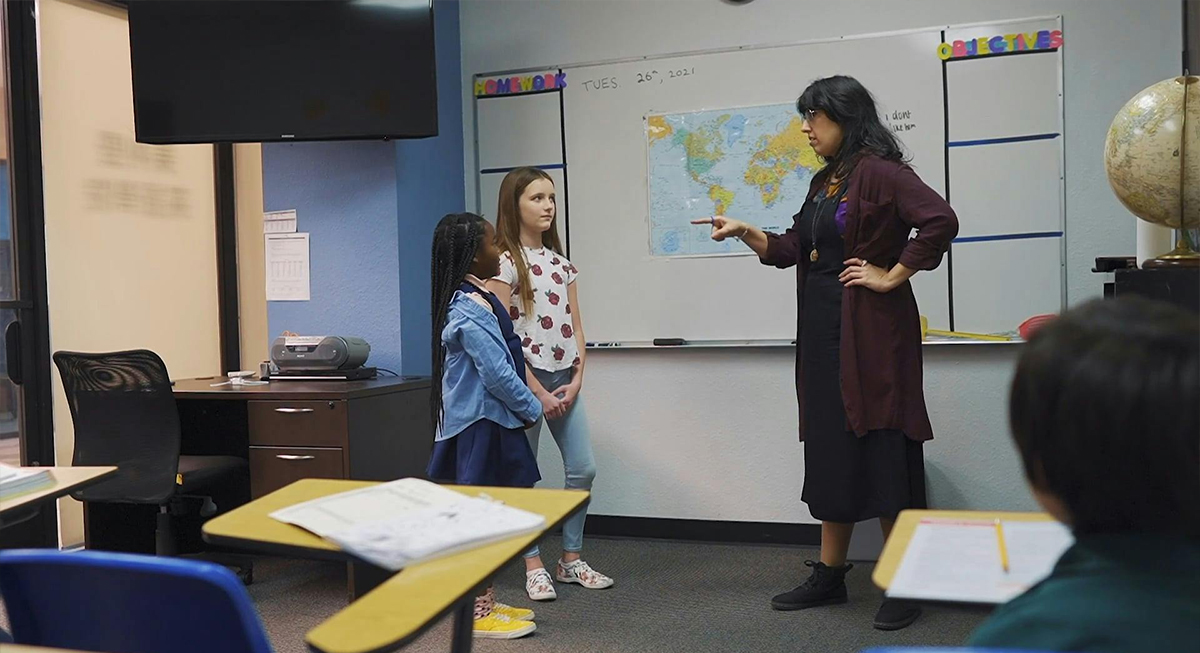
A teacher who mocked a wrong answer, made a student wear a sign, or forced a child to stand in front of the room might once have been called tough. Plenty of adults saw embarrassment as a quick way to force obedience. This kind of public humiliation can now trigger parent complaints, administrator intervention, concerns about bullying, or a hostile-environment review. The damage also follows students beyond the moment because classmates remember those scenes.
Grabbing or Dragging Students for Routine Misbehavior

Credit: iStockphoto
Older school stories often include teachers grabbing arms, pulling children into hallways, or steering students by the shoulders when tempers rose. That’s now unacceptable unless there is an immediate safety emergency. Routine misbehavior, refusal to sit down, talking back, or leaving a desk does not give staff unlimited permission to put their hands on a student. Federal guidance treats restraint and seclusion as serious civil rights issues.
Locking a Student Alone Somewhere as Punishment
Credit: pexels
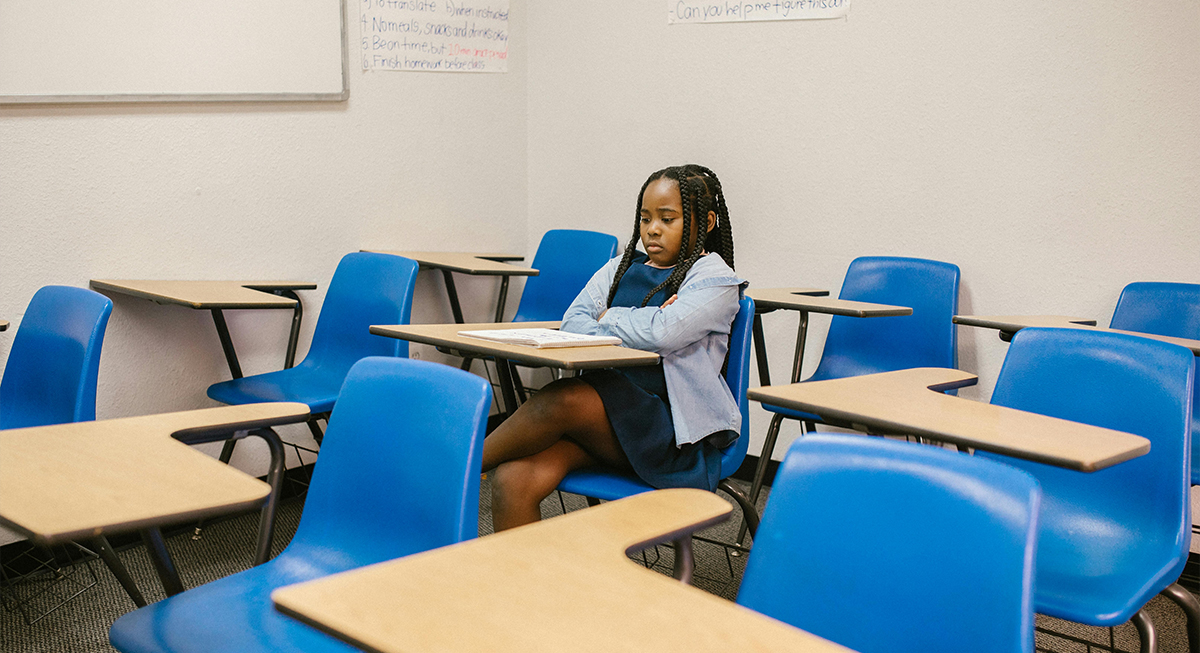
A storage room, coat closet, empty office, or dark hallway might have become an informal punishment space in some older school settings. The logic was to remove the child and restore quiet in the class. Modern rules treat isolation very differently. Seclusion raises serious safety and civil rights concerns. Locking a student alone is grounds for administrative leave or investigation. Schools have to consider supervision, access to help, emotional harm, disability rights, and whether the adult created danger instead of solving a problem.
Ignoring Disability Accommodations

Credit: iStockphoto
In the 1970s, a student who needed extra time, reading support, movement breaks, or behavior accommodations could easily be labeled lazy, disruptive, or difficult. Many classrooms expected everyone to work the same way, at the same speed, under the same rules. Since then, Section 504, IDEA, and disability rights enforcement require schools to provide appropriate supports for eligible students and to avoid discriminatory discipline. Refusing because they seem unfair or inconvenient can put the entire school in legal trouble.
Separating Opportunities by Gender

Credit: pexels
Due to Title IX concerns, teachers cannot assign academic opportunities, leadership roles, disciplinary expectations, or classroom responsibilities based on outdated assumptions about what boys and girls are “naturally” suited to do. This went without much debate in the past. Boys might handle equipment, run errands, take shop classes, or lead science activities, while girls might be pushed toward cleaning, decorating, typing, or helping younger children. Things today are based on interest, ability, and fairness.
Making Comments About Race, National Origin, or Family Background

Credit: pexels
Some remarks that once went unchallenged in classrooms would now put a teacher’s job at serious risk. Comments about a student’s accent, country, race, neighborhood, parents, surname, or home language are prohibited by Title VI, especially in federally funded programs like public schools. Modern districts also document complaints, interview witnesses, and review patterns of conduct. A teacher does not need to announce open prejudice to cause harm. Repeated jokes or stereotypical comments can signal a hostile classroom.