10 Everyday Objects That Can Pose Serious Safety Risks
Some of the items we rely on the most are the ones we rarely question. They sit on our shelves, plug into our walls, or blend into our routines so easily that we forget they carry real risks. Most of the time, they’re perfectly safe, but a small mistake or the wrong setup can turn them into genuine hazards. Here’s a clearer look at the everyday objects that deserve a bit more caution.
Resistance Bands Snap Back Hard

Credit: Canva
They’re great for home workouts, but when they break mid-stretch, the recoil is fast and fierce. Some unlucky gym-goers have ended up with serious eye injuries like retinal tears, blunt trauma, and even detached retinas. One study out of the University of Miami linked multiple cases to snapped bands.
Hot Tubs Aren’t Always Relaxing

Credit: Getty Image
Hot tubs offer steady warmth, but untreated water can host a dangerous amoeba called Naegleria fowleri. The risk begins only if contaminated water enters the nose, which gives the organism a pathway to the brain. These infections are very rare, yet when they occur, they advance quickly and are almost always fatal.
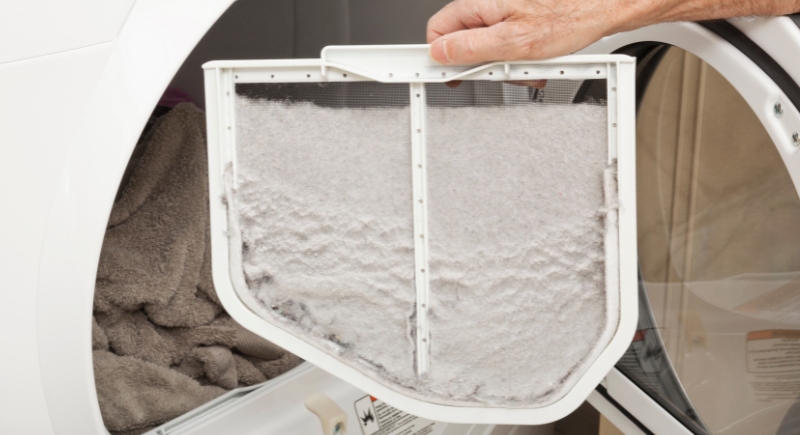
Dryer Lint Starts Fires More Than You’d Guess
Credit: Getty Images
Most people clean the lint trap, yet fewer think about the vent, and that’s where things get risky. Lint buildup in dryer vents can block airflow and overheat the machine, which is a common cause of house fires, according to the U.S. Fire Administration.
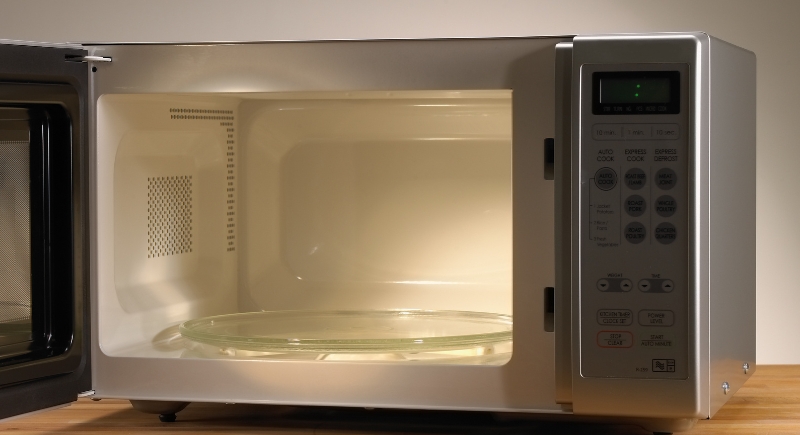
Microwave Seals Break Down With Time
Credit: Getty Images
Microwaves work by bouncing electromagnetic waves to heat food. But when door seals wear out or warp, radiation can escape. The FDA has strict safety standards, and modern microwaves rarely leak. Still, a cracked or poorly closed door could let out low levels of radiation, which could risk long-term tissue damage.
Latex Balloons Can Block the Airway Fast

Credit: Aflo Images
Latex balloons can become a sudden airway hazard when they burst. The pieces don’t vanish; they can lodge in the throat and block breathing quickly. For young children, they’re a leading non-food choking danger. Their slick, flexible surface makes removal difficult in emergencies, and paramedics note they’re far tougher to clear than solid items like grapes.
Pressed Wood Furniture Emits Hidden Toxins

Credit: pexels
Pressed wood pieces can release more than you expect. That inexpensive particle board table may emit formaldehyde because the resins in pressed wood give off volatile organic compounds, especially when the heat or humidity rises. Formaldehyde exposure is linked to respiratory irritation, and high levels in animal studies have been associated with cancer.
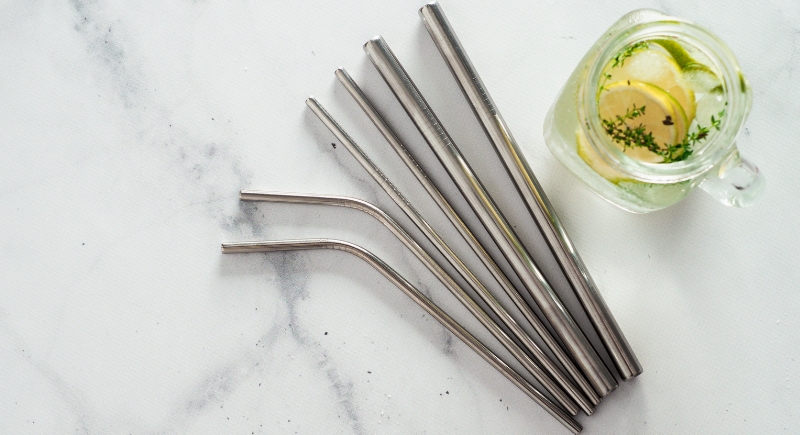
Metal Straws Can Be Brutal In Motion
Credit: Canva
Reusable straws help reduce plastic waste, but the rigid ones, especially stainless steel, don’t mix well with sudden movement. There have been reports of serious injuries when people tripped or were in a moving vehicle while sipping. Some cities now suggest using silicone-tipped versions or avoiding them when walking or driving.
Overexercising Can Wreck Your Kidneys

Credit: pexels
Pushing through soreness sounds heroic until rhabdomyolysis shows up. This condition happens when muscle tissue breaks down too fast and dumps proteins into the bloodstream, overwhelming the kidneys. Doctors say it’s not rare among people new to high-intensity workouts or those doing extreme routines without rest.
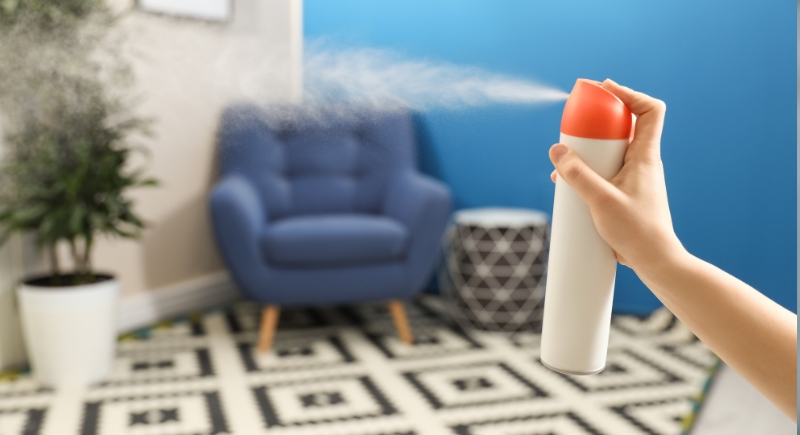
Air Fresheners Mix Into Toxic Soup
Credit: pixelshot
The University of California at Berkeley found that air fresheners can emit hazardous levels of pollutants, especially in small, enclosed spaces. Terpenes, common in citrus-scented products, can react with ozone to create formaldehyde. That means your bathroom might smell “clean” but contain lung irritants.
Laser Printers Kick Up Fine Particles
Credit: pixelshot
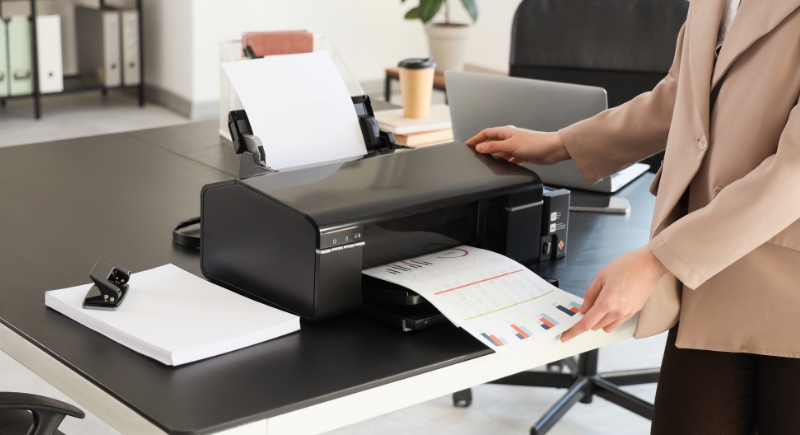
They sit quietly in the corner until someone presses “print,” then they release a puff of ultra-fine particles you can’t see. Research from Queensland University of Technology found that some laser printers, especially older models, release airborne particles linked to lung irritation and heart issues. Not all printers do this, and emissions vary by cartridge and settings.