The Rise and Fall of Trick-or-Treating Freedom: How Halloween Went from Wild to Controlled
Halloween night in the United States used to offer children unusual freedom. Groups moved through neighborhoods after dark, knocked on unfamiliar doors, and stayed out for hours with little supervision. This version no longer defines the experience.
Over time, trick-or-treating has shifted from an open, loosely structured activity into something far more managed. The change unfolded across centuries, shaped by tradition, behavior, safety concerns, and community response.
When Halloween Was Built on Uncertainty
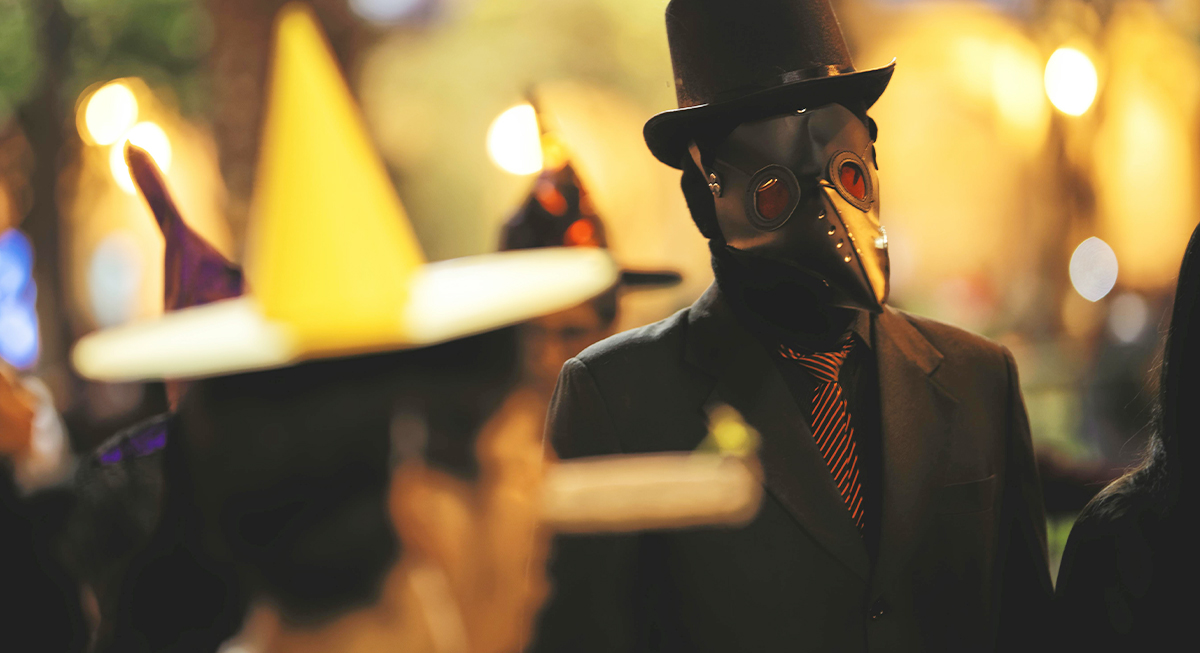
Image via Pexels/Marco Alhelm
The roots of Halloween go back more than 2,000 years to Samhain, a Celtic festival marking the end of the harvest season.
People believed the boundary between the living and the dead weakened during this period. To avoid being recognized by spirits, they wore disguises and gathered around large fires. These early practices were tied to belief and protection.
As Christianity spread across Europe, the holiday took on new meanings. All Saints’ Day and All Souls’ Day introduced traditions that honored the dead while keeping elements of earlier customs. By the Middle Ages, people were already moving from house to house during these observances.
Before candy, there was exchange. In medieval England and Ireland, poorer residents visited wealthier households on All Souls’ Day and received small cakes in exchange for prayers.
Children gradually took over the practice, asking for food or coins. This door-to-door exchange introduced the basic structure that still defines Halloween night today.
When Mischief Took Over the Streets
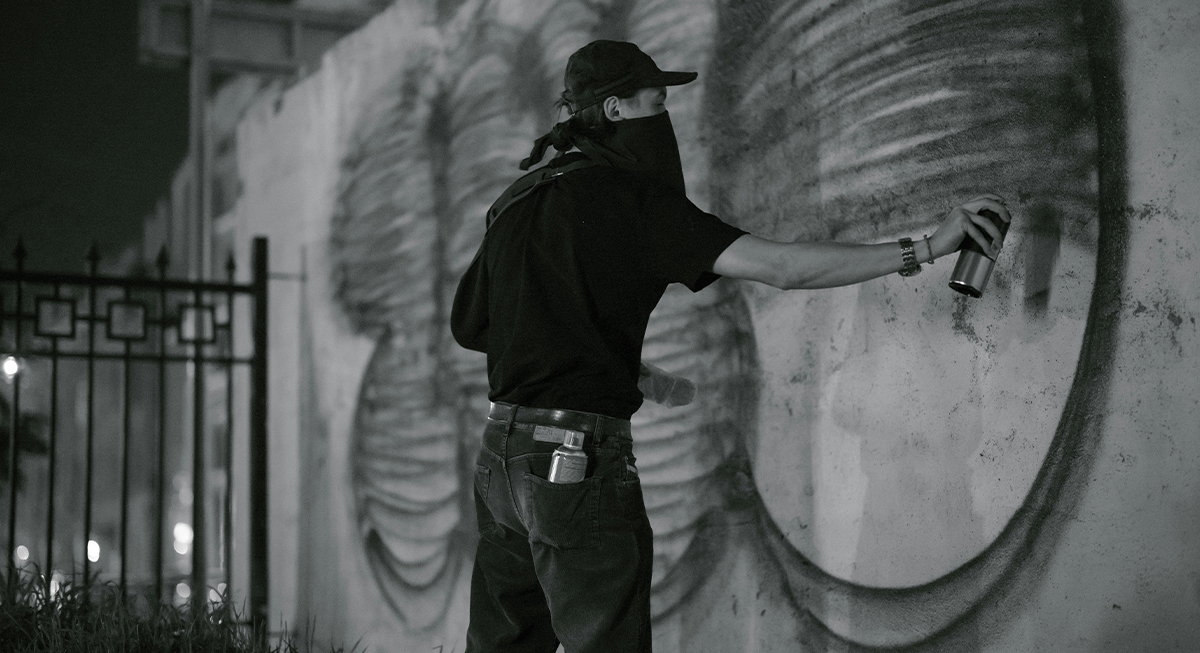
Image via Pexels/cottonbro studio
By the late 1800s, Halloween in the United States had taken on a different character. Irish immigrants helped popularize the holiday by bringing traditions that included pranks. The playful disruption grew more aggressive in some areas.
Reports from the early 20th century describe vandalism, property damage, and even violent incidents. Communities dealt with stolen gates, damaged property, and public disorder. At this stage, Halloween night was unpredictable.
Children and teenagers moved through neighborhoods with few limits, and the line between fun and disruption often blurred. Communities began looking for ways to reduce damage without ending the celebration entirely.
Candy as a Way to Keep Order
Offering treats became a practical solution. Homeowners discovered that giving small items could reduce the chance of pranks. The phrase “trick or treat,” which appeared in the early 20th century, reflected that exchange.
This approach helped reshape behavior. Instead of random acts, children began moving from house to house with a clear expectation. Candy became part of a system that encouraged cooperation and reduced conflict.
Trick-or-treating expanded rapidly after World War II. Sugar rationing ended, candy production increased, and suburban neighborhoods made it easier for children to move safely between homes. By the 1950s, the tradition had settled into a recognizable pattern.
Children wore costumes, went out after dark, and collected candy across entire neighborhoods. Parents were present but often kept their distance. The environment supported both safety and freedom without heavy oversight.
When Safety Concerns Took Center Stage
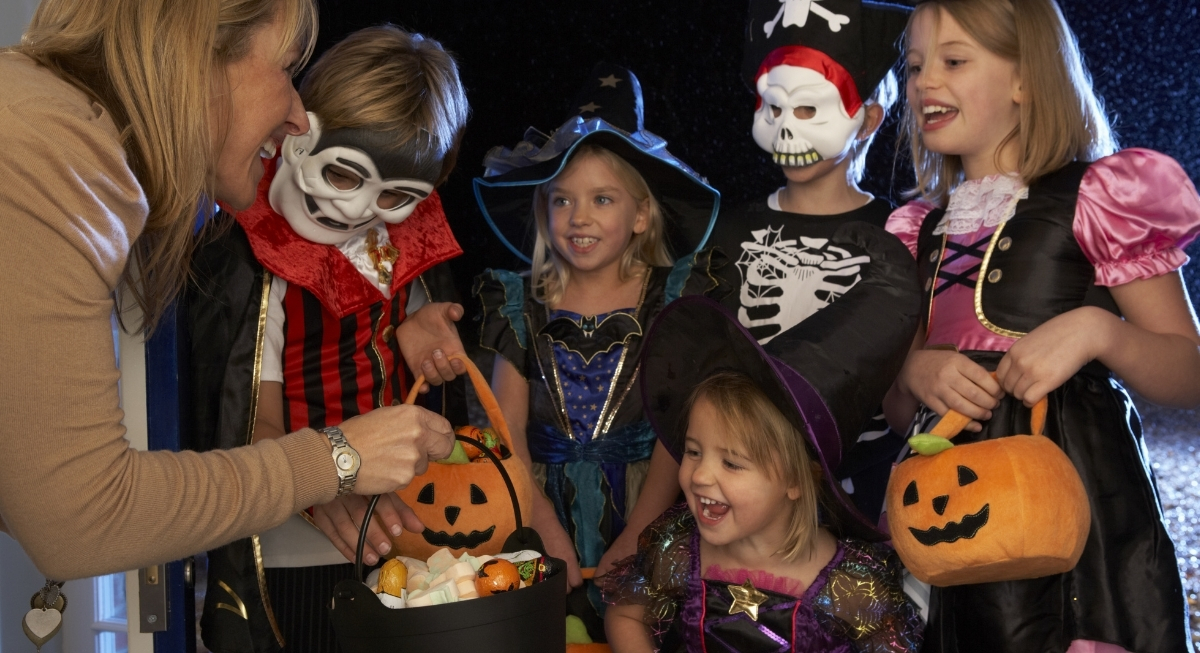
Image via Canva/Monkey Business Images
The balance began to change in the 1960s. Stories about tampered candy started circulating. While many of these reports were never confirmed, they gained attention and shaped public perception.
A few real incidents added to the concern, including a 1974 case in Texas involving poisoned candy and the 1982 Tylenol poisonings, which, although unrelated to Halloween, increased anxiety about product safety.
Media coverage amplified these fears. Parents began checking candy more carefully. Individually wrapped treats became the standard. The idea of children freely accepting food from strangers became less common, even though the actual risk remained low.
As concerns grew, communities set official trick-or-treat hours, often limiting activity to early evening. Some areas moved events to daylight hours. Parents became more involved, walking alongside children or organizing group outings.
Schools, churches, and local organizations began hosting Halloween events to provide controlled environments.
Halloween Today: Structured but Still Active
Alternative formats gained traction over time. Haunted houses, which first appeared in the 1930s as a way to keep children occupied, became more common. During the 1990s and 2000s, events like trunk-or-treat offered a new model. Families gathered in parking lots, and children moved from car to car instead of house to house.
These setups addressed concerns about traffic, safety, and supervision. They also changed the experience. Movement became more contained, and interactions became more predictable.
Modern Halloween remains popular, but the format varies widely. Many neighborhoods still support traditional trick-or-treating, especially in areas with strong community participation.
Food allergies and dietary preferences have introduced new considerations, leading to non-candy options and clearly labeled treats. The activity now operates within clearer boundaries.