The Origins Behind Wedding Traditions We Follow Without Questioning
A wedding can feel modern, personal, even spontaneous, but the details most couples treat as automatic were formed centuries ago, often for reasons that would be questioned today. The deeper you look, the less random these traditions seem and the more they reveal about history, culture, and a few surprising habits that never quite went away.
The Dress Isn’t Just A Dress
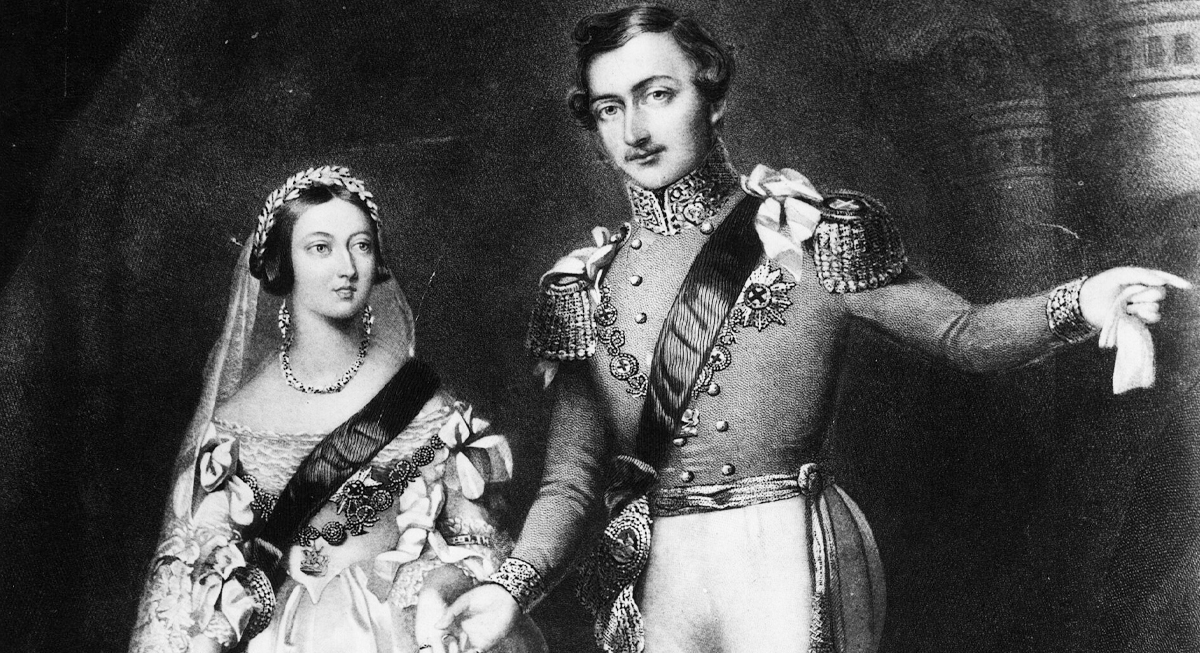
Image via Wikimedia Commons/Mabaluj
The white wedding dress only came into use after Queen Victoria married Prince Albert in 1840. She wore a light satin gown that looked white in portraits, and the choice caught on fast among brides eager to mirror royal style. Before that, brides simply wore their best outfit, often in bold colors. The “white equals purity” idea came later, shaped by Victorian values.
The Ring That Started As A Claim
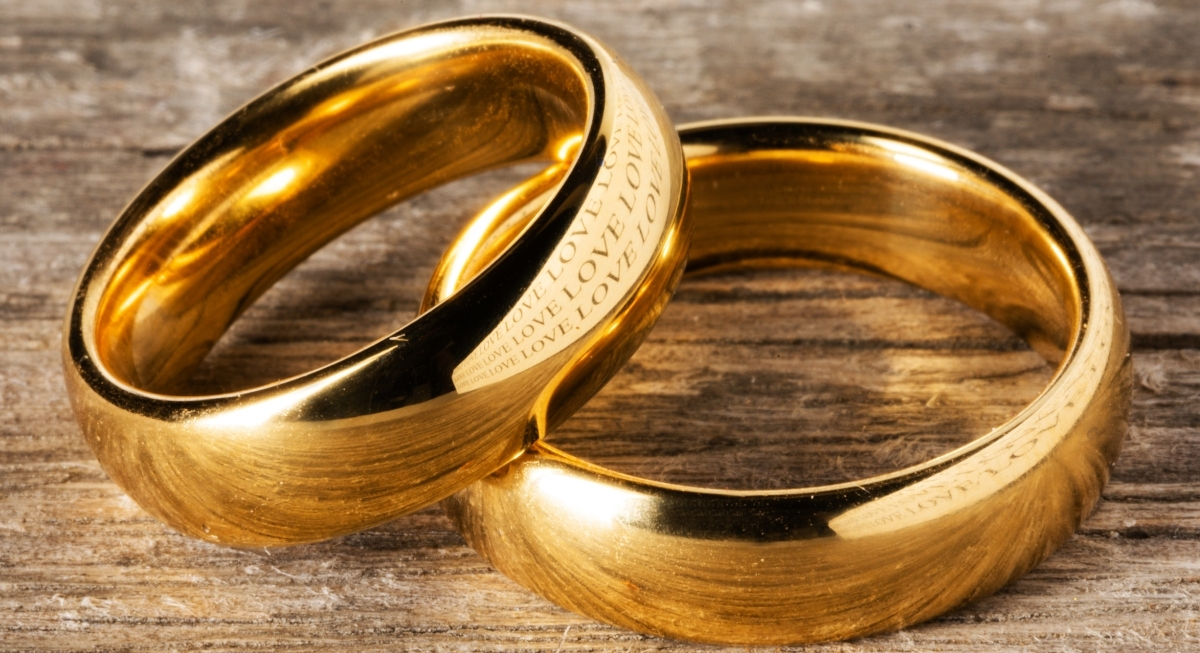
Image via Getty Images/IvanMikhaylov
Wedding rings trace back to ancient Egypt, where the circular shape symbolized eternity. The Romans kept the idea but gave it a different meaning: a ring placed on a woman’s finger signified ownership in marriage. Over time, that meaning softened into commitment. Gold became standard under Roman influence, and by World War I, men began wearing rings as well.
Why Diamonds Took Over
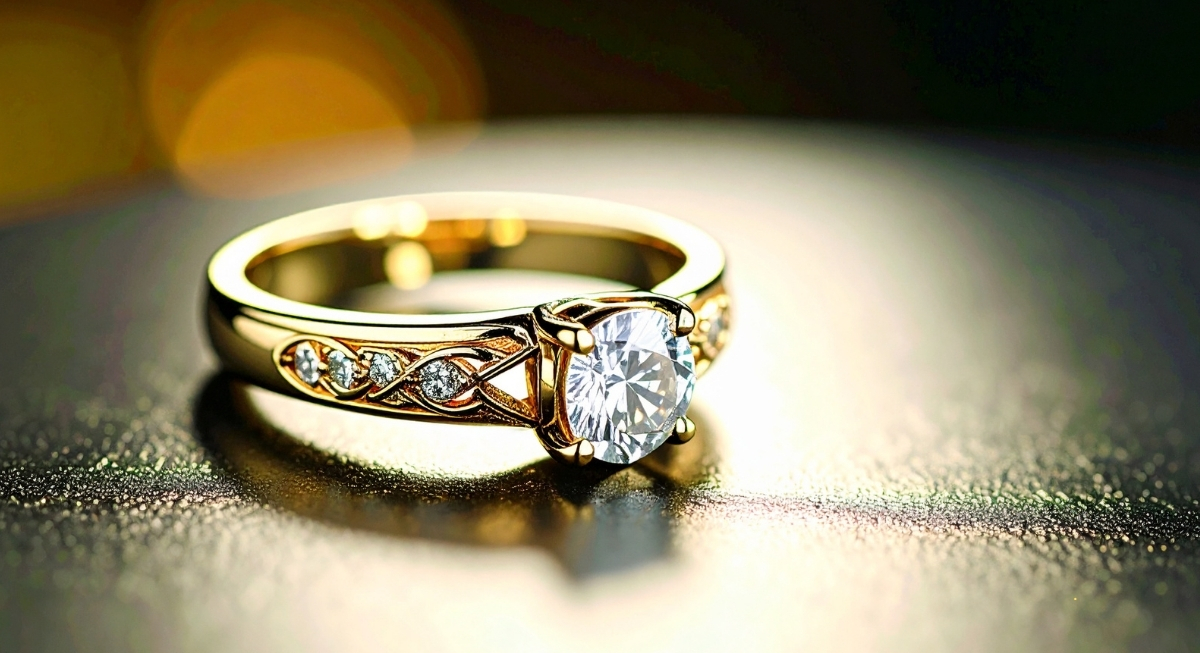
Image via Canva/TrueCreatives
Engagement rings have existed for centuries, but diamonds came into play in 1477, when Archduke Maximilian of Austria gave one to Mary of Burgundy. The gesture was noticeable, but it didn’t create an immediate trend. That came much later in the 1940s, when De Beers launched campaigns that tied diamonds to romance and permanence.
The Finger With A “Direct Line” To The Heart
The fourth finger on the left hand earned its role from a belief that one of its veins ran straight to the heart. Ancient Egyptians called it the “vena amoris,” or vein of love. Anatomy doesn’t support the claim, but the symbolism proved too strong to ignore. Romans adopted it, and the placement remains one of the most widely followed wedding habits today.
Bridesmaids Were Once A Disguise
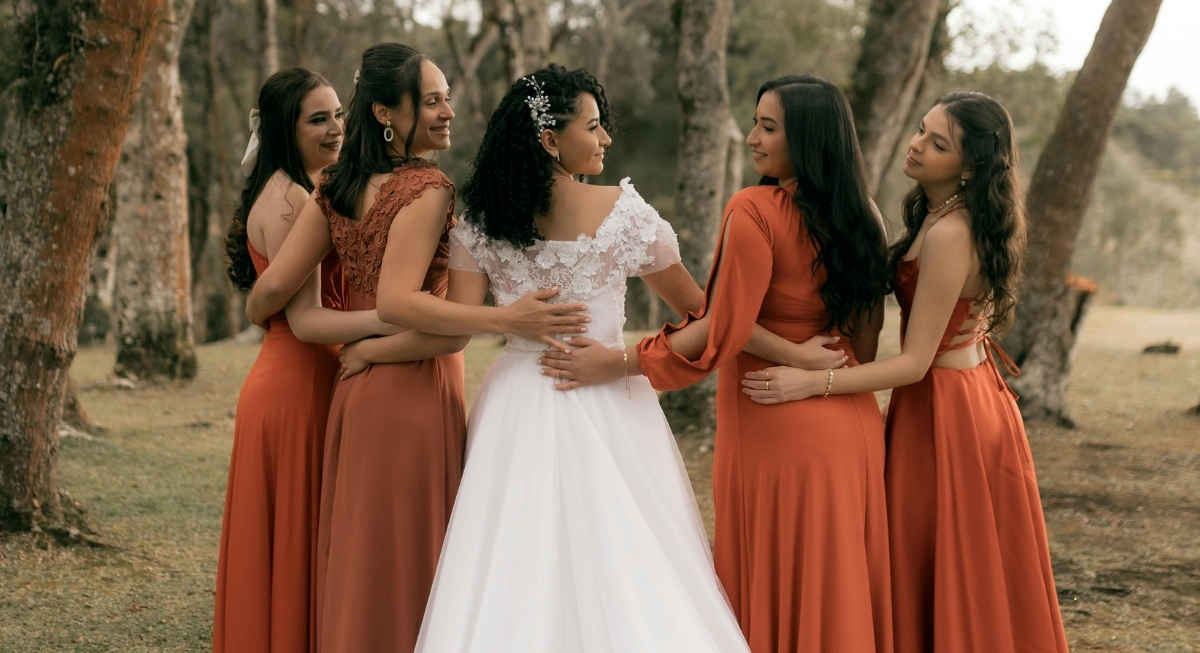
Image via Pexels/Alexander Mass
Matching bridesmaid dresses look coordinated now, but the idea began as a form of protection. In ancient Rome, people feared evil spirits would target the bride. Dressing several women alike confused those spirits and turned the bridal party into decoys. The same logic applied to groomsmen, who also acted as guards during the ceremony.
The Veil Wasn’t About Style
Veils often get treated as a fashion choice, though their origins were more practical. Ancient Roman brides wore them to shield themselves from bad luck and unwanted attention. Religious traditions added layers of meaning. In Jewish ceremonies, the veil confirms identity, while in Islamic customs, it reflects modesty. The modern version carries echoes of all those beliefs.
Bouquets Used To Be Defensive
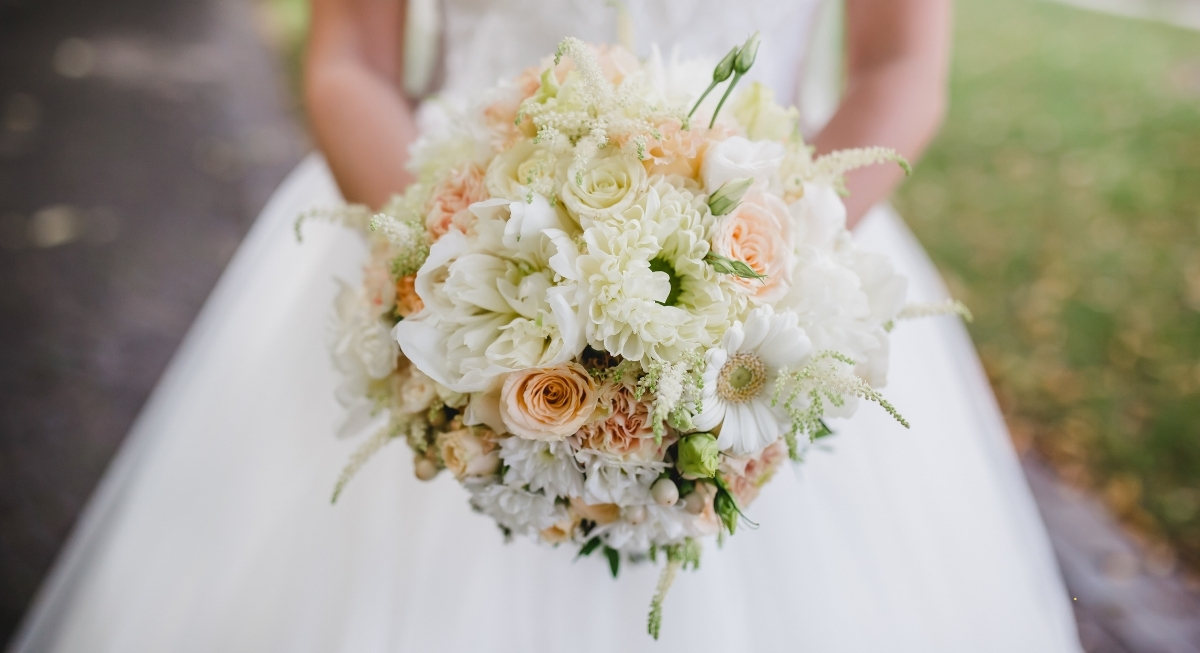
Image via Getty Images/LElik83
Flowers seem like a purely decorative choice, but early bouquets looked very different. Brides in ancient Greece and Rome carried herbs like garlic and dill to repel evil spirits. The switch to flowers came later, helped along by Queen Victoria, who carried snowdrops in 1840. Today’s bouquets focus on beauty, though their original purpose was far less romantic.
“Giving Away” The Bride Had A Price Tag
The walk down the aisle has emotional weight now, but it started as a transaction. In arranged marriages, a father literally transferred responsibility for his daughter, often tied to a dowry. Many ceremonies have since adapted the moment. Some modern couples even invite both parents to walk them down the aisle.
The Cake Came From Something Strange
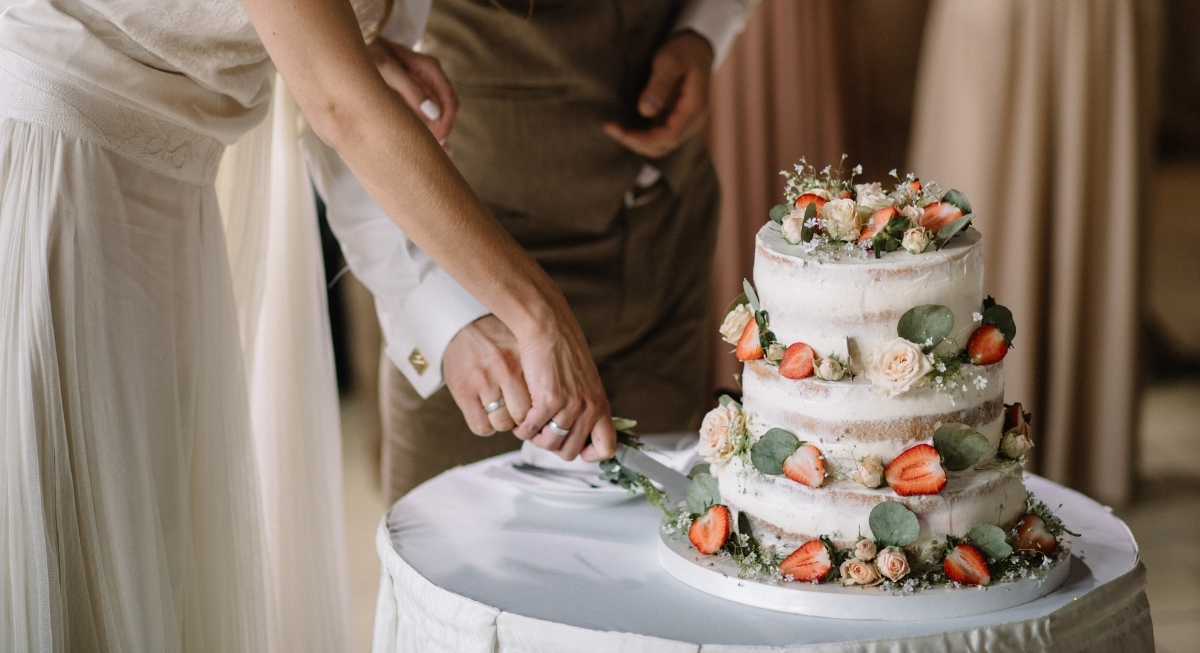
Image via Getty Images/VAKSMANV
Modern wedding cakes’ roots are unusual. Ancient Romans broke bread over the bride’s head to wish for fertility. Medieval English weddings stacked buns and challenged couples to kiss over them for good luck. Early recipes are even more surprising. “Bride’s pie” in 17th-century England included ingredients like oysters and rooster comb. The tiered cake evolved from those customs into the centerpiece seen today.
Tossing The Bouquet Was A Strategy
The bouquet toss initially began as crowd control. Guests once believed touching the bride brought good luck, which led to people grabbing pieces of her dress. Brides started throwing their bouquets to distract the crowd and make a quick exit. The tradition remained and evolved to passing on the marriage baton to the next spinster.