The Forgotten Joy of Pen Pals and Letter Writing in an Age of Instant Messaging
Letter writing was once a primary way to stay in touch, especially when long-distance phone calls were expensive. Pen pals became a common part of growing up, connecting kids across states and continents. Magazines like Tiger Beat, BOP, and Sassy printed pen pal listings where teens could exchange addresses and start friendships with strangers. Every letter required intention. You had to sit down, think through what you wanted to say, and commit it to paper.
The Ritual That Built Anticipation
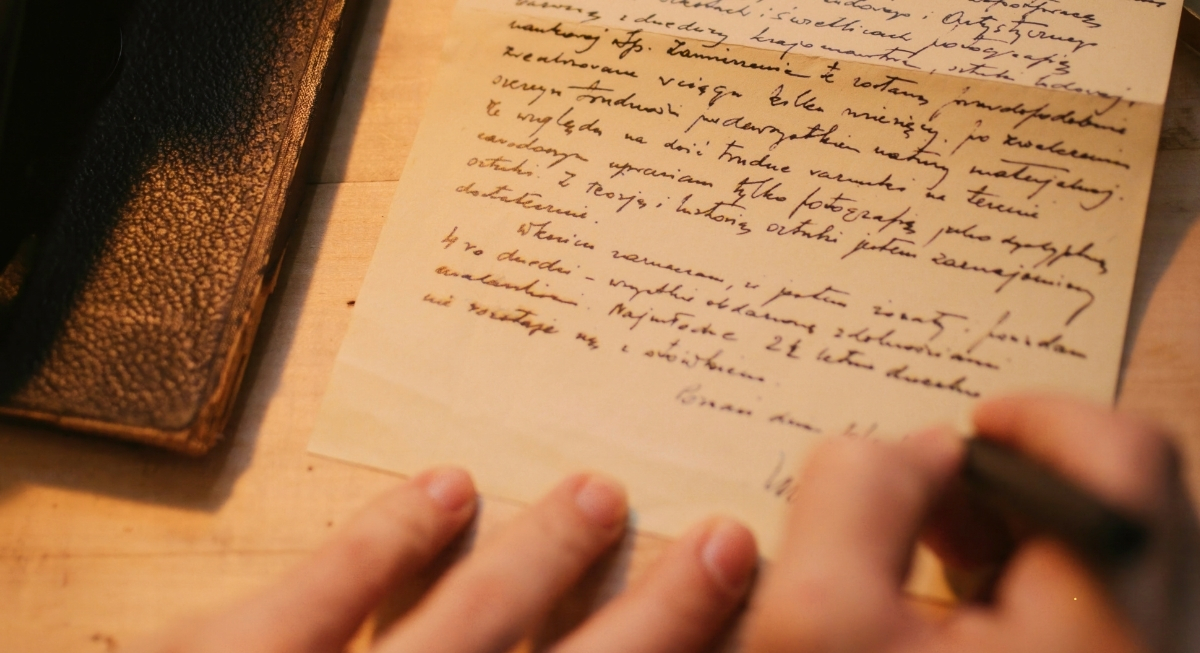
Image via Canva/Dali Images
Communication did not end after dropping a letter in the mailbox. Waiting became part of the experience. Replies could take days or weeks, and that delay created a kind of excitement that modern messaging rarely matches.
Checking the mailbox turned into a daily habit. A letter arriving with your name on it carried a sense of importance that a phone notification cannot replicate. The envelope itself held clues about the sender, from handwriting style to stamps and small details tucked inside.
More Than Words on Paper

Image via Pexels/Edalisu .
People filled envelopes with Polaroid photos, mix tapes, stickers, and clippings that reflected their interests at that moment. A single piece of mail could capture parts of someone’s life.
Handwriting itself added another detail. The way someone formed letters or added small doodles made each message feel personal. Even imperfections, like smudged ink or uneven lines, reinforced that a real person took the time to create it.
Many of these letters stayed around for years. Shoe boxes and drawers filled with old correspondence became informal archives of friendships.
How Digital Took Over the Conversation
The transition to digital communication did not happen overnight. The email arrived first and offered faster delivery while keeping the structure of written communication. Then, instant messaging platforms like AOL Instant Messenger and ICQ changed the pace entirely by allowing real-time conversations.
Social media platforms such as MySpace, Facebook, Twitter, and Instagram expanded that shift. They made it easy to connect with large groups at once. Messaging apps like WhatsApp and Snapchat pushed things even further by prioritizing speed and short-lived interactions.
What Changed Along the Way

Image via Canva/DragonImages
Modern communication tools offer clear advantages. People can maintain relationships across continents, share photos instantly, and stay updated in real time. Those benefits are hard to ignore.
Yet something changed in the experience itself. Messages became shorter, faster, and easier to send, which also made them easier to forget. The space for reflection shrank, and conversations began to feel more transactional.
Pen pals and letter writing created a slower routine that encouraged thought, patience, and deeper exchanges. This did not just support communication, but also shaped how people connected.
Revisiting that approach does not require abandoning technology. It can be as simple as choosing to write a longer message, sending a thoughtful email, or even putting pen to paper again. The tools have changed, but the desire for meaningful connection has not.