The Era of Landlines and Chance Encounters: How People Met Before Dating Apps
For most of the 20th century, relationships grew out of everyday routines. People met through friends, coworkers, family circles, or shared hangouts like bars and coffee shops. Blind dates were significant because introductions came with some level of trust. Social networks worked as filters.
The term “date” itself did not come into use until around 1896. By the mid-1900s, dating had settled into a familiar pattern. People connected through school, work, or mutual friends, then met in person to see if something clicked.
The Landline Era And Slow Communication
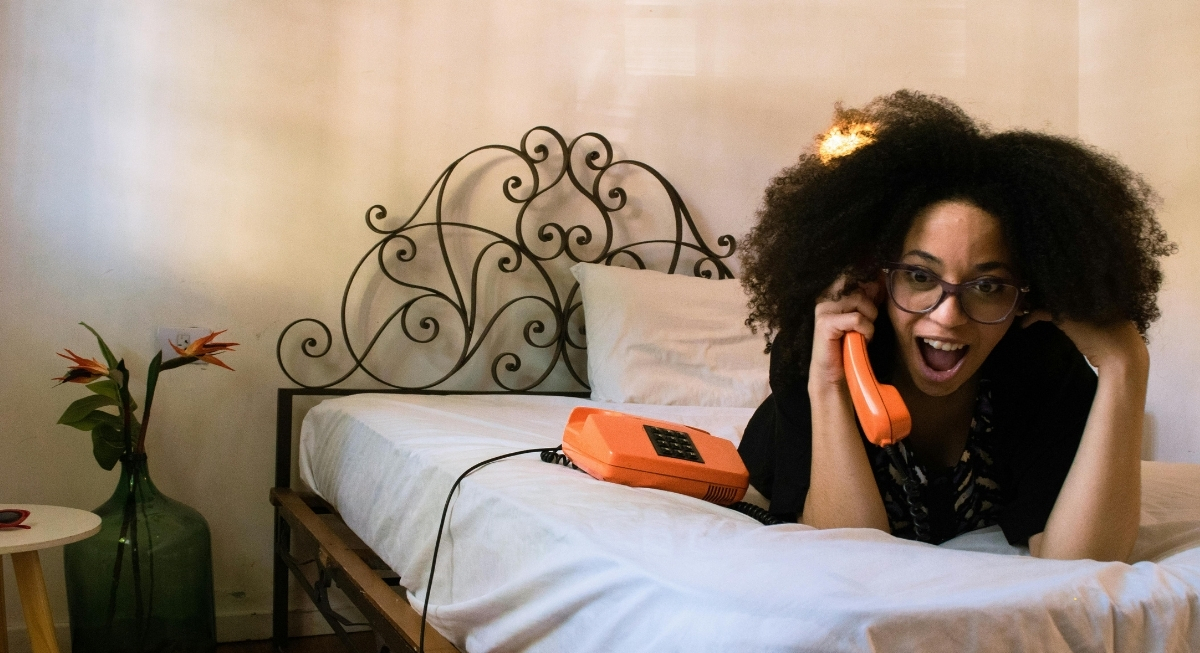
Image via Pexels/Kari Alfonso
Before texting and direct messages, communication followed a different pace. Landline calls required precise timing. Calling too early or too often could feel awkward, and missing someone often meant waiting hours or even days to try again. The slower pace shaped how relationships developed. Conversations lasted longer, plans required coordination, and people relied on memory instead of chat histories.
Chance Encounters That Actually Meant Something

Image via Getty Images/AntonioGuillem
Meeting someone often came down to being in the right place at the right time. A casual conversation at a party or a shared moment at a local café could turn into something more. These encounters felt organic.
Before the 1990s, most relationships began through in-person interactions. There were fewer options, which meant people paid closer attention to each connection.
The First Digital Shift
The idea of meeting someone online began to gain traction in the 1990s. Match.com launched in 1995 and introduced a structured way to connect through profiles and messaging. Early platforms required detailed information, which pushed users to focus on compatibility rather than quick impressions.
Pop culture even picked up on the switch. The 1998 film You’ve Got Mail reflected how online communication was beginning to blend with romance. At the time, meeting someone online still carried a stigma, and many people hesitated to admit it.
When Dating Became Faster And Broader

Image via Canva/pixelshot
Everything changed once smartphones entered the picture. Apps like Grindr, introduced in 2009, introduced location-based matching, while Tinder, introduced in 2012, turned dating into a rapid decision-making process. A glance at a profile was enough to decide interest.
By 2013, usage of dating apps was around 11 percent among United States adults. The number climbed to about 30 percent in later years. Platforms like Bumble, launched in 2014, introduced new dynamics by allowing women to make the first move. These apps expanded the dating pool far beyond local circles. Meeting someone across town or even across the country became normal, something that earlier generations rarely experienced.
Why The Old Way Is Still Unique
Looking back, pre-app dating offered fewer choices but an often deeper focus. People relied on shared environments, mutual connections, and consistent communication to build relationships. The process took longer, but it encouraged stronger attention to each interaction.
Modern dating is much faster and reaches further, but earlier methods still shape how people think about connection. Even now, many relationships that start online still depend on the same fundamentals that existed in the landline era: real conversations, shared experiences, and the ability to connect beyond a screen.