Why Gen Z Is Leaving Dating Apps in Record Numbers
More than half of Gen Z reports feeling burned out often or always while using dating apps, according to a July 2025 Forbes Health survey. That rate surpasses every other age group. Burnout here goes beyond boredom. It stems from constant self-editing, repeated introductions, and the expectation of staying upbeat while sorting through strangers. Apps reward speed and volume, while Gen Z increasingly values emotional clarity and intention.
Intimate relationships and dating patterns reflect the strain. Data from the Institute for Family Studies show that adults today have fewer intimate relationships than those in 1990, with Gen Z experiencing the sharpest decline. The promise of endless matches has not translated into a deeper connection. For many users, it has had the opposite effect.
The Gamification Problem
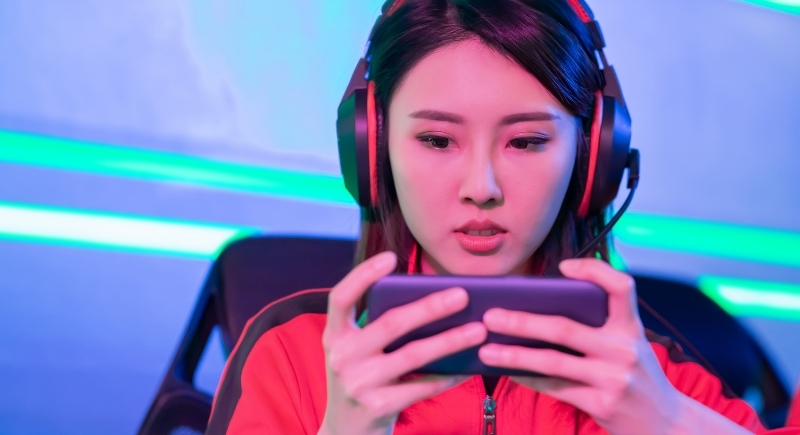
Image via Canva/RyanKing999
Dating apps frame romance as a game, complete with streaks, prompts, badges, and algorithms nudging people to keep playing. Gen Z recognizes the design for what it is. Swiping starts to feel transactional, even performative. Each profile demands a polished version of the self that looks confident, busy, interesting, and effortless all at once.
That pressure drains people, and many Gen Z users describe feeling reduced to photos and captions, judged in seconds, then dismissed without context. The cycle repeats daily. Even apps that market themselves as relationship-focused still rely on the same mechanics, which makes the experience feel shallow regardless of intent.
Safety Shapes Every Choice
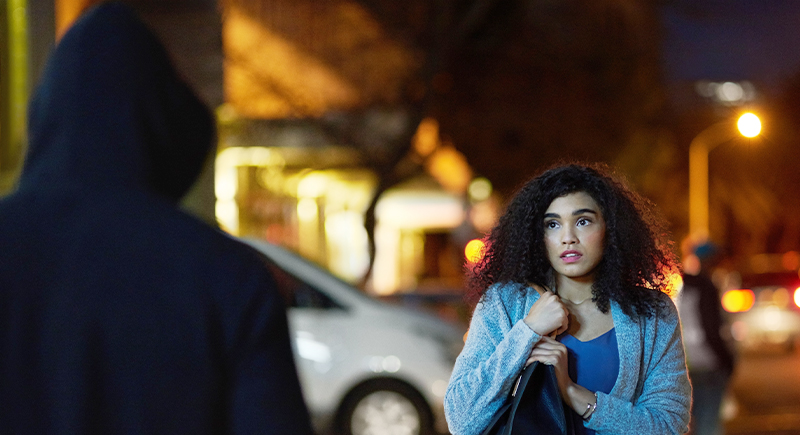
Image via iStockphoto/PeopleImages
For Gen Z women in particular, safety concerns weigh heavily. Research tied to the Violence Policy Center shows women face a far higher risk of harm from intimate partners than men. That reality influences how young women approach dating apps.
Location sharing, detailed vetting, and canceled dates are common practices. These steps protect users, yet they also add friction and stress to the process. Unwanted messages, unsolicited images, and aggressive behavior are common complaints. Over time, the mental effort required to stay alert outweighs the potential payoff. Burnout follows naturally.
High Standards, Low Tolerance
Gen Z enters dating with more precise boundaries than previous generations. A 2025 Bumble survey found that 64 percent of women refuse to settle for less than they want and need. Dating apps struggle to support that mindset. The design encourages quick decisions and constant compromise, which clashes with a generation that values emotional self-respect and autonomy.
When standards stay high and options feel endless, users face a paradox. Choice overload leads to indecision, and indecision ultimately results in disengagement. Many keep their profiles active while barely swiping, then step away entirely.
Real Life Feels Easier Now

Image via iStockphoto/fotostorm
As app fatigue grows, in-person connection feels less intimidating by comparison. An Eventbrite survey found that nearly half of Gen Z prefer meeting potential partners through mutual friends, while about one-third hope it happens during everyday routines. These settings offer context, accountability, and shared experience.
They also reduce the pressure to perform on demand. Social media fills some of the gap, allowing slower, more organic interaction without the rigid structure of dating apps. Others skip platforms altogether and focus on community spaces where conversation unfolds naturally.
Dating apps are not disappearing overnight. Plenty of Gen Z users still log on, swipe, and even find relationships. The difference lies in commitment. The excitement has faded, and the tolerance for friction has dropped. Gen Z grew up fluent in digital systems, which makes them quick to recognize when a tool no longer serves its purpose.
Leaving dating apps is less about rejecting technology and more about refusing an experience that feels draining, impersonal, and misaligned. The record numbers reflect a generation choosing ease, safety, and intention over endless swipes.