The Deep Psychological Comfort We Get From Remembering Dead Shopping Malls
A strange thing happened after America stopped caring about shopping malls: people started missing them more than ever. You can see it all over the internet. Grainy videos of abandoned food courts attract millions of views. Reddit threads are filled with stories about Orange Julius dates, arcade tokens, and Saturdays spent wandering around Sam Goody with 20 dollars and nowhere to be. Some YouTube channels now even document dead malls like historical landmarks.
This emotional pull surprises many people because malls spent years being mocked. They were called soulless, repetitive, and wasteful. Then stores started closing. Sears collapsed, Macy’s downsized, and JCPenney shrank. By 2007, America went an entire year without building a new mall for the first time since the modern shopping mall arrived in 1956. Suddenly, the places people rolled their eyes at started feeling oddly sacred.
The Mall Was Basically America’s Living Room
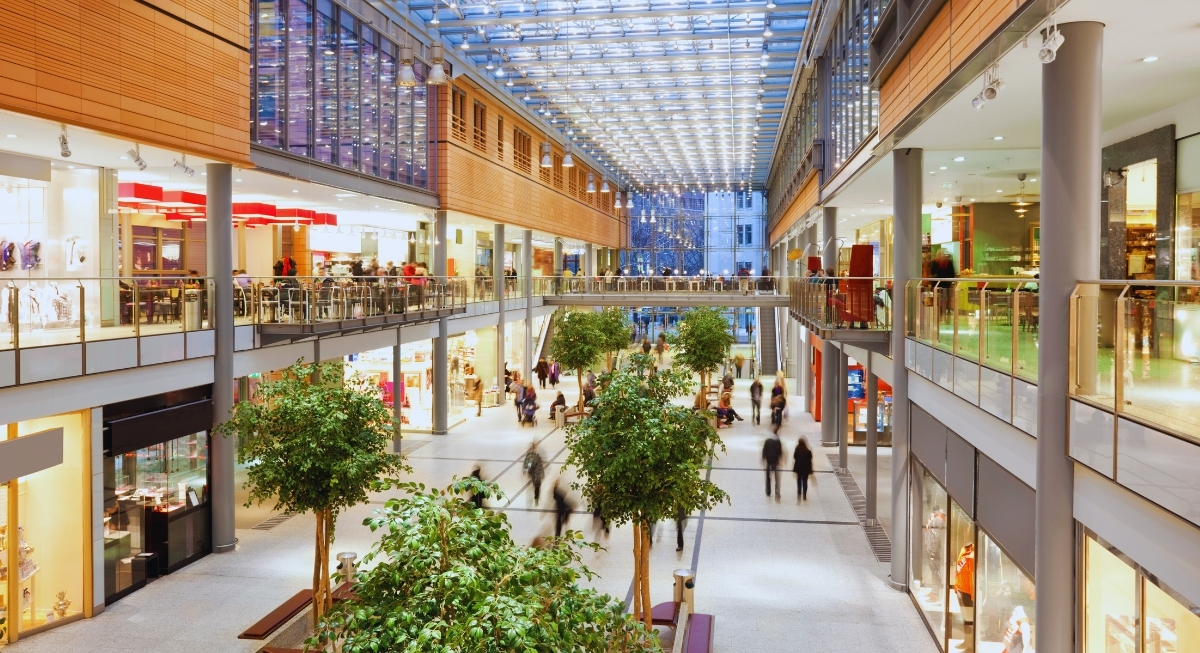
Image via Getty Images/IGphotography
Indoor malls gave suburban America a shared routine. Teenagers met friends there after school, parents pushed strollers through department stores on weekends, and elderly shoppers walked laps before stores opened. First jobs happened at food courts, and first dates were beside fountains and movie theaters.
Even the stores felt familiar across the country, with the most famous being Auntie Anne’s, Spencer’s, Sbarro, KB Toys, Bath & Body Works. A mall in Pennsylvania looked strangely similar to one in California. The repetition created a collective memory bank.
Researchers who study “dead mall culture” have noted that people often describe malls less as community spaces. Many online discussions focus on freedom, social connection, and routine. But modern shopping rarely works that way anymore. Online shopping is efficient, and big-box stores are practical. Neither gives people a place to linger.
Empty Malls Feel Weirdly Peaceful
YouTubers like Dan Bell built huge audiences documenting malls in decline because viewers connected to the silence and stillness. Bell once compared dead malls to the Titanic. They were massive cultural symbols that suddenly sank while people were still on board.
There’s psychology behind that fascination. Nostalgia tends to spike during stressful periods because familiar memories create emotional stability. Dead malls remind people of predictable weekends, physical gathering spaces, and a period when the future still felt organized and optimistic.
Ironically, many malls become more beautiful after consumerism drains out of them. Once advertisements disappear and crowds vanish, people start noticing the architecture itself. Some writers have compared dying malls to modern Roman ruins because they reveal the remains of an era people once believed would last forever.