10 Photos That Perfectly Capture How Wild Mall Culture Was in the ’80s and ’90s
There was a stretch of time when hanging out at the mall felt like the default plan. It was where people passed the time and kept up with trends. Old photos show how much effort went into making these spaces feel lively. The details reveal how malls became social hubs that shaped everyday routines in ways that feel unfamiliar now.
When The Mall Turned Into A Party
Credit: Getty Images
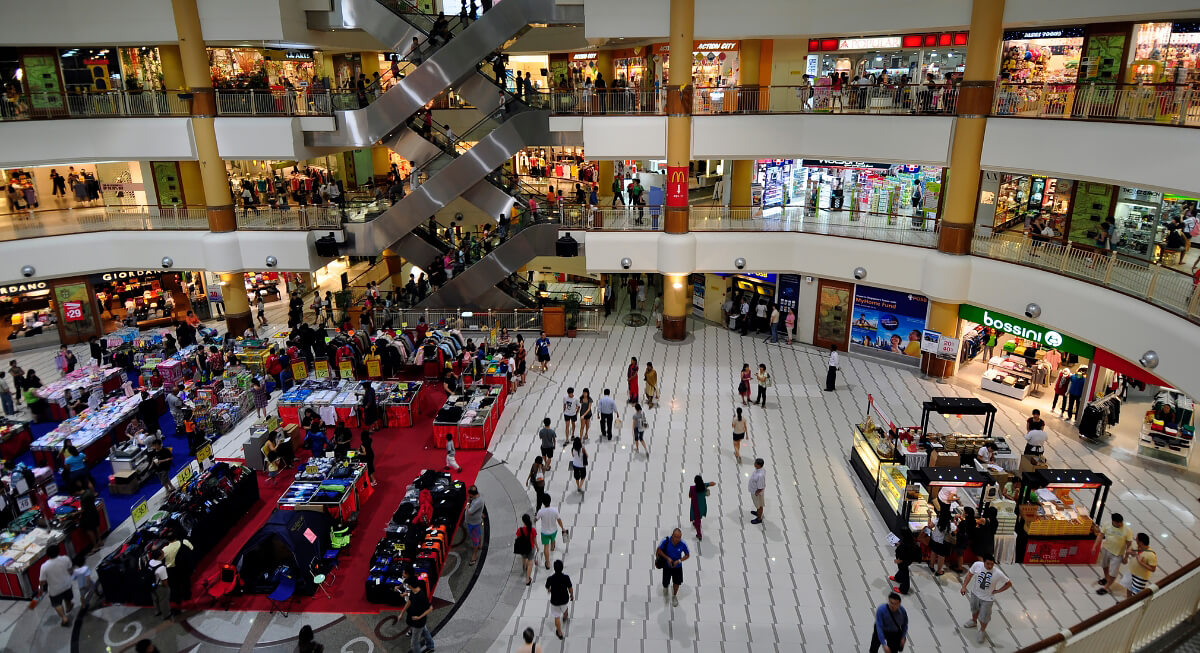
In 1995, Shoppi Spreitenbach transformed its central floor into a space for temporary vendor booths and overhead string lights. These setups worked like short-term attractions, designed to draw crowds during slower shopping periods. People sampled products or took part in the activity.
Grand Interiors That Felt Like Luxury Hotels
Credit: Nur Kayat’s Images
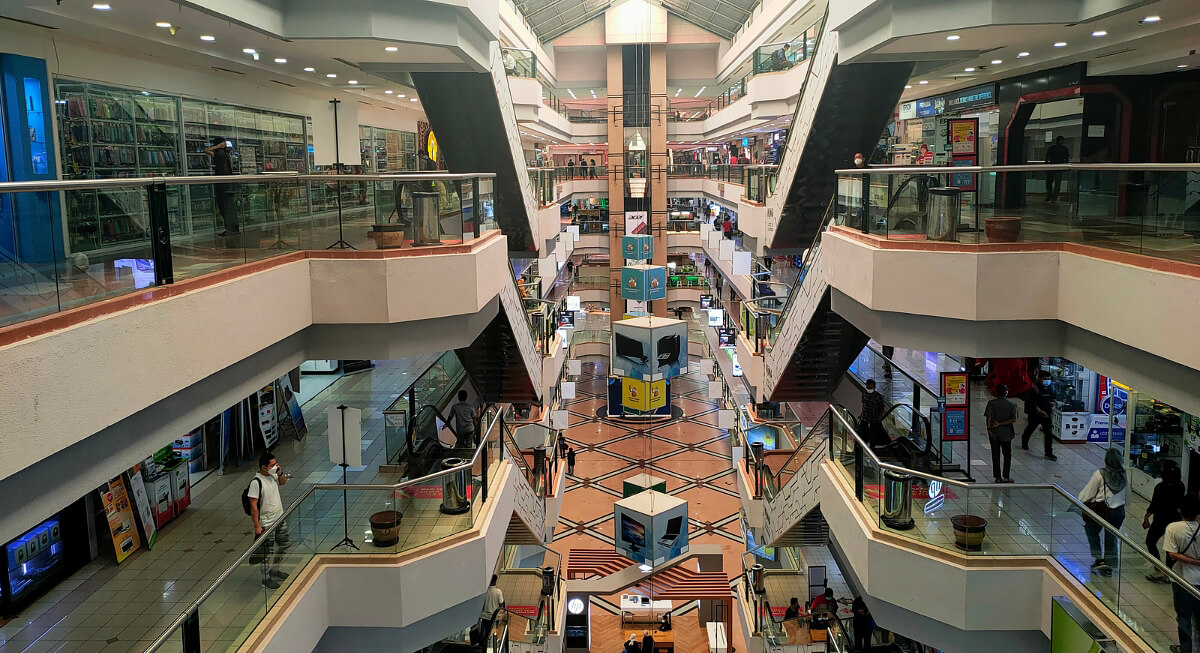
Eldon Square in Newcastle leaned into symmetry and wide-open sightlines when it opened. Its large atrium drew the eye upward, and escalators became part of the visual layout rather than just functional elements. Developers during the late 1980s leaned toward these designs to guide foot traffic and keep visitors moving at a steady pace.
Flipping Through Records Before Streaming Took Over
Credit: pexels
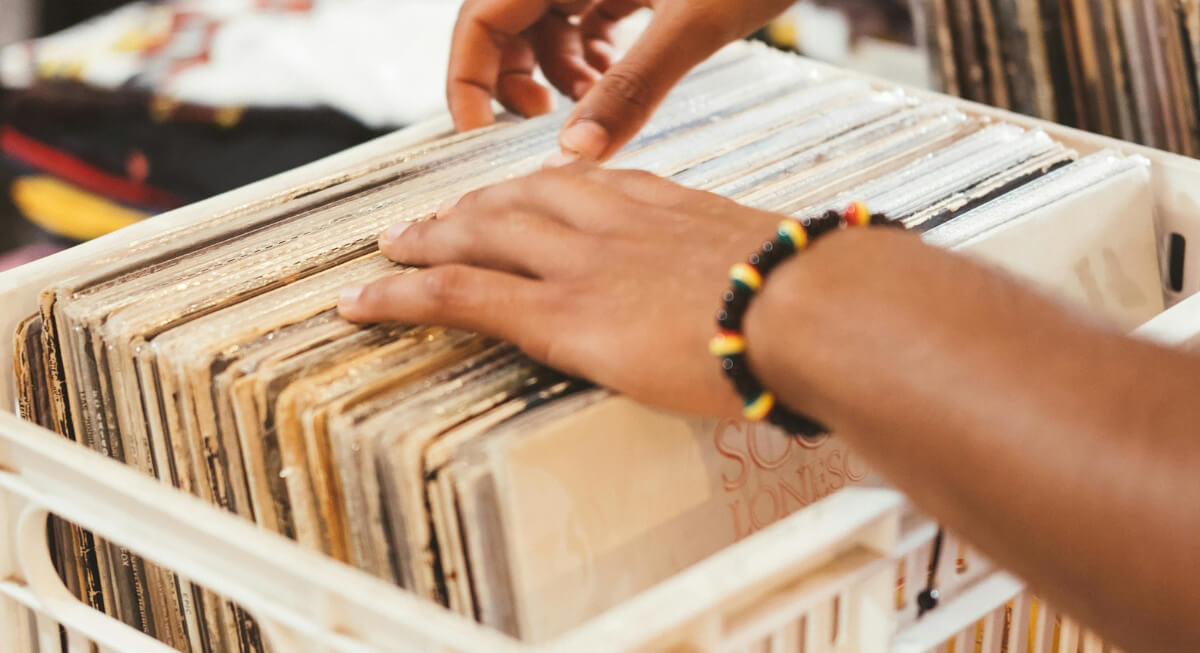
At Ala Moana Center in 1993, customers stood shoulder to shoulder at listening stations, testing albums before buying. Browsing took effort, and recommendations came from staff picks or what caught someone’s eye in the bins. Stores often charged higher prices for imports or early releases, so decisions were made more carefully.
Calling Friends From The Middle Of The Mall
Credit: Reddit
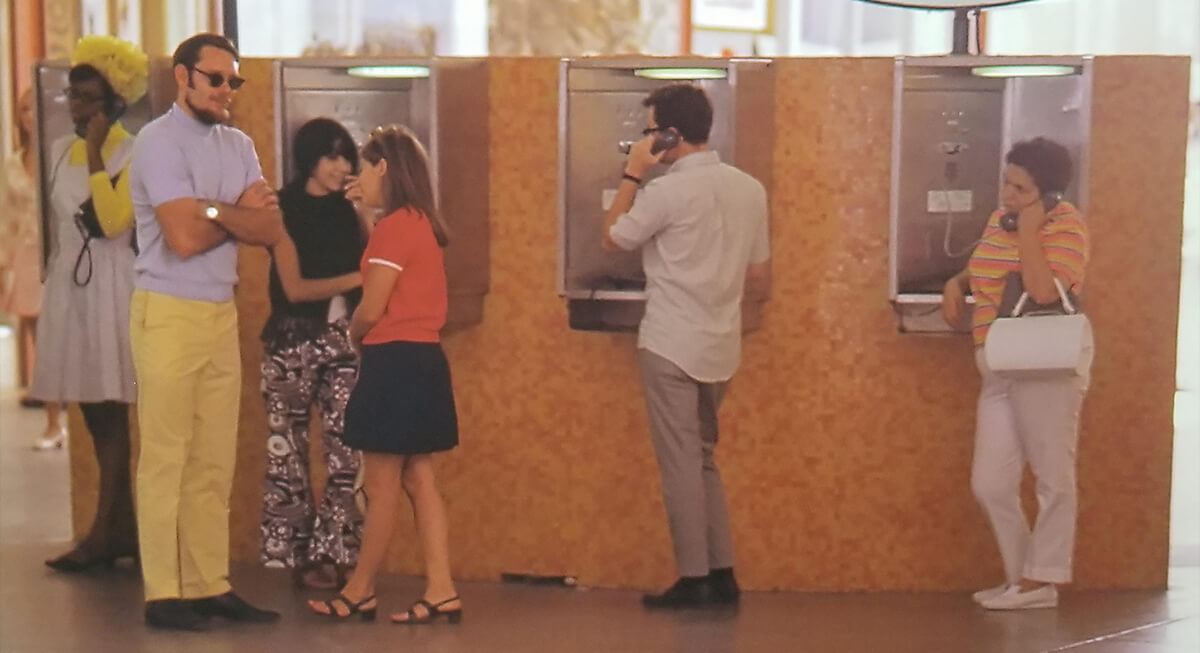
Payphones placed between stores acted as reliable meeting points in the 1980s. Teenagers carried coins and memorized phone numbers in case plans changed. Timing mattered since missed connections were common. These spots often became informal hubs, especially near theaters or entrances where people agreed to meet after splitting up.
Where Shopping Met Theme Park Scale
Credit: Reddit
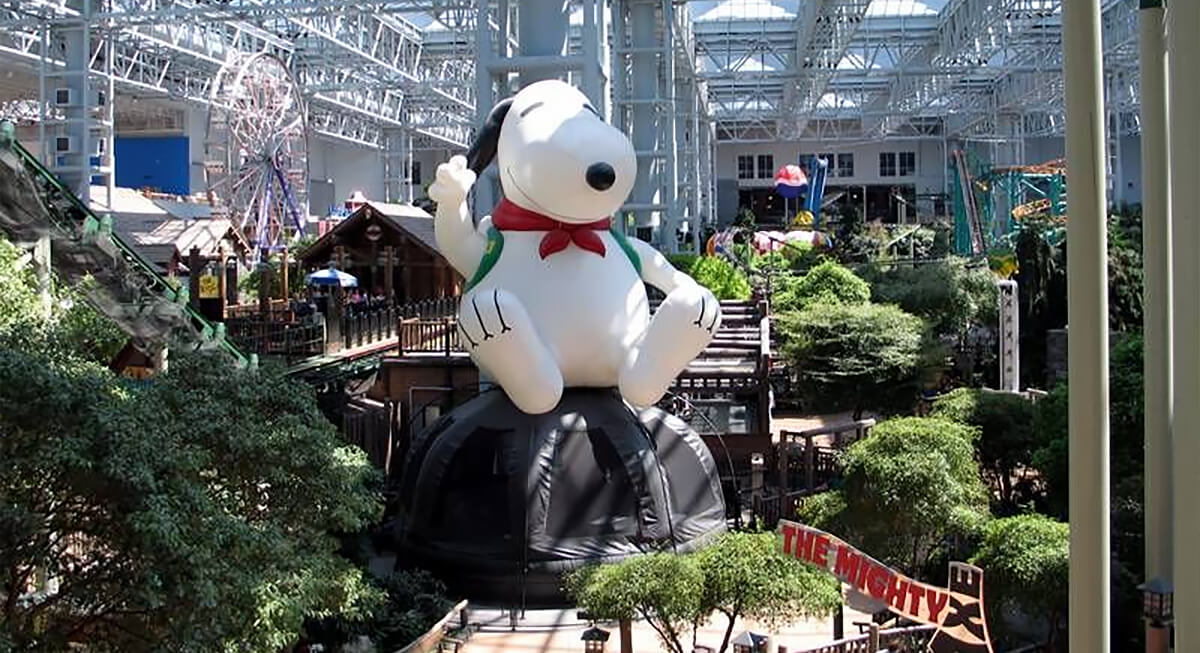
When the Mall of America opened in 1992, it introduced a different kind of retail experience. With over 500 stores and an indoor amusement park, it blurred the line between shopping and entertainment. A large Snoopy balloon helped visitors orient themselves and became a recognizable feature tied to the mall’s identity.
When TV Took Over The Video Store
Credit: Reddit
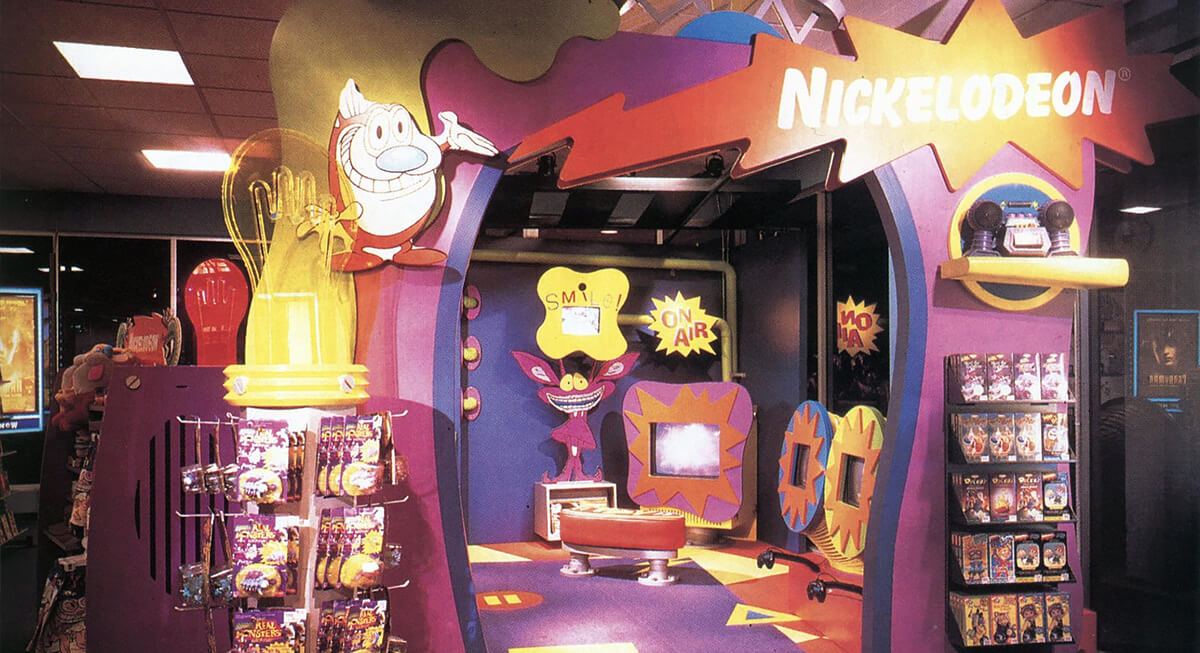
Blockbuster locations in the late 1990s built themed sections featuring popular television networks, such as Nickelodeon. Bright colors and character displays drew attention right away. Kids recognized familiar faces from home.
The Store That Defined Mall Retail Chains
Credit: Wikimedia Commons
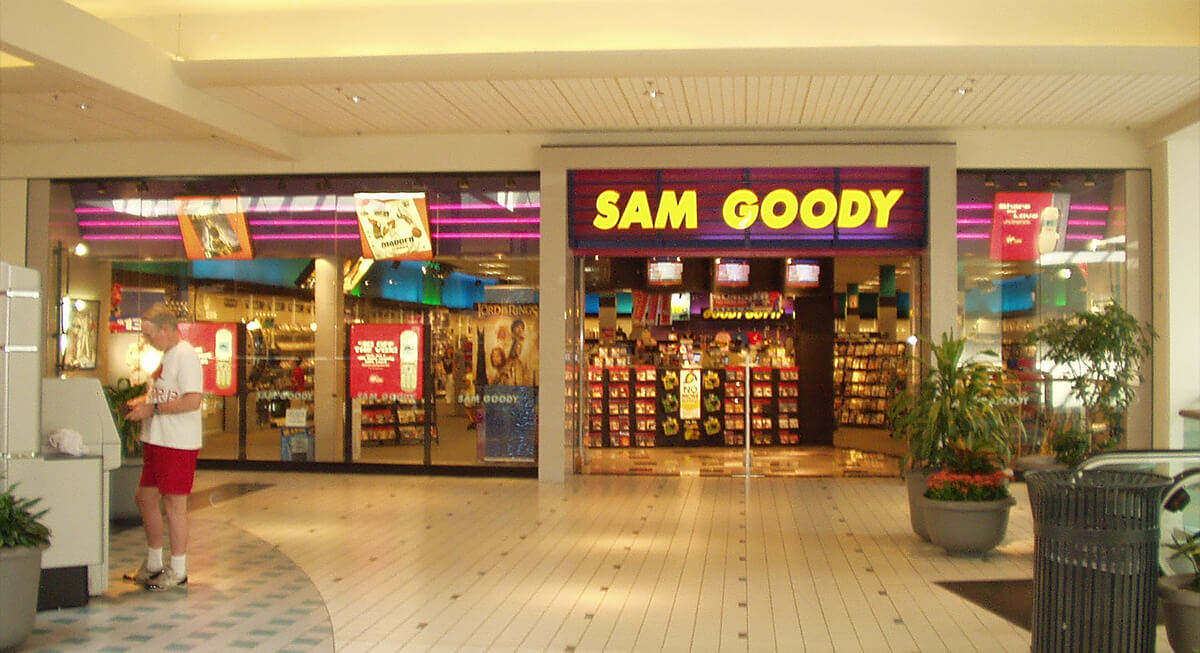
Sam Goody expanded from a single New York store into a nationwide presence by the 1990s. Its bold signage and tightly packed shelves made it easy to spot inside any mall. The brand became closely linked with music retail before digital formats and large retailers began to reshape the industry.
Back-to-School Shopping Felt Like A Big Deal
Credit: Wikipedia
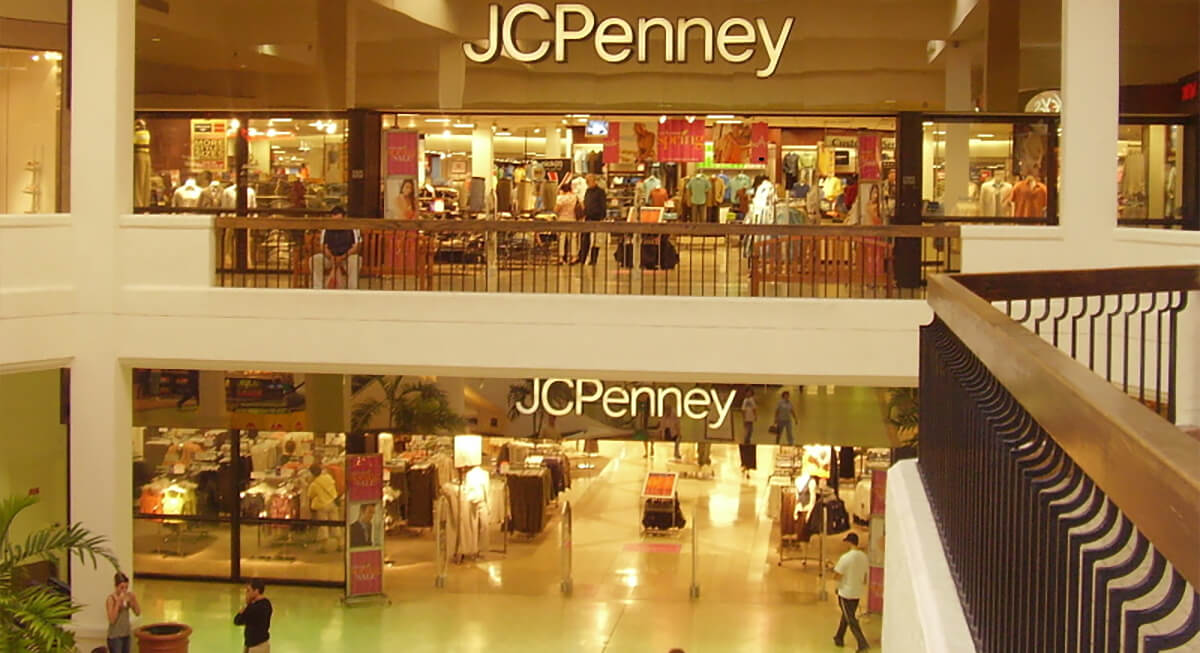
This 1996 snapshot shows kids with armfuls of shopping bags as summer wound down, a clear sign the season was coming to a close and school was right around the corner. Back then, the trip often meant starting at anchor stores like JCPenney or Sears for basics, then heading to spots like Gap or Limited Too for trend-driven pieces.
When Celebrities Showed Up At Your Local Mall
Credit: Wikimedia Commons
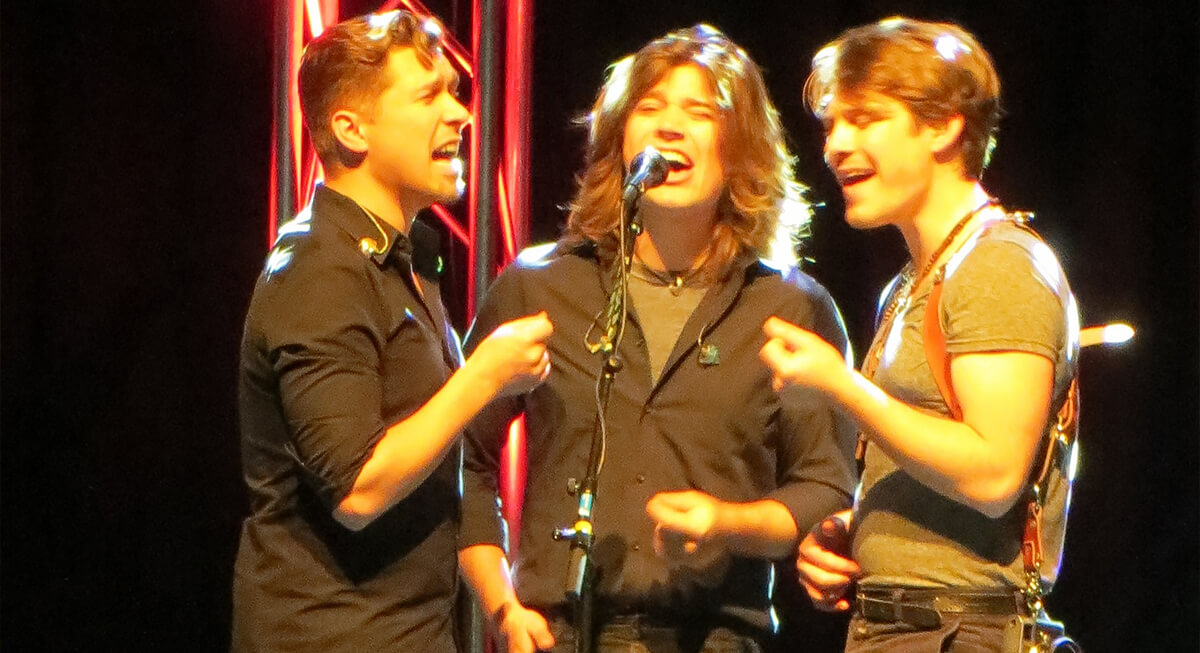
In 1997, the band Hanson drew crowds during an autograph signing at a Sam Goody location. Events like these brought major names into everyday retail spaces. Fans lined up hours early, and stores used the opportunity to boost album sales.
Live Performances Right Next To Retail
Credit: allthatsinteresting
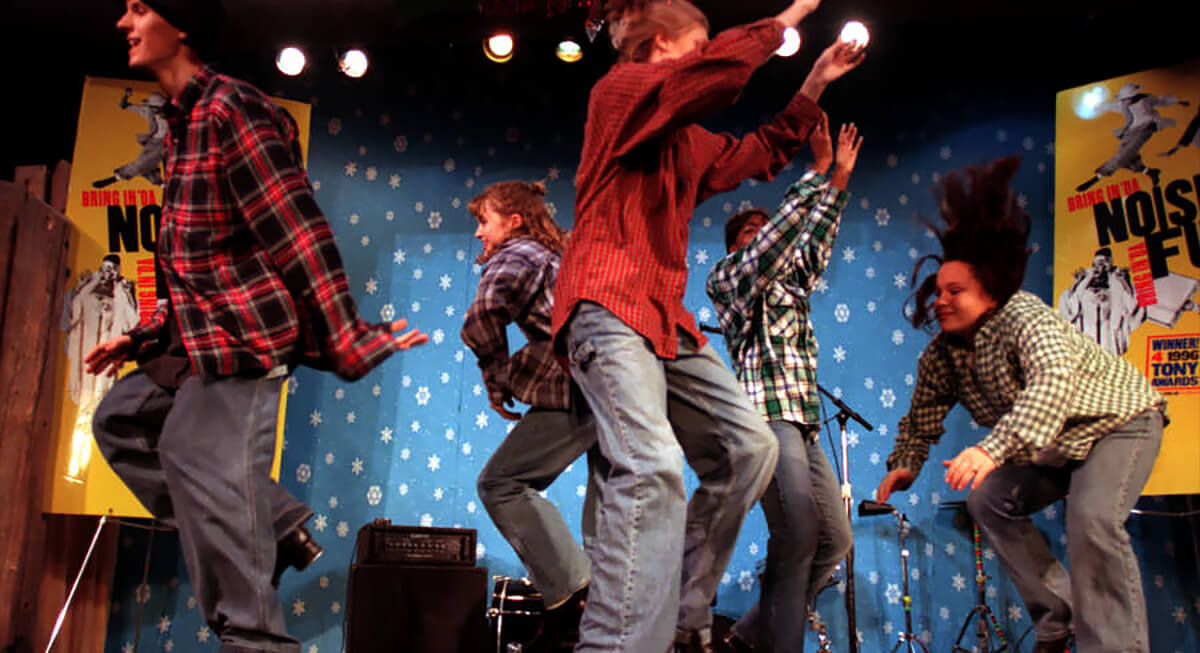
The Mall of America’s Wilderness Theatre hosted dance events in 1997 that placed performers in front of passing shoppers. These performances offered local talent a chance to gain exposure in a public setting. Crowds formed naturally as people stopped to watch.