10 Pokémon Go Moments from 2016 That United the Entire World for a Summer
July, 2016 was the month Pokémon Go launched, and for a few weeks, the entire world seemed to operate on a different set of rules. People were participating in a massive social experiment that forced everyone to actually talk to their neighbors. You likely remember that specific summer energy and the moments that defined the season.
The Birth of the Power Bank Aesthetic
Credit: pexels
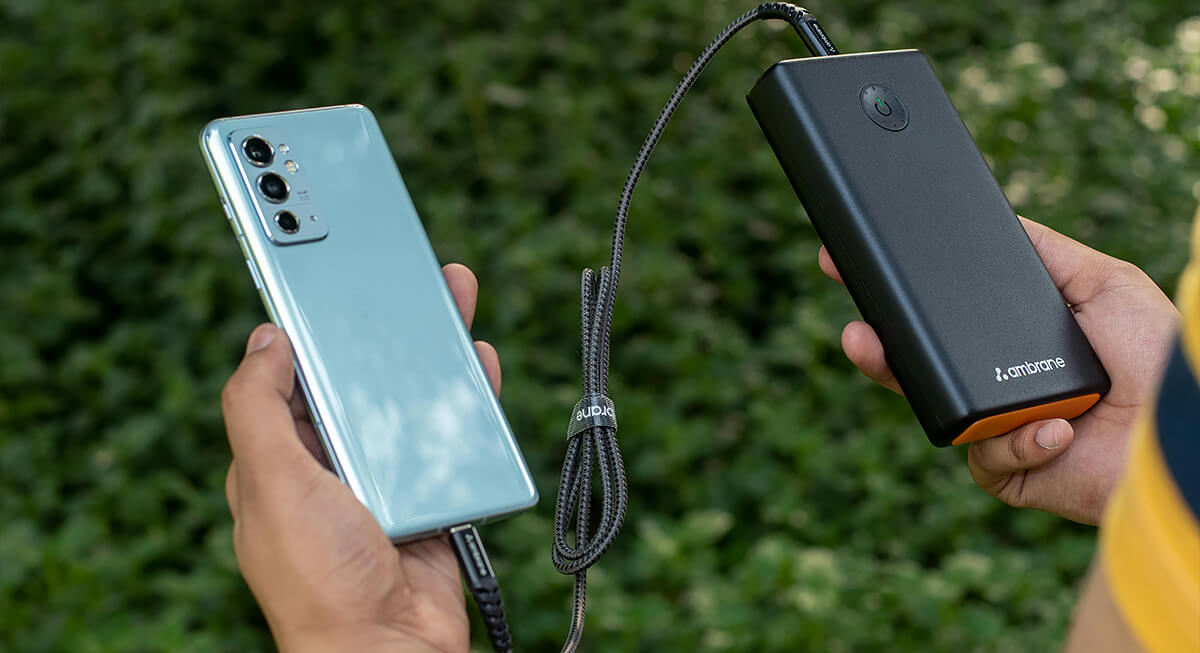
Before 2016, carrying a portable battery pack was mostly for hikers or business travelers. Once Pokémon Go dropped, these bulky plastic bricks became the season’s must-have accessory. You could spot a player from a block away by the telltale charging cable snaking from their pocket to their palm. Since the game famously chewed through phone batteries in under an hour, the sight of hundreds of people tethered to their pockets became the official uniform of the summer.
Central Park Becomes a Digital Stampede
Credit: Wikimedia Commons
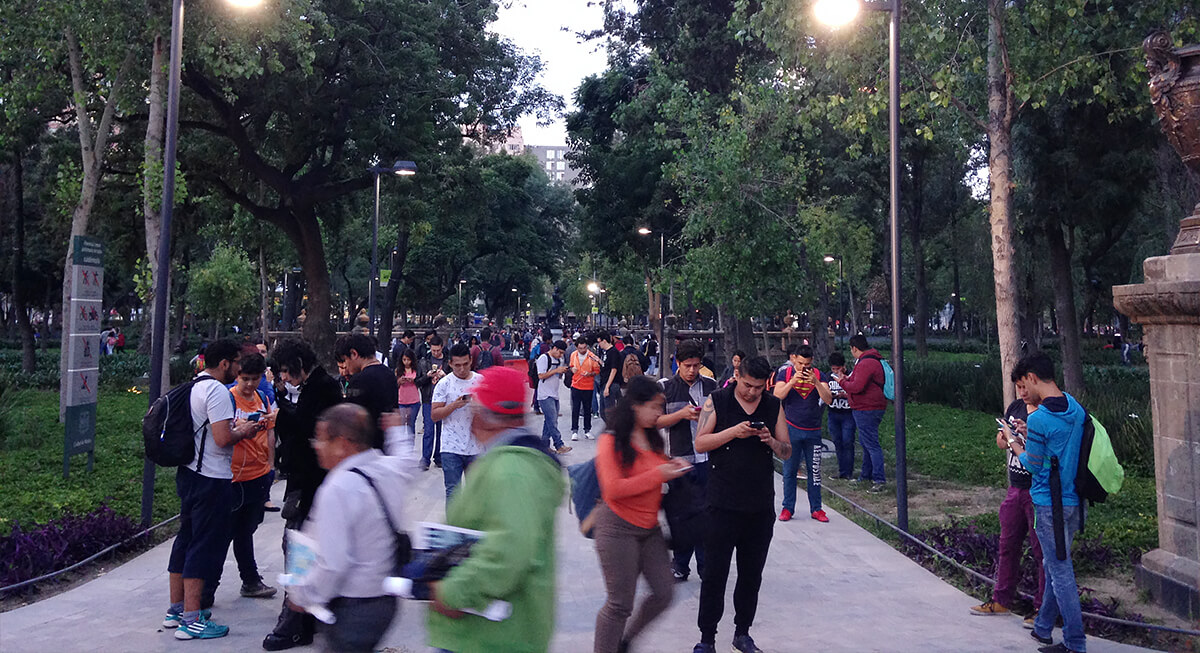
One of the most famous videos from that year featured a crowd in New York City abandoning their cars in the middle of the road to run toward a Vaporeon. A rare Pokémon appeared in Central Park, and the resulting swarm looked like there was a disaster. It was one of the first times the world saw how a digital notification could physically move thousands of people at once.
Bars and Bakeries Join the Teams
Credit: Youtube
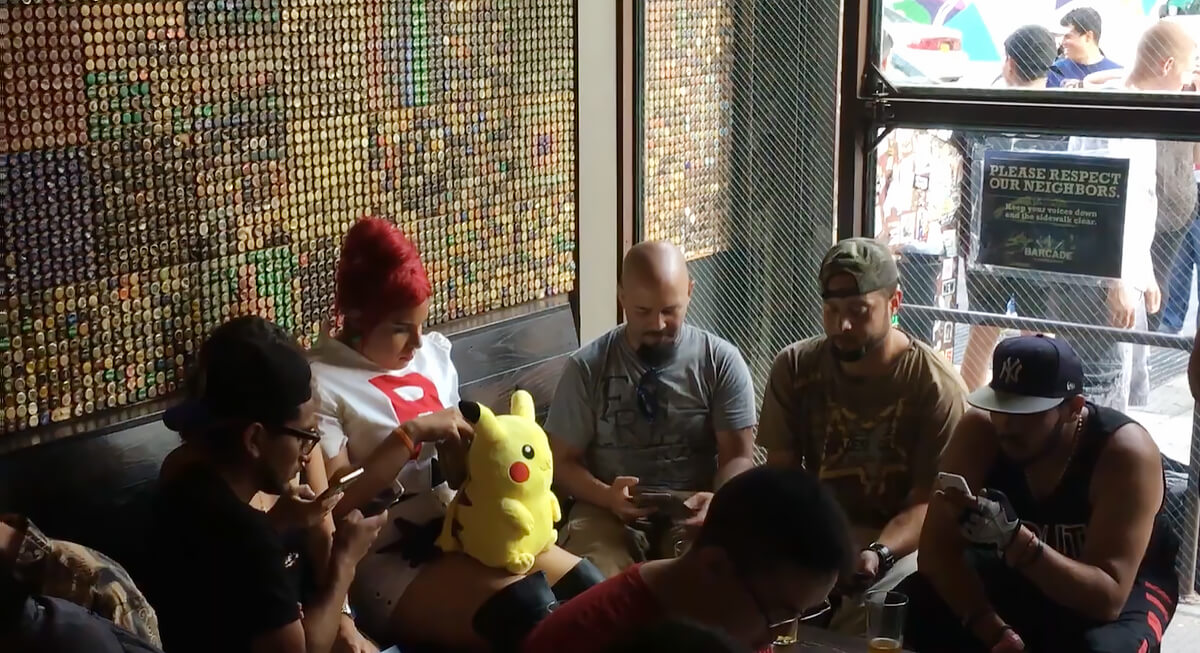
Local businesses quickly realized they could make money off the digital foot traffic. It became common to see chalkboards outside cafes offering discounts based on your in-game team. If Team Mystic controlled the gym down the street, you could have ten percent off your latte. Some bakeries gave away free cookies or garlic bread to anyone who reached Level 20. It turned the game into a legitimate part of the local economy, where your digital progress had actual value at the checkout counter.
Midnight Pizza Runs With Strangers
Credit: pexels
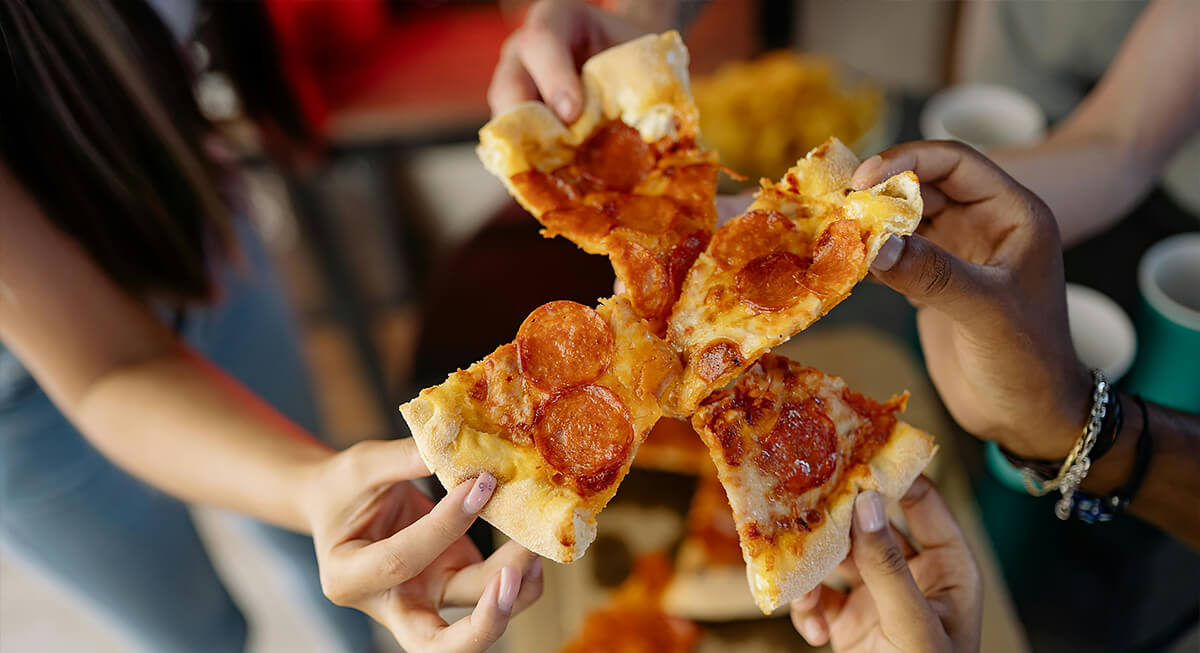
The social unwritten rules of city life briefly disappeared. In places like London or DC, where people usually avoid eye contact with strangers, everyone started talking. It was normal to find yourself sharing a pizza with a group of people you had just met at a park fountain because someone had placed a “lure” there. People were making friends, grabbing drinks, and hanging out in public squares without any of the usual social awkwardness.
The Legend of the Starbucks Secret Drink
Credit: Youtube
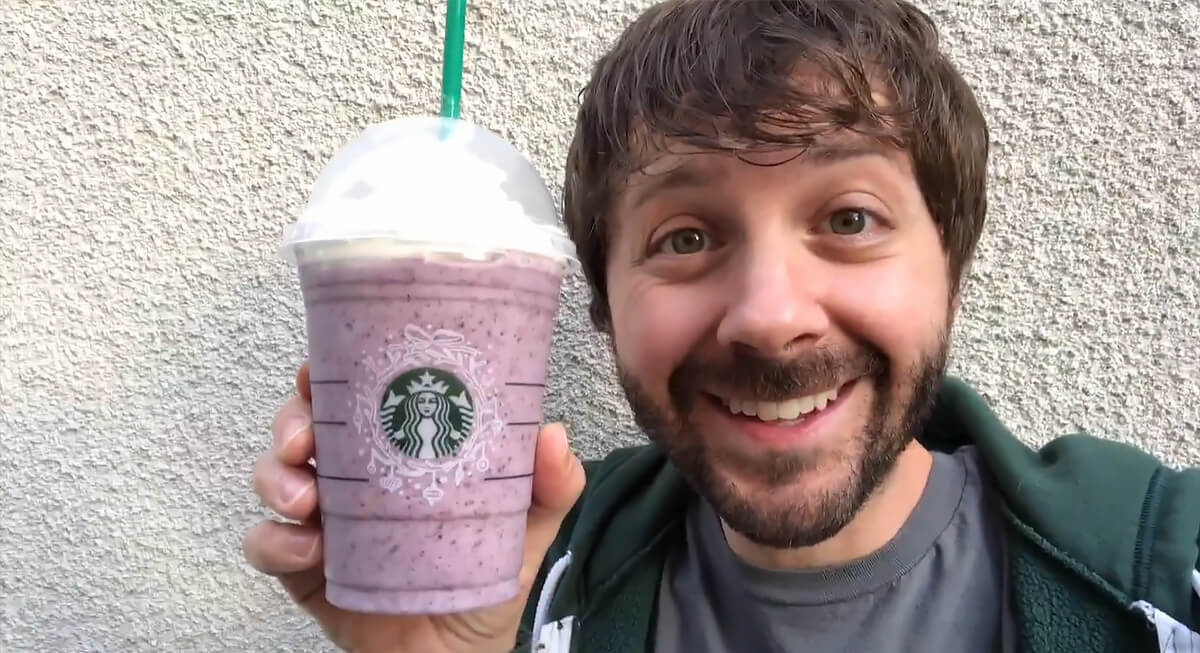
Corporate partnerships eventually caught up with the hype. Starbucks introduced a specific Pokémon-themed Frappuccino to lure players into their stores. While people debated whether it was a “Pokeball” or a “Pikachu” drink, the result was the same. Store lobbies became unofficial hubs where people would sit for hours, spinning the nearby Pokéstop to cool off with a purple berry-flavored beverage.
Churches and Water Tents
Credit: Instagram
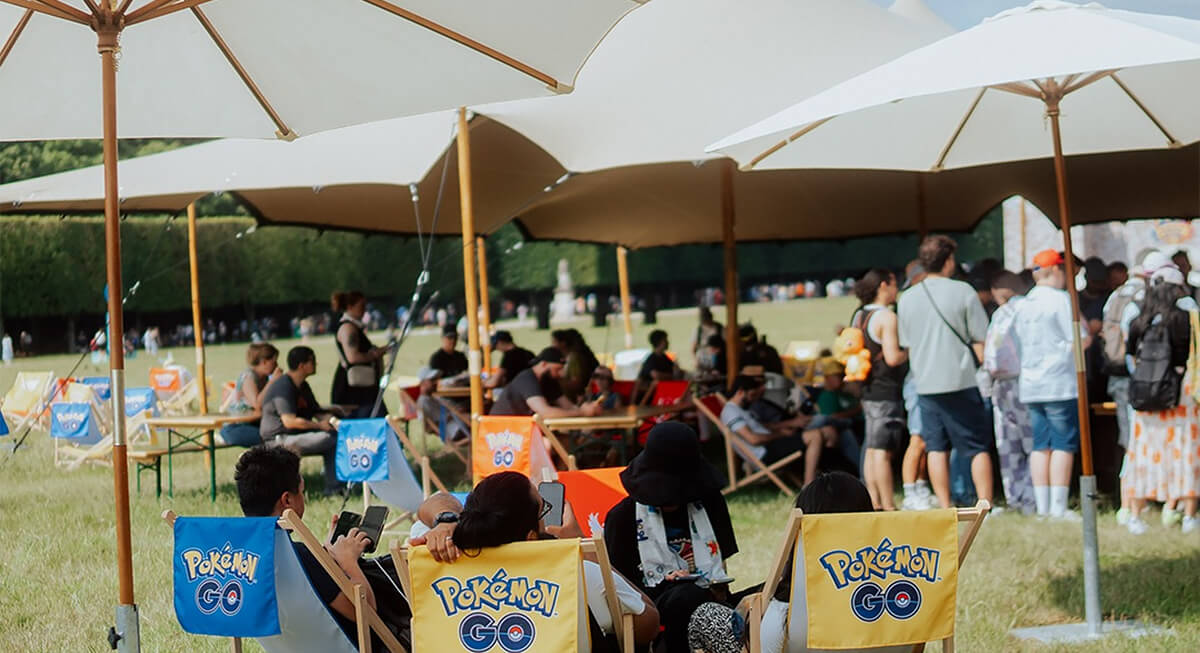
The game sent players to specific landmarks, many of which were local churches. Instead of being annoyed by the crowds of teenagers on their lawns, many congregations leaned into it. Some churches set up tents with coolers of water and snacks for trainers passing through on hot afternoons. It was a small but genuine way the game bridged the gap between different generations and community groups.
Hiking in 120 Degree Heat
Credit: pexels
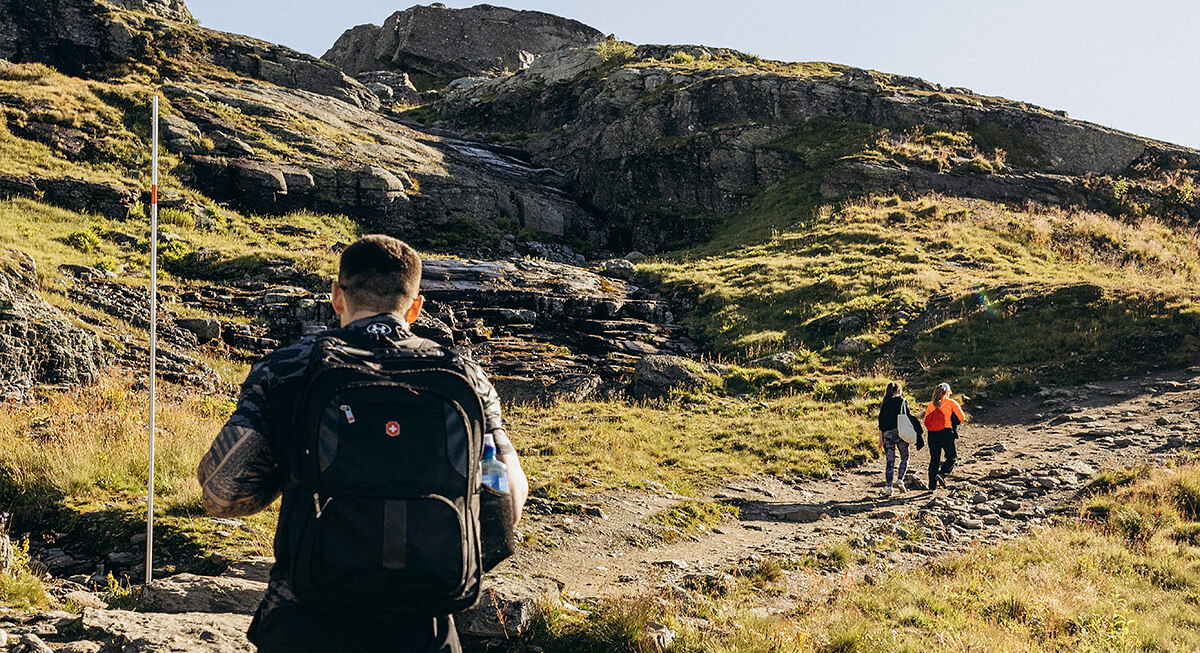
The dedication was borderline extreme. In places like Arizona, players braved 120-degree weather to find fire-type Pokémon. The game successfully did what doctors and parents had been trying to do for years: it got people to walk miles every day. Even in the middle of a heatwave or a summer rainstorm, you could find people hiking trails and roaming suburbs just to hatch a digital egg.
The Rise of the Gym Gatekeepers
Credit: Youtube
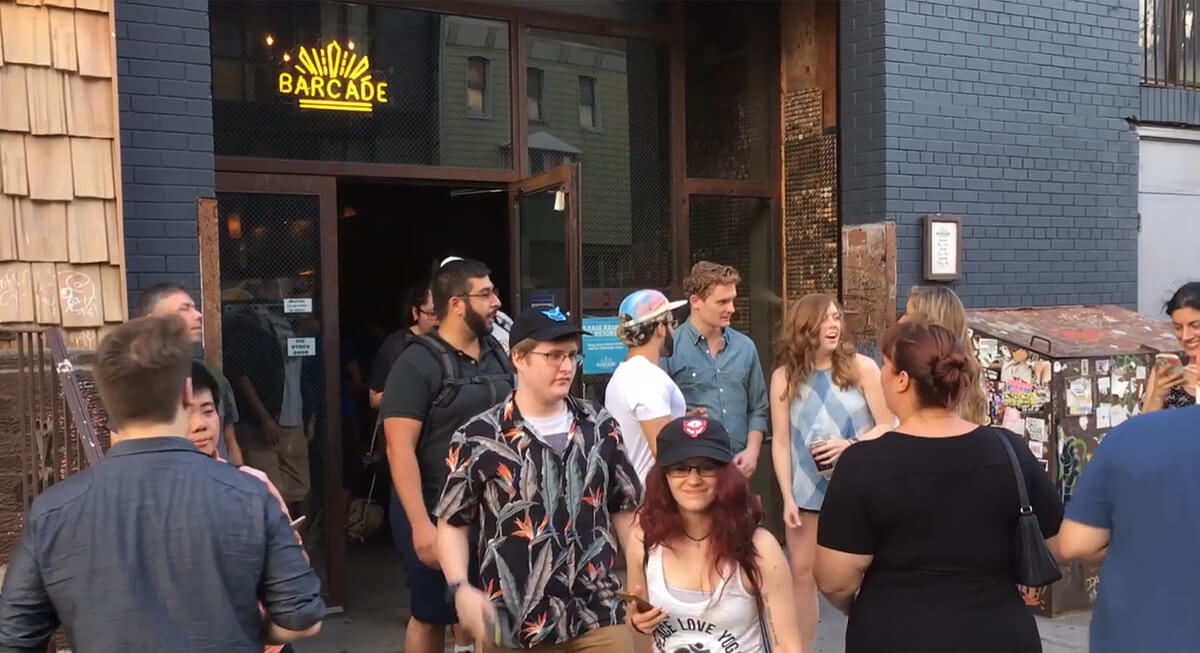
Before the game received updates to make it easier for casual players, holding a gym was a point of great pride. Some players took it so seriously that they would spend their entire night defending a specific landmark. There were stories of bar owners who would sit in the back of their shops all day, constantly reclaiming their store’s gym from customers. It created a lighthearted rivalry that gave people a reason to return to the same spots every day.
The End of Boring Commutes
Credit: Youtube
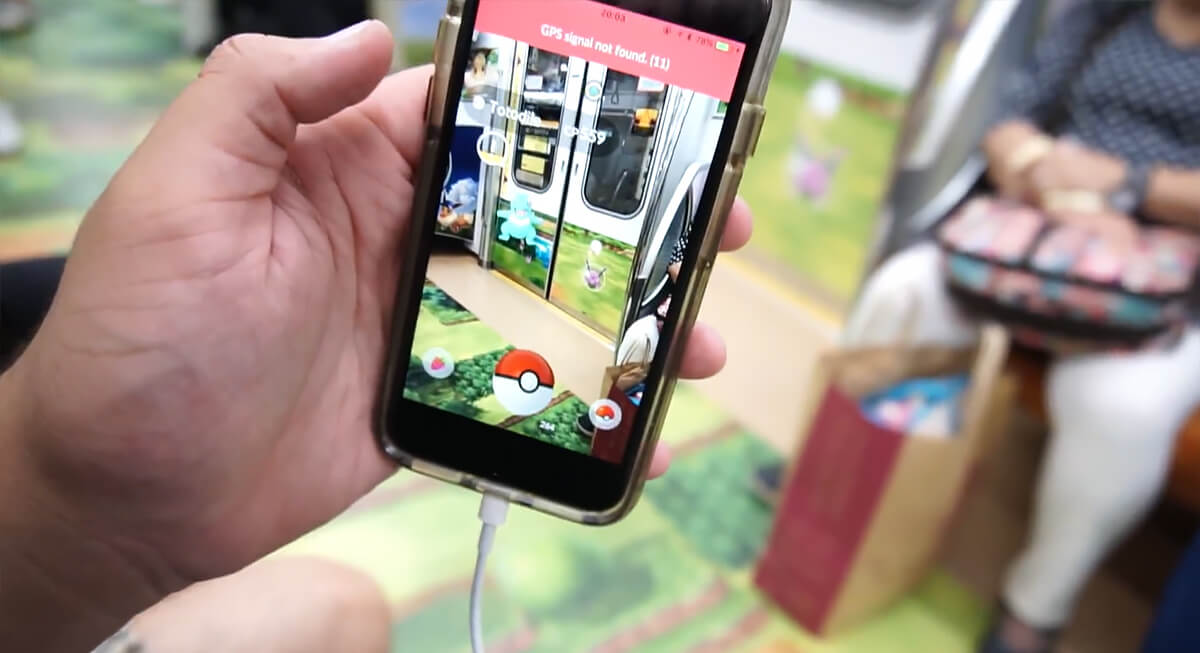
Train stations and bus stops turned into high-stakes gaming zones. Commuters in cities like Boston or Tokyo would get off their trains and see dozens of others doing the same thing: checking for spawns before heading to work. It turned the most mundane parts of a daily routine into something entertaining.
A Brief Moment of Global Quiet
Credit: Wikimedia Commons
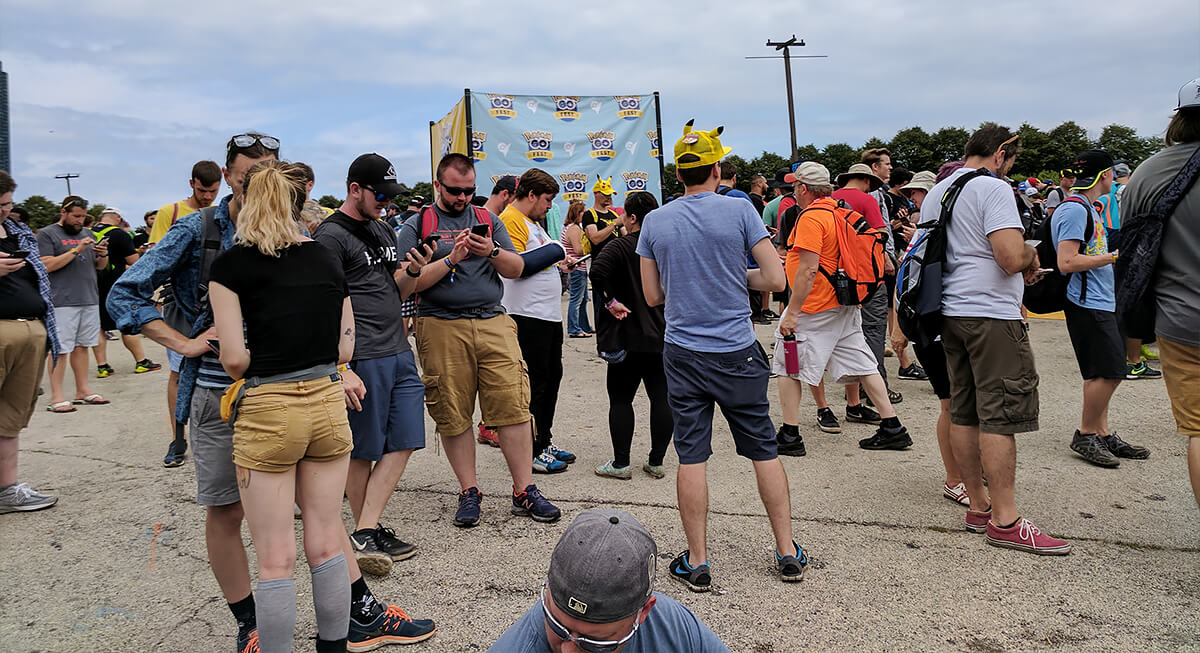
Looking back at the summer of 2016, many people describe it as the closest the world ever got to collective peace. For a few months, the news was secondary to the shared goal of filling a digital collection. People from different backgrounds and political leanings were standing on street corners together, laughing about a game.