Things That Were Completely Normal in the 90s But Would Get You Weird Looks Today
A lot of everyday behavior in the 1990s was shaped by limits people simply worked around, and those routines felt natural because there wasn’t a faster or easier alternative competing with them. Everyone operated within the same boundaries, so nothing stood out as inconvenient or unusual at the time.
What makes those same habits feel strange now is how completely those limits disappeared, along with the routines built around them. As expectations changed, the way people communicate, plan, and interact shifted as well, which is why many of those once-normal behaviors now seem out of place.
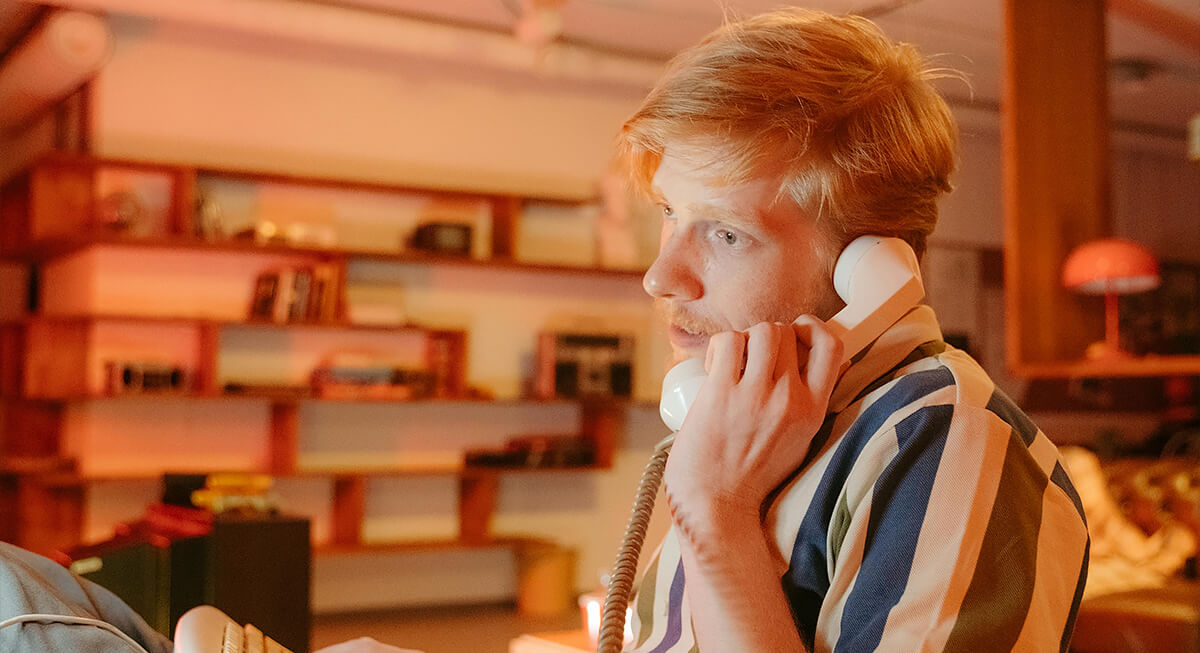
Calling Someone’s House and Talking to Their Parents First
Credit: pexels
In the 90s, reaching a friend usually meant dialing a shared household number and speaking to whoever answered first, which often led to a brief introduction before you could even ask for the person you intended to reach. The extra layer felt built into the process, but today it would come across as an awkward step most people no longer expect.
Showing Up Unannounced to Hang Out

Credit: Studio UK
Instead of checking availability in advance, people often just went over to a friend’s house and knocked to see if they were around. Since everyone operated the same way, that approach worked without friction. In a world where plans are usually confirmed in advance, showing up without notice tends to feel out of sync.
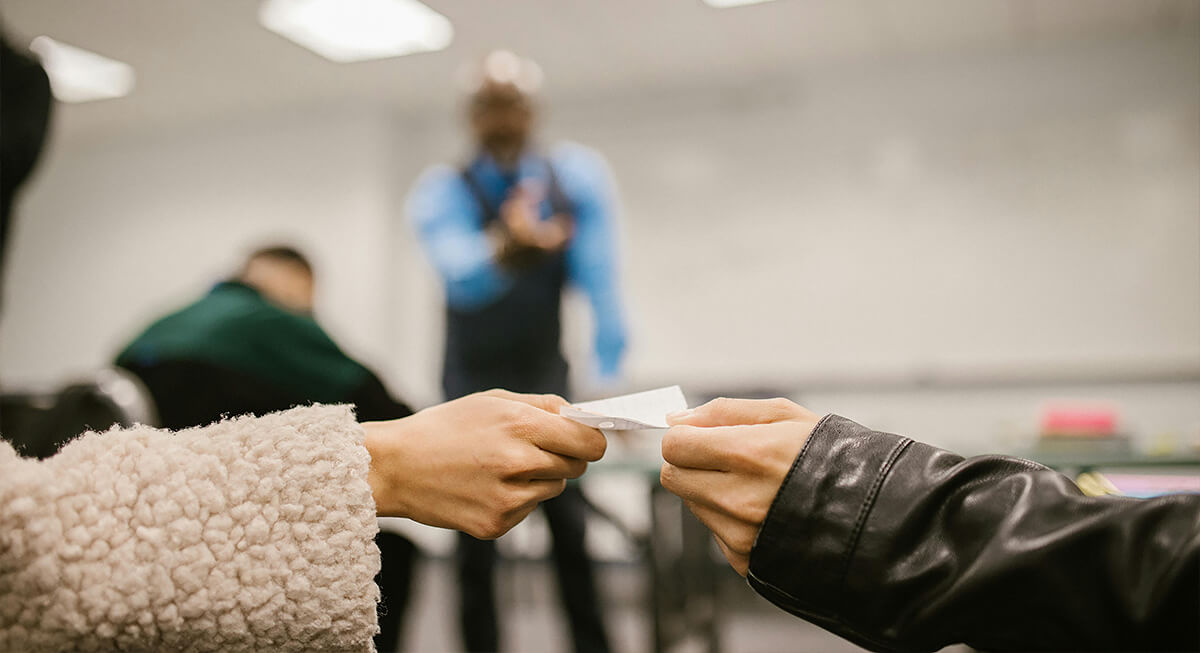
Passing Handwritten Notes in Class
Credit: pexels
During class, communication depended on passing folded notes across desks. This required timing, awareness, and a bit of luck to avoid drawing attention. The process itself was part of the interaction. Compared to silent digital messaging, that method now feels slower and far more exposed.
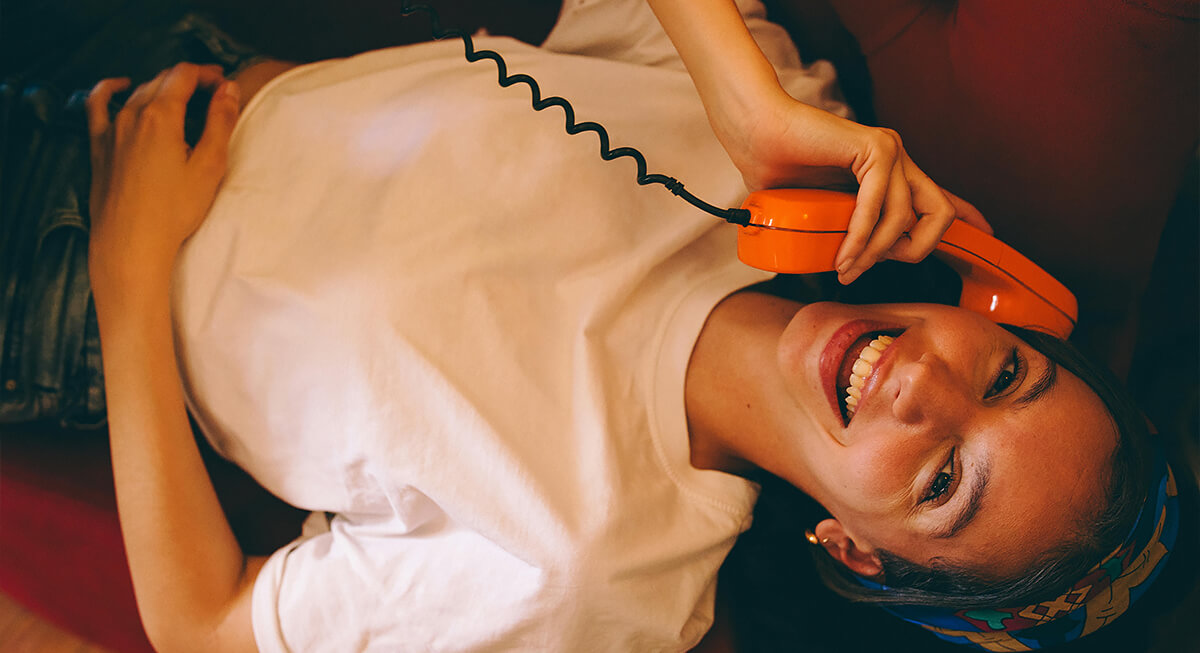
Waiting Until Night for Cheaper Phone Calls
Credit: pexels
Long-distance calling costs varied depending on when conversations happened, so people often waited until later in the day when rates dropped. That meant adjusting personal schedules just to stay in touch. Now that cost no longer dictates timing, that kind of delay feels unnecessary.
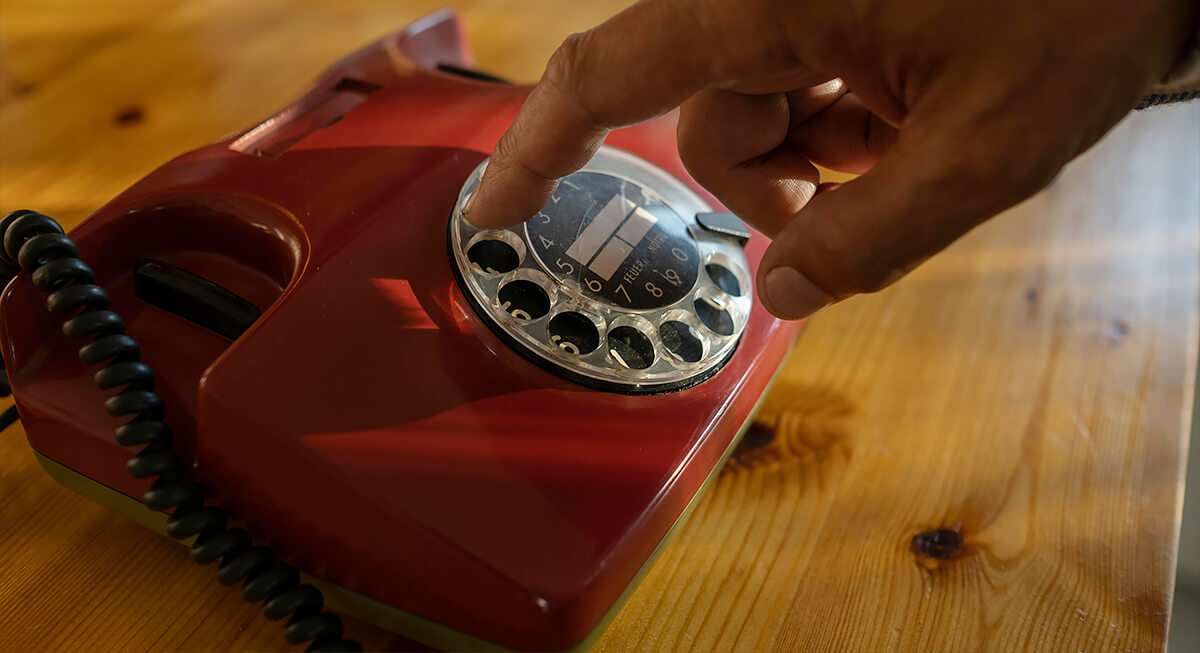
Memorizing Phone Numbers Instead of Saving Them
Credit: pexels
Keeping track of phone numbers meant committing them to memory or writing them down somewhere safe, which led many people to remember several without effort. The habit came from necessity rather than preference. With devices now storing everything automatically, there’s little reason to rely on memory in the same way.
Sharing One Phone Line for Everything

Credit: pexels
In many homes, a single phone line handled both calls and internet use, which meant one activity could block the other without warning. That overlap made coordination part of daily life in a way that no longer applies. If someone was online, the phone wasn’t available, and if the line was busy, waiting was the only option.
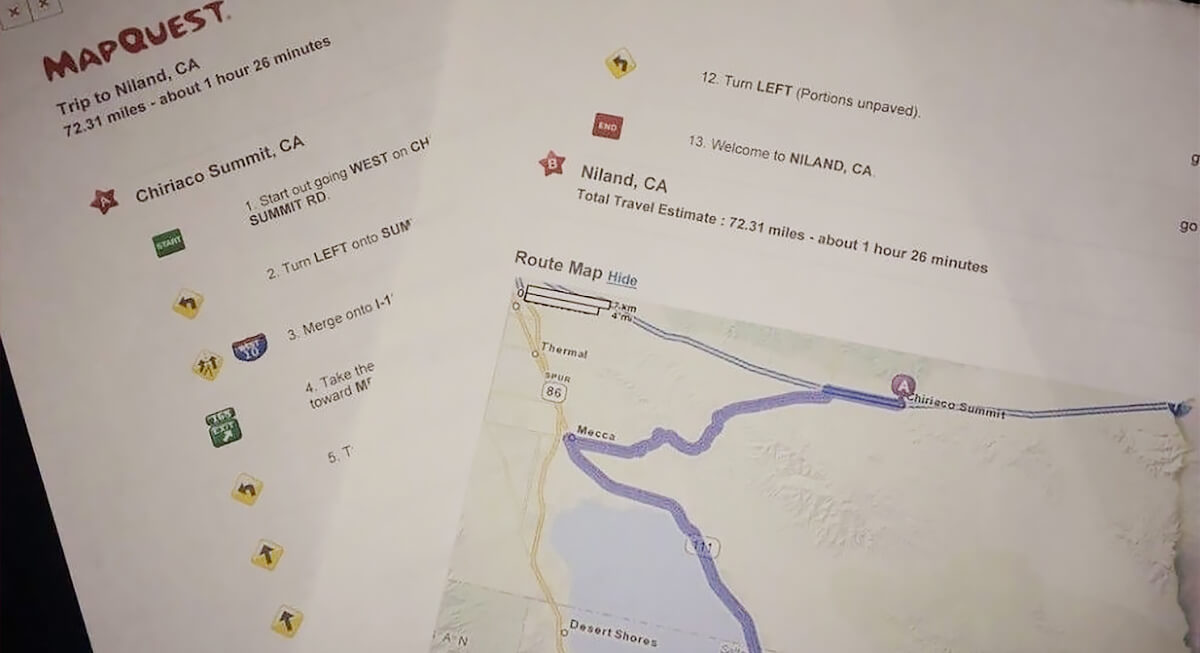
Printing MapQuest Directions Before Leaving
Credit: Reddit
Before heading somewhere unfamiliar, directions had to be printed and followed step by step. Missing a turn often meant figuring things out on your own. Compared to real-time navigation, that process now feels rigid and unforgiving.
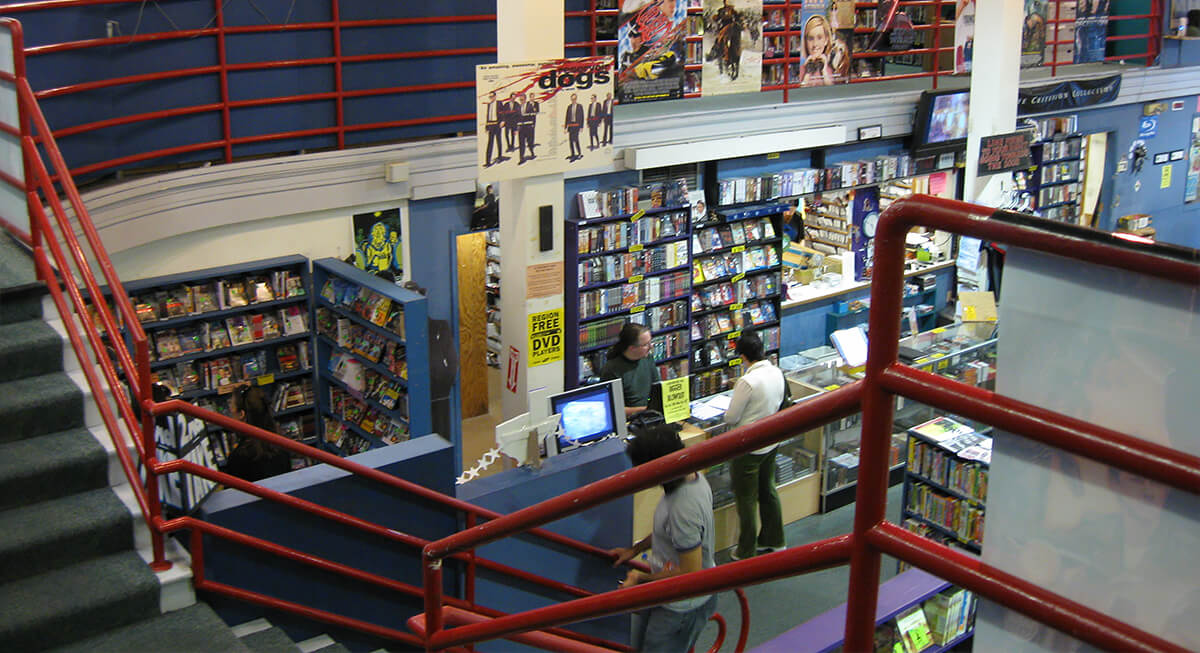
Renting Movies Instead of Streaming Them
Credit: Wikimedia Commons
The quest for a movie used to be a deliberate excursion. You’d wander the fluorescent aisles of a rental shop, searching for a specific title, only to find an empty shelf behind the display box—a sign that a stranger had claimed the last copy before you arrived. That forced you to either settle for a backup or leave empty-handed. That’s now a strange, unnecessary hurdle with perpetual availability.
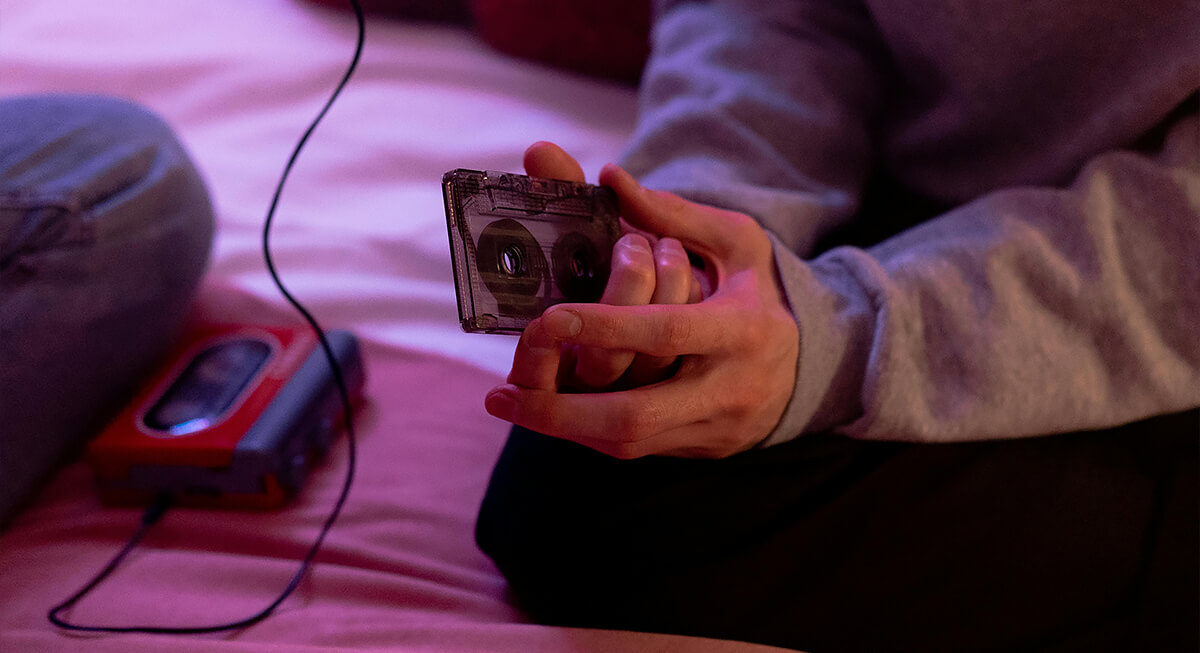
Managing Music Through CDs and Mixtapes
Credit: pexels
Your music was only as vast as the CDs stuffed in your glovebox or the tape in your player. If you didn’t have the disc on hand, you didn’t hear the song; you simply cycled through the same tracks until they became second nature. Against today’s backdrop of infinite libraries, that forced loyalty to a few albums feels incredibly restrictive.
Smoking Indoors Without a Second Thought

Credit: pexels
Smoking inside homes, cars, and public spaces was widely accepted, even when others were nearby, including children. It didn’t draw much attention at the time, but expectations around shared environments have changed significantly.