The Warning Signs of Too Much ChatGPT in Daily Life
People don’t jump into heavy ChatGPT use overnight. It usually starts with small choices that feel helpful in the moment. You use it to speed up a task, to check a thought, to get a clearer answer. Before long, you’re noticing its tone more than you expected or feeling oddly stuck when you try to do something without it.
Researchers who follow these patterns say this slow build is exactly how emotional dependence and weaker critical thinking take hold. The shift doesn’t feel dramatic while it’s happening. It settles into the day until you finally stop and see how much has changed.
Reaching For ChatGPT Before Your Own Thoughts
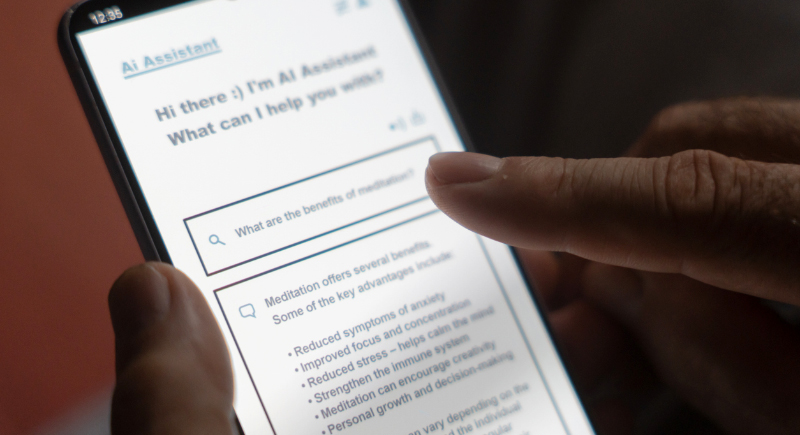
Image via iStockphoto/Nemke
One common behavior noted in studies of power users involves skipping internal problem-solving altogether. People start leaning on the chatbot, depending on it for tasks they previously handled with ease.
Survey data found that some users grow sensitive to subtle shifts in the chatbot’s responses. A slightly clipped answer or a change in style can set off worry or irritation. This reaction signals that the relationship has moved past utility into a space with emotional pull.
Treating ChatGPT Like A Steady Companion
Researchers studying psychosocial states highlighted a trend where long-session users start viewing the chatbot as something comforting. These users often slip into patterns that resemble familiar companionship cues, often revisiting chats for emotional reliance.
Extended sessions also appeared repeatedly in behavioral studies. The length itself wasn’t the only concern. It was the creeping increase. Short, purposeful chats often turned into long stretches, with no clear task in sight. People described losing track of time while drifting between topics, which signaled a growing attachment.
Letting Social Interaction Fade Into The Background

Image via iStockphoto/GeorgiNutsov
Academic teams studying emotional reliance found that isolated users showed the strongest dependency patterns. When ChatGPT becomes the preferred outlet instead of people, social habits thin out. It starts small, such as choosing a chat over a call, then grows into a steady preference that replaces real interaction.
Depending On It To Boost Productivity
Researchers have warned against over-relying on fast responses and analysis, as it can dull personal decision-making skills. Users who lean heavily on AI at work often notice that tasks feel a bit more stressful without it. That creeping discomfort is a tell that the tool is no longer just helpful. It has become a crutch.
In study groups, power users reported agitation when the system slowed or paused. The feeling didn’t match the inconvenience of waiting for software. It matched withdrawal-like impatience. That reaction showed how deeply the routine had sunk in.
Using Emotional Language More Than Intended
One set of findings noted that text-based interactions elicited more emotionally expressive language than voice-based interactions. Heavy users often accidentally fall into supportive or affectionate phrasing. The pattern showed that the environment of text chat made it easier to form emotional ties.