10 ’80s Music Videos That Turned MTV into Must-Watch Television
MTV flipped a switch on August 1, 1981, and gave music a face. Labels started treating videos like serious investments, and artists began competing for airtime. As viewers kept the channel on, expecting something new or unexpected to appear at any moment, the constant flow turned MTV into a habit. These are just some of the ‘80s music videos that made it impossible to look away.
Video Killed the Radio Star
Credit: Youtube
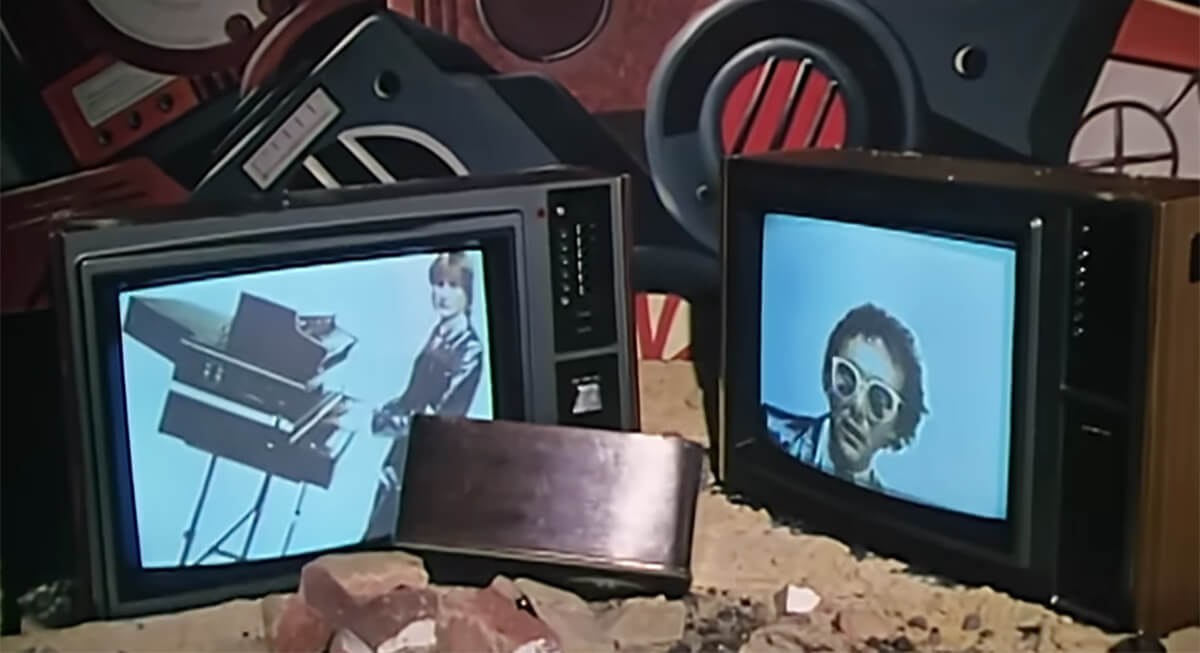
Everything started with Video Killed the Radio Star by The Buggles when MTV launched on August 1, 1981. The track had originally been released in 1979 and reached No. 1 on the UK Singles Chart. The song’s lyrics about technological change lined up perfectly with a channel built on visuals. MTV introduced a 24-hour music format, unheard of at the time, and that opening clip quickly became a symbolic marker of the beginning of the music video era.
Legs
Credit: Youtube
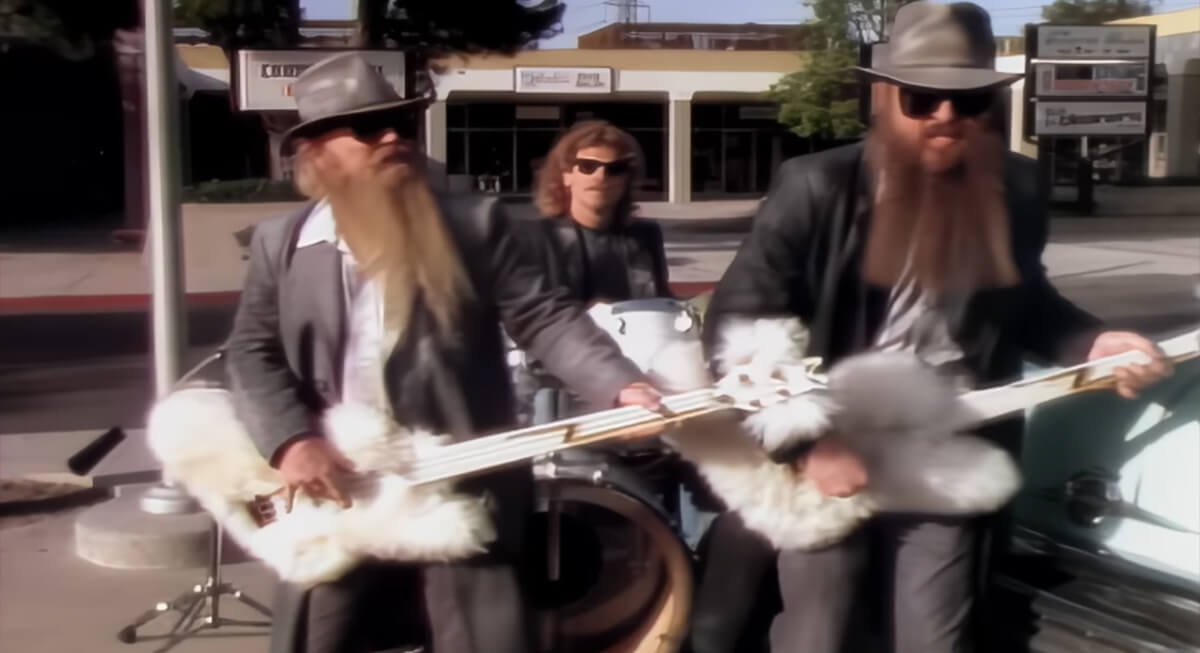
In 1983, ZZ Top released the video for Legs from the album Eliminator. The clip followed a shy retail worker who received a confidence-boosting makeover after encountering the band’s iconic customized 1933 Ford Coupe. Directed by Tim Newman, the video helped transform ZZ Top’s public image. As for MTV, it helped push Eliminator past 10 million copies sold in the United States.
Gimme All Your Lovin’
Credit: Youtube
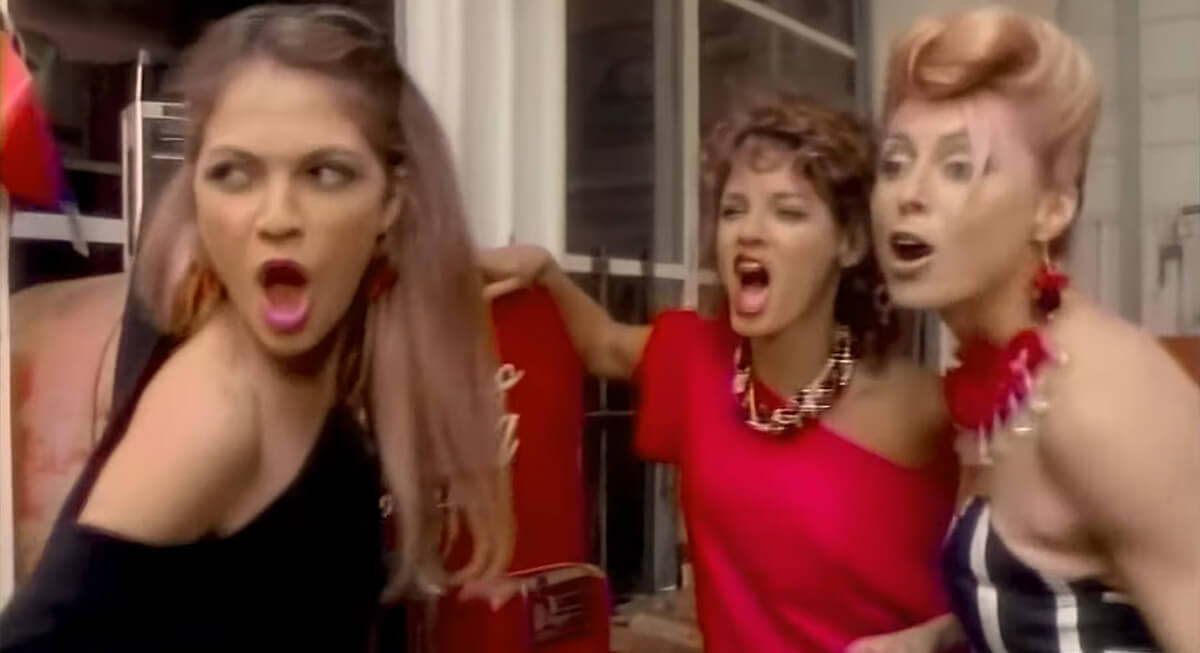
As part of the same visual storyline, Gimme All Your Lovin’ introduced audiences to the trio of glamorous women who became known as the “ZZ Top girls.” The humorous video showcased the band’s updated aesthetic, built around sharp suits and hot rods. It helped connect multiple songs from Eliminator into a recognizable series that rewarded regular viewers, sending the song to No. 37 on the Billboard Hot 100.
Sharp Dressed Man
Credit: Youtube
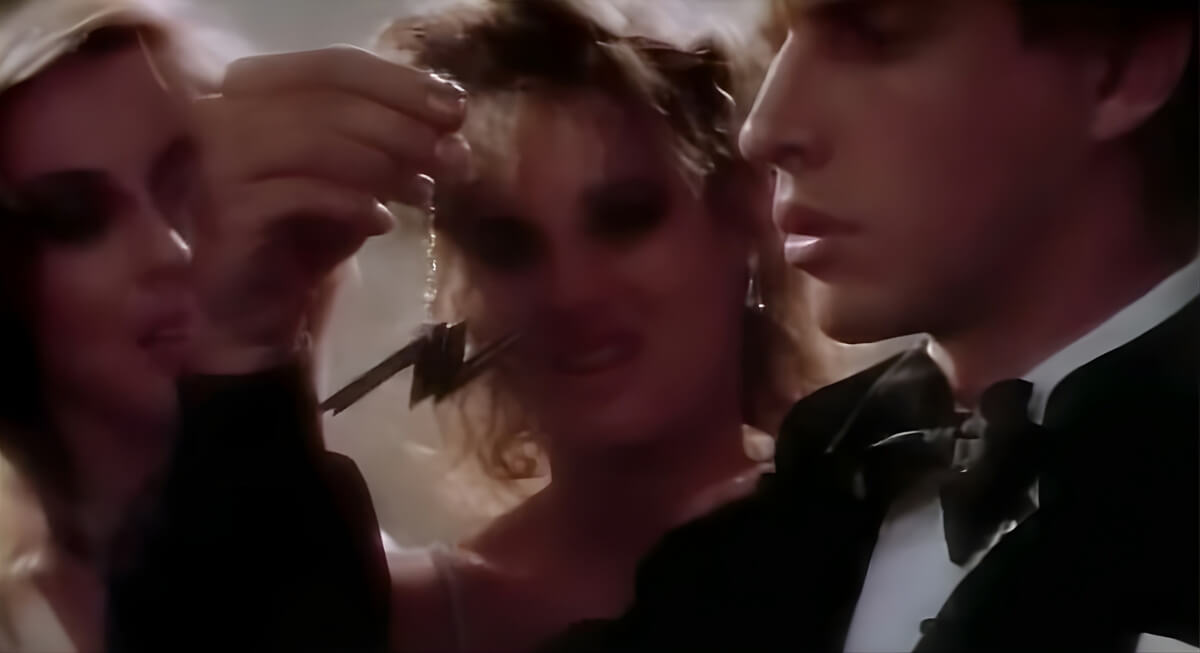
Sharp Dressed Man was another standout video tied to ZZ Top’s Eliminator album. The clip showed a man transforming his look with the band’s help and their signature car. The video reinforced the idea that style could change perception overnight. MTV’s constant rotation helped the song climb the Billboard Mainstream Rock chart in 1983.
Walk This Way
Credit: Youtube
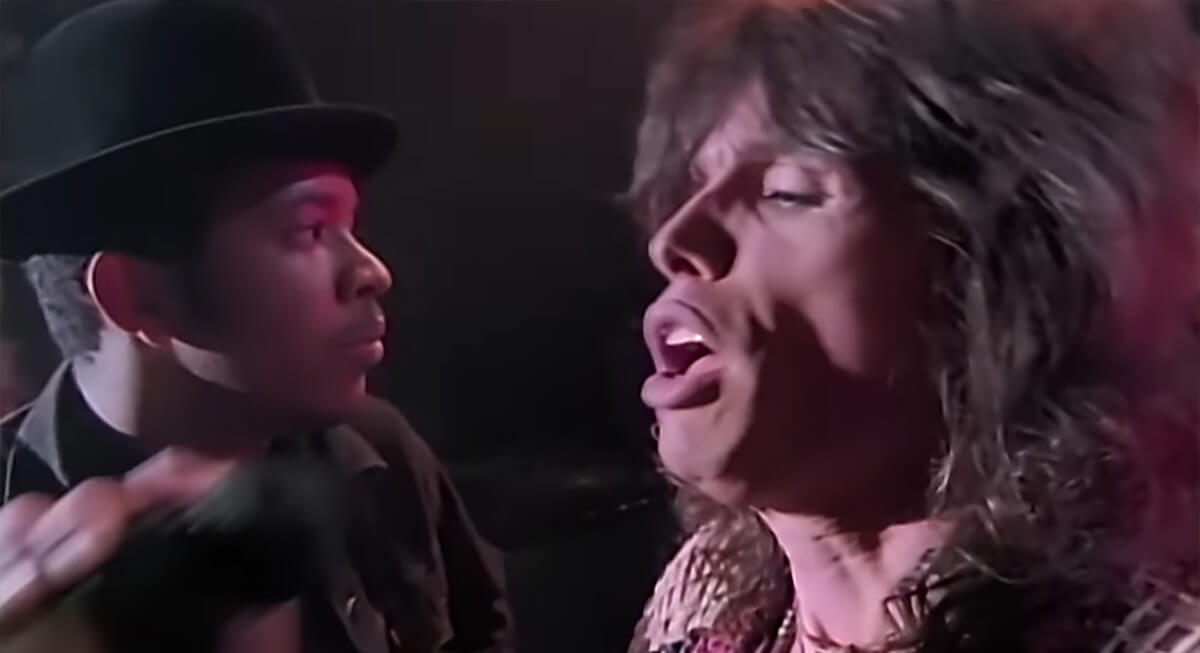
In the 1986 video for Walk This Way, a wall literally came down and united Run-DMC and Aerosmith in one frame. The collaboration responded to criticism that MTV limited exposure for Black artists. By appealing to both rock and hip-hop audiences, the video introduced Run-DMC to a broader fan base. At the same time, Aerosmith experienced a major career revival through renewed visibility.
Sledgehammer
Credit: Youtube
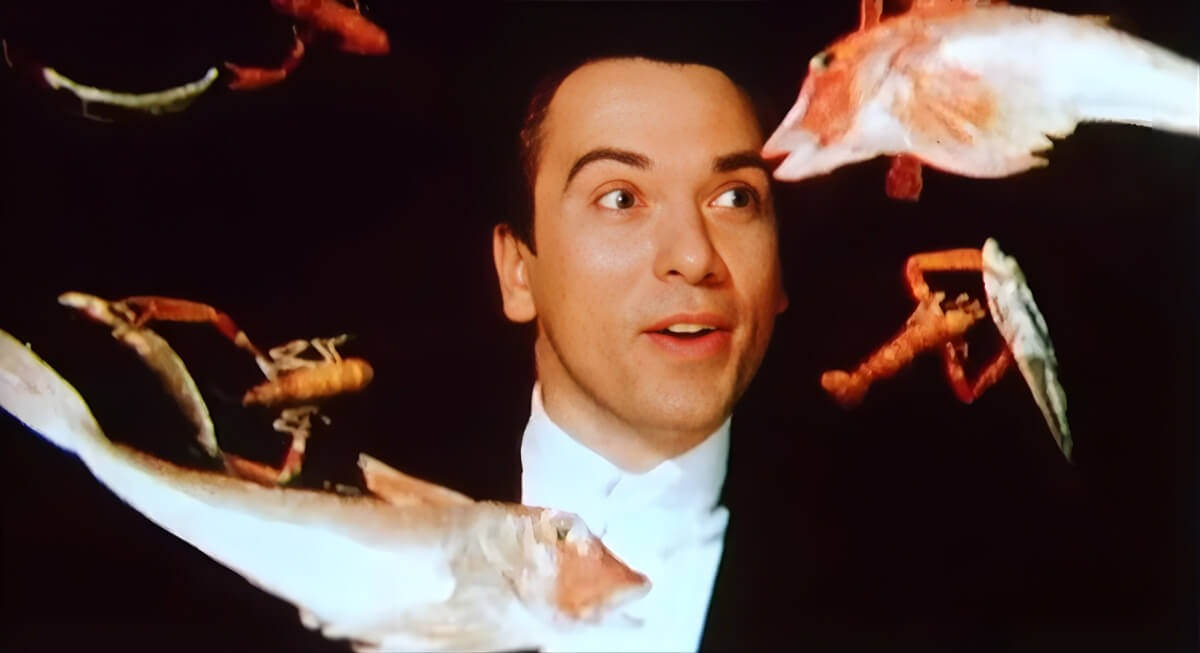
Stop-motion animation pushed boundaries in Sledgehammer. The video won a record nine MTV Video Music Awards in 1987, including Video of the Year. Director Stephen R. Johnson collaborated with animators, including Nick Park from Aardman Animations, and the song became Peter Gabriel’s only No. 1 hit on the Billboard Hot 100.
Girls Just Want to Have Fun
Credit: Youtube
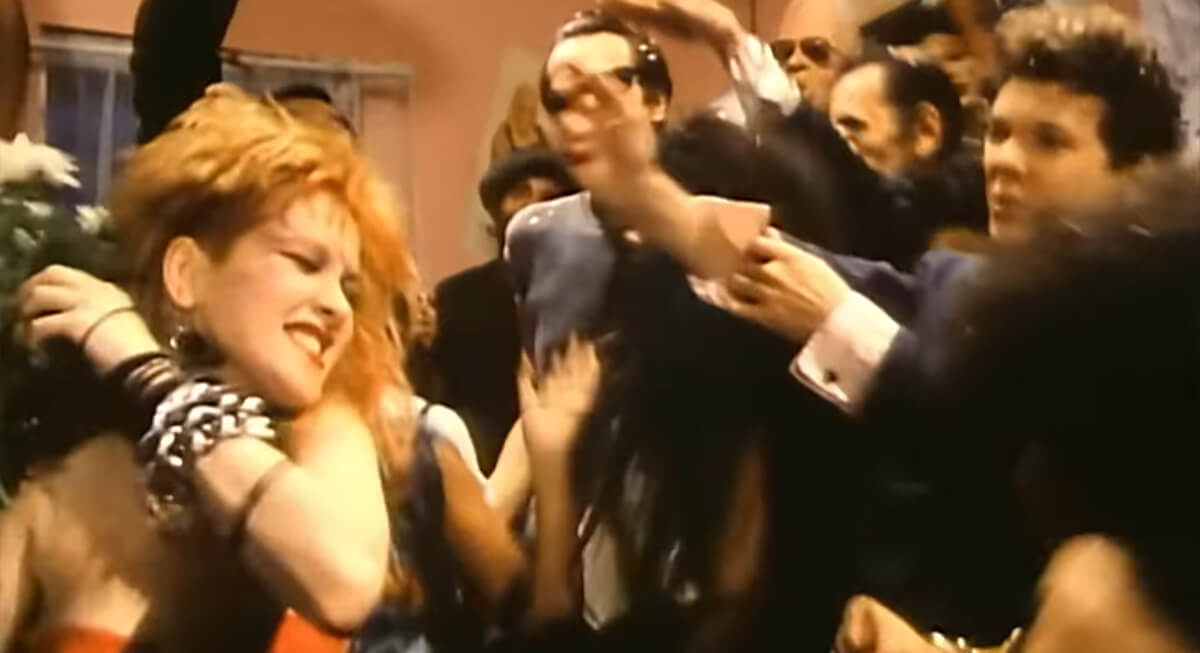
Girls Just Want to Have Fun, released in 1983, turned Cyndi Lauper into a defining MTV personality. The video used a New York setting that shifted into a large-scale street dance sequence. It also featured her real-life mother, Catrine Lauper. Produced for about $35,000, it stayed relatively modest compared to later budgets. Its long-term reach proved massive, with the video surpassing 1.6 billion views on YouTube by 2025.
Take On Me
Credit: Youtube
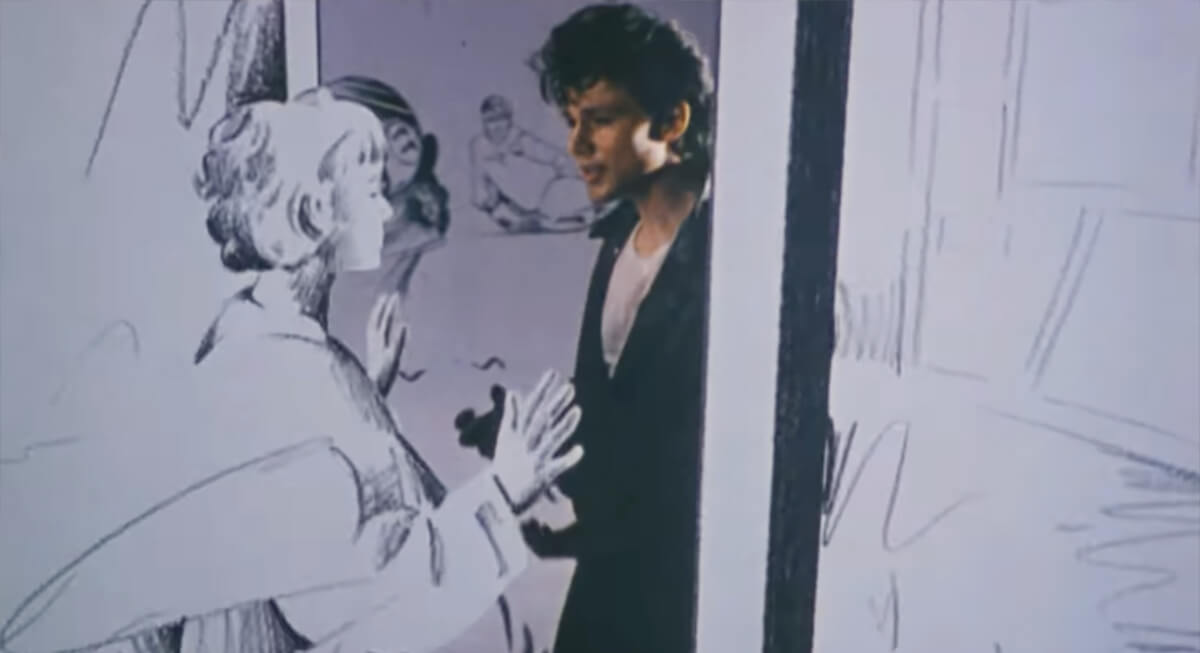
A-ha’s Take On Me stood out instantly because it combined pencil-sketch animation with live-action footage using a technique called rotoscoping. The video required about 3,000 individual drawings. It won six MTV Video Music Awards in 1986, including Best New Artist. The song reached No. 1 on the Billboard Hot 100, and its video became one of the most replayed clips on MTV.
Thriller
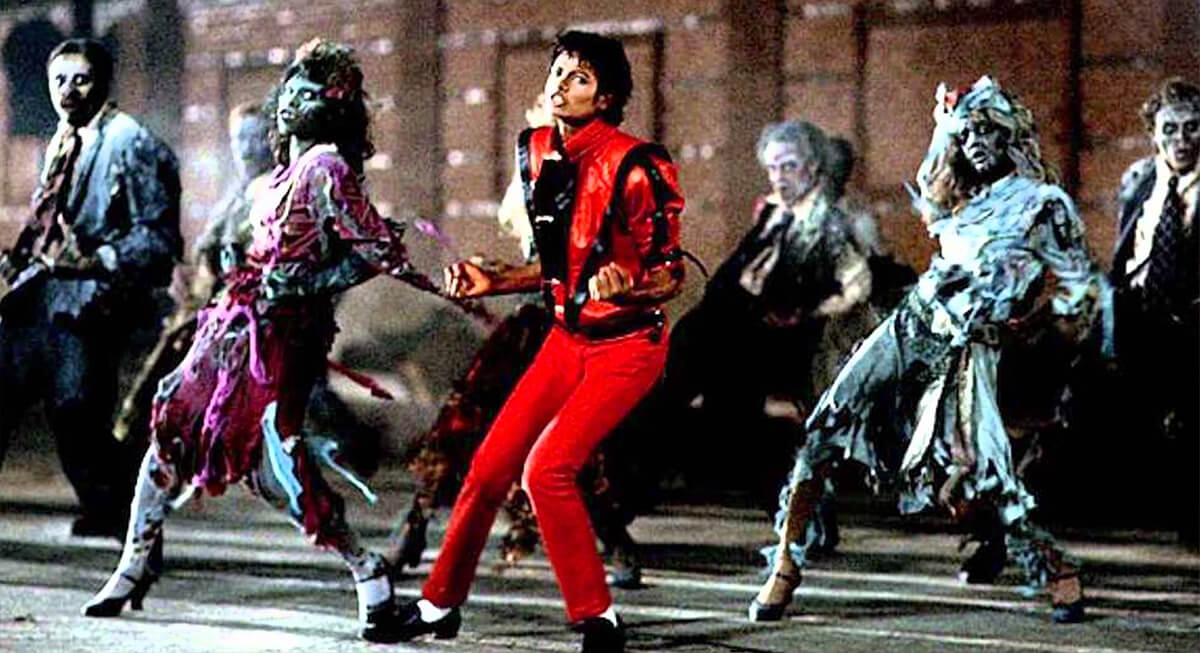
Credit: IMDb
Nothing on MTV matched the scale of Thriller when it debuted in 1983. With a budget of about $500,000, it far exceeded typical costs. It was directed by John Landis, known for An American Werewolf in London, and the 13.5-minute video blurred the line between film and music video. MTV initially hesitated but eventually aired it, and that exposure helped the album sell over 70 million copies worldwide.
Like a Virgin
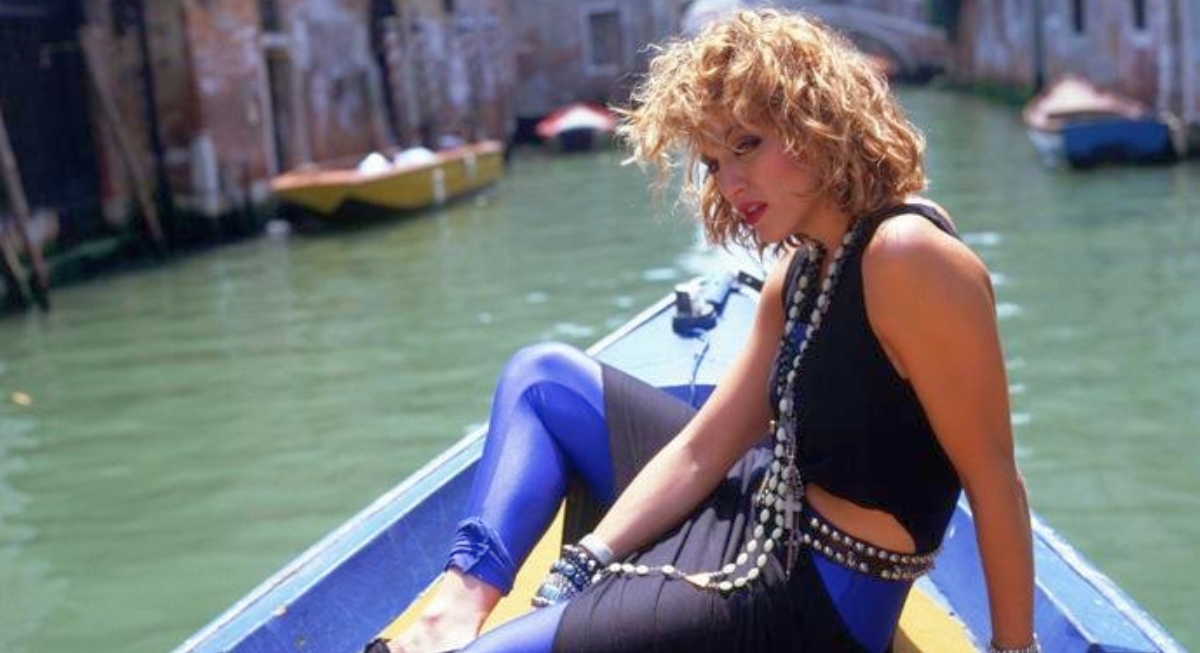
Credit: IMDb
Breaking into the mainstream, Madonna used Like a Virgin to solidify her image during MTV’s early dominance. Filmed in Venice, Italy, it featured gondolas and historic backdrops. The single became the Grammy winner’s first No. 1 on the Billboard Hot 100. The video’s daring presentation and confident persona defined her as a pop figure, and its frequent rotation on MTV rapidly expanded her audience across diverse demographics.