Historians Ranked the Absolute Best Years to Be Alive in Human History
Calling any year the best time to be alive invites an argument. History rarely hands over clean winners. Still, this ranking looks at years remembered for the rare moments when everyday people could feel change happening around them. Some breakthroughs were powerful but uneven, while others shifted the world’s emotional state.
1994
Credit: Wikimedia Commons
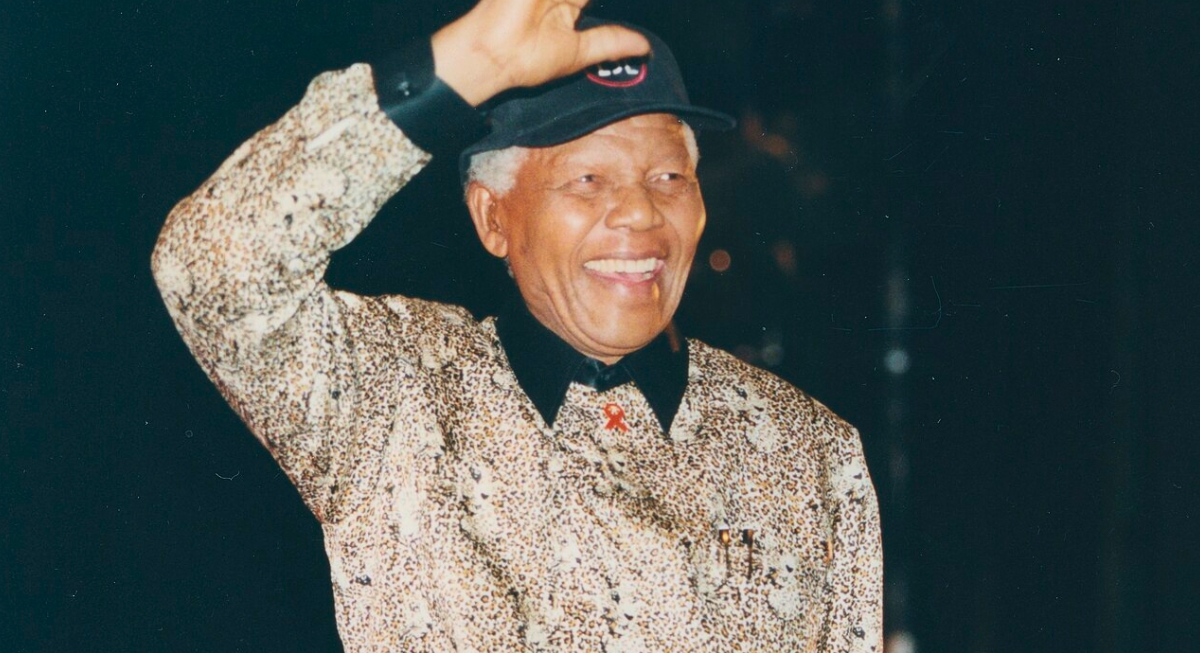
Nelson Mandela became president of South Africa in 1994. After 27 years in prison, he took office following South Africa’s first fully inclusive national election. Although apartheid was abolished, the country continued to struggle with lingering scars, violence, and inequality. That keeps the year from being ranked higher. Still, its importance is hard to overstate. A system built on racial separation gave way to a democratic transfer of power, and millions who had been denied full citizenship finally saw themselves counted.
1967
Credit: Wikimedia Commons
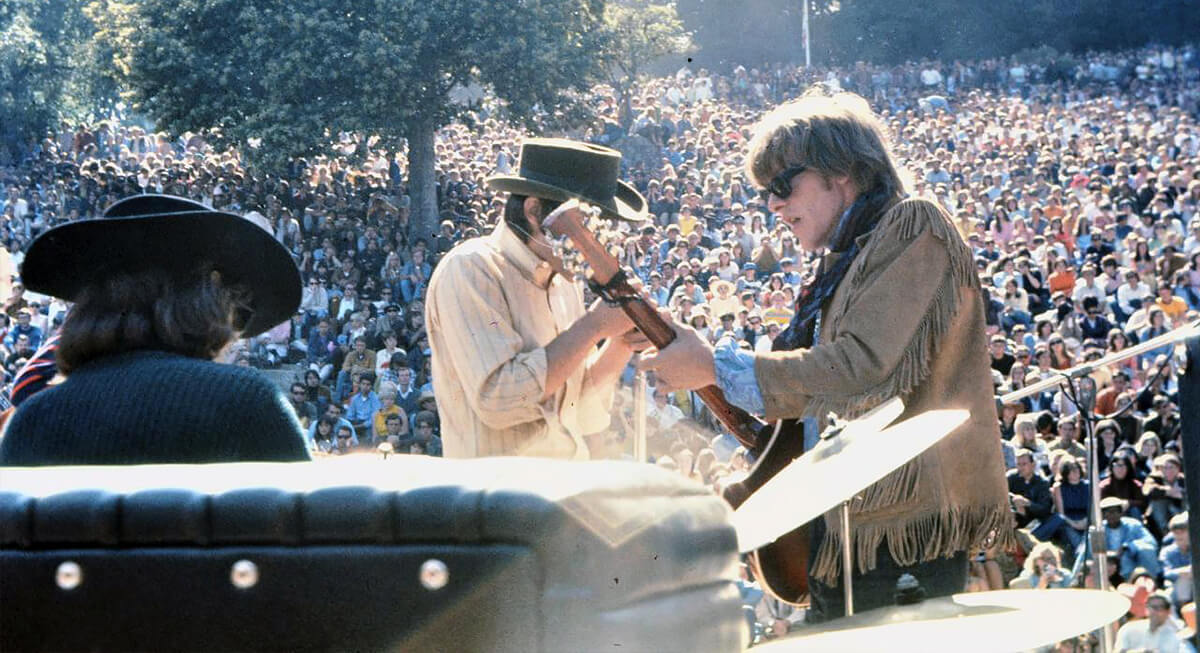
The year 1967 stands out because culture and science seemed to advance at once. San Francisco’s Summer of Love turned Haight-Ashbury into a symbol of youth rebellion, music, anti-war feeling, and new social habits. The Beatles released Sgt. Pepper’s Lonely Hearts Club Band, an album that revolutionized pop music. Around the same time, medicine saw a breakthrough when Dr. Christiaan Barnard performed the first human heart transplant in South Africa. The year’s sense of experimentation was undeniable.
1955
Credit: Wikimedia Commons
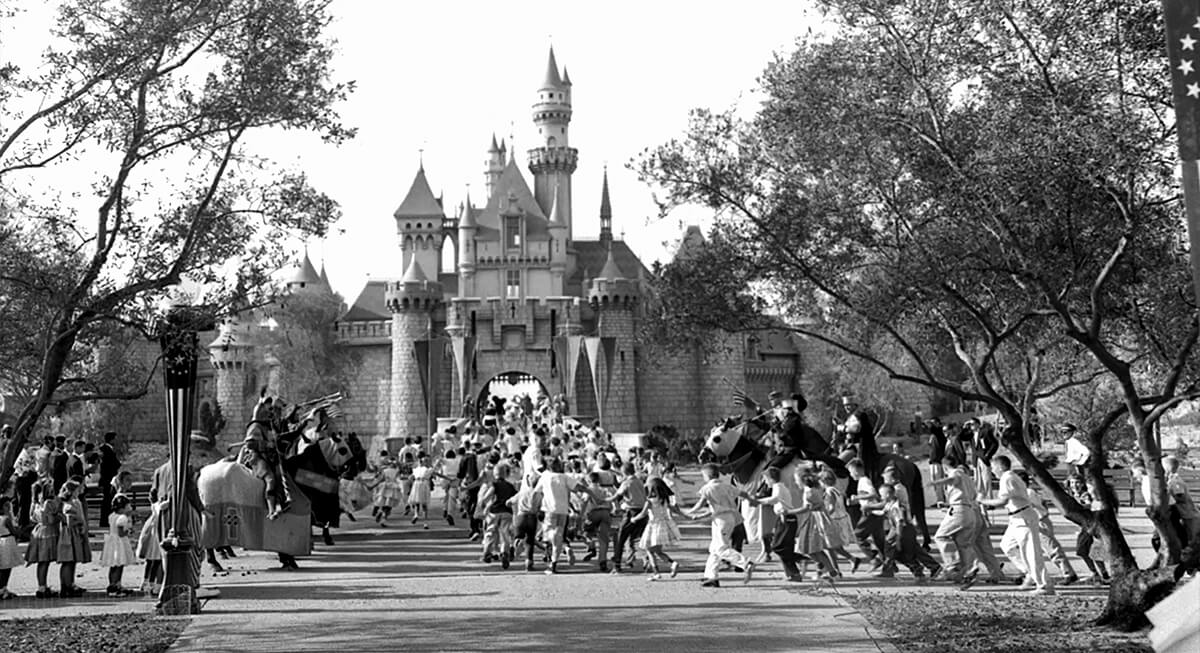
There isn’t one giant event that makes 1955 so appealing. It was simply the feeling of postwar life speeding into something brighter. Disneyland opened in Anaheim, California, and became a new destination for American entertainment. Rock and roll moved from the edges toward the center of youth culture. Most importantly, Jonas Salk’s polio vaccine was declared safe and effective, which gave parents hope against one of the most feared childhood diseases of the era. Its optimism touched family life, medicine, music, and leisure all at once.
1989
Credit: Wikimedia Commons
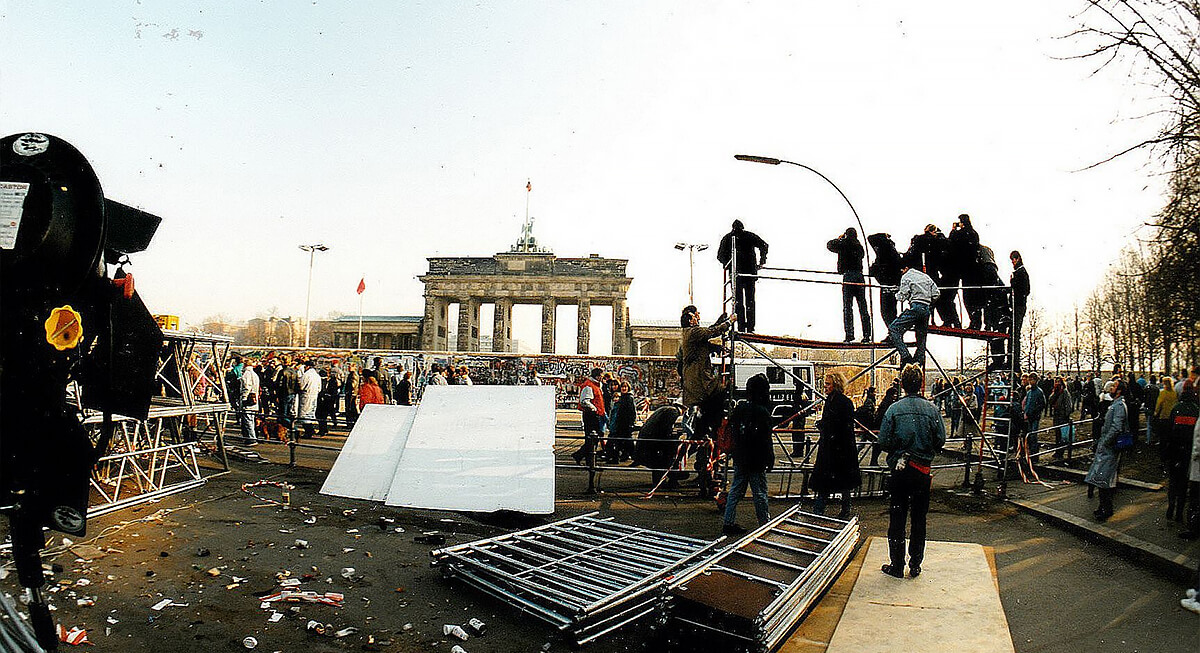
The fall of the Berlin Wall makes 1989 one of the easiest years to defend on this list. For decades, the Wall had split Berlin, separating families and turning the Cold War into concrete, barbed wire, and checkpoints. When East Germans crossed into the West in November 1989, the images carried a force that statistics could never match. People climbed the Wall, hugged strangers, and chipped away at a symbol of division.
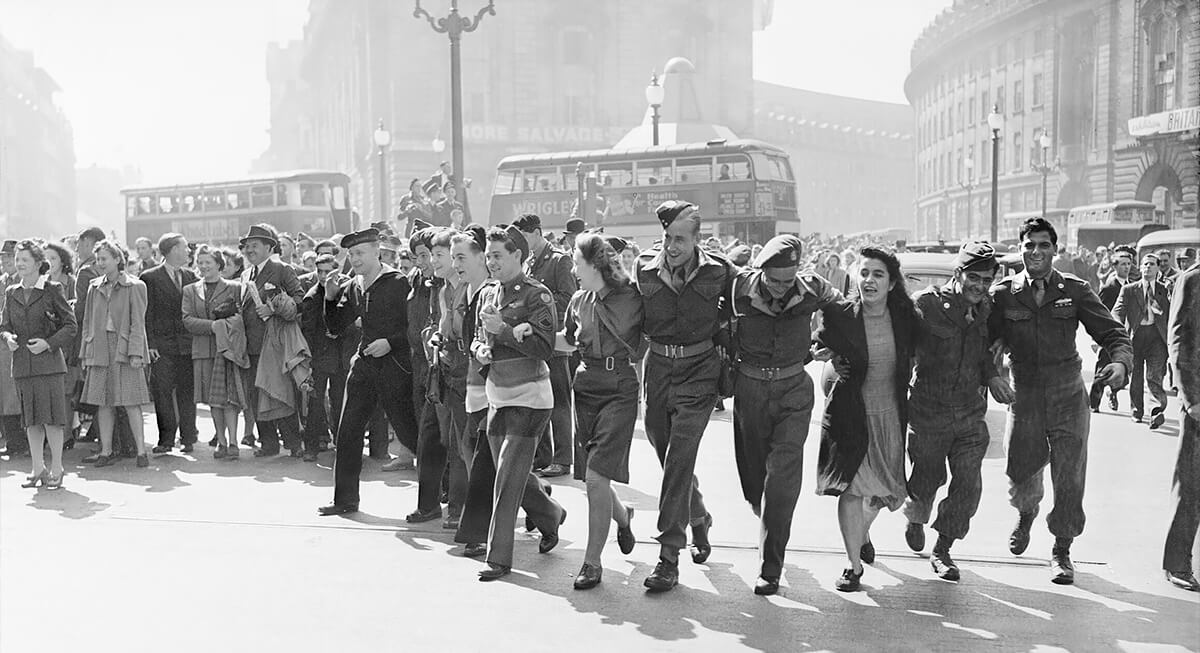
1945
Credit: Wikimedia Commons
The year 1945 ranks near the top because relief has rarely arrived on such a scale. World War II ended in Europe in May and in the Pacific in August, closing the deadliest conflict in modern history. Soldiers began returning home, crowds filled streets, and cities celebrated with the exhausted joy of people who had lived under rationing, bombing, grief, and uncertainty. It cannot take the top spot because the war left ruined cities, displaced families, and a hard postwar recovery. Even so, for millions, 1945 meant survival.
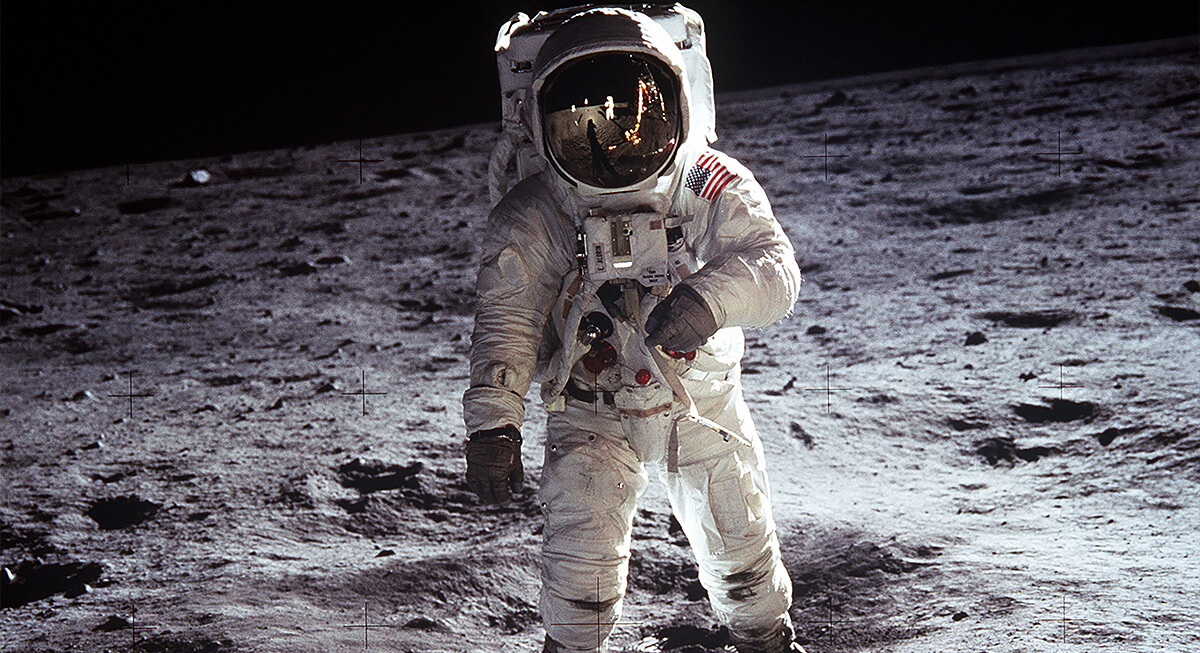
1969
Credit: Wikimedia Commons
1969 gave the world a rare combination of wonder, music, and mass cultural memory. Apollo 11 put humans on the Moon. A month later, Woodstock drew hundreds of thousands to a farm in Bethel, New York, and became shorthand for the counterculture’s biggest dream. Then, The Beatles released Abbey Road, one of the final great statements from the most famous band of the century.