How the Dog Filter Turned 10 and Made Everyone Feel Ancient
It’s a weird feeling when you’re scrolling through old cloud storage and a photo pops up that feels like it was taken last week, only to realize the date says 2016. That was the year the “dog filter” arrived on Snapchat, and for many of us, realizing it’s ten years old is a bit of a gut punch.
The shock is about how much the world has shifted since then.
When The Internet Felt Like A Playground
In 2016, trends didn’t feel like they were manufactured by algorithms the way they do now; they just seemed to happen. That was the summer when everyone was wandering through parks at 2:00 a.m., playing Pokémon Go. It was the year Instagram launched “Stories,” a move that felt like a blatant rip-off of Snapchat at the time but ended up changing how we post forever.
People were freezing in place for the Mannequin Challenge or flipping half-empty water bottles on every flat surface they could find. Everything was silly and low-stakes. In the middle of all that, the dog filter arrived. It started as a weird, fun thing to do with your friends.
The Filter That Took Over Every Camera Roll
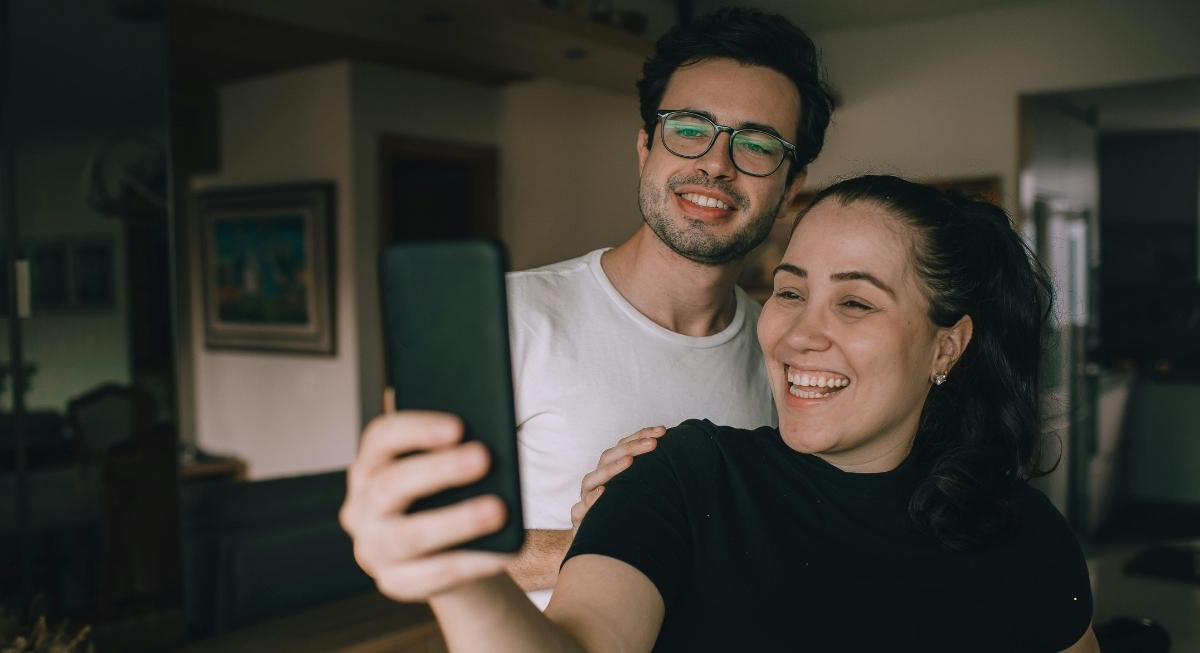
Image via Pexels/Helena Lopes
The dog filter became an instant staple. Beyond the wagging tongue and the ears, it made everyone look “better” in a very specific, forgiving way. It widened the eyes, narrowed the face, and smoothed out skin textures that people were often self-conscious about. So, if you didn’t feel like doing your makeup or you were tired, you could just throw on the filter.
Why Everyone Kept Using It
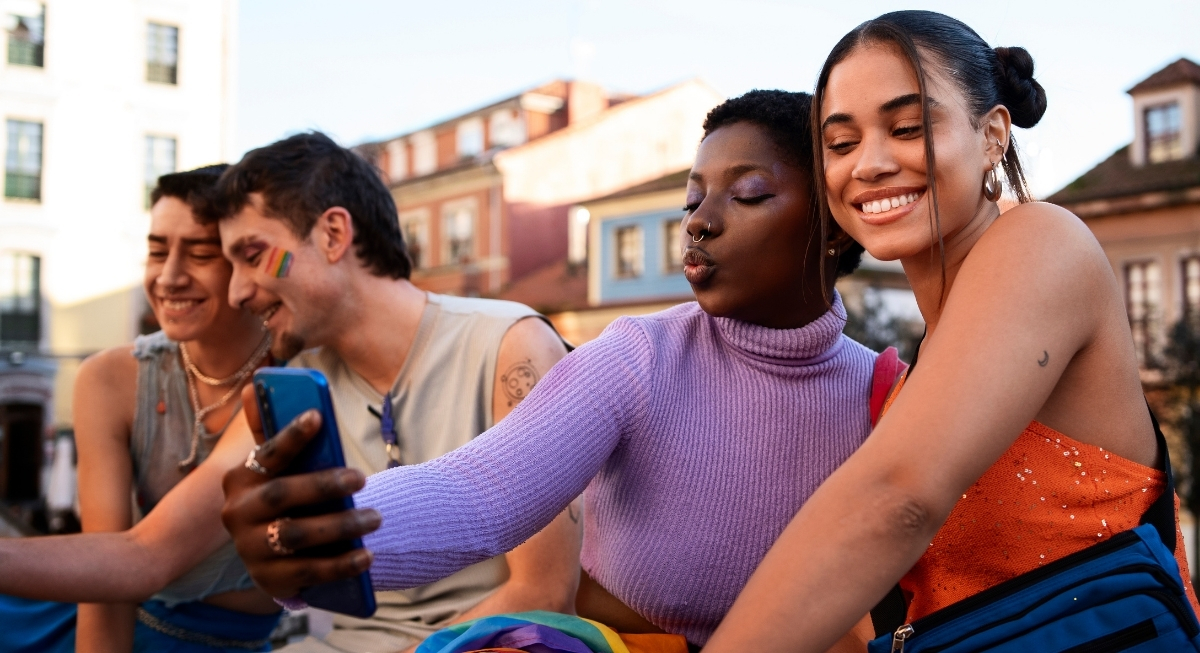
Image via Canva/zorotoo’s Images
There is a psychological reason it stuck around so long. Social media has always been a place where we feel pressured to look our best, and the dog filter offered a shortcut to that. It was a way to participate in the “selfie culture” without feeling vain, since you were technically wearing a costume.
At that point, we were also getting used to the idea of “constant sharing.” Our phones were becoming extensions of our hands. The filter fit that lifestyle perfectly because it was designed for the vertical, quick-shot format of mobile screens.
Why It Feels So Different Now
Today, filters haven’t gone away, but they’ve changed. Most of the tools people use now are “invisible.” Instead of cartoon ears, we have AI-driven tools that subtly reshape noses, brighten teeth, and smooth skin so perfectly that you can’t tell a filter is even being used.
The playfulness of 2016 has been replaced by a drive for perfection. We’ve moved away from the obvious, goofy overlays and toward a version of the internet that feels much more polished and, in some ways, more demanding. The 10-year anniversary reminds us of a time when the internet was a little messier and maybe a little more fun.