The Historical Warnings That Coincidentally Resulted in Massive Disasters
History always leaves clues before things go wrong. Engineers raise concerns and residents file complaints that seem manageable at the time. Then something changes, often quickly, and those earlier warnings take on a different meaning. These events are remembered not just for their impact, but for the uncomfortable realization that someone, somewhere, saw trouble coming long before it arrived.
Chernobyl’s Overlooked Safety Concerns
Credit: Getty Images
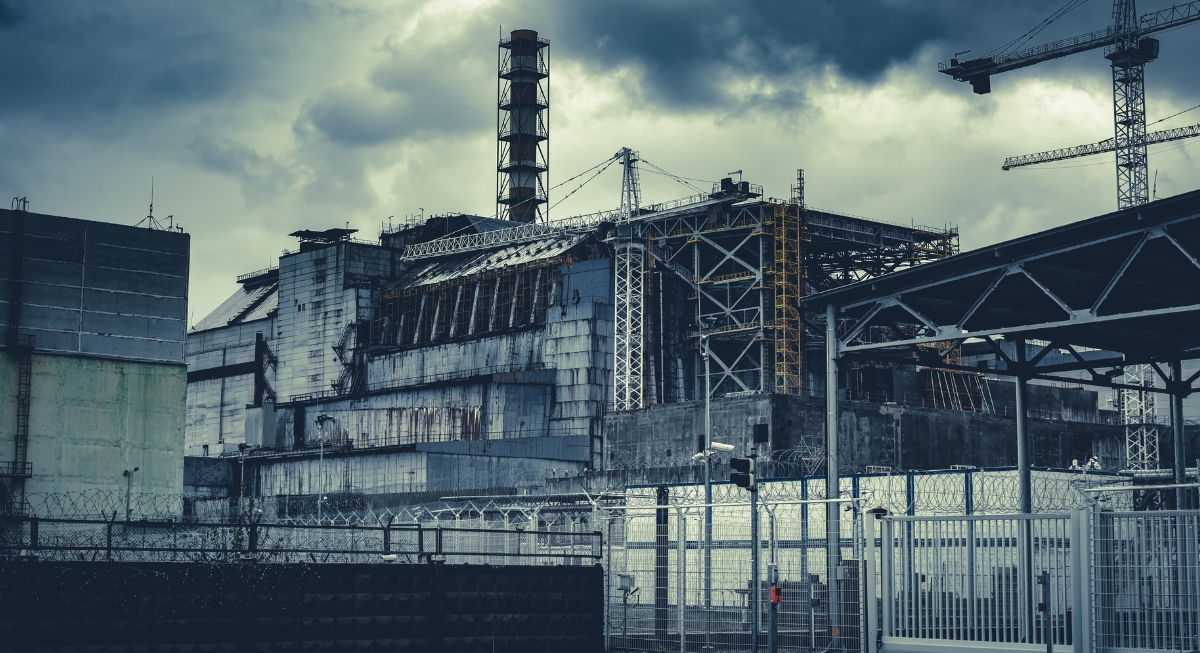
Engineers at the Chernobyl plant had flagged issues with reactor design years before the 1986 explosion. The RBMK reactor had long been known to be unstable at low power levels, a detail buried in technical discussions. During a late-night test, those weaknesses surfaced in seconds. Operators lost control, and the resulting blast released radioactive material across Europe.
Aberfan’s Ignored Landslide Risk
Credit: Wikimedia Commons
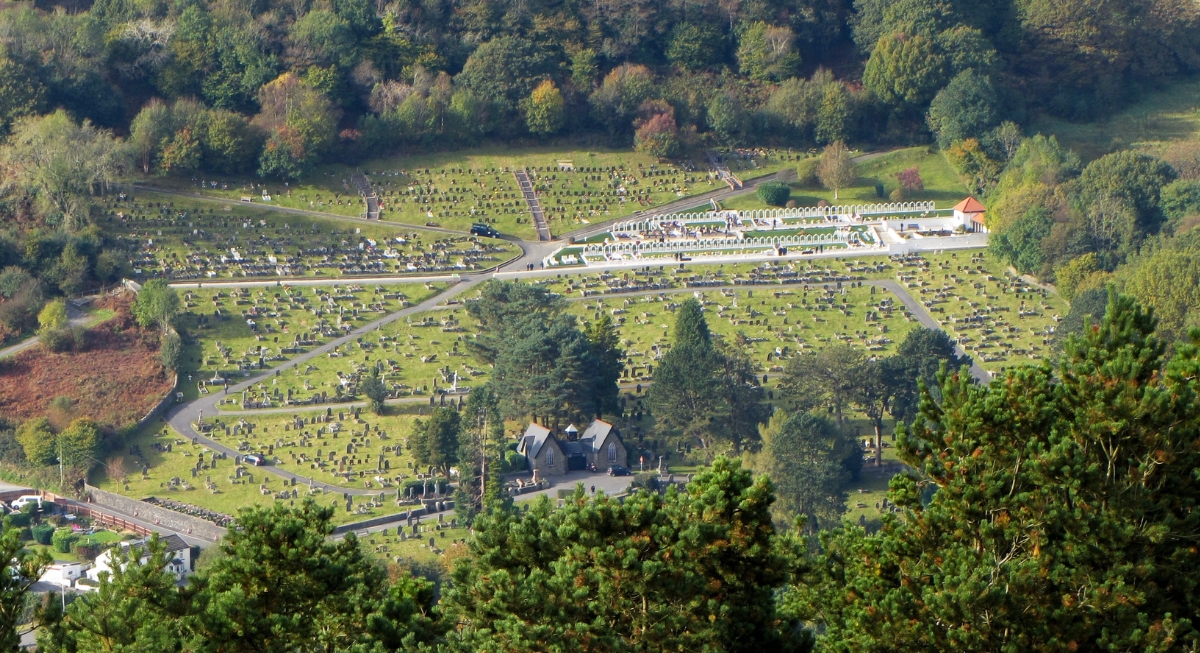
Residents in Aberfan had raised concerns about the growing piles of coal waste above their village. Local complaints mentioned water buildup and shifting ground. Those warnings sat within official channels without urgent action. Heavy rainfall in October 1966 turned the spoil tip unstable. It collapsed and swept through the village while destroying a school and homes.
Bhopal’s Faulty Safety Systems
Credit: Wikimedia Commons
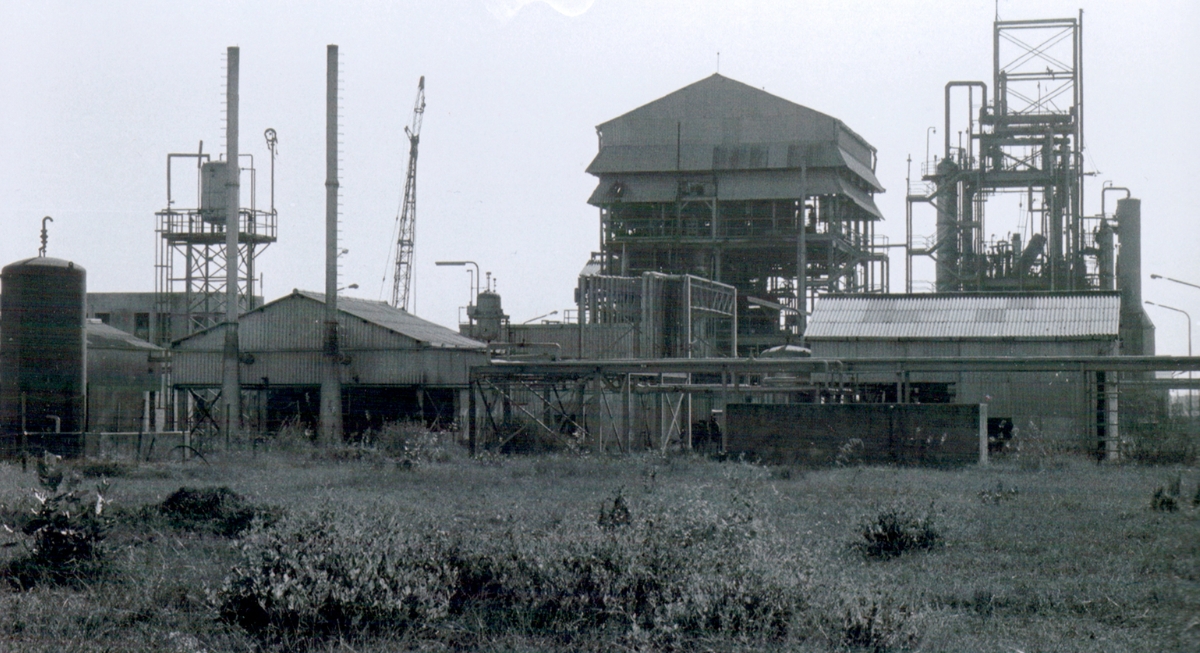
Internal audits at the Bhopal pesticide plant identified maintenance gaps and failing safety systems before the 1984 gas leak. Equipment designed to neutralize toxic chemicals was either offline or poorly maintained. Workers had raised concerns about cost-cutting measures affecting safety. When methyl isocyanate leaked into the air, those earlier warnings became painfully relevant.
Deepwater Horizon’s Pressure Test Red Flags
Credit: Wikimedia Commons
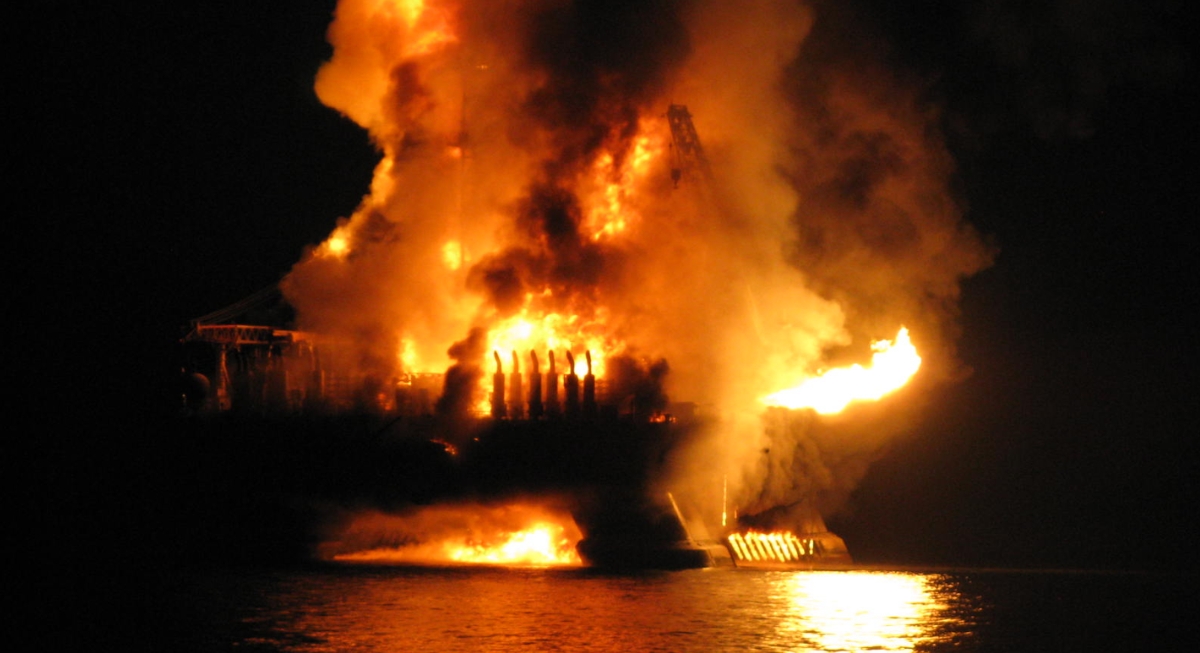
In the days leading up to the 2010 explosion, engineers working on the Deepwater Horizon rig noted unusual pressure readings during well testing. Those results suggested something was not sealed correctly deep below the ocean floor. Discussions took place, but operations continued. The spill that followed lasted nearly three months.
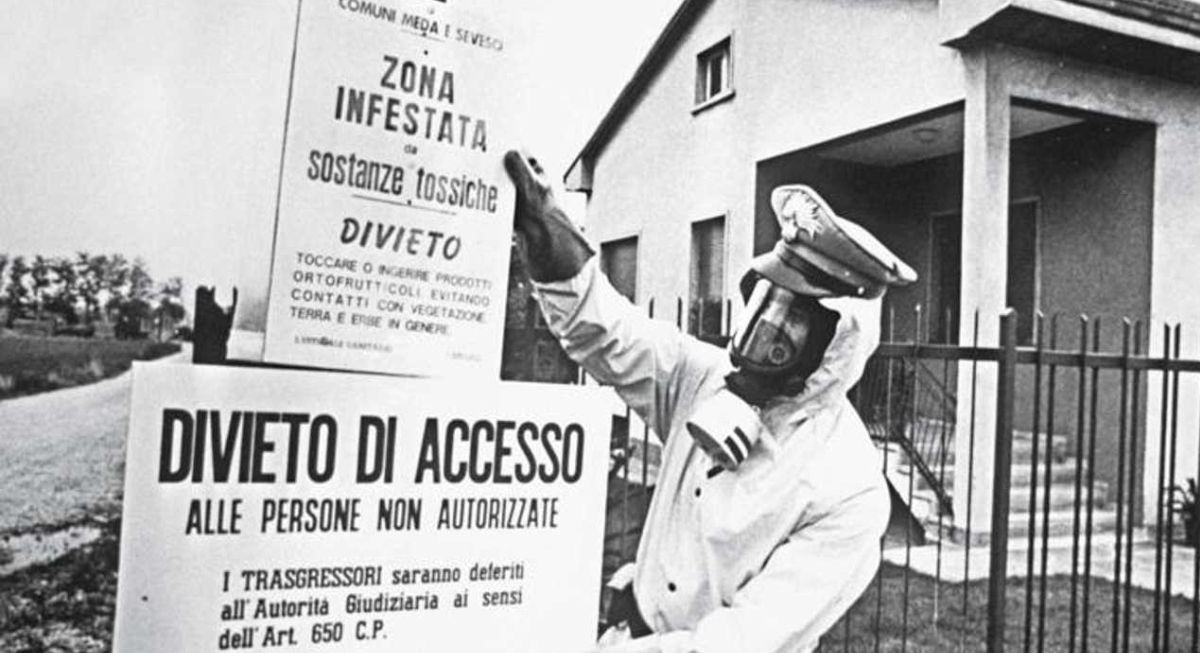
The Seveso Chemical Plant Oversight
Credit: Wikimedia Commons
At the Seveso plant in Italy, safety procedures around temperature control had been questioned before the 1976 accident. The production process involved volatile chemicals that required careful monitoring. On the day of the incident, a reaction overheated and caused a rupture. Earlier concerns about system safeguards had not led to stronger protocols and left the surrounding areas exposed to long-term health effects.
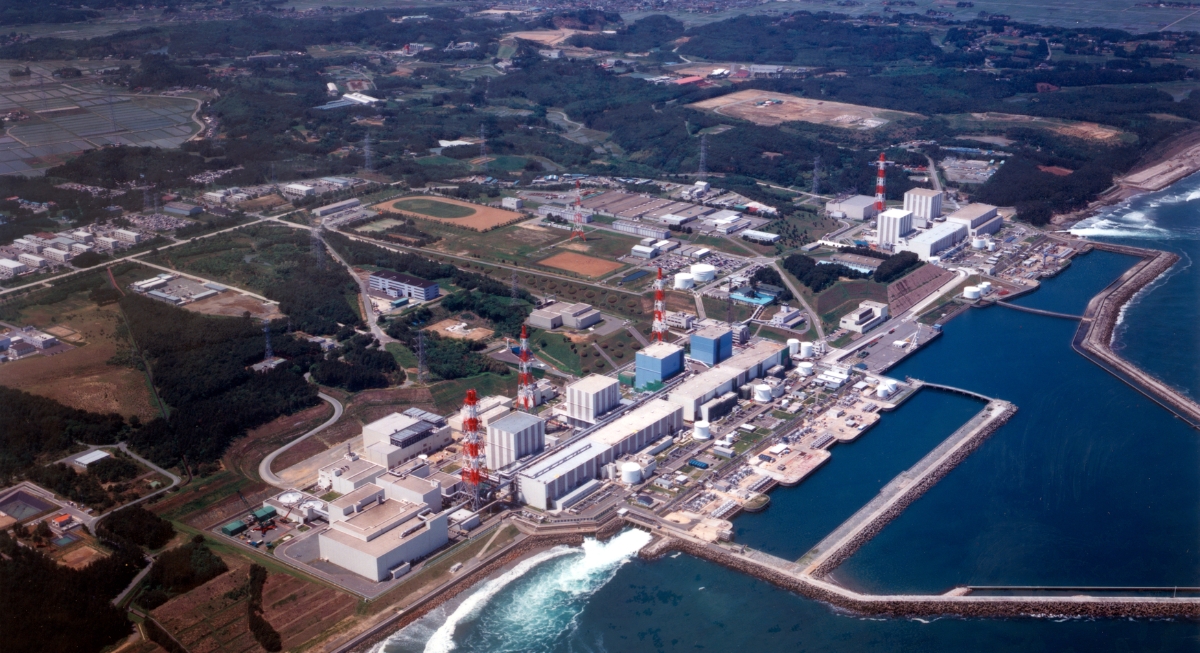
Fukushima’s Underestimated Flood Risk
Credit: Wikimedia Commons
Studies conducted before 2011 had suggested the Fukushima Daiichi plant could face larger tsunamis than its defenses were built to handle. Those findings did not lead to major upgrades. When a powerful earthquake triggered a tsunami, seawater flooded backup generators. Cooling systems failed soon after. Reactor cores overheated and released radioactive material.
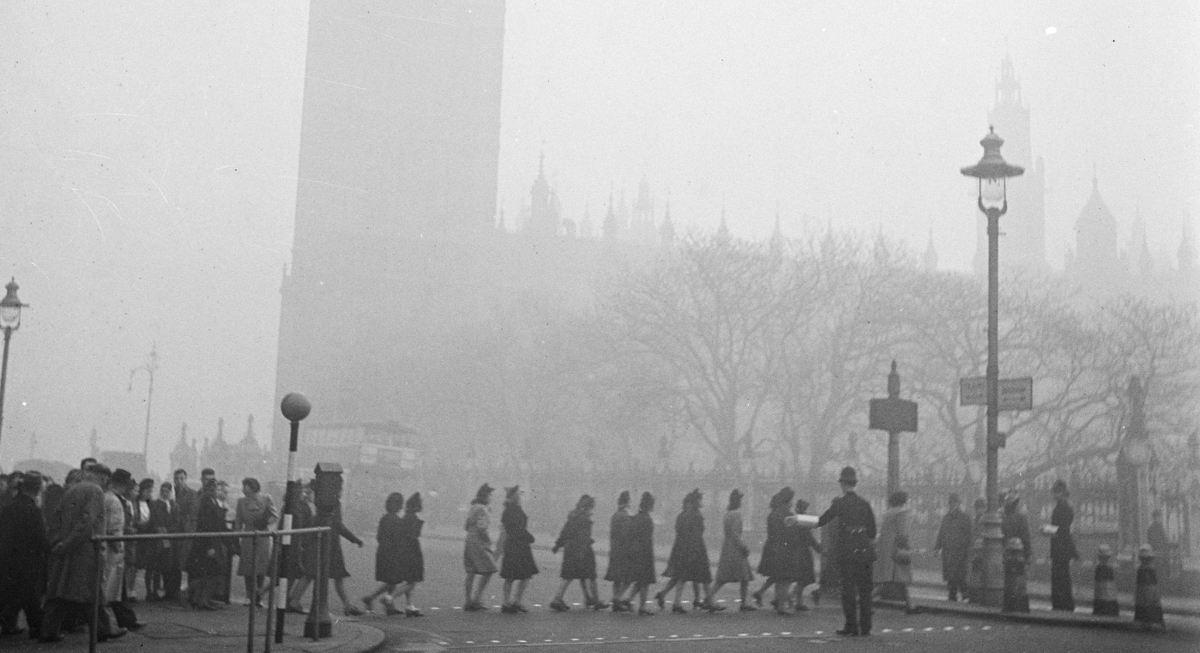
The Great Smog’s Early Pollution Warnings
Credit: Wikimedia Commons
Scientists and public health officials in London had documented the dangers of coal smoke long before the Great Smog of 1952. Reports linked air pollution to respiratory illness and reduced visibility. These concerns struggled to gain political urgency. When a period of cold weather trapped emissions over the city, pollution levels spiked dramatically.
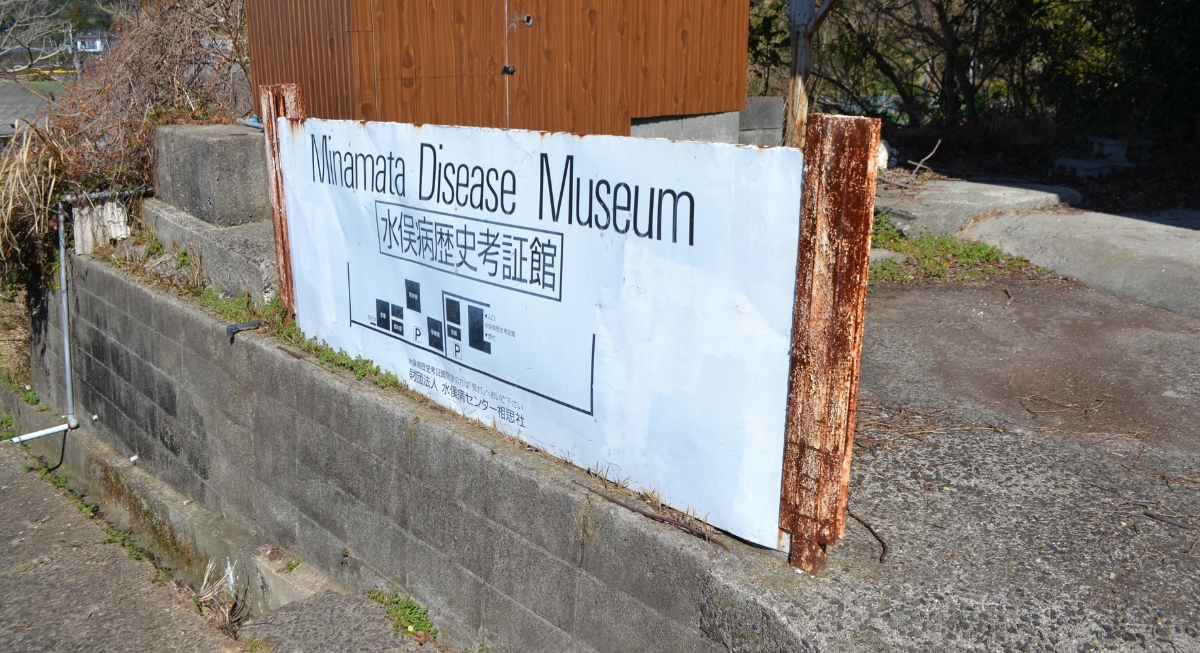
Minamata’s Contaminated Waters
Credit: Wikimedia Commons
Cats behaved erratically, and fish populations showed signs of contamination. Local observations pointed toward industrial wastewater as a possible cause. The company involved denied responsibility for years. Mercury poisoning spread through the food chain and affected entire communities.
Banqiao Dam’s Structural Warnings
Credit: Wikimedia Commons
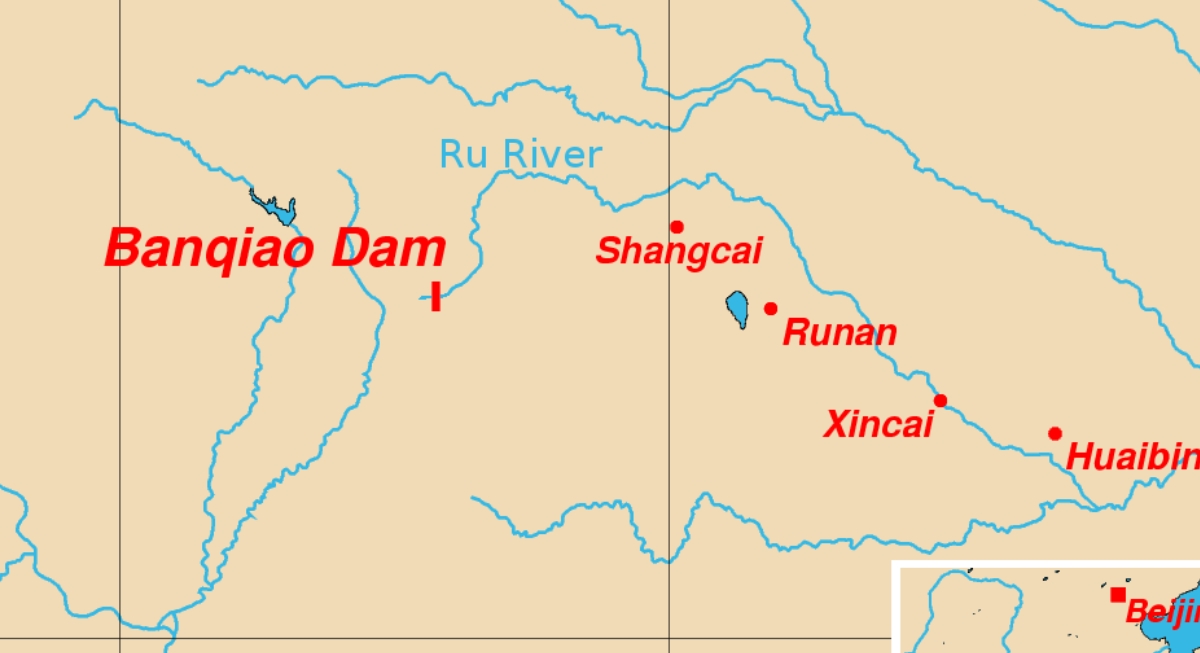
Engineers had expressed concerns about the Banqiao Dam’s ability to handle extreme weather before its collapse in 1975. Design limitations were known, and recommendations for reinforcement were discussed. When Typhoon Nina brought unprecedented rainfall, the dam could not withstand the pressure. It failed and triggered massive flooding across Henan Province.
Flint’s Water Quality Complaints
Credit: Wikimedia Commons
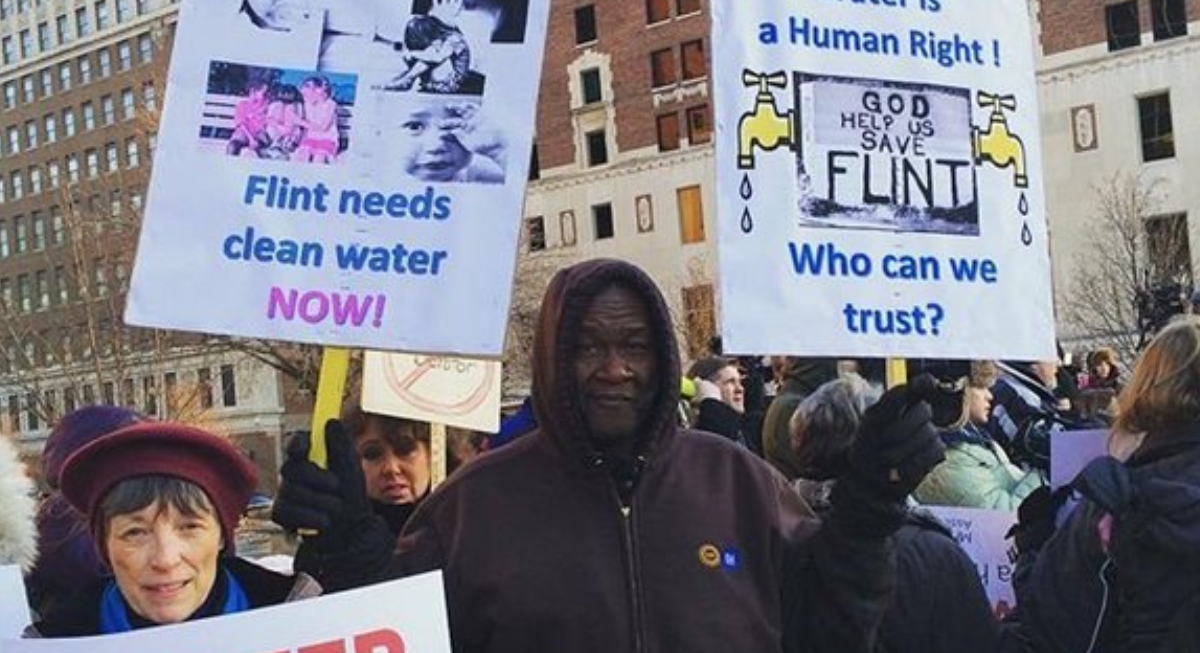
Residents in Flint, Michigan, began reporting strange taste, odor, and discoloration in their water shortly after the city changed its water source in 2014. Local officials received complaints, and independent tests showed elevated lead levels. Despite this, reassurances continued for months. Corrosive river water had leached lead from aging pipes into homes.