Dark Cartoon Theories You Probably Never Knew Existed
Cartoons often seem simple on the surface, built for laughs and easy storytelling. But fans have spent years rethinking those same shows through a much darker lens. These theories usually connect small details, odd dialogue, or background clues that never quite made sense. Taken together, they offer a different way to look at familiar characters without losing the fun that made them memorable in the first place.
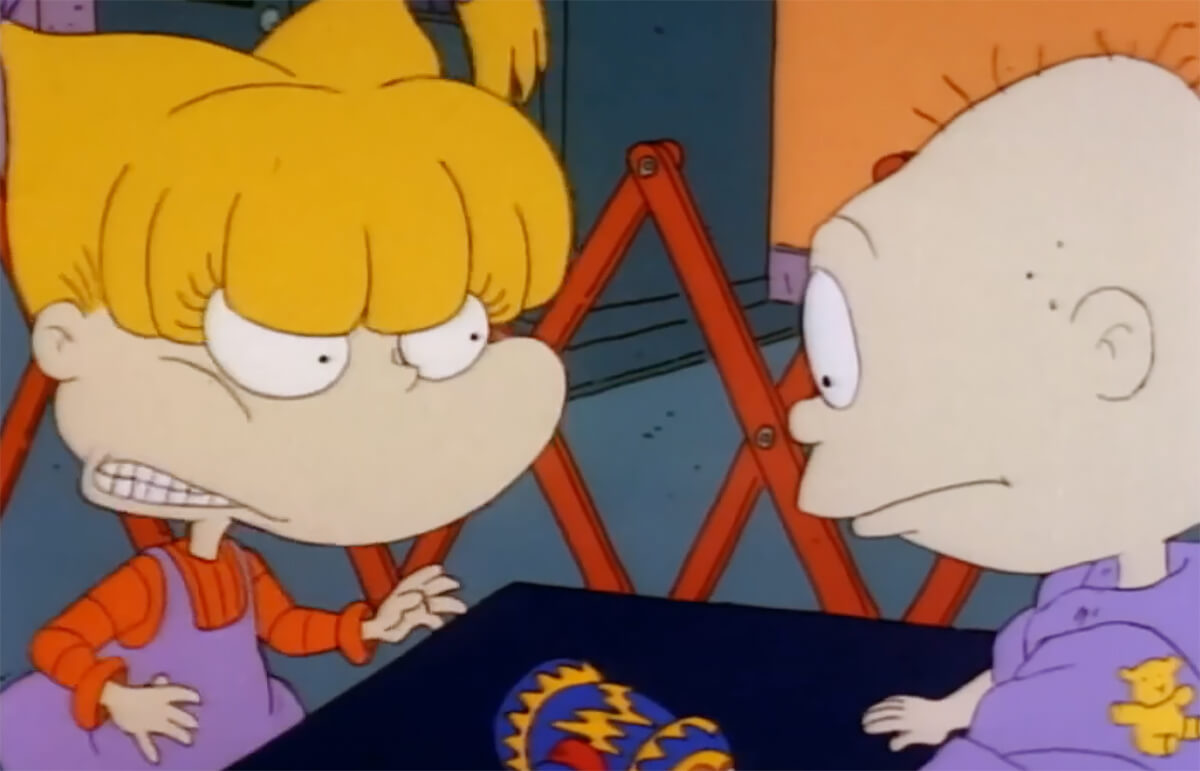
Angelica Imagined The Rugrats
Credit: Youtube
One long-running fan theory claims the show reflects Angelica coping with the loss she has seen or heard about around her. In this version, the babies aren’t real. Tommy is imagined as a baby who died before birth, which is why his infancy is never shown. Chuckie’s missing mother and his father’s anxious behavior point to a family dealing with loss. Angelica takes these real situations and fills in the gaps by imagining the children as alive.
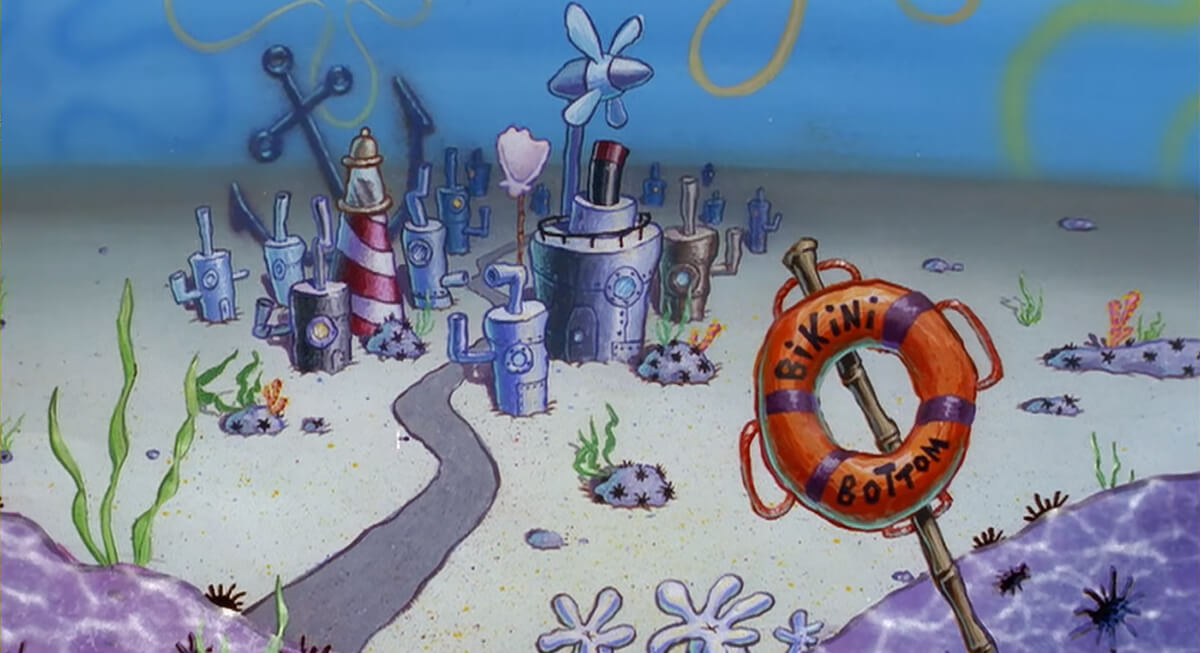
Bikini Bottom And Nuclear Testing
Credit: Wikimedia Commons
SpongeBob SquarePants takes place in Bikini Bottom, a fictional underwater town named after Bikini Atoll, a real location in the Pacific Ocean where the United States conducted nuclear tests in the 1940s and 1950s. Fans connect this detail to the show’s unusual world, where sea creatures can talk, think, and live like humans. The theory suggests that radiation from those tests caused these changes, shaping the strange biology and society seen in Bikini Bottom.
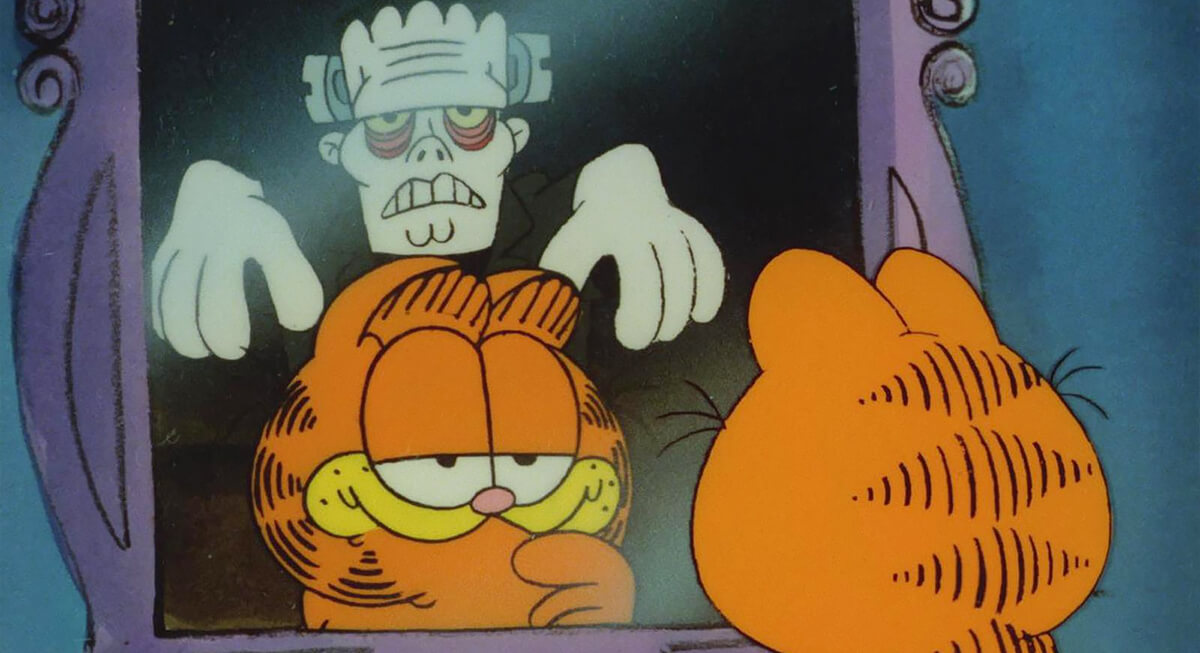
Garfield’s Lonely Reality
Credit: IMDb
A darker reading of Garfield comes from a specific comic where he wakes up alone in an abandoned house. Jon and Odie disappear entirely. The theory proposes that Garfield is imagining his comfortable life to cope with neglect or hunger. The one strip stands apart from the usual humor.
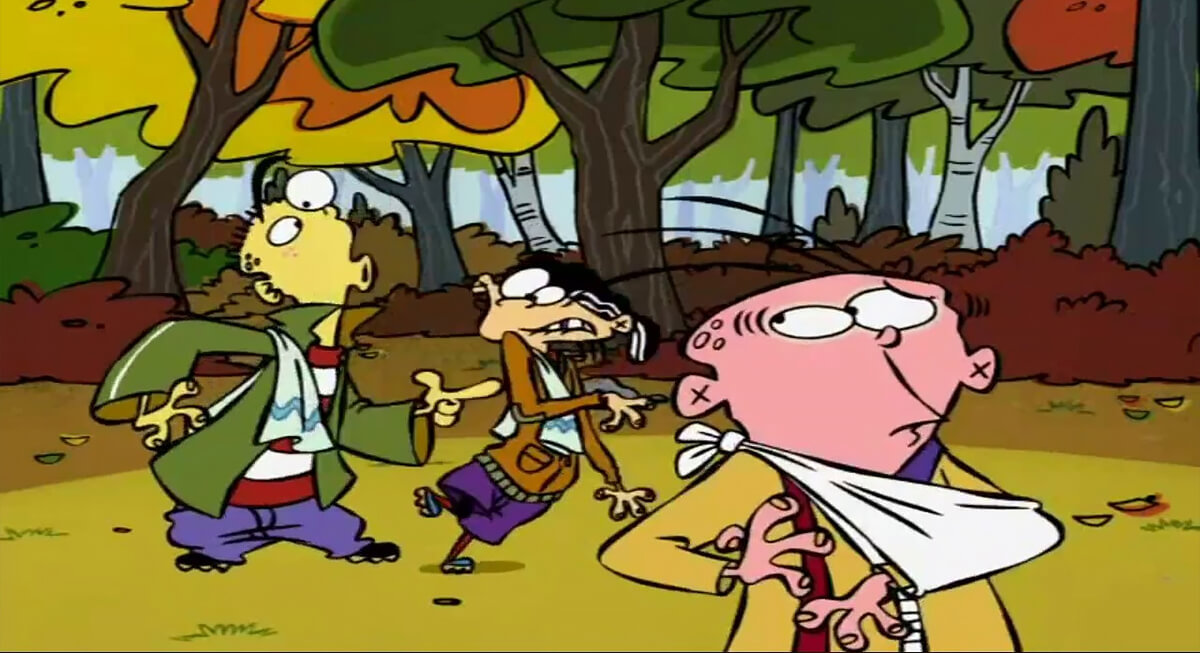
The Ed, Edd n Eddy Purgatory Idea
Credit: IMDb
The cul-de-sac in Ed, Edd n Eddy has no visible adults, which has fueled a long-standing fan interpretation. According to this idea, the kids represent spirits from different time periods, all stuck in a shared afterlife. Their clothing styles and accents become clues tied to specific decades.
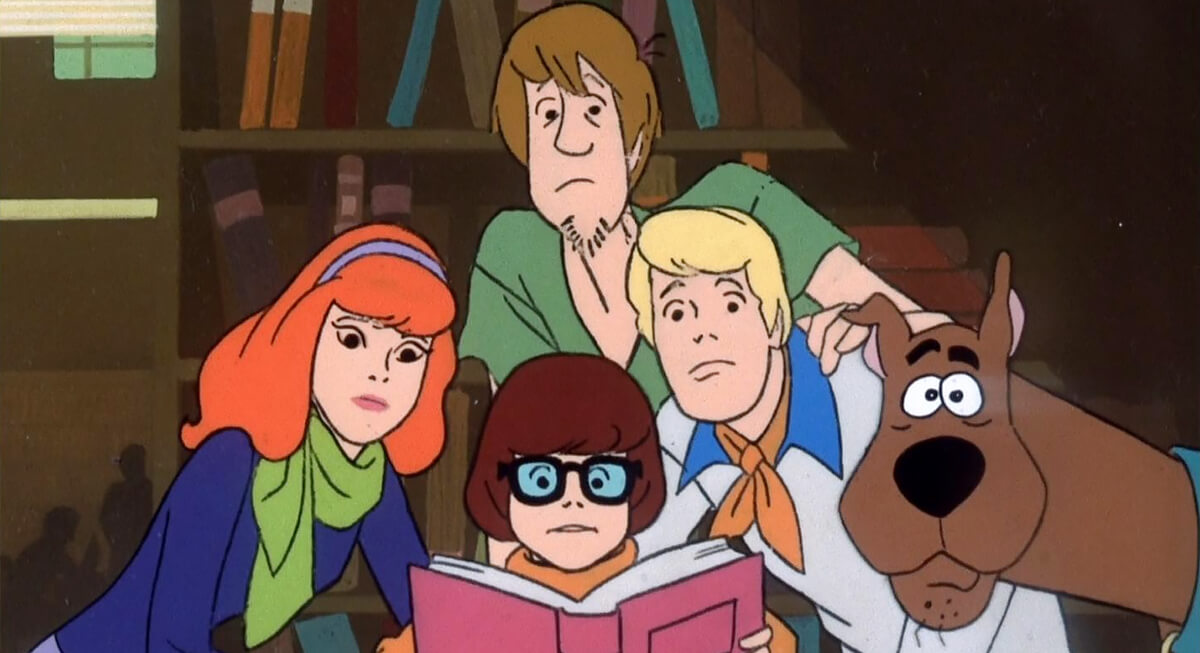
Scooby-Doo Set During Economic Collapse
Credit: IMDb
Many Scooby-Doo episodes feature abandoned amusement parks, empty mansions, and struggling businesses. One theory links this to a broader economic downturn. The villains often turn out to be professionals who have fallen on hard times. Their elaborate disguises become a way to survive financially.
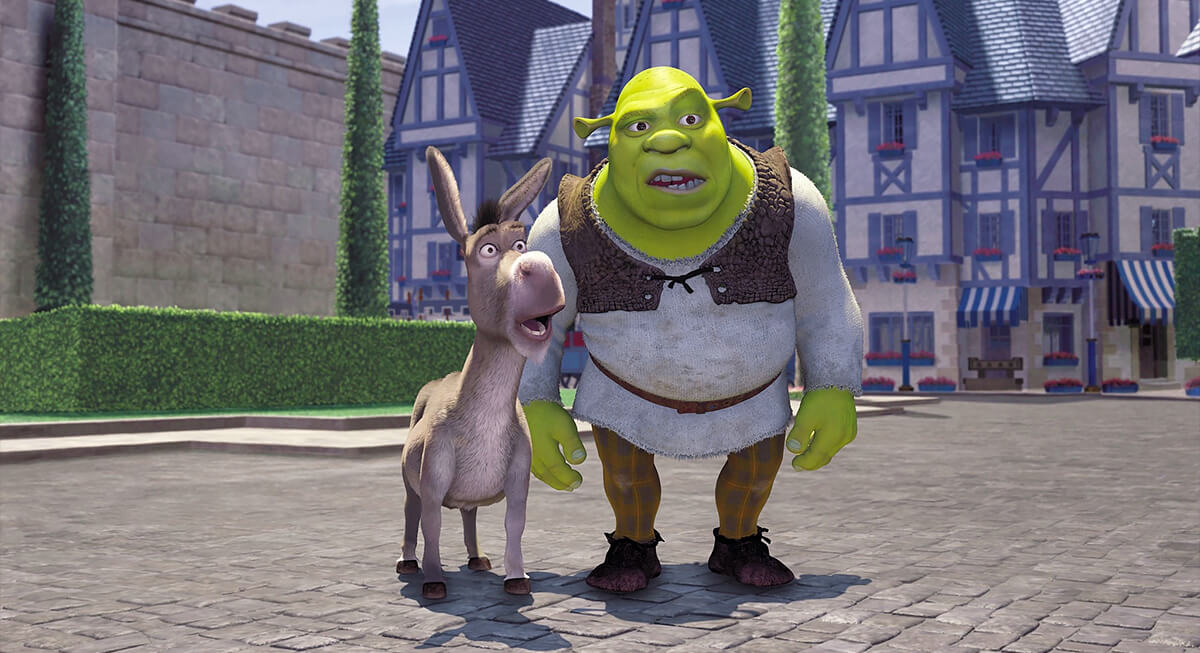
Donkey’s Possible Human Past
Credit: IMDb
In Shrek, Donkey can talk, but the story never explains why. Fans link this to Pinocchio, where misbehaving boys are turned into donkeys on Pleasure Island. In some versions of that story, a few of those boys keep the ability to speak even after transforming. Donkey might be one of those boys who were turned into donkeys and never changed back.
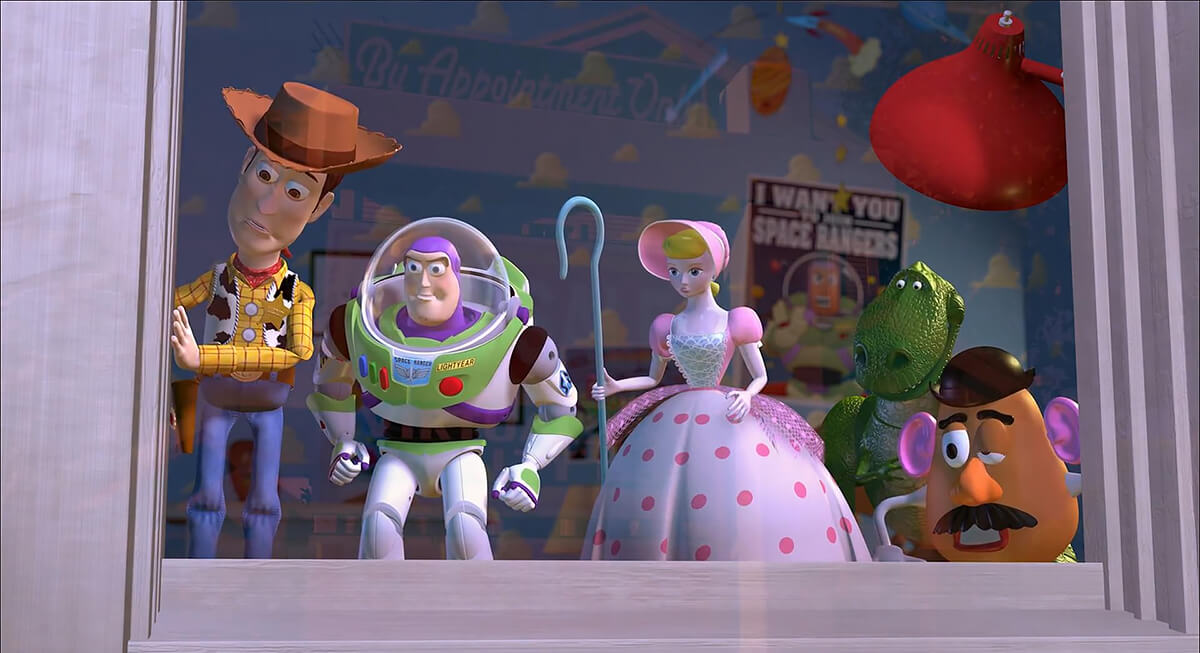
The Toy Story Energy Theory
Credit: IMDb
This theory suggests that the toys themselves rely on children’s attention to stay “alive,” rather than simple magic. When kids play with them, they stay active and aware. As they are forgotten or replaced, that energy fades. This helps explain why the toys are so afraid of being abandoned or thrown away. Scenes with lost or discarded toys feel more serious in this light, as their fear comes across like a struggle to survive.
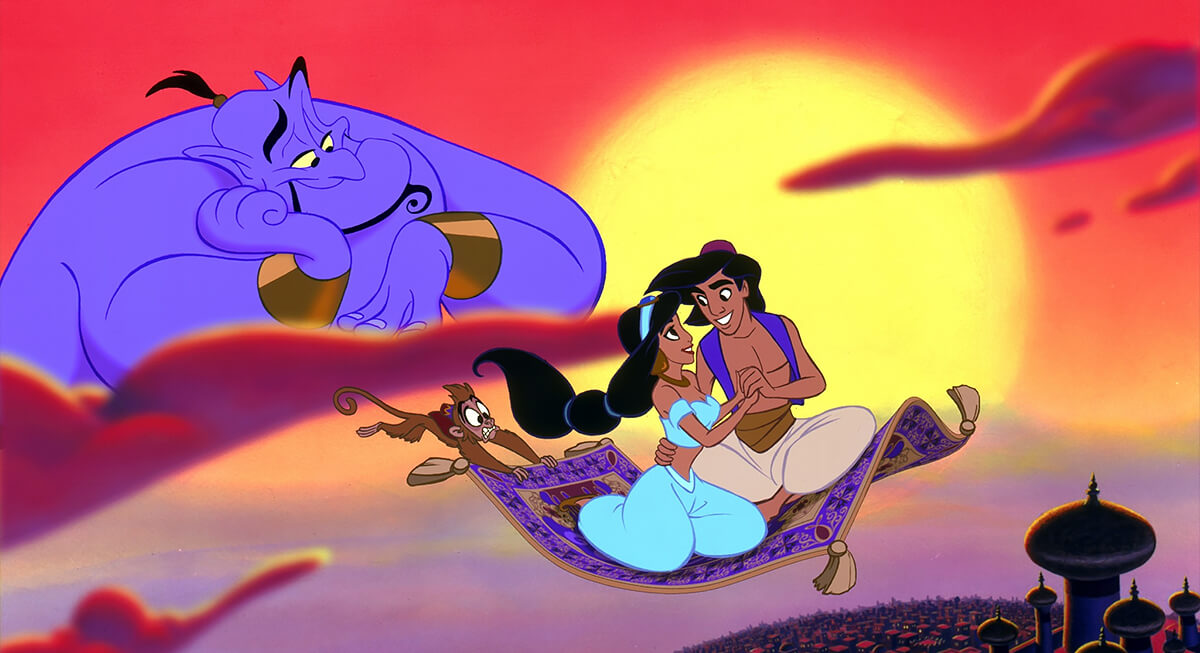
Aladdin Set In A Distant Future
Credit: IMDb
The Genie in Aladdin frequently references modern celebrities and pop culture despite being trapped for thousands of years. Fans use that detail to suggest the story takes place far in the future. In this version, Agrabah exists after a major reset of civilization. Cultural fragments survived, while advanced knowledge faded.
Inspector Gadget’s Identity Twist
Credit: Youtube
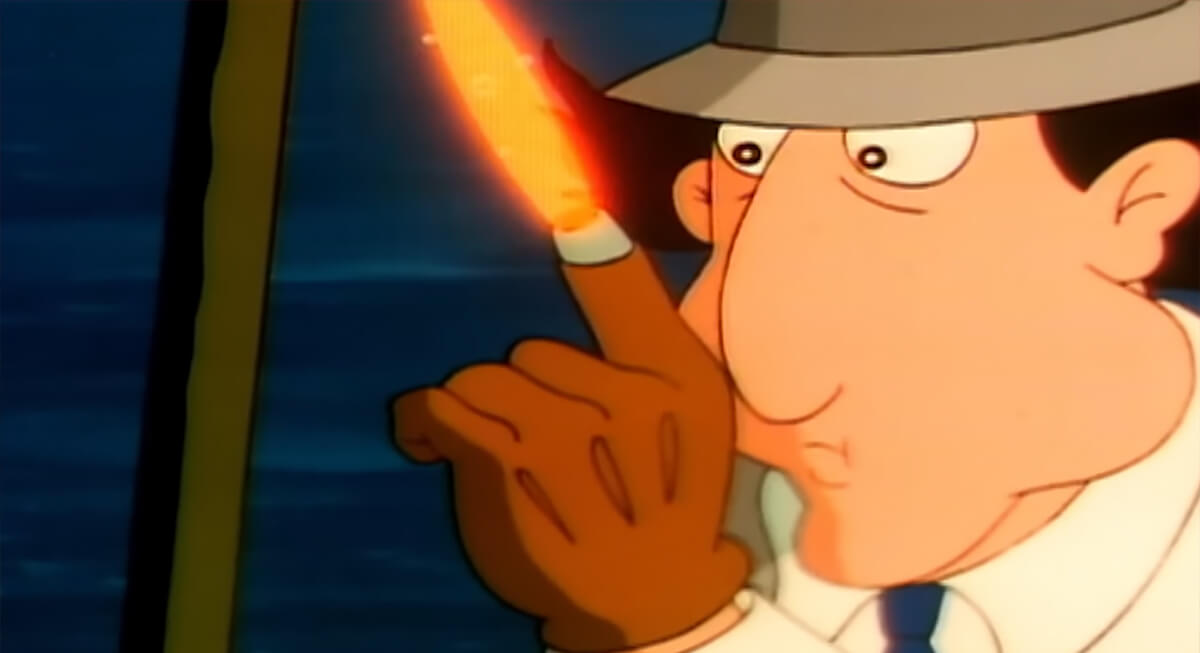
A popular fan theory suggests that Inspector Gadget and Dr. Claw were once the same person. According to this idea, an agent was badly injured in an accident. One version of him was rebuilt with gadgets and became Inspector Gadget, while the original, still human, survived and later became Dr. Claw. This would explain why Claw never shows his face and why he seems personally obsessed with destroying Gadget, as if he’s targeting another version of himself.
Charlie Brown’s Hidden Illness
Credit: IMDb
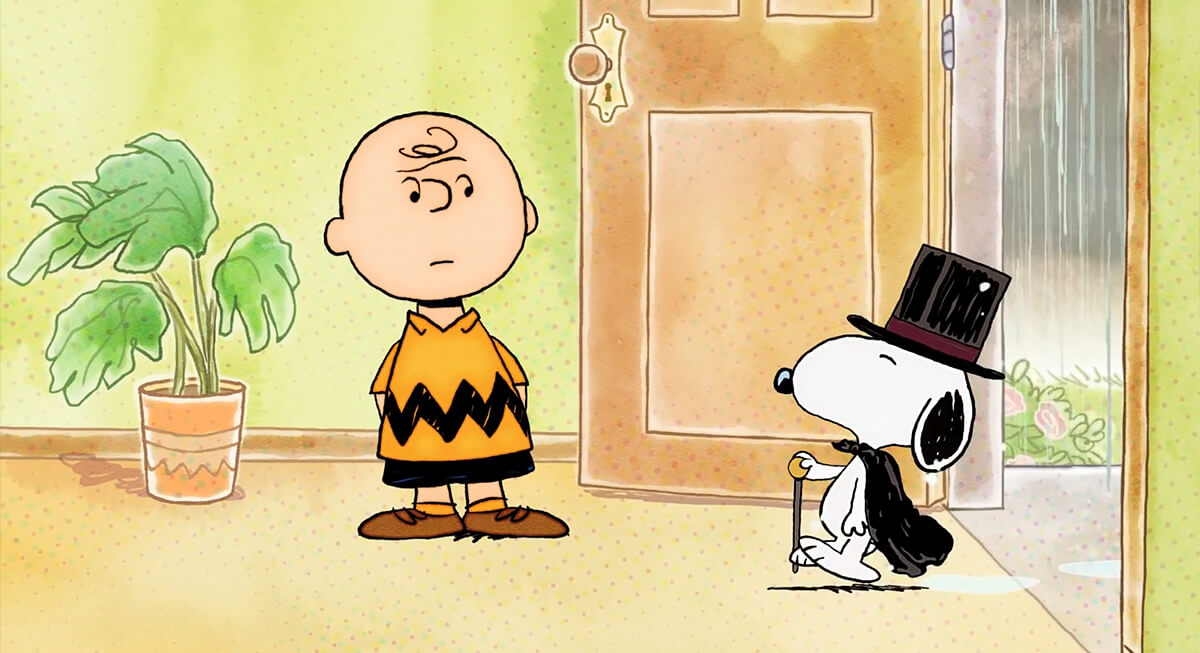
Charlie Brown’s constant misfortune and distinct appearance have led to a somber interpretation. The theory suggests he is seriously ill and imagining the world around him as a way to cope. His lack of hair and ongoing struggles are viewed as symbolic rather than coincidental.