10 Catalogs That Used to Show Up in Every American Mailbox (And One That Still Does)
Local mail carriers once delivered a physical marketplace right to the front door. Catalogs were thick booklets with glossy pages that regularly stacked up on kitchen counters, with folded pages and favorite items circled in permanent marker. This monthly delivery provided a simple way to browse a wide range of products. Anyone could open a catalog and dream up a wishlist.
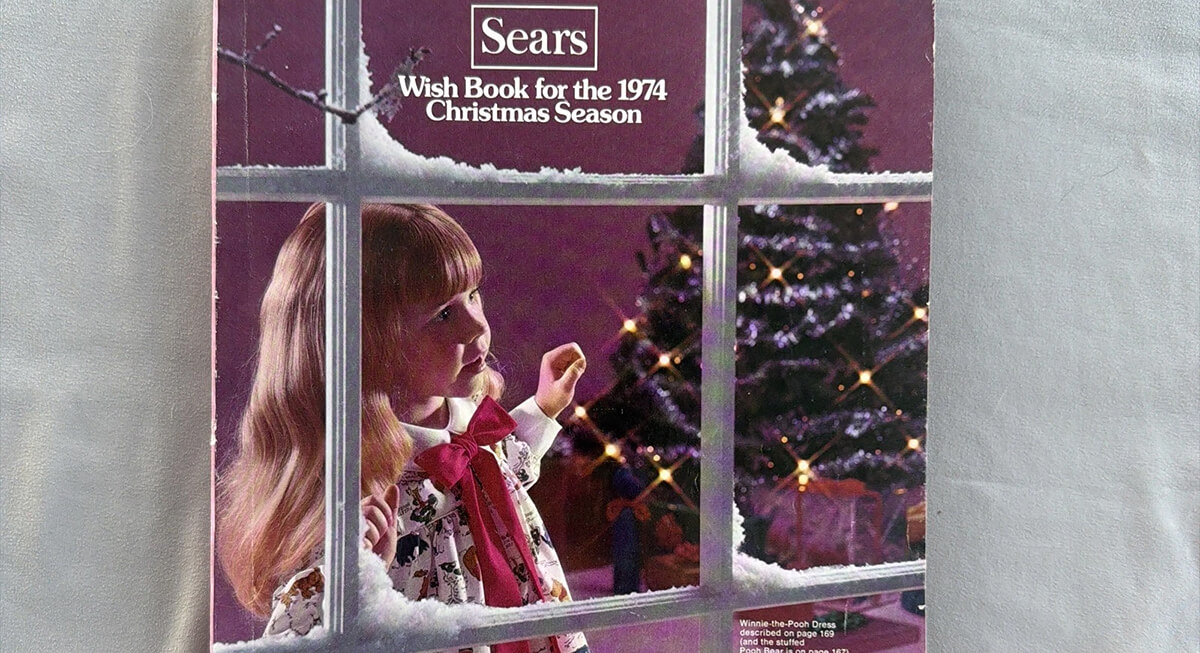
Sears Wish Book
Credit: ebay
Winter vacation plans used to begin with a pencil and a Sears catalog. Kids treated the toy section of the Wish Book, which debuted back in 1933, as a serious research project. While the iconic main catalog ended production in 1993, the holiday edition left lasting memories. Circling a favorite bike never guaranteed anything, but at least parents got the hint.
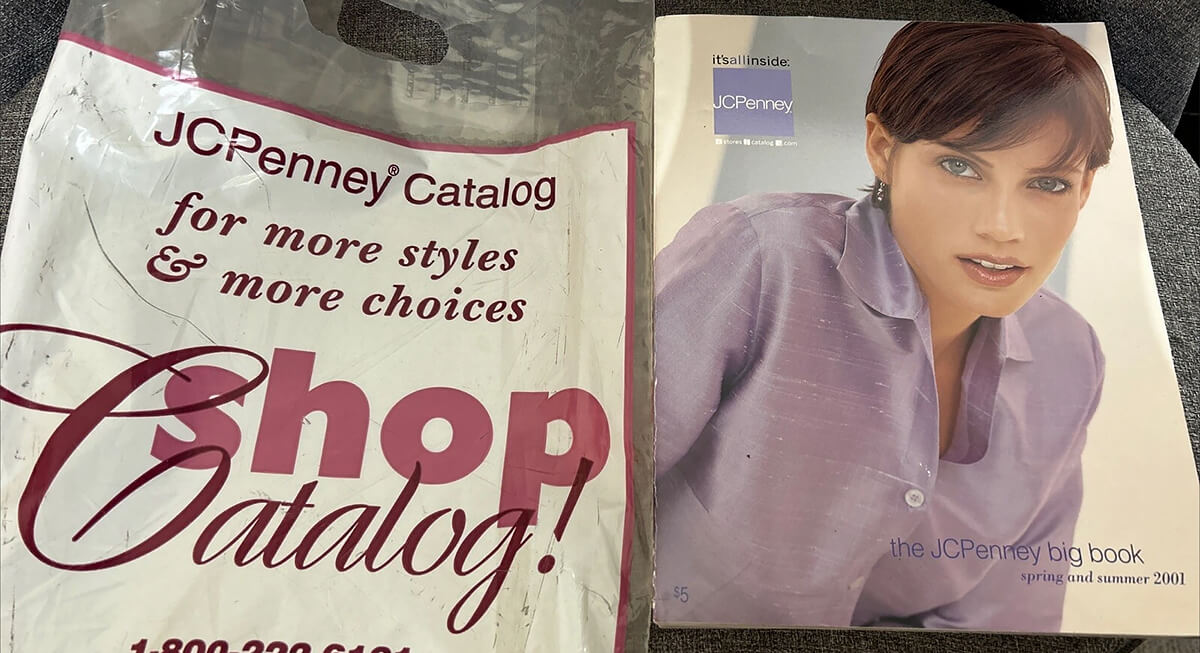
JCPenney Big Book
Credit: ebay
Busy families relied on the JCPenney Big Book for their home needs. Clothing, bedding, kitchenware, and other home basics could be found in the thick catalog. The company ended the semiannual, phone-book-sized Big Book after the 2009 fall edition. Yet when JCPenney sent out smaller-print mailings a few years later, it showed that print media could still drive sales.
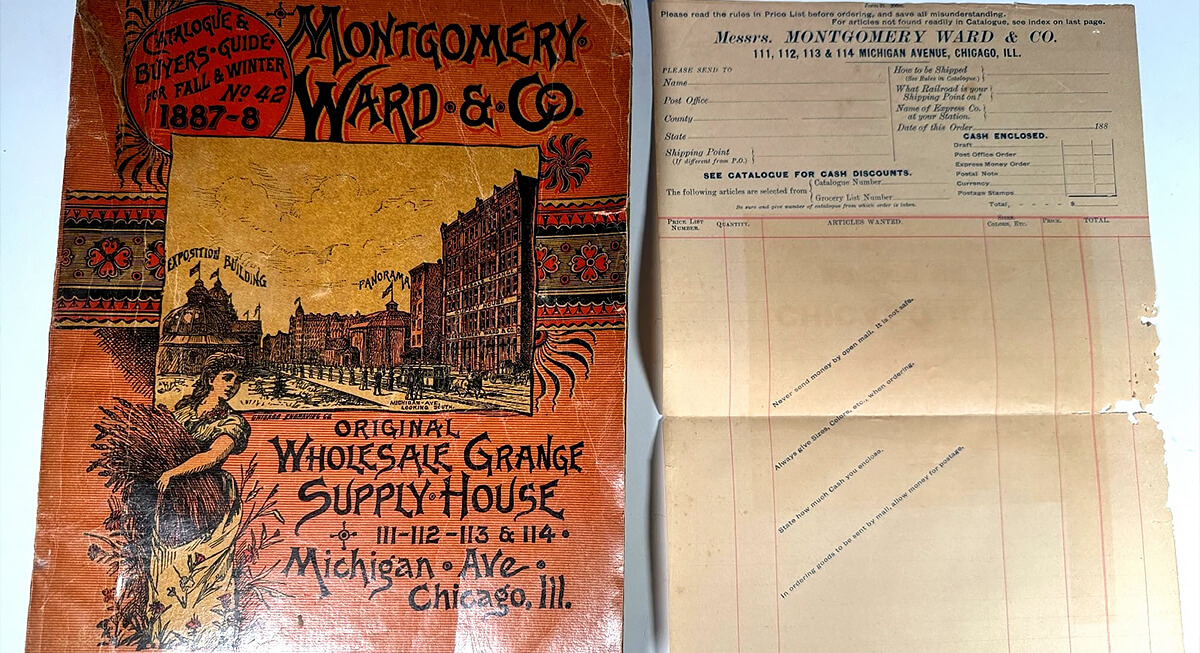
Montgomery Ward
Credit: ebay
Montgomery Ward connected rural buyers with general merchandise long before shopping malls existed. Established in 1872, the business grew into a legendary American mail-order brand. The company eventually shut down its historic 113-year catalog operation in 1985 to prioritize physical retail locations. This ended an era when small-town shoppers could purchase goods without traveling long distances to the city.
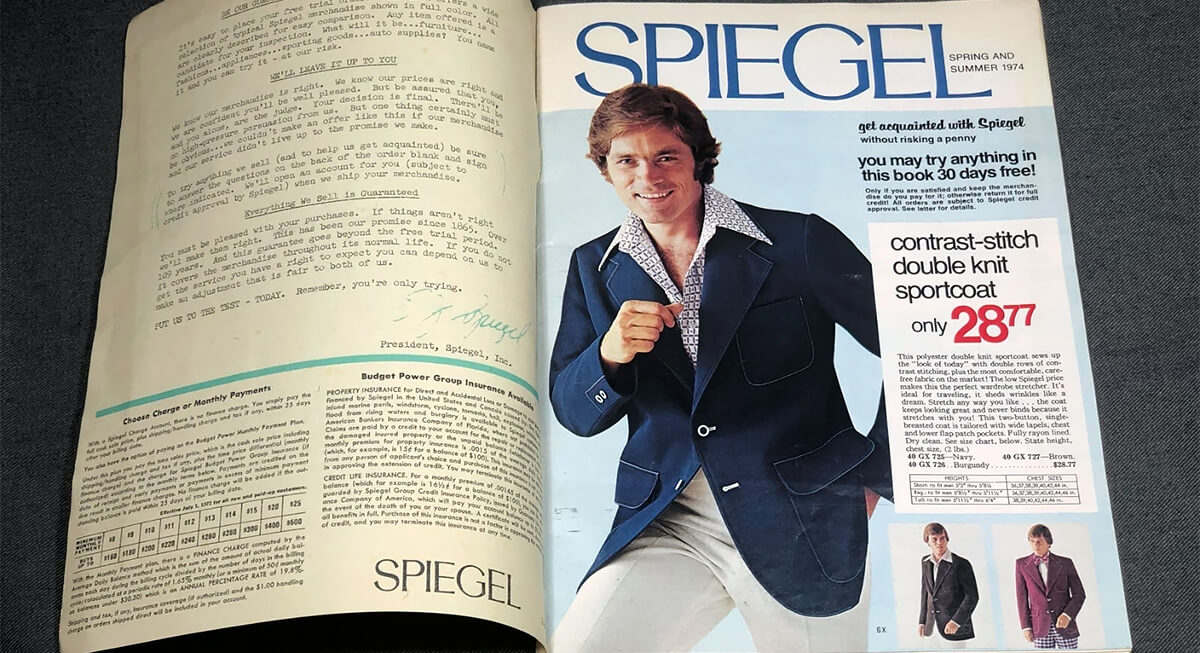
Spiegel
Credit: ebay
Spiegel brought a touch of style to the mailbox. The brand began as a Chicago furniture store in 1865. Then it introduced its first catalog in 1888 and gradually became known for fashion, with women’s apparel arriving in 1912. Unlike massive, utility-focused booklets, Spiegel offered a sophisticated experience. It was the kind of book people flipped through for glamorous outfits while pretending they only wanted to look at the sofas.
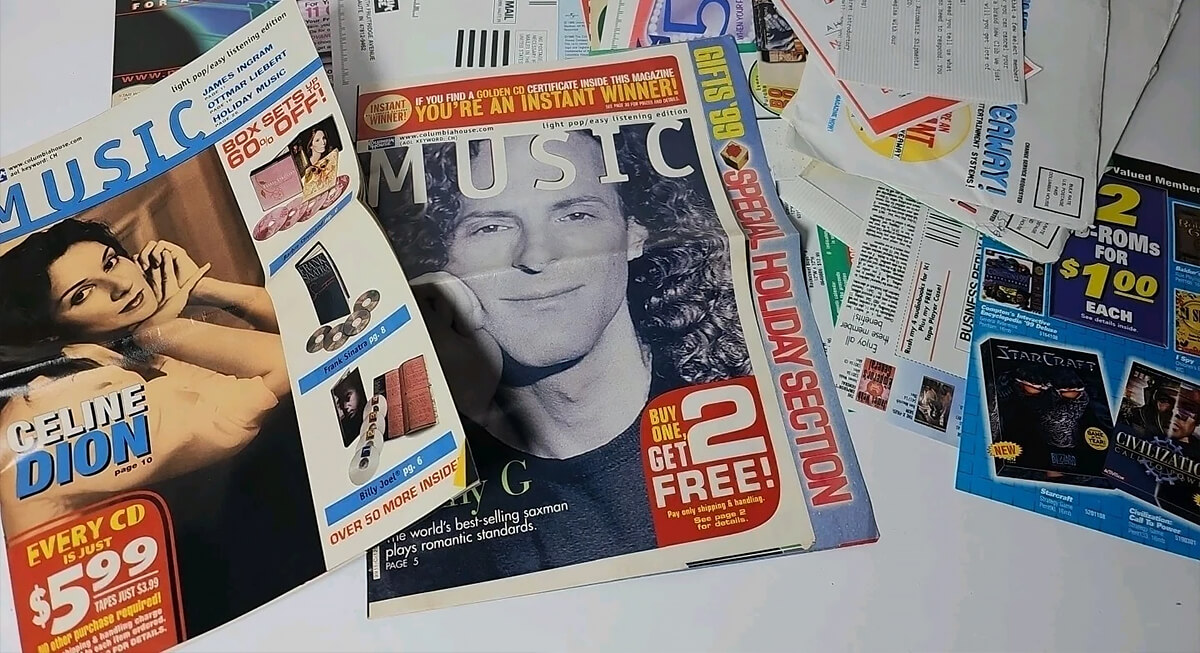
Columbia House
Credit: ebay
A low entry price made it difficult for music fans to ignore Columbia House. Starting as a 1955 mail-order experiment by CBS/Columbia Records, it eventually became famous for heavily promoted records, cassettes, and CD club offers. The sweet deals required a long-term commitment, meaning you had to read the fine print carefully. Even so, for music fans, the colorful catalog made building a collection an easy and exciting prospect.
dELiA*s

Credit: ebay
In the 1990s, teen fashion arrived directly in the mailbox. dELiA*s was launched in 1993 and sold clothes, shoes, makeup, and room decor through popular catalogs, websites, and stores. The brand focused on a younger crowd and used casual captions to drive its massive appeal. The pages were nothing like a boring department store catalog. The writing sounded exactly like a close friend talking about the coolest outfits.
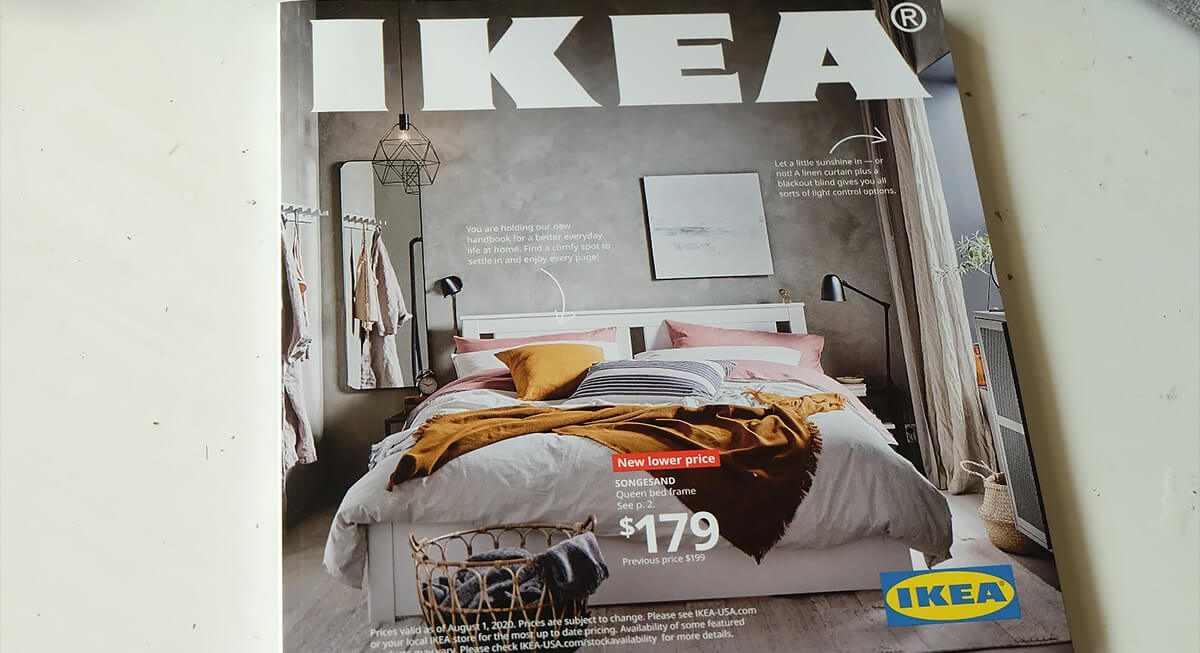
IKEA Catalog
Credit: ebay
People kept IKEA catalogs for home inspiration. While individual chairs caught the eye, the styled rooms sold the dream of organized living. Clever shelving and storage setups looked achievable in a single weekend. IKEA says it ran for 70 years until the final edition was released in 2021.
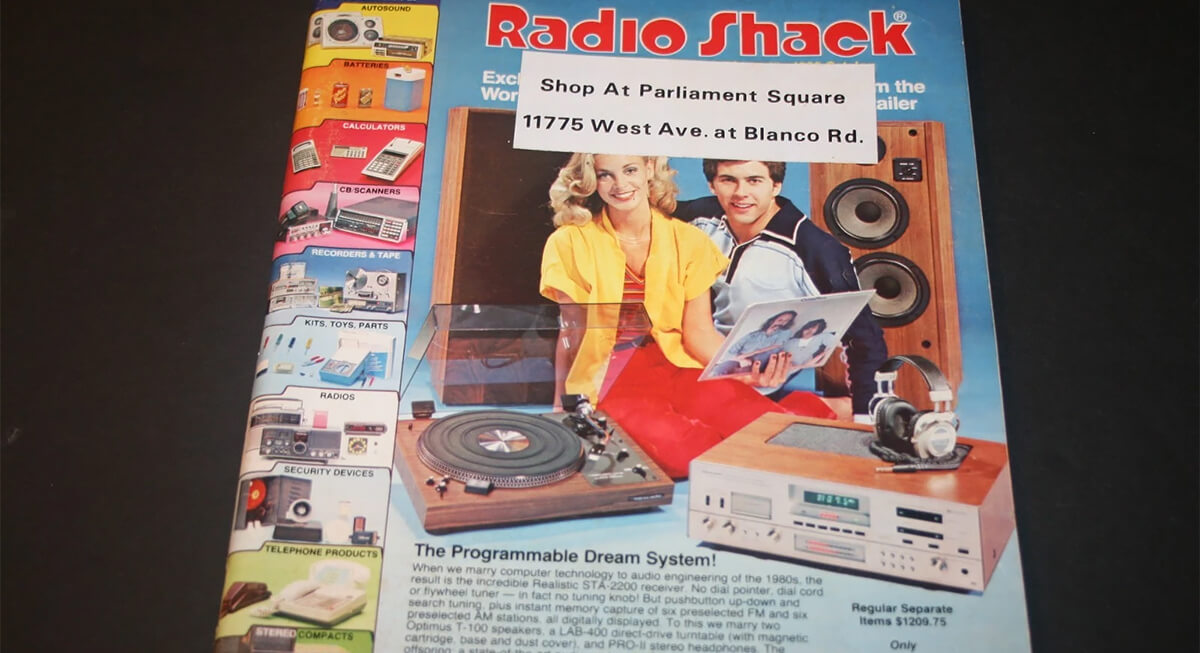
RadioShack
Credit: ebay
RadioShack’s archive stretches from 1939 to 2011, capturing decades of changing consumer technology. Over the years, the pages featured everything from radios and home computers to specialized communication gear. For builders and hobbyists, it also functioned as a parts directory with prices attached.
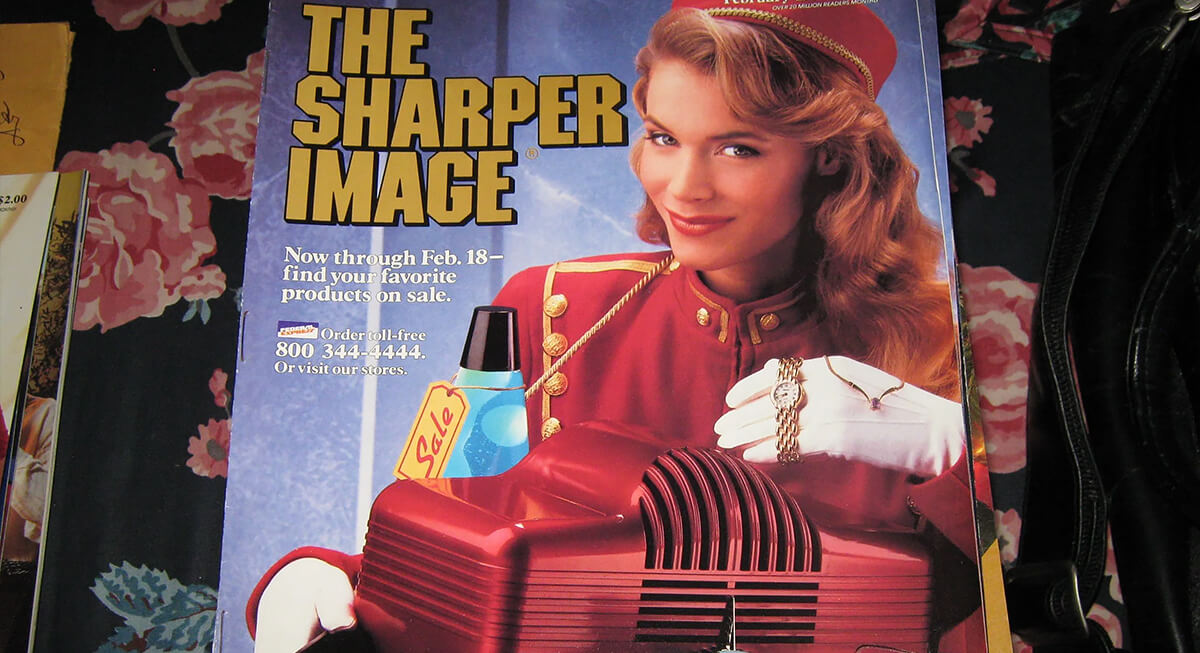
The Sharper Image
Credit: Reddit
The Sharper Image focused on unique products that required an explanation. Its catalogs offered expensive novelties, from high-end massage chairs and sleek gadgets to specialized air purifiers. However, falling sales and legal trouble over its Ionic Breeze air purifiers led to a Chapter 11 bankruptcy filing in 2008. While the original physical stores closed, the brand name survived and moved forward under new ownership.
L.L.Bean
Credit: ebay
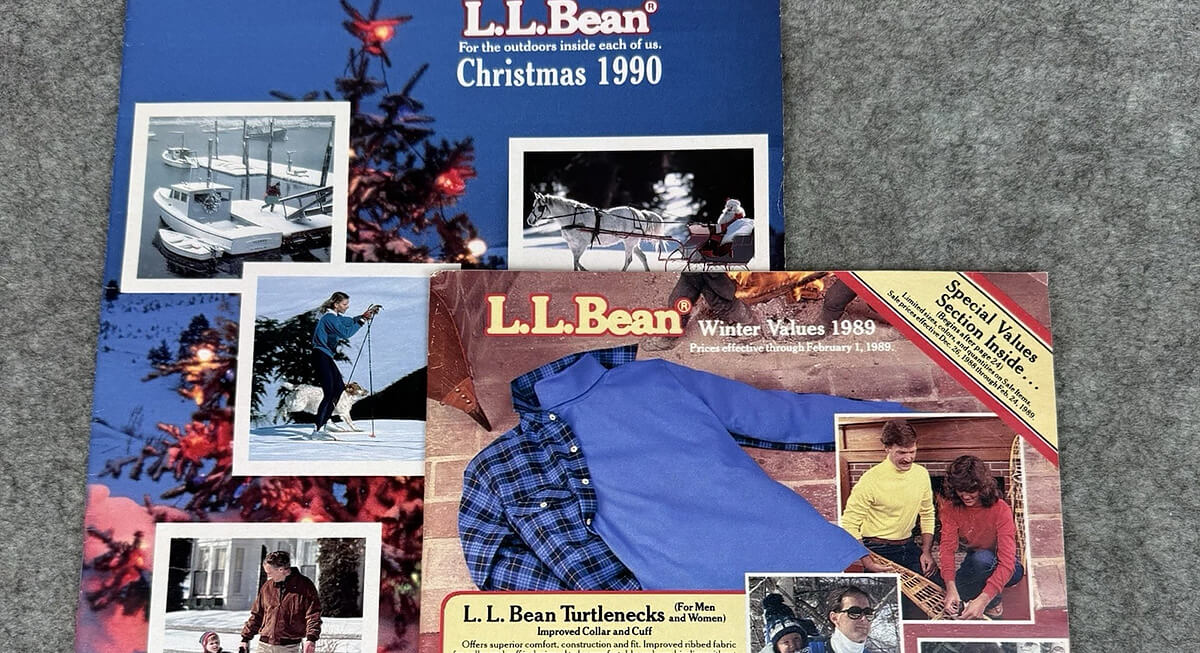
L.L.Bean continues to print its classic catalogs. The website makes it easy for U.S. shoppers to sign up for mailings or adjust their options online. This traditional format is perfect for outdoor gear, as items like boots, flannel shirts, and tents are ideal for slow browsing. Even if a glossy page directs readers to a digital shopping cart, the physical booklet delivers a welcome dose of nostalgia straight to your front door.