How Thanksgiving Dinner Changed Decade by Decade
Thanksgiving dinner has changed over time, even though many of its core elements have remained consistent. Turkey is still the centerpiece in most households, but the dishes served alongside it, the way meals are prepared, and how people gather have all changed across decades. These changes reflect broader developments in American life, including improved food production, wider access to ingredients, and changing cultural influences. Looking at the meal decade by decade shows how these factors shaped what people eat on Thanksgiving.
Before The Decades: How The “Classic” Plate Took Shape
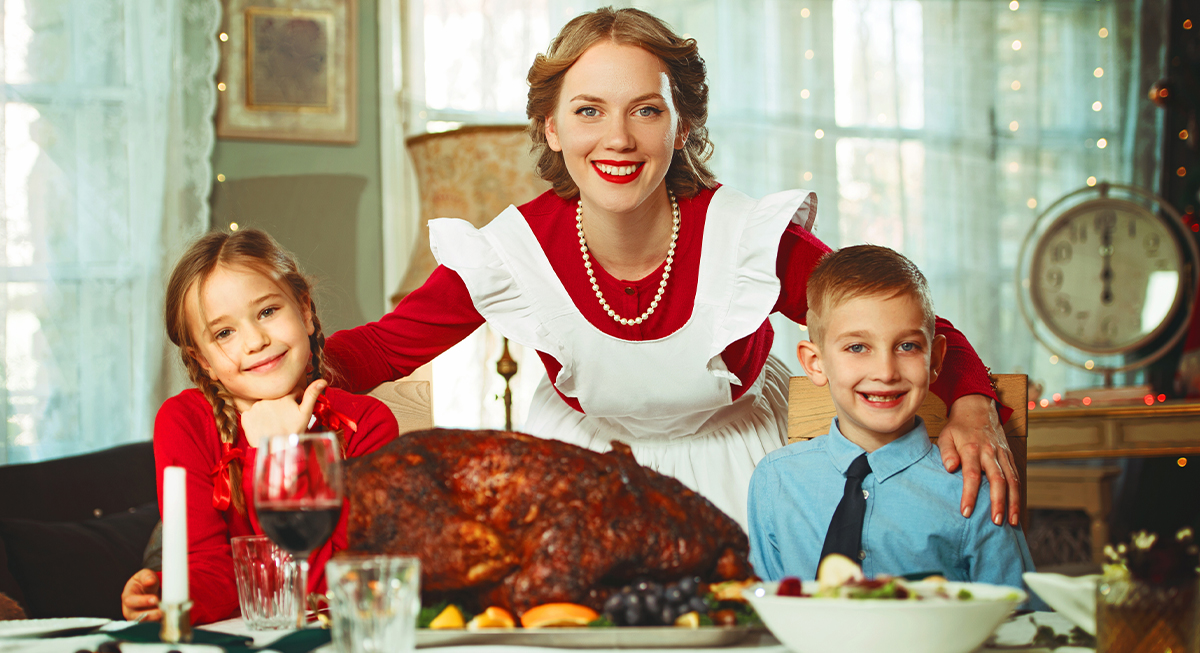
Image via iStockphoto/Tijana87
The earliest Thanksgiving gatherings in the 1600s were very different from today’s meal. Historical accounts describe a mix of wildfowl, venison, seafood, corn, and local produce, often shared over several days. Turkey may have been included, but it was not the central focus.
The version most people recognize today began to take shape much later. By the 19th century, a more structured menu had developed, influenced in part by writers and advocates like Abraham Lincoln, who established Thanksgiving as a national holiday in 1863.
Recipes became more widely available, and dishes such as roast turkey, stuffing, cranberry sauce, and pumpkin pie became closely associated with the occasion.
1940s: Cooking Within Limits
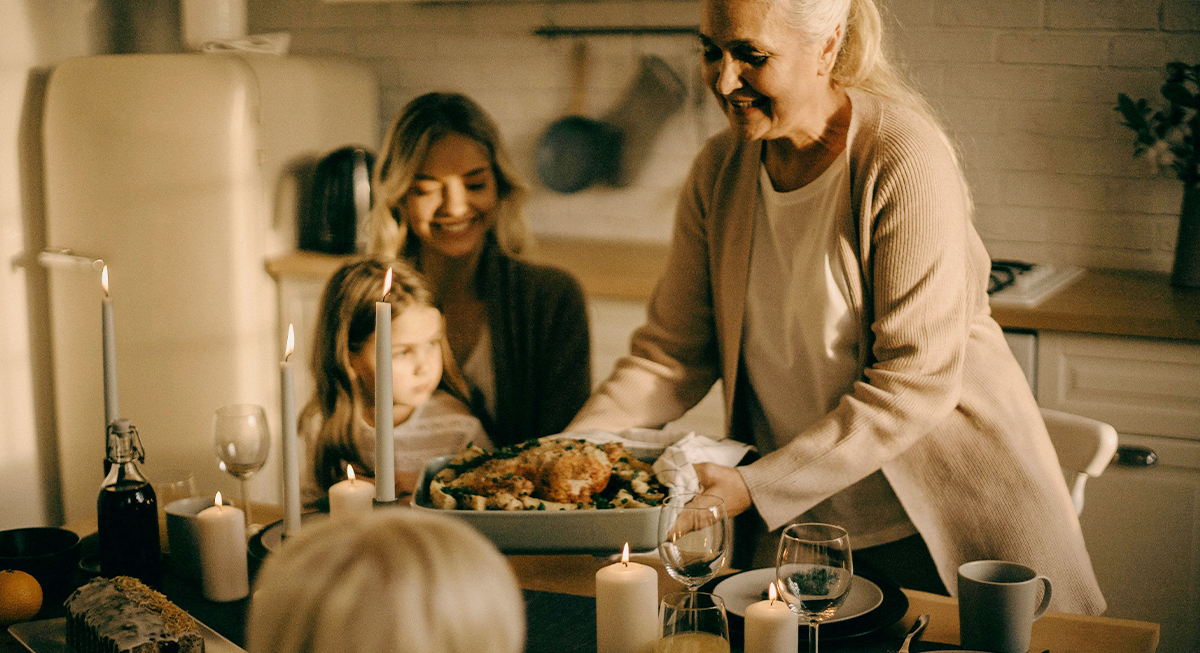
Image via Pexels/cottonbro studio
Wartime conditions shaped Thanksgiving in the 1940s. Food rationing affected how meals were prepared, so families relied on available ingredients and adjusted portions when necessary.
Turkey remained central, but side dishes were often simplified. Most meals were cooked from scratch, and gatherings focused on bringing families together during a period marked by uncertainty.
Decorations and presentation were modest, and the emphasis stayed on the meal itself and the people around the table.
1950s And 1960s: Larger Meals And New Ingredients
Postwar, there was economic growth. Households had greater access to food, which led to larger meals and a wider range of dishes. New recipes became part of the tradition, many of which are still common today.
Green bean casserole, introduced in 1955, became popular because it was easy to prepare using canned ingredients. Cranberry sauce was often served canned, alongside the growing use of processed foods. Marshmallows became more widely available, which contributed to the popularity of sweet potato dishes topped with them.
Television also became part of the day. Watching the Macy’s Thanksgiving Day Parade and football games became regular activities.
1970s: Expanding The Menu
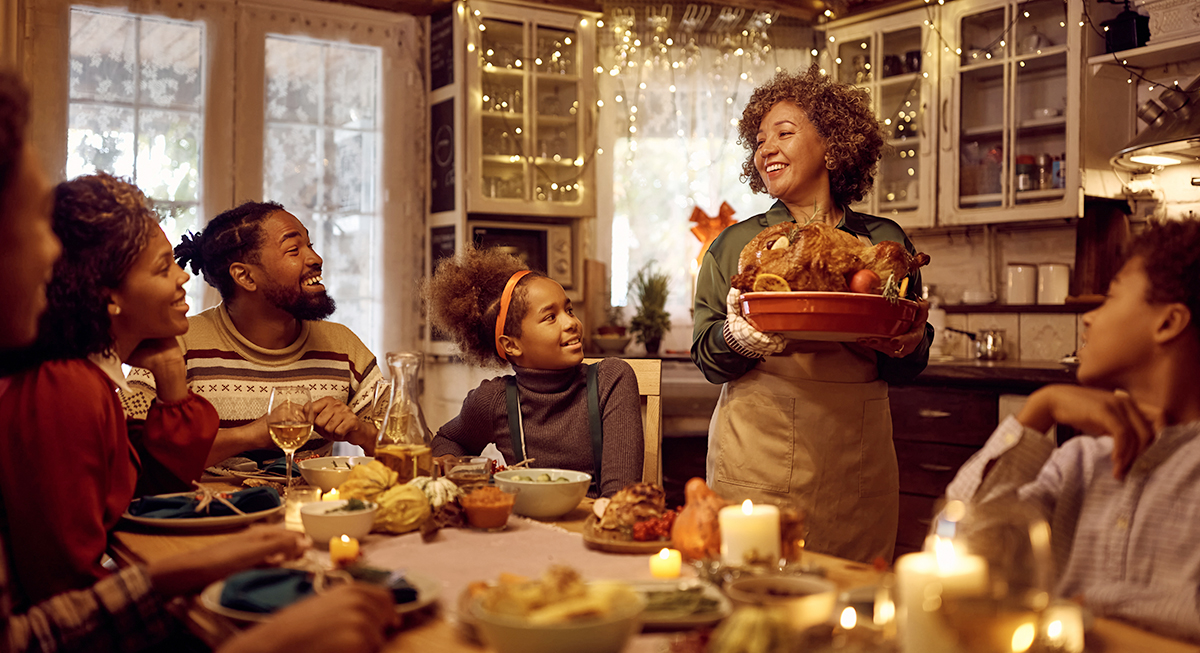
Image via iStockphoto/Drazen Zigic
During the 1970s, Thanksgiving meals began to include a wider range of dishes influenced by different cultural backgrounds.
Families added recipes that reflected their heritage, so meals could include lasagna, tamales, and regional specialties alongside traditional foods.
Gatherings also became a setting for discussion, as social and political topics were more openly addressed during family meals. While the structure of the holiday remained consistent, the variety of food and conversation expanded.
1980s: Convenience And Scale
In the 1980s, Thanksgiving meals became larger and more varied. At the same time, convenience played a bigger role in how food was prepared. The use of microwaves and packaged ingredients reduced cooking time and simplified preparation.
Products like boxed stuffing mixes were widely used, and frozen turkeys became standard in many households. These changes made it easier to prepare large meals without requiring as much time in the kitchen.
Entertainment also became more varied. In addition to parades and football, families often watched movies or recorded events.
1990s: Refinement And Access To New Ideas
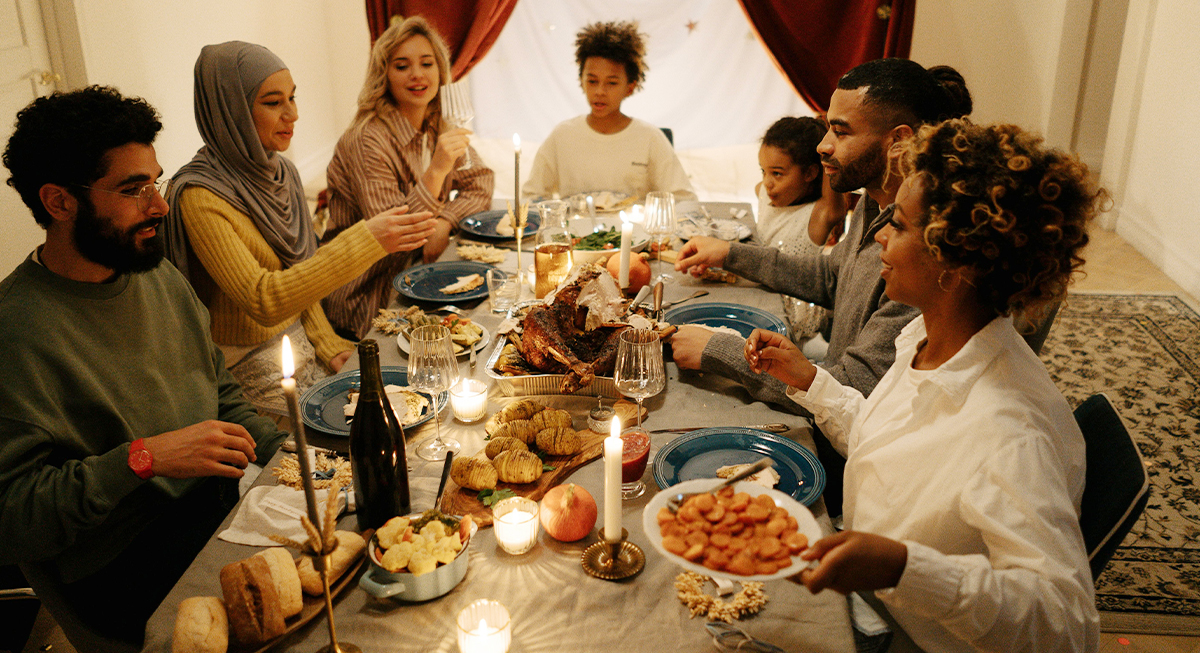
Image via pexels/cottonbro studio
The growing use of the internet made recipes more accessible and allowed people to try new approaches while keeping core dishes in place.
Thanksgiving meals combined traditional dishes with updated cooking styles, and many households continued to serve familiar recipes while adjusting presentation or ingredients. Television shows and cookbooks also influenced how meals were prepared and presented.
Today: A More Flexible Approach
Today, Thanksgiving meals vary more from one household to another. Many families include dishes that reflect personal preferences or cultural backgrounds.
Some choose alternatives to turkey, including ham or plant-based options. Others incorporate flavors from different cuisines, influenced by broader access to ingredients and online recipes. Gatherings have also expanded to include events like Friendsgiving, where meals are shared among friends instead of family.
Spending patterns show that many hosts invest both time and money into the meal, often aiming to balance homemade cooking with convenience where needed.