10 Retirement Hobbies That Boomers Are Quietly Turning Into Second Careers
Retirement no longer means stepping away from work entirely. Many baby boomers use this stage to focus on interests they could not pursue earlier. In many cases, those hobbies begin to generate income. Longer life expectancy and rising living costs have also increased the need for continued income. Retirees participate in part-time work, freelance roles, or self-employment, often supported by online platforms that make it easier to reach customers and manage small ventures.
Photography

Credit: Getty Images
Photography has become a practical second career for many retirees who spent years perfecting their eye behind the camera. Stock photo websites such as Shutterstock and Alamy allow photographers to sell images repeatedly. A single well-composed landscape or travel shot can generate small payments for years.
Gardening And Selling Produce
Credit: pexels
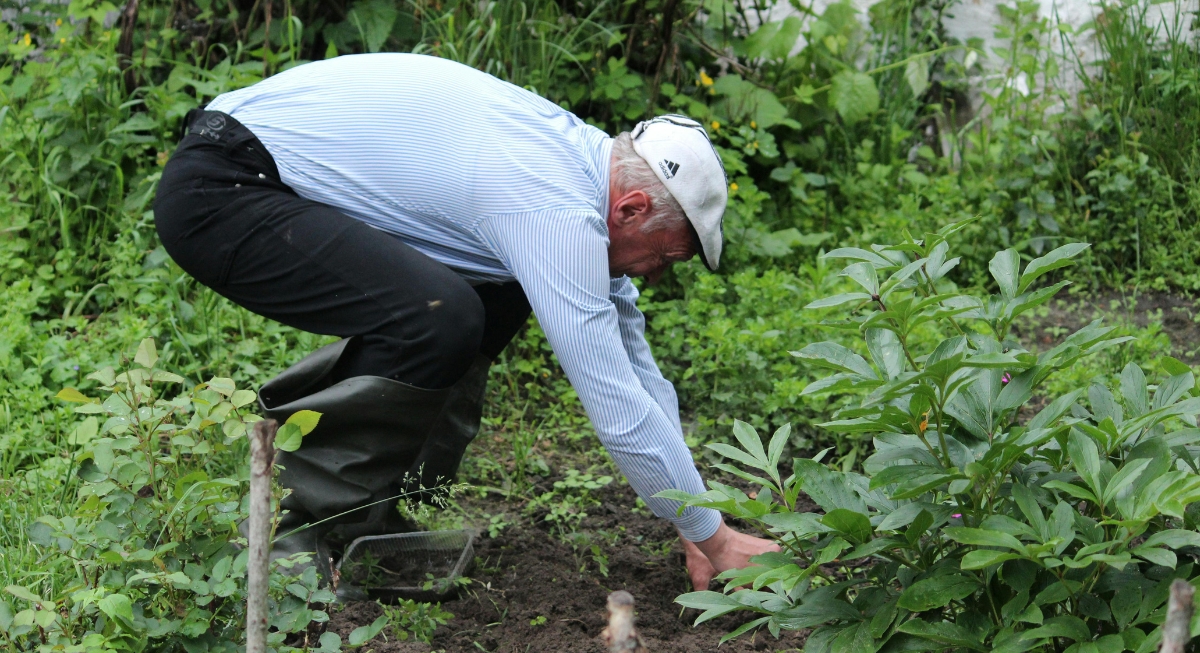
Backyard gardening has taken on new meaning for retirees with green thumbs. Farmers’ markets across the United States regularly feature small growers who sell flowers and seasonal vegetables grown at home. Restaurants often purchase specialty items, such as heirloom tomatoes or microgreens, directly from local growers.
Freelance Writing

Credit: Canva
Years of professional and life experience make many retirees strong candidates for freelance writing. Businesses, websites, and nonprofit organizations constantly need newsletter and blog content. Platforms, such as Upwork and Fiverr, connect writers with clients across industries. Writers who focus on areas they understand well often build steady assignments.
Selling Handmade Crafts
Credit: pexels
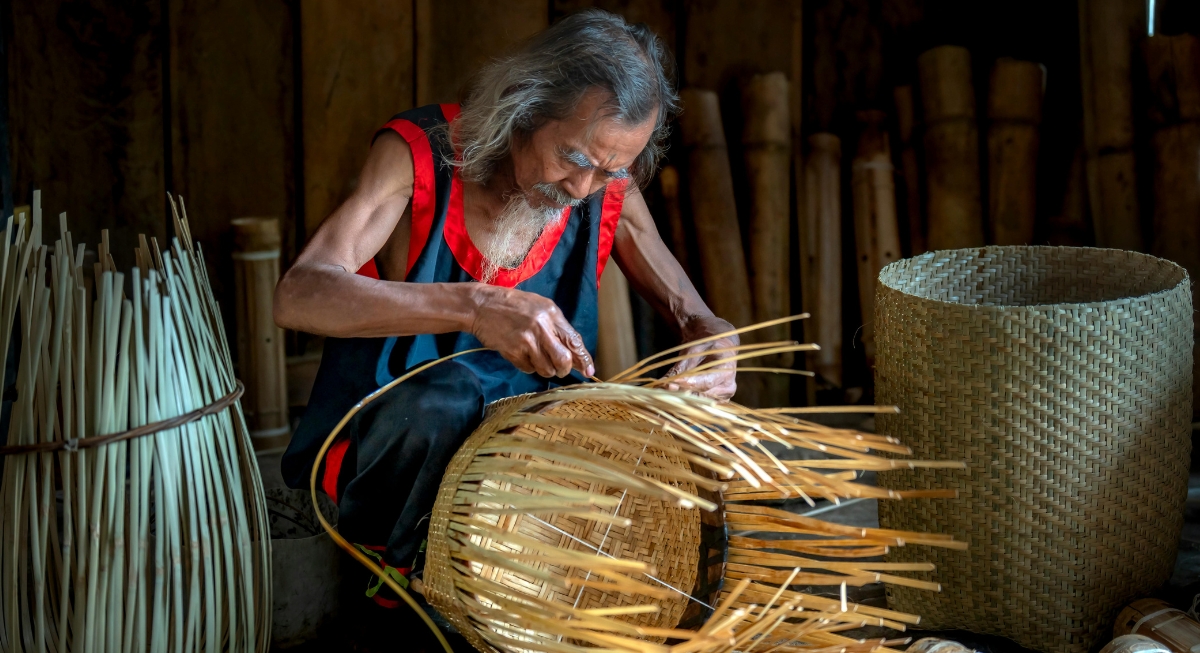
Crafting has become a small business for retirees who enjoy making things by hand. Jewelry, knitted items, candles, and wood crafts sell well on marketplaces like Etsy and at local craft fairs. A popular item can quickly turn a relaxing activity into a profitable venture, especially during holiday seasons when demand for handcrafted products rises.
Pet Sitting

Credit: Getty Images
Busy professionals often rely on trusted sitters during travel or long workdays. Apps like Rover connect sitters with nearby pet owners looking for help. Visits may include feeding, walking, or overnight stays. The American Pet Products Association estimates that U.S. pet spending exceeds $100 billion annually, so there are steady opportunities for reliable caregivers.
Cooking And Small Catering

Credit: Canva
Many families hire home cooks for small gatherings or weekly prepared meals. Retirees sometimes host cooking classes or write recipe collections to share favorite dishes. Food blogs and YouTube cooking channels have also become revenue sources through advertising and sponsorships.
Furniture Restoration
Credit: Canva
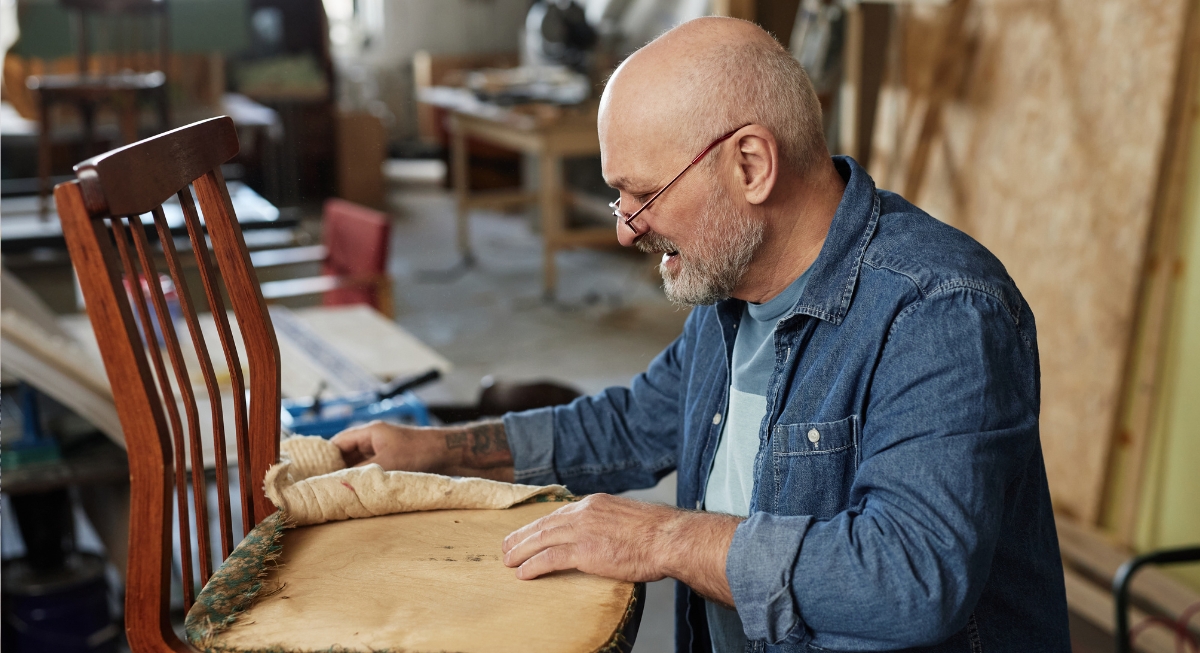
Old furniture often holds hidden value. Retirees with woodworking skills restore worn tables, chairs, and cabinets that might otherwise end up discarded. Flea markets and estate sales provide inexpensive pieces ready for repair. Once refinished, these items sell well through antique shops or online platforms.
Online Tutoring

Credit: Canva
Retirees who spent careers in education or technical fields often find satisfaction in online tutoring. Platforms such as Wyzant connect instructors with students needing help. Virtual tutoring sessions allow flexible schedules and remote work. Students benefit from experienced teachers who bring decades of knowledge to each lesson.
Antique Reselling

Credit: Canva
Flea markets and auctions attract retirees who enjoy searching for valuable vintage items. A small investment in collectibles, vintage clothing, or rare household items can lead to significant profits once the pieces are cleaned and researched. Online marketplaces such as eBay give sellers access to collectors worldwide who actively search for unusual finds.
Blogging And Video Content Creation

Credit: Getty Images
Many retirees enjoy sharing knowledge and life experiences through blogs or video channels. Topics often include travel tips, cooking lessons, gardening advice, or financial planning for retirement. A blog with consistent readers or a YouTube channel with steady viewers often grows into a modest business that keeps retirees creatively engaged.