10 Grocery Items That Are Better at the Farmers Market
Farmers’ markets are more lively than grocery aisles. People chat with growers, ask questions, and spot foods they’ve never seen before. The freshness stands out right away because the produce hasn’t traveled far. Visiting one can show you that these 10 items are far better at a farmers’ market compared to what you get at the grocery store.
Tomatoes
Credit: pexels
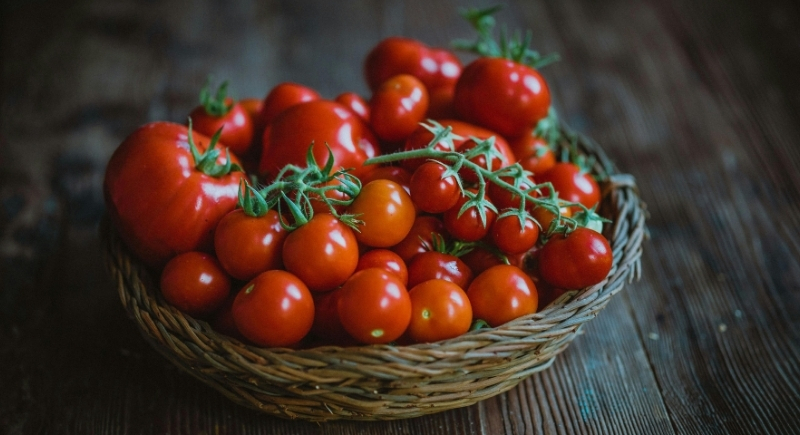
A tomato grown for flavor is different from one bred to survive transport. Market growers aren’t worried about long truck rides, so they let tomatoes soften on the vine. The extra time builds sweetness and juiciness. You’ll also spot heirlooms in wild shapes that create better sauces, salads, and sandwiches.
Berries
Credit: Getty Images
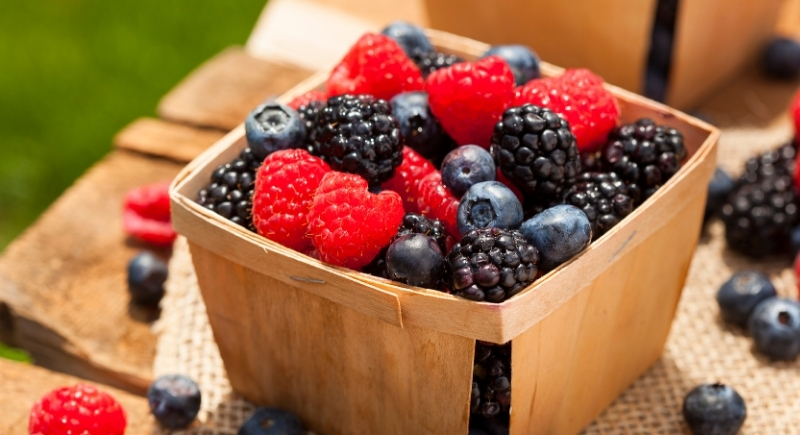
The best berries rarely travel well, which is why markets treat them like precious cargo. They arrive tender, fragrant, and ready to eat. Cold storage changes their character, so berries shipped long distances taste milder. Picking them up from a grower means you’re getting fruit collected at its peak.
Honey
Credit: Getty Images
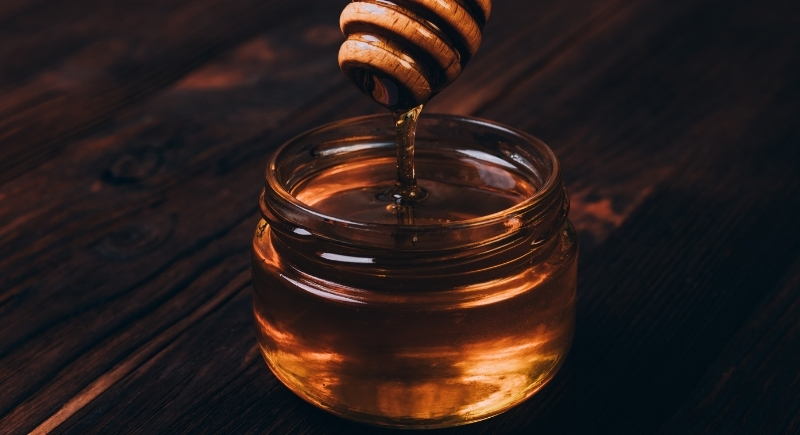
Local honey changes in taste throughout the year because bees follow the blooms that are nearby. A jar bought in spring might taste lighter than one gathered in midsummer. This natural variation disappears in blended store-bought honey. Market vendors often explain which flowers influenced each batch.
Eggs
Credit: Canva
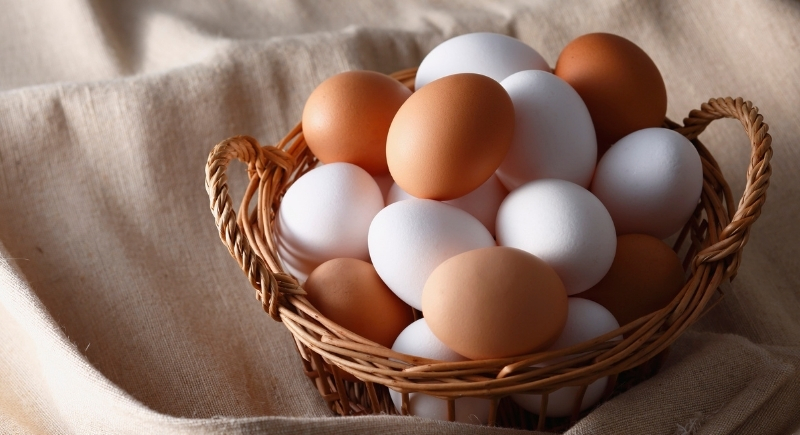
Ask a market seller about their hens, and you’ll hear about pasture, bugs, grass, and kitchen scraps. Those small differences in diet lead to richer yolks and fuller flavor. Many stands collect eggs the day before selling them, so freshness is easy to gauge. They cook beautifully in every style.
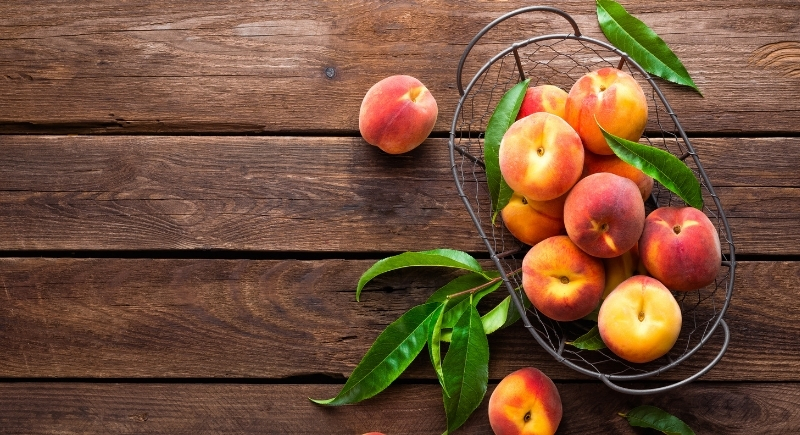
Peaches
Credit: Getty Images
A ripe peach doesn’t enjoy travel, which is why stores rarely stock the truly soft ones. Growers at markets can offer gentler fruit that hasn’t endured days of storage. The aroma hits immediately, and the juice follows. Several varieties usually appear, so you can choose versions for baking, slicing, or grilling.
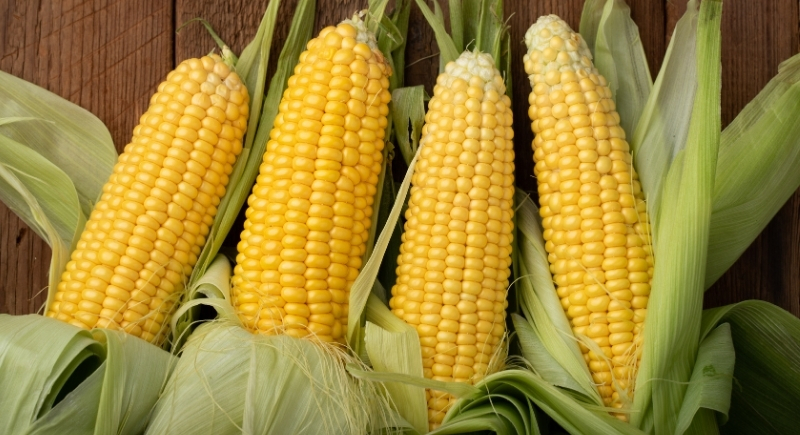
Corn
Credit: Canva
There’s a brief window when corn tastes exactly as people hope: sweet, crisp, and juicy. That moment fades as its natural sugars turn starchy. Many market stands offer specialty varieties you don’t see in stores. Vendors usually harvest early in the morning, so you’re buying cobs still carrying that sweetness.
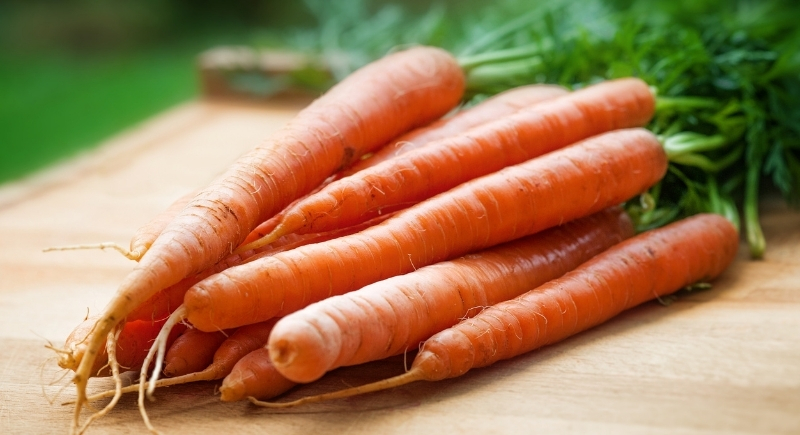
Carrots
Credit: Getty Images
You’ll be surprised to see how many kinds of carrots exist: purple, yellow, round, or slender. Grocery shelves rarely show this range. Freshly pulled carrots also hold more moisture and tenderness. They work well in salads, roasting pans, or quick snacks.
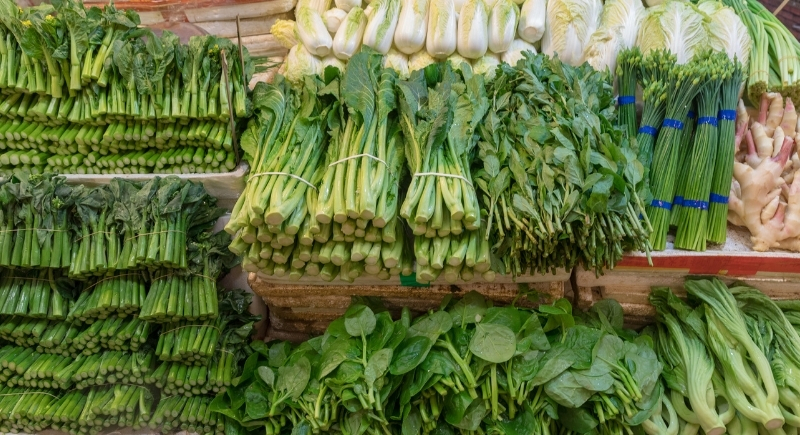
Leafy Greens
Credit: Getty Images
Greens respond dramatically to travel time. Long hauls leave them limp, even with refrigeration. Market greens skip most of that journey, so their snap stays intact. You’ll often find varieties that never appear in stores, grown in smaller batches. They make simple salads taste brighter without requiring extra effort.
Mushrooms
Credit: Getty Images
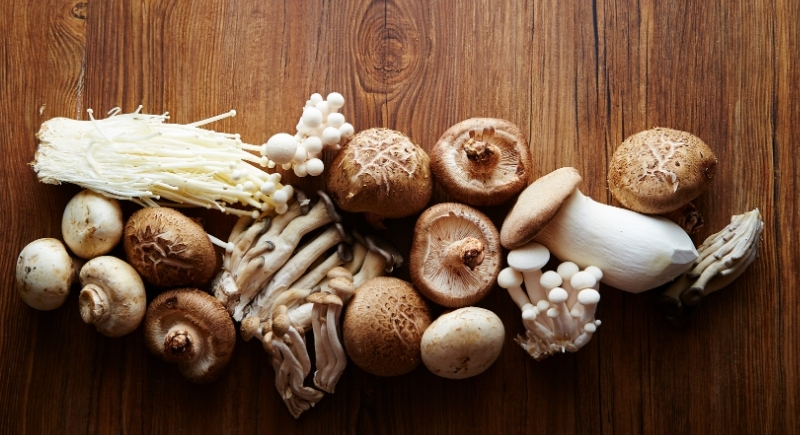
Many market stands feature mushrooms grown by small operations that specialize in delicate varieties. Lion’s mane, blue oysters, and other clusters need gentle handling, which keeps them out of most supermarkets. These types add deeper flavor to simple sautés, pasta dishes, or soups, and their texture cooks beautifully because they’re freshly harvested.
Bread
Credit: Getty Images
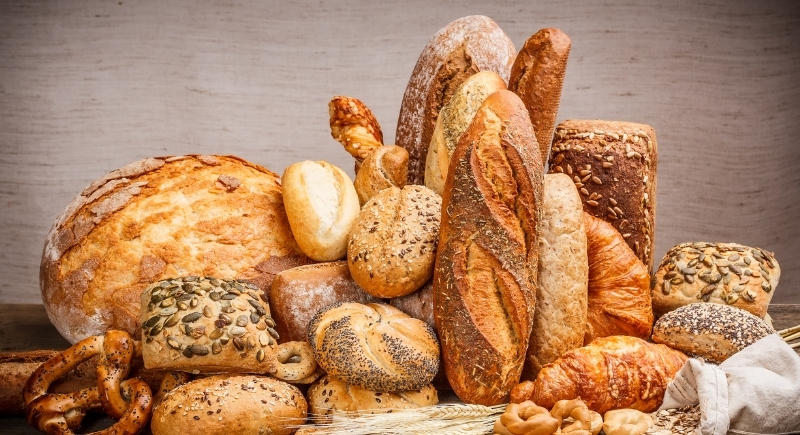
Some bakers at markets rely on long fermentation and simple ingredients, which give their loaves a distinct character. The crumb is lighter, and the crust develops better color. These breads don’t have a long shelf life, so they taste best soon after buying.