10 Things About Your Body After 50 That Nobody Warned You About
Turning 50 often brings a shift in how the body feels day to day. Energy, sleep, and even familiar routines can start behaving differently. These changes often appear gradually, which makes them easy to overlook at first. With the right context, they become easier to understand and manage. Here’s a closer look at what actually changes and why it might feel more surprising than expected.
Your Metabolism Doesn’t Keep Up Like It Used To

Credit: pexels
The same breakfast that worked for decades can suddenly lead to creeping weight gain. Research shows that metabolism gradually declines, with muscle loss playing a major role. By age 50, calorie burn at rest can drop by more than 10 percent. Many people don’t change their eating habits, which is why the scale moves.
Muscle Loss Sneaks In Earlier Than Expected

Credit: Getty Images
Strength fades gradually, often showing up as fatigue during activities that felt easy. This process, known as sarcopenia, can begin as early as the 40s and speed up later. Muscle plays a role in balance and recovery, so the impact extends beyond appearance. Resistance exercises and adequate protein intake help maintain function.
Sleep Becomes Less Predictable

Credit: Getty Images
Many people notice they still fall asleep quickly, but wake up at odd hours without explanation. Sleep experts point to changes in circadian rhythm and body temperature regulation. The brain becomes more sensitive to light and noise. The total hours might look similar on paper, though the quality feels noticeably different.
Joint Discomfort Starts to Make Itself Known

Credit: Canva
Getting up after sitting too long can come with a brief reminder in the knees or hips. Cartilage doesn’t repair itself as efficiently with age, and hydration levels in joint tissue decrease. That combination leads to stiffness. Regular movement helps keep joints functional, which is why long periods of inactivity tend to make discomfort more noticeable.
Your Balance Isn’t As Reliable As Before

Credit: pexels
A missed step or slight wobble can feel surprising, especially for someone who has always been steady. Balance relies on coordination between muscles, vision, and the inner ear. Small changes in all three areas start to add up. Physical therapists often recommend simple drills, such as standing on one foot.
Your Immune System Slows Its Response

Credit: pexels
Colds seem to linger longer than they used to, and recovery can feel drawn out. The body produces fewer infection-fighting cells over time, which slows its response. This is one reason doctors emphasize vaccines more strongly after 50. Public health data shows higher risks for illnesses like pneumonia in this age group.
Vision Changes Become Hard to Ignore
Credit: Getty Images
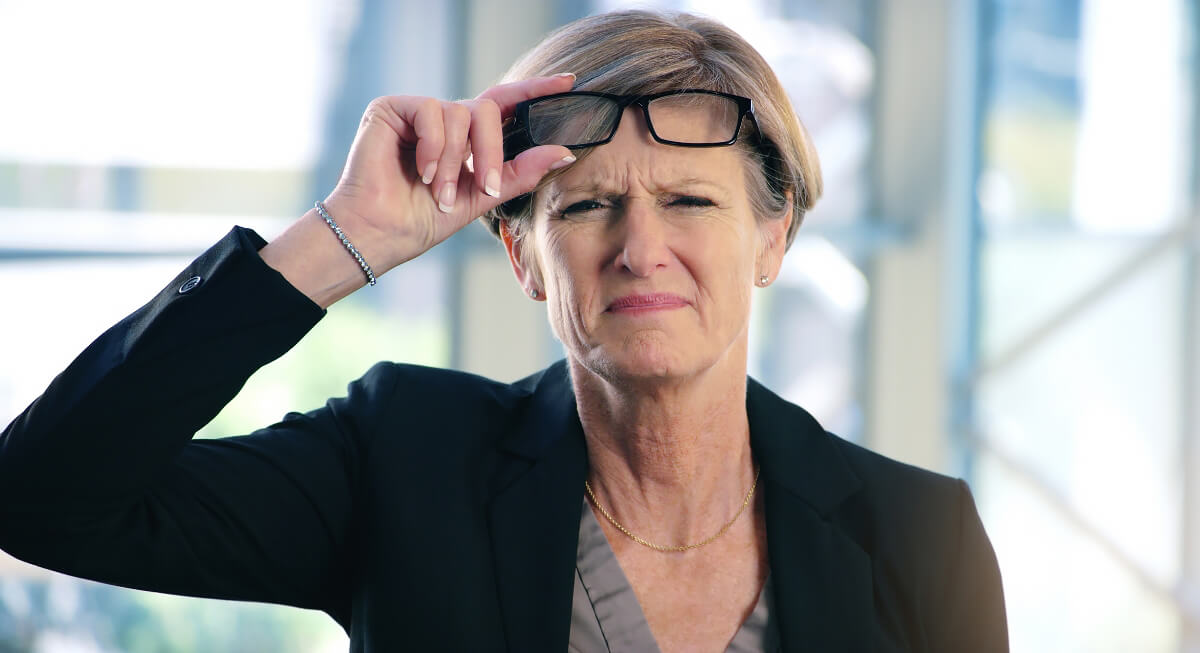
Reading a phone at arm’s length becomes second nature for many people in their 50s. The eye’s lens gradually stiffens, which makes it harder to focus on close objects. This condition, called presbyopia, affects nearly everyone at some point. Drugstore reading glasses often become the first solution.
Your Skin Tells A Longer Story
Credit: Getty Images
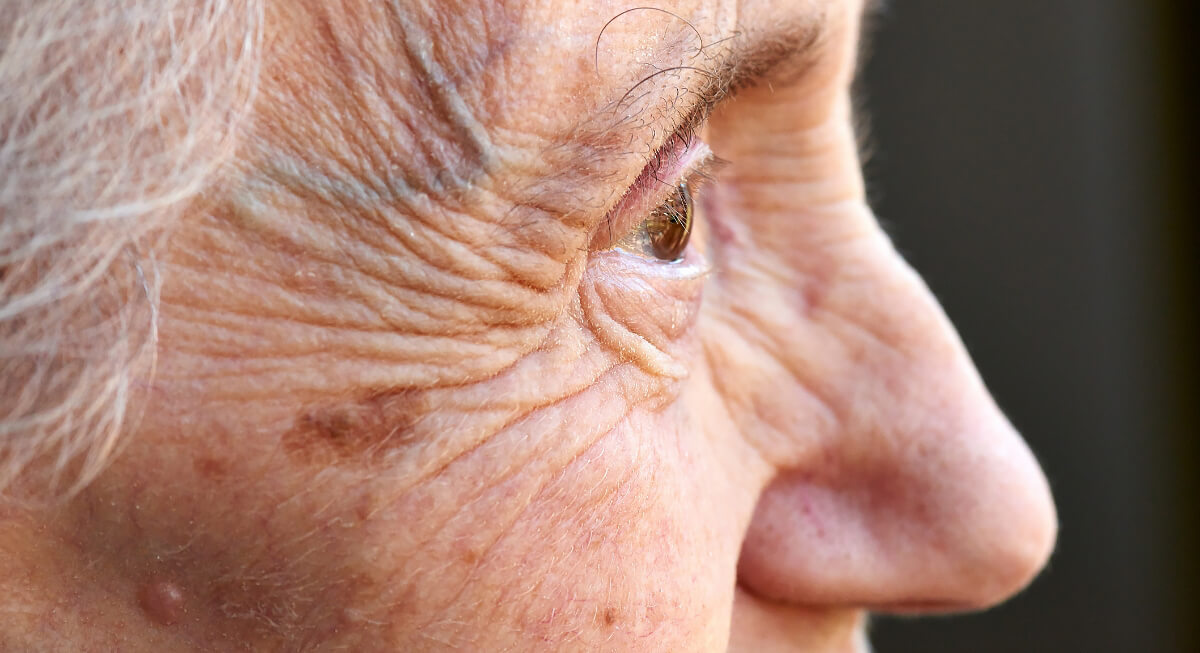
Years of sun exposure begin to show. Age spots and dryness become more noticeable as collagen production slows. Dermatologists often note that up to 80 percent of visible skin aging results from UV exposure earlier in life. Skin also becomes thinner, so minor bumps bruise more easily.
Heart Health Requires More Attention

Credit: Canva
Routine checkups during your 50s tend to include more conversations about blood pressure and cholesterol. Arteries naturally stiffen over time, which makes circulation less efficient. The American Heart Association notes that heart disease risk increases steadily after midlife. Many people feel fine, which is why these changes often go unnoticed.
Hormonal Shifts Influence More Than Expected

Credit: Getty Images
Changes in hormones tend to appear, too. Women may notice shifts tied to menopause, including changes in fat distribution and mood. Men experience a slower decline in testosterone, which can affect energy and strength. These changes don’t happen overnight. Over time, they shape how the body responds to everyday routines.