
A dim red night-light, a 3-day wake log, and one boring rule can shift early mornings without turning bedtime into a showdown.
The wake log that stops you from chasing ghosts
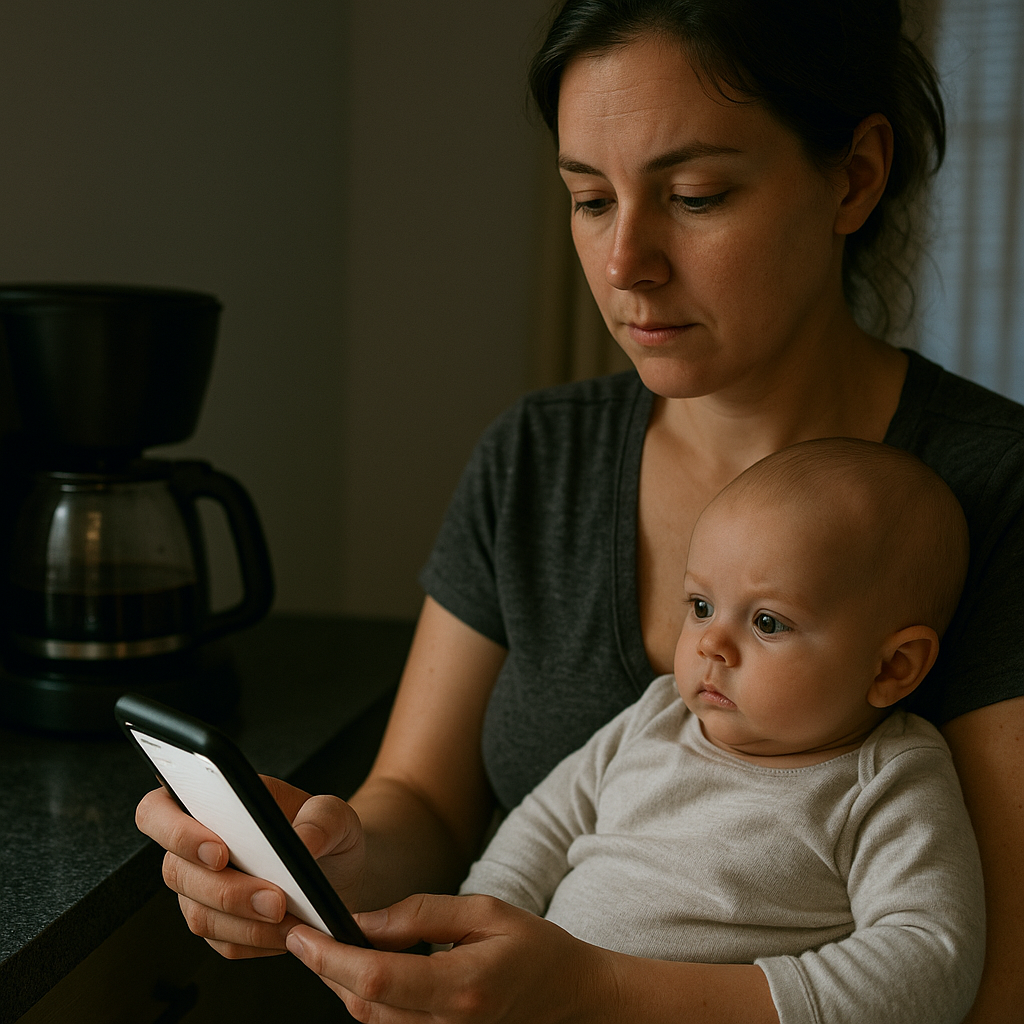
If you're trying to hand a little more control to your baby (and keep your own sanity), start with one thing that feels almost too plain: write down what happened for three days before you change anything. Not a vibes-based recap. A tiny log you can do one-handed at 5:12 AM while the coffee drips.
I use a Notes app template with the same lines each day: wake time, first nap start and end, second nap start and end, bedtime routine start, lights-out, and the first stretch of sleep (did we get 45 minutes, 3 hours, or a jackpot 6?). Then I add one line that matters more than people admit: what woke them. Not the big theory, just the obvious trigger. Dump truck at 6:10. Dog nails on the hallway tile. Bright phone screen during a feed. Heater clicking on.
The point isn't to become your baby's accountant. It's to stop doing that panicky thing where you move bedtime earlier one night, later the next, and you never know which change did what. After three days, patterns jump out. If the first nap keeps creeping earlier because wake-up is earlier, that's not independence, it's a treadmill. If the last nap ended at 3:45 one day and 5:05 the next, your bedtime fight suddenly makes sense.
Once you can see the pattern, you can offer autonomy in a way that a baby can handle: you set the guardrails, they do the falling asleep. A concrete example: if wake time has been between 5:00 and 5:30, pick one target wake time you can live with and treat everything else as practice toward it. You'll make calmer choices because you're reacting to data, not the last rough night.
And yes, write down feeding times too if they're still doing night calories. Just don't pretend a sniff test of the log proves anything. It's a clue board, not a verdict.
Use light like a boundary, not a toy
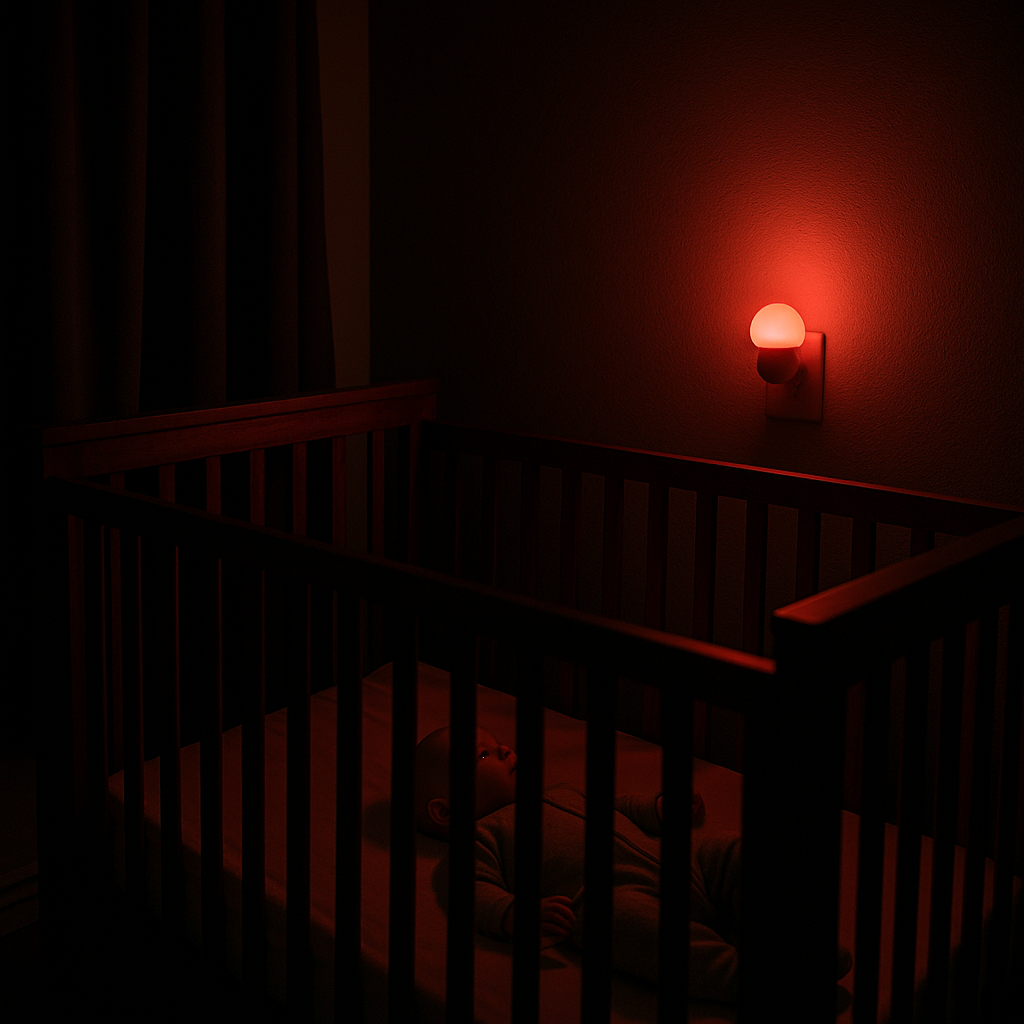
There's a version of baby-led sleep that gets misunderstood as, "Well, I guess they're up." What I've had better luck with is baby-led within a predictable signal: the room tells them what kind of time it is, and you don't have to negotiate with your voice.
Here's the setup that moved the needle for us: one dim red night-light (the kind that's not bright enough to turn the walls into a planetarium), blackout curtains that actually close, and a single rule about mornings. If it's still "night light" time, I'm present but boring. If it's "day light" time, we start the day with energy. I don't do a full light show. I don't scroll my phone and accidentally flash a white screen across the crib like a tiny sunrise.
Practically, that means: if they wake at 4:45 or 5:10, I keep the red light on, do the minimum check (diaper, quick feed if that's still part of your plan, a pat), and put them back down with the same phrase each time. The phrase matters less than the sameness. It's not soothing theater. It's a boundary you can repeat half-asleep.
Then, at your chosen wake time, you change one thing: the light. Open the curtains or click on a lamp across the room. If you use a sound machine, you can also lower it a notch so the room sounds different without turning it off completely. Babies notice. They might not be thrilled, but they notice.
This is where autonomy sneaks in. You're not rocking them into sleep or doing a big rescue routine. You're giving them a consistent environment where they can practice settling. Some mornings they'll babble for ten minutes, roll around, and then doze. The first time you see that happen, it feels like finding money in an old coat.
One caution from experience: don't pick a night-light that can be turned on by a button your baby can reach from the crib later on. The day your mobile kid discovers button equals party, your whole boundary becomes a game.
The 15-minute anchor: keep wake-up steady, move everything else
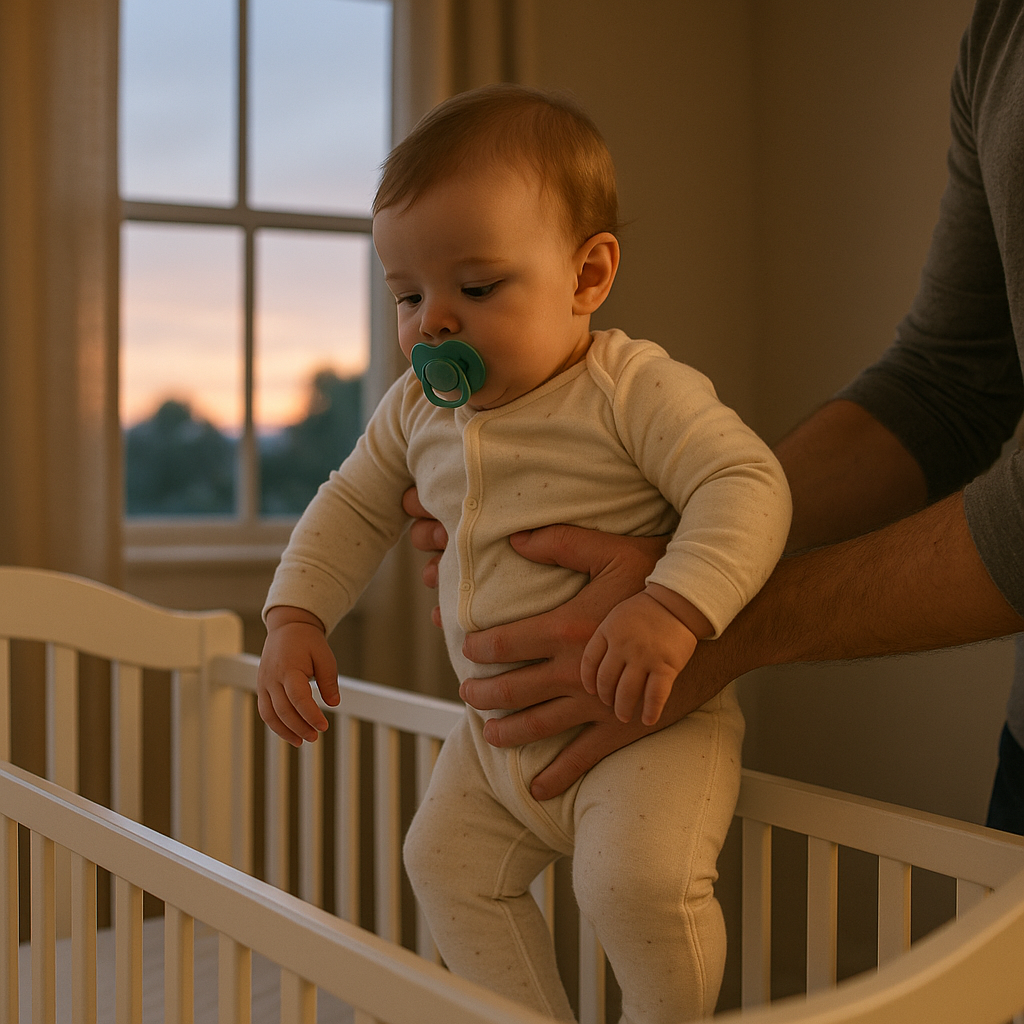
If you want a schedule that leaves room for baby autonomy, you need one anchor point that doesn't drift with every rough night. For us, that anchor was the out-of-crib morning start time, and we moved it in 15-minute steps, not in dramatic leaps.
The move looks like this: pick a wake time you can commit to for a week. Let's say it's 6:15. If they wake earlier, you do your boring nighttime response (dim light, low stimulation, back down). At 6:15, you start the day. Even if they've been awake off and on. Even if you feel like you're rewarding early waking. You're not rewarding it, you're teaching the clock.
Now the part that sounds backward: you don't yank bedtime around first. You adjust naps and the last wake window so bedtime naturally lands where it should. I find it easier to shift daytime sleep because you're not fighting the whole nervous system at once. If nap one is happening at 8:10 because they've been up since 5:00, you might have to keep them entertained quietly (stroller walk, looking out a window, a few board books) to stretch to a more reasonable first nap based on your baby's age and signs. Not by 90 minutes on day one. By 15 minutes for two to three days, then another 15.
What you watch for is mood, not perfection. When we pushed too hard, it showed up as that wired, sloppy-laughing fussiness right before the nap. When we moved it slowly, the baby did this oddly confident thing: they went down faster because they weren't overtired, and then they started waking with a calmer vibe. That's the autonomy payoff. You're setting conditions where they can succeed without you performing sleep at them.
Two small details that helped: keep the first feed of the day tied to your official wake time when you can, and keep the pre-bed routine in the same order (bath or wipe-down, pajamas, bottle or nurse, book, lights). The order becomes a cue they can lean on. And if you use a pacifier, stash a couple in the crib once it's developmentally safe and your pediatrician is good with it. Watching a baby find a pacifier and re-settle without you is about as close as you get to seeing independence form in real time.