Products from the 80s and 90s That Were Wildly Ahead of Their Time
Retro tech was ahead of its time. The late 20th century introduced gadgets that baffled consumers with high price tags and clunky designs. Many of these inventions flopped because the world wasn’t ready for them. However, those early experiments actually pioneered the concepts that now define our modern lives. Looking back at these relics proves that the ideas were brilliant; the world just needed a few decades to catch up.
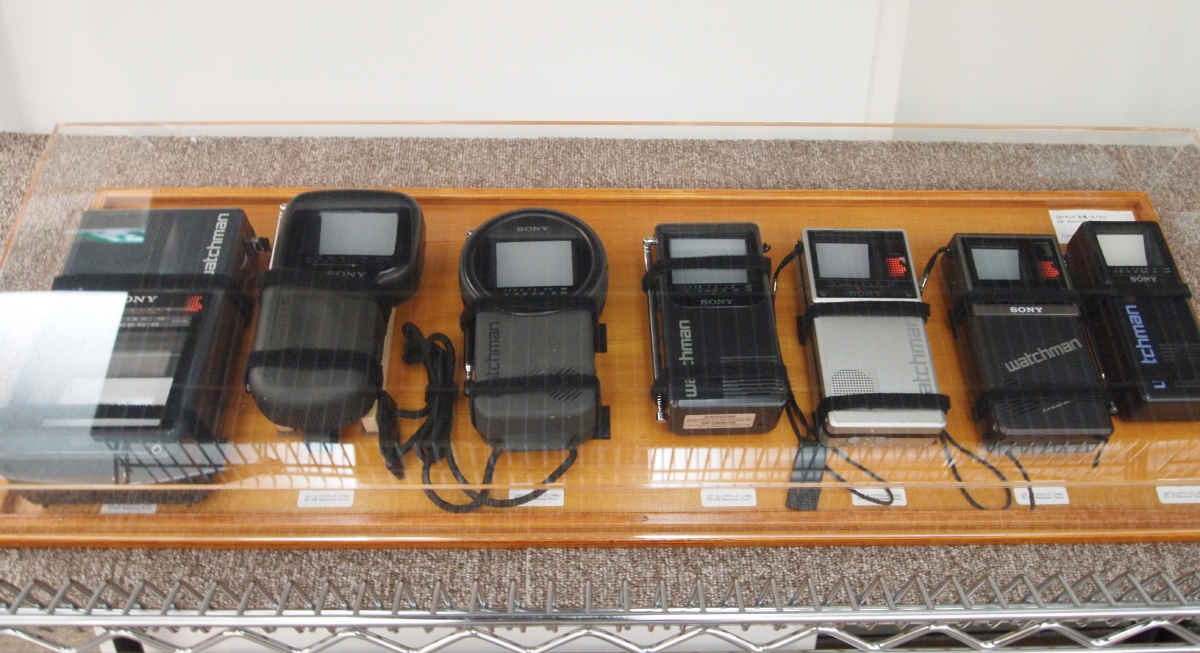
Sony Watchman
Credit: Wikimedia Commons
In the early 1980s, TV meant sitting in one place and waiting for a scheduled broadcast. Sony disrupted that with a compact device that let people carry live television around. The Watchman relied on a small LCD screen and an antenna that didn’t always cooperate indoors. Though signal reception required patience, the novelty remained undeniable. This tiny gadget helped pioneer portable viewing.
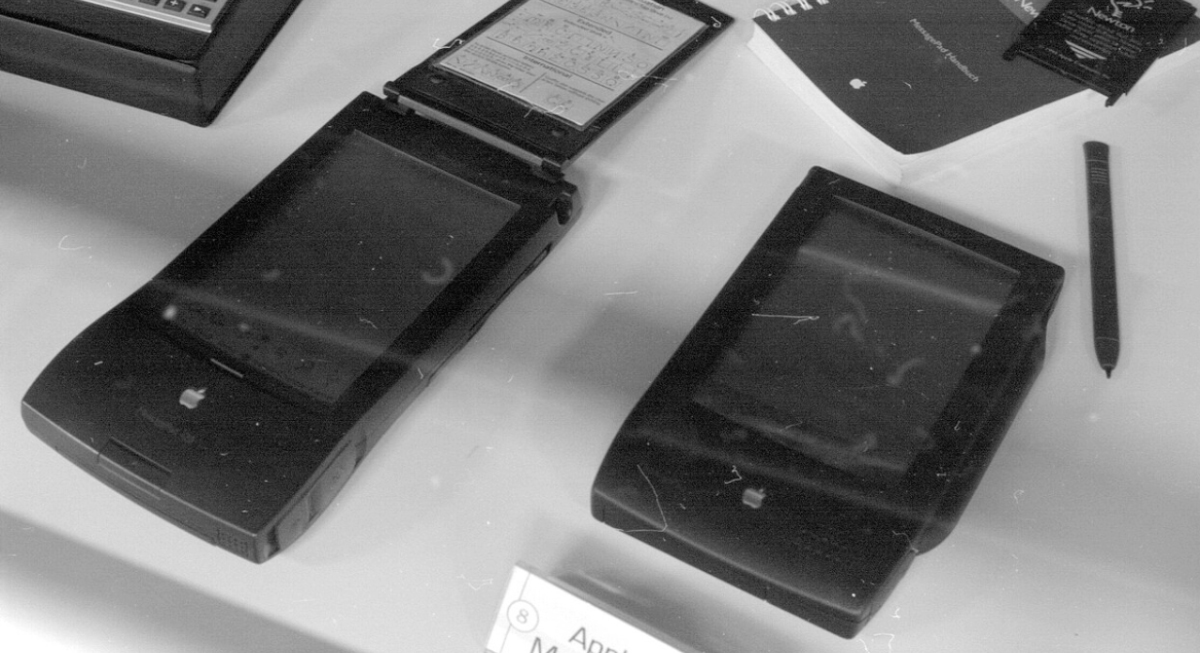
Apple Newton
Credit: Wikimedia Commons
The Newton crashed into the tech world with more hype than utility. Handwriting recognition glitches turned early demos into fodder for late-night comedy, overshadowing the device’s actual capabilities. Despite the rocky start, the hardware managed notes and scheduling with surprising foresight. Consumers simply weren’t ready for the leap. While the rollout stumbled, the Newton’s DNA survived, and that same ambitious spirit can be found in every smartphone.
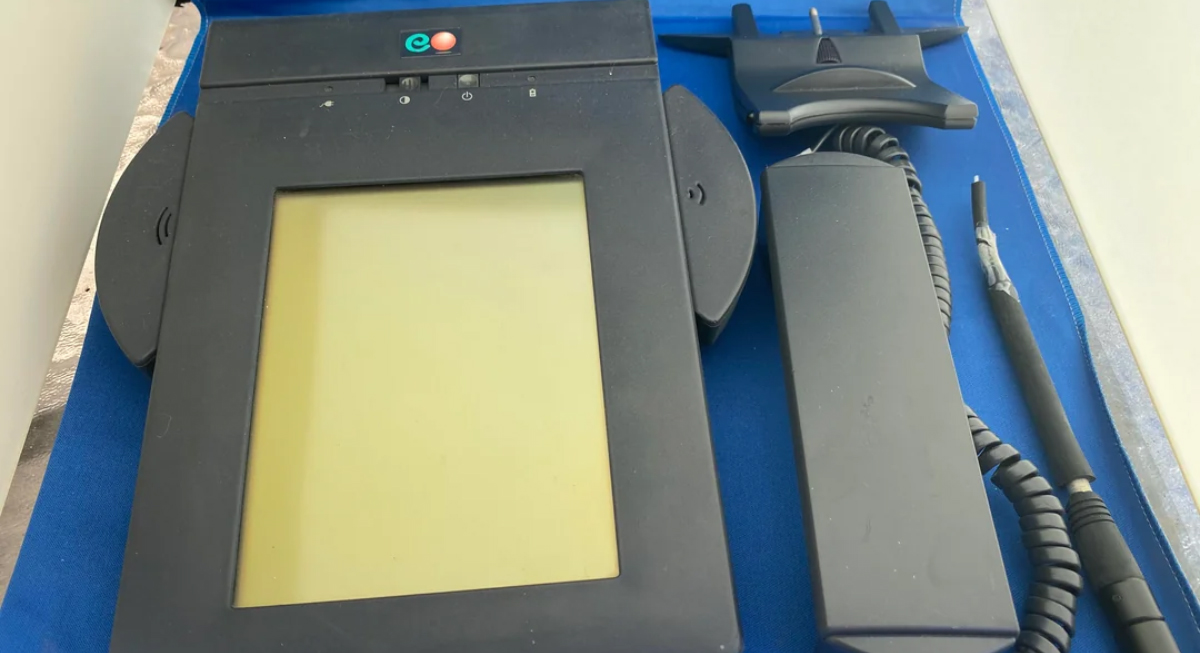
AT&T EO Personal Communicator
Credit: Reddit
This wasn’t a sleek gadget. It was serious hardware trying to do several jobs at once. Email, phone calls, faxing, and scheduling all lived inside it. The price made it a tough sell, and the purpose felt unclear to most buyers. Still, the idea of carrying a single device for everything didn’t go away.
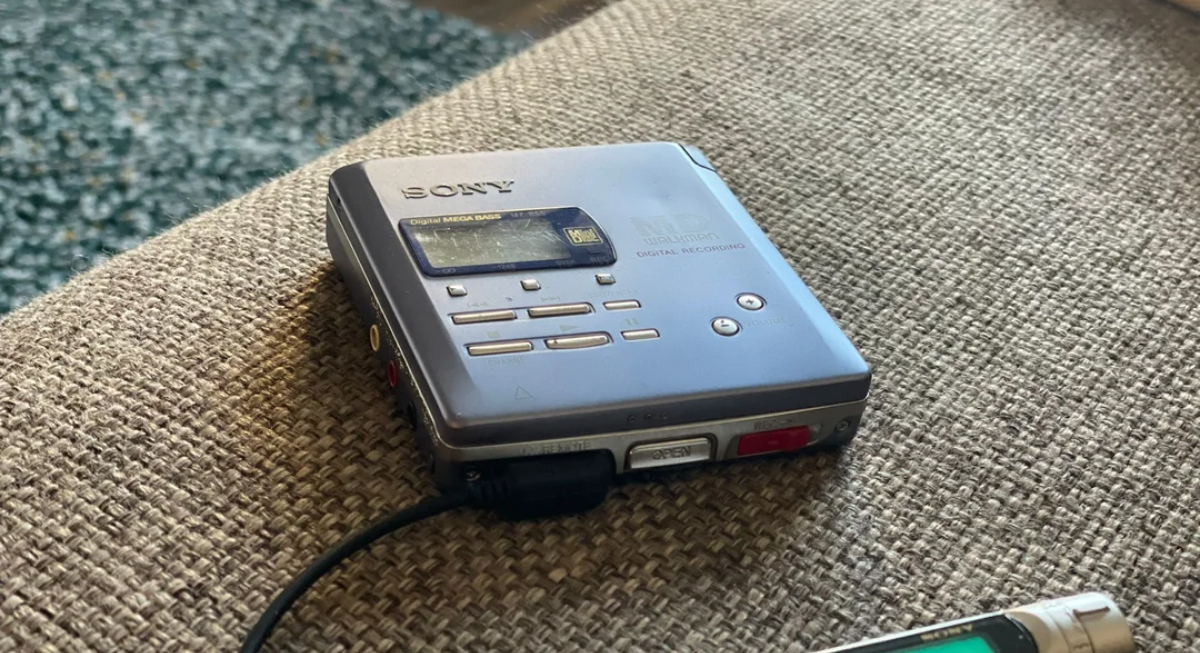
MiniDisc Player
Credit: Reddit
Music formats tend to rise and fall quickly, but MiniDisc carved out its own lane. These tiny discs lived inside rugged protective shells, virtually ending the era of scratched surfaces and skipping tracks. While CDs felt fragile, MiniDisc offered effortless recording and on-the-go editing. It dominated the Japanese market even as international listeners hesitated. The format arrived during a crowded tech transition, but it remains a masterclass in solving the biggest frustrations of physical media.
Sony Mavica Digital Camera
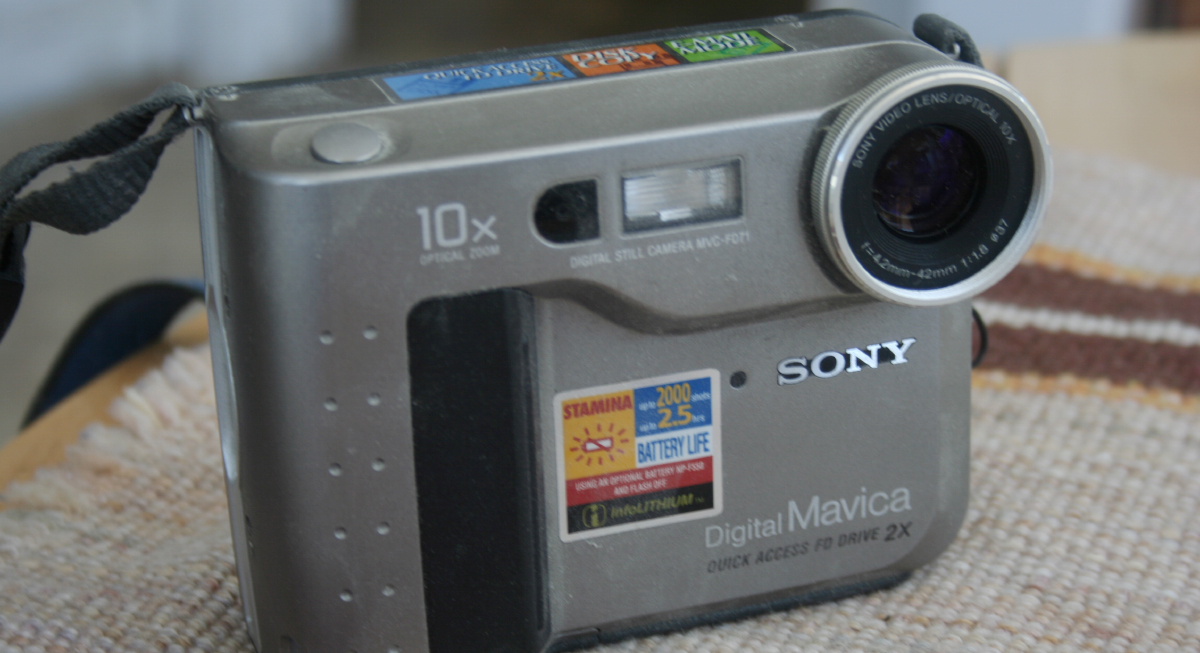
Credit: Wikimedia Commons
Digital photography took a bizarre turn in the late 1990s with the Sony Mavica. This camera swapped traditional film for the satisfying click of a floppy disk. You could snap a photo and immediately slide the storage into a computer to view the results. While the resolution was low and disks filled up in minutes, the instant access changed everything.
Polaroid I-Zone Camera
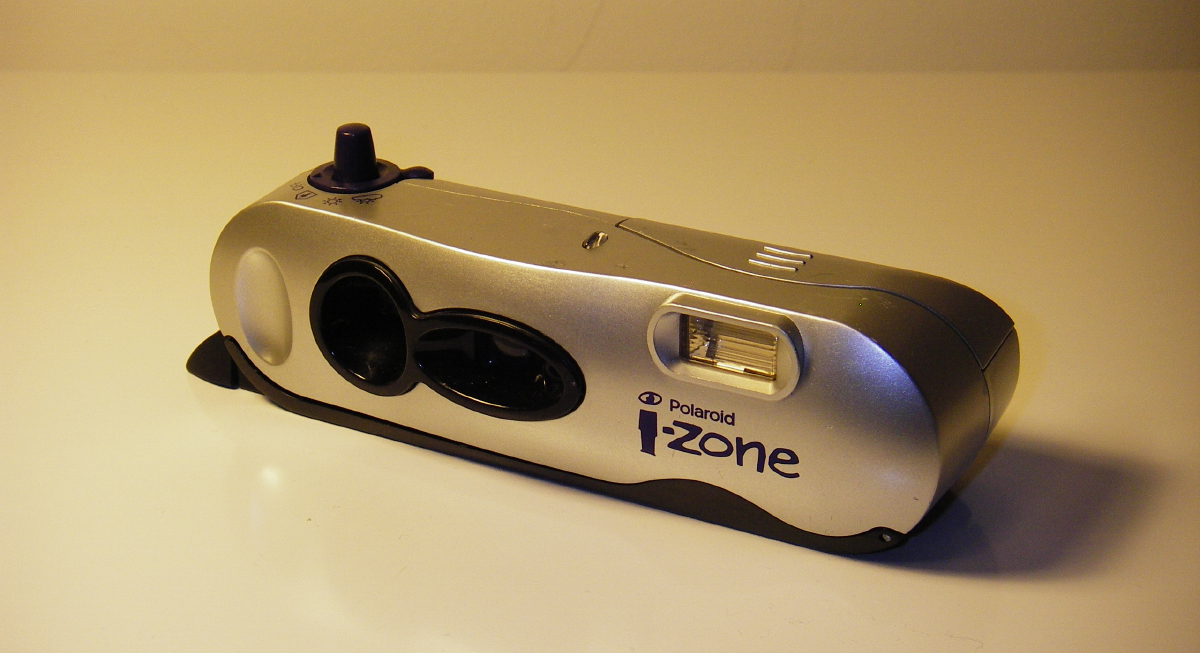
Credit: Wikimedia Commons
The I-Zone camera traded professional polish for pocket-sized fun. It produced tiny sticker photos that turned every snapshot into a social currency for trading with friends or customizing notebooks. These prints prioritized instant connection over technical perfection.
IBM Simon Personal Communicator
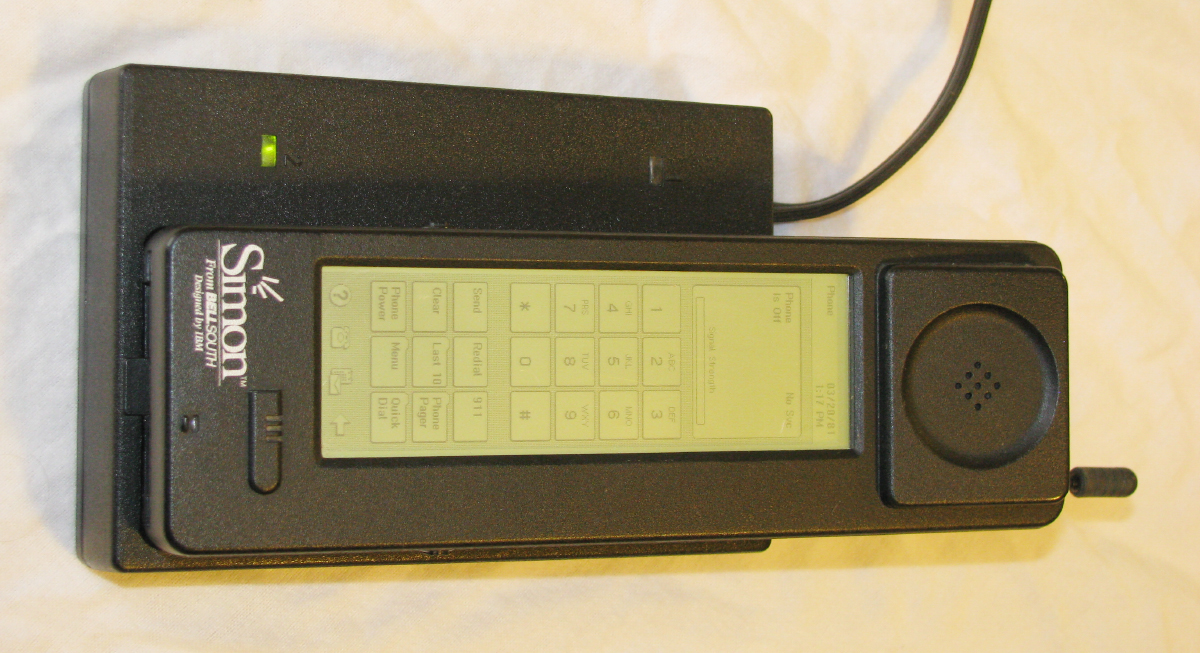
Credit: Wikimedia Commons
Touchscreens didn’t start with modern phones. IBM Simon already had one in 1994, along with a stylus for navigation. It could send emails, store contacts, and manage a calendar in one place. Battery life wasn’t long, and the price kept it out of reach for most people. But it was those limitations that held it back, not the concept itself.
Disposable Camera

Credit: Wikimedia Commons
Disposable cameras came ready to use, no setup required. The simplicity made them popular for trips, parties, and everyday moments. People didn’t have to think too much about settings or cost per shot. It didn’t replace traditional photography, but it made casual picture-taking feel normal and accessible.
Palm Pilot
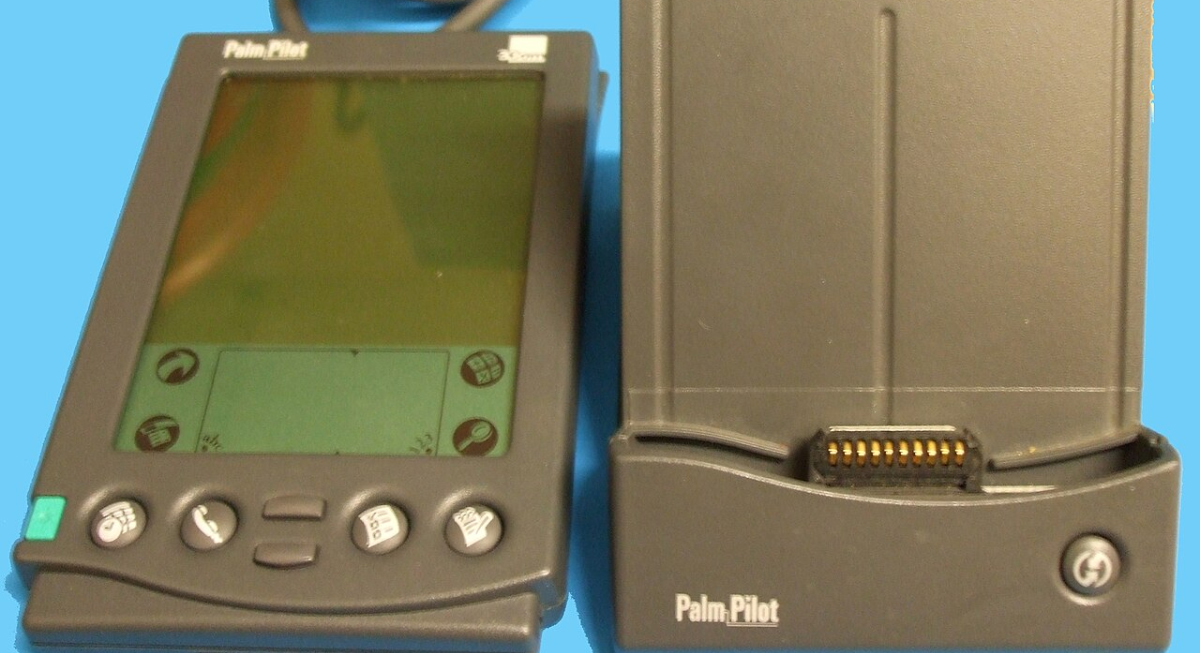
Credit: Wikimedia Commons
Other devices tried to organize digital life before the Palm Pilot showed up. Everything changed with the device’s razor-sharp execution. Its interface responded instantly and kept features focused on what mattered most. Professionals finally had a single place for contacts, notes, and schedules, free of digital clutter. This practical approach turned the Pilot into a massive hit for people who prioritized reliability over flashy, unnecessary gadgets.
Nintendo Virtual Boy
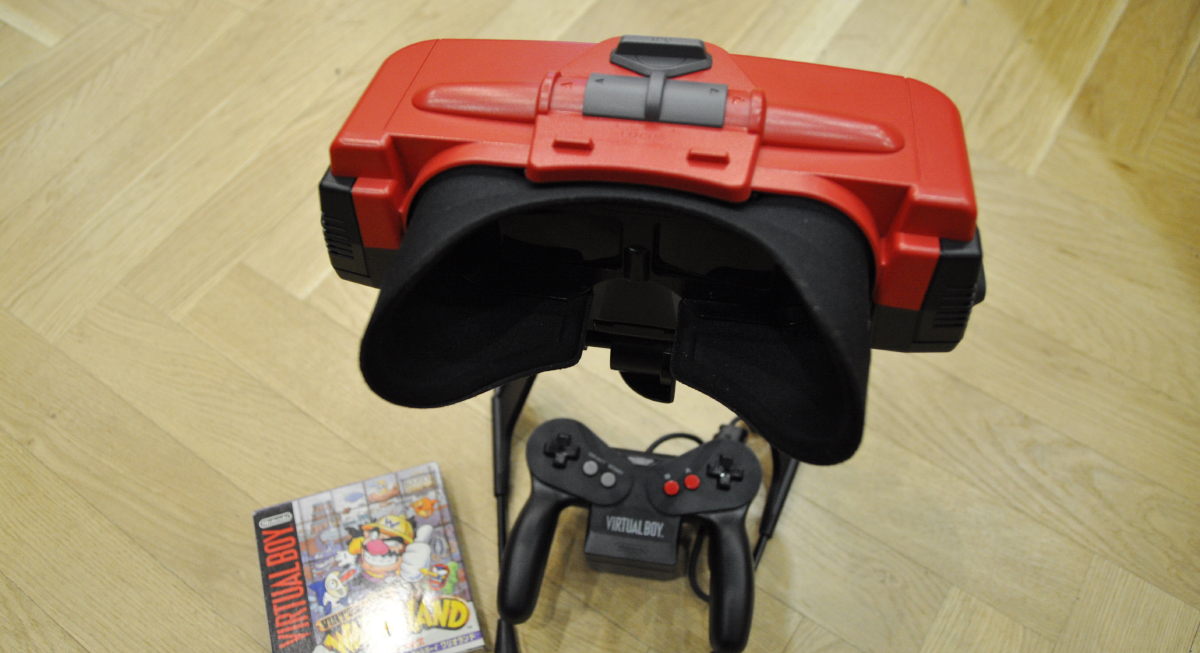
Credit: Wikimedia Commons
The Virtual Boy asked players to lean into a headset and step into a different kind of visual experience. It created depth through stereoscopic 3D. The red display caused discomfort for some users, and the design limited how long anyone wanted to play. It didn’t last long in stores, but the idea behind it kept going, even if this version didn’t.