The Rise, Fall, and Magical Comeback of the Drive-In Movie Theater
At their peak in the late 1950s, the United States had more than 4,000 drive-in theaters, built around rising car ownership and suburban growth. By 2019, only about 350 were still operating. Rising land values, daylight saving time, and the cost of switching to digital projection all contributed to that drop. The decline came down to how difficult the format became to sustain. Lately, however, that number is growing again as temporary and pop-up drive-ins appear across the country.
One Idea Changed Moviegoing
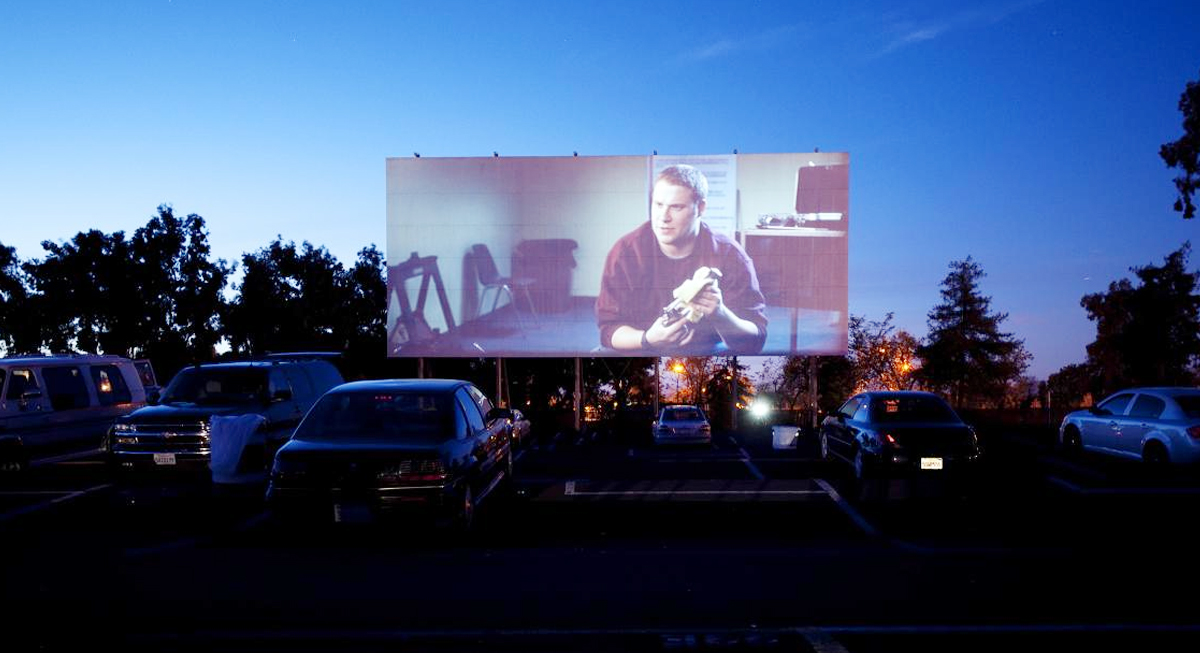
Image via Wikimedia Commons/Christopher Michel
The drive-in began with a simple fix to a common problem. On June 6, 1933, Richard Hollingshead opened the first drive-in theater in Camden, New Jersey. He had tested the idea at home after his mother complained about uncomfortable indoor seating. His setup used a projector mounted on a car and a screen stretched between trees.
The very first feature at a drive-in theatre was the British comedy Wives Beware, and it officially introduced a format that quickly gained traction. Early theaters relied on large outdoor speakers, but the experience improved once individual speakers were installed in each car. The idea spread fast, and within a couple of decades, drive-ins became a staple across the country.
They grew popular because they were flexible. Families could watch movies without hiring a babysitter, since kids could fall asleep in the back seat. Many locations charged per car instead of per ticket, which kept costs down. The spaces also went beyond movies. Playgrounds, pony rides, and snack bars turned a film into a full evening out.
Why Drive-Ins Started to Fade
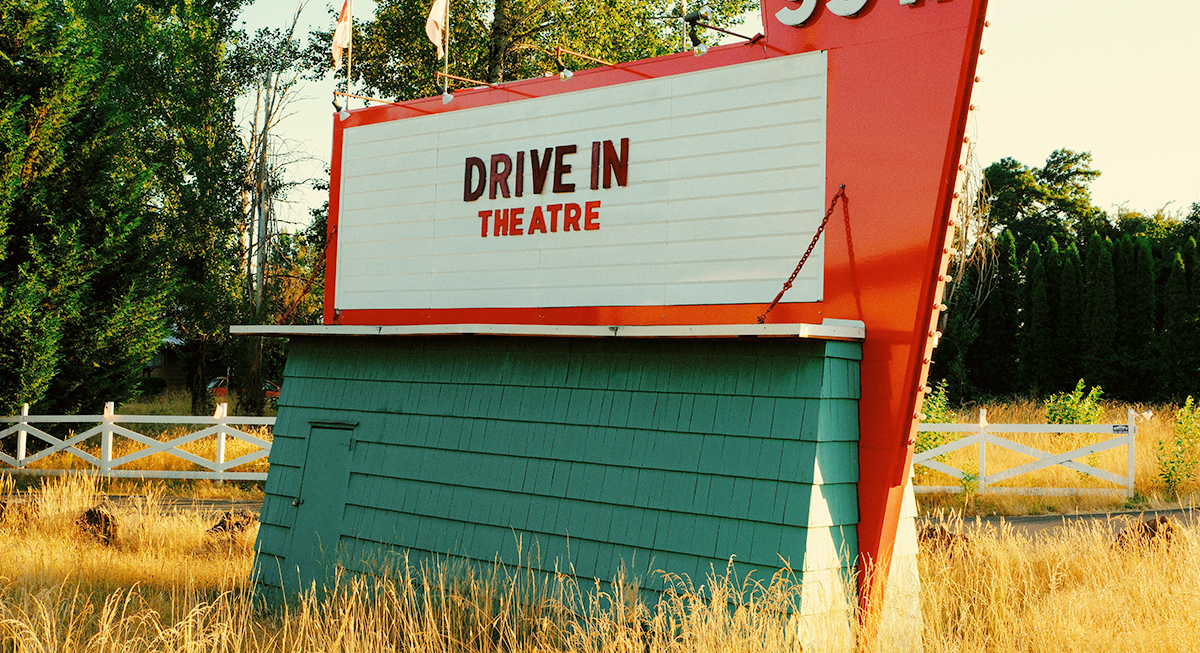
Image via Pexels/Jason Renfrow Photography
The same factors that helped drive-ins grow eventually worked against them. As suburban areas expanded, the large plots of land required for drive-ins became more valuable for shopping centers and housing developments. Owners faced rising real estate costs that many couldn’t sustain.
At the same time, entertainment habits changed. Indoor multiplex theaters offered better sound and image quality, and home entertainment systems made staying in more appealing. The transition from film to digital projection added another hurdle. Smaller, independent drive-ins struggled to afford the upgrades needed to keep showing new releases.
By 2020, only a few hundred drive-ins remained. Estimates vary, but industry group counts placed the number at around 305 operating locations in the United States.
The Unexpected Comeback
In 2020, as the COVID-19 pandemic forced indoor venues to close, drive-ins found themselves in a unique position. Watching a movie from inside a car allowed people to maintain distance while still going out, which made the format suddenly practical again.
Many theaters reopened with limited capacity, often around 50 percent, to allow space between vehicles. Staff adapted quickly by offering contactless ticketing and adjusting concession service to meet safety guidelines. Pop-up drive-ins appeared in unexpected places, including shopping center parking lots and large retail spaces.
This wasn’t the first time drive-ins had served a similar role. During earlier public health concerns, including polio outbreaks, they were promoted as a safer way to gather. That built-in advantage gave them an edge even under modern restrictions.