10 ’80s Heavy Metal Bands That Sold Out Arenas and Then Vanished Overnight
The 1980s metal explosion turned many bands into stars overnight as loud choruses and flashy music videos filled arenas and dominated MTV. This era thrived on a mix of loud energy and a rebellious image. However, the industry eventually shifted. Soon, the style that defined a generation had become a relic of the past. For most groups, the sudden fall from fame was just as intense as the initial climb to the top.
Quiet Riot

Credit: Instagram
Quiet Riot led the charge for American heavy metal. Their landmark album “Metal Health” hit No. 1 on the Billboard 200 in 1983, marking a massive shift in the music industry. However, they couldn’t maintain that momentum. Soon, newer acts had taken over the scene they helped create.
Twisted Sister
Credit: Wikimedia Commons
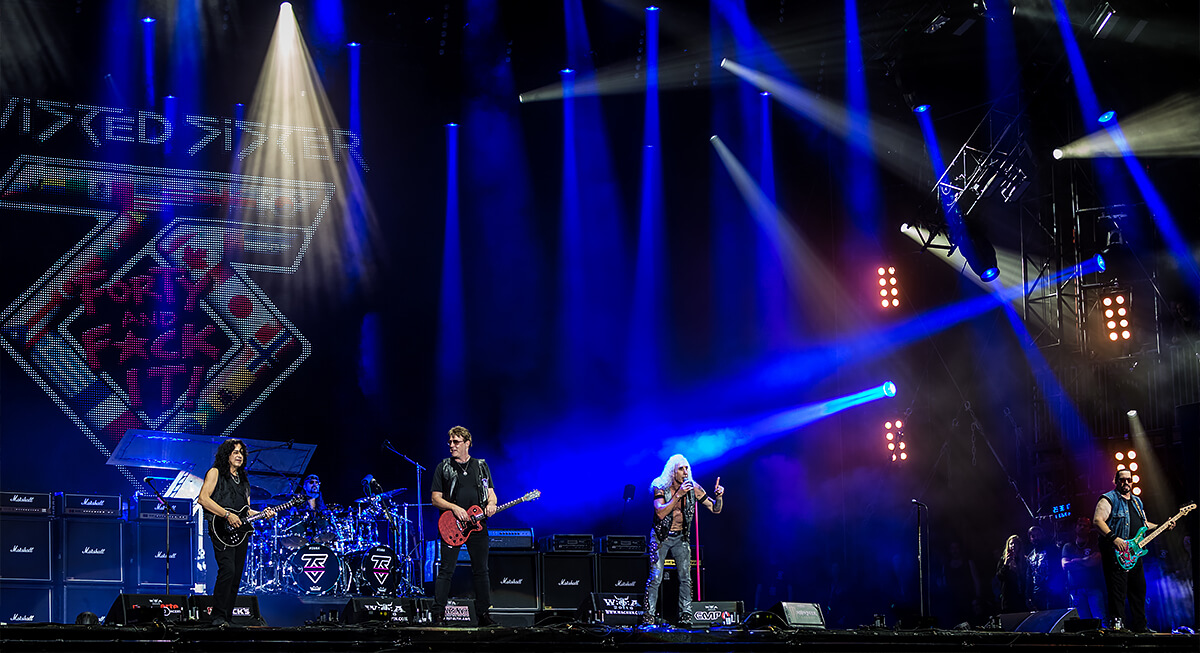
Dee Snider, the lead singer of Twisted Sister, mastered the art of annoying parents while entertaining kids. The music videos for We’re Not Gonna Take It and I Wanna Rock were loud, hilarious short films. The band’s over-the-top humor helped define an era. But the wild ride had to end. Dee left in late 1987, and Twisted Sister officially called it quits in early 1988.
Warrant

Credit: Wikimedia Commons
Cherry Pie brought Warrant a hit and a headache at the same time. Jani Lane’s range and musical depth went far beyond that single hook. But this particular song and its famous video turned the band into stars while trapping them in a narrow party-boy persona. So, when the glam era ended, the group struggled to get listeners to take their more serious work seriously.
Ratt
Credit: Wikimedia Commons
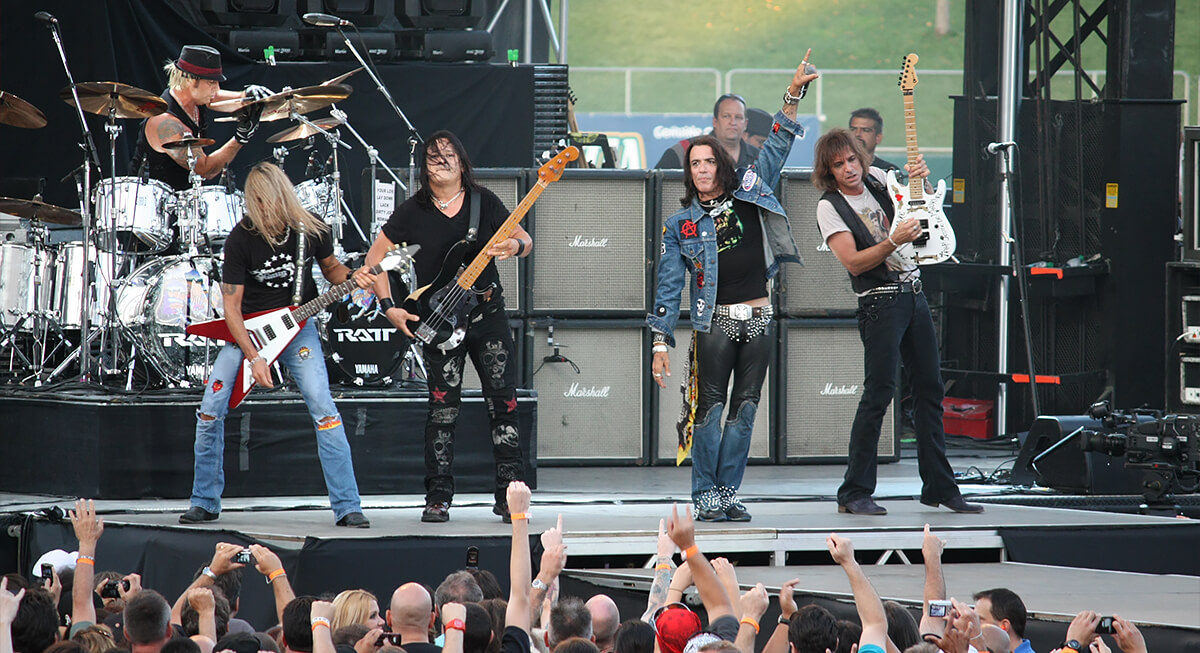
Ratt was like a calling card for the Sunset Strip scene in the MTV era. Their hit album “Out of the Cellar” achieved massive sales thanks to the catchy hooks. However, competition came in the late 1980s as similar bands chased the same radio spots and video slots. Ratt stayed active, but with internal friction and a shift in musical trends, they had become yesterday’s news by the early 1990s.
Dokken
Credit: Wikimedia Commons
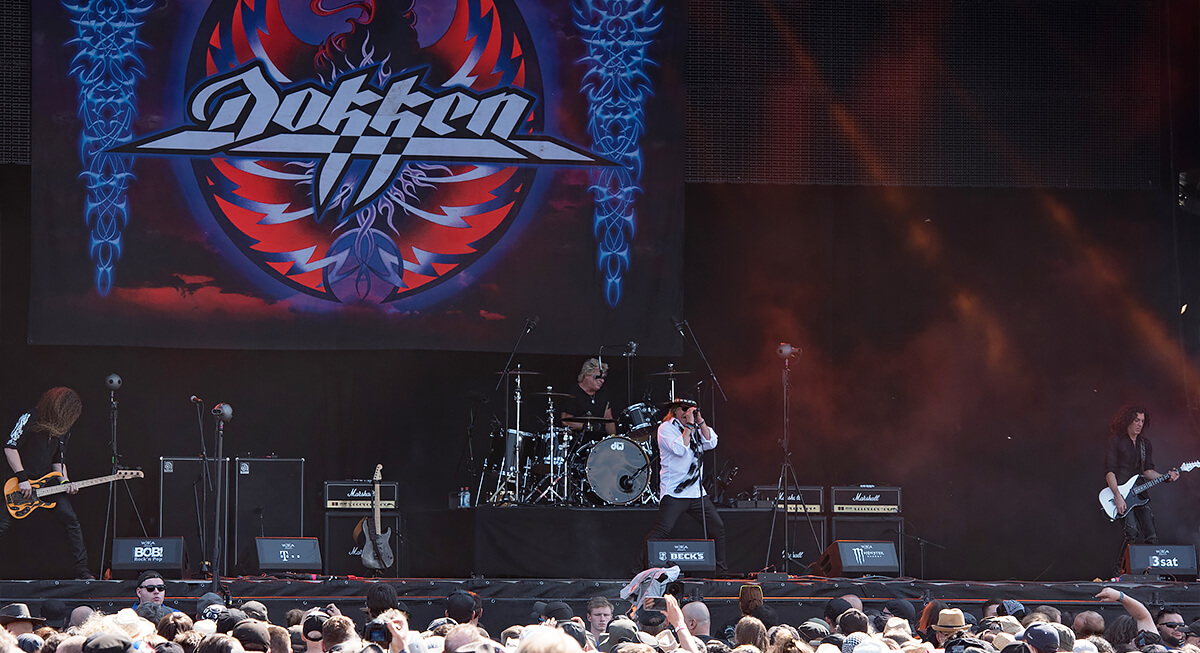
Dokken’s problem was that the music was stronger than the bond between the band members. Tracks like In My Dreams had catchy melodies, and the horror hit Dream Warriors provided a career boost. George Lynch’s guitar skills also added a high-quality polish to their sound. Still, after a series of platinum-selling albums and impressive commercial success, Dokken broke up in 1989 due to internal conflicts.
Cinderella
Credit: Wikimedia Commons
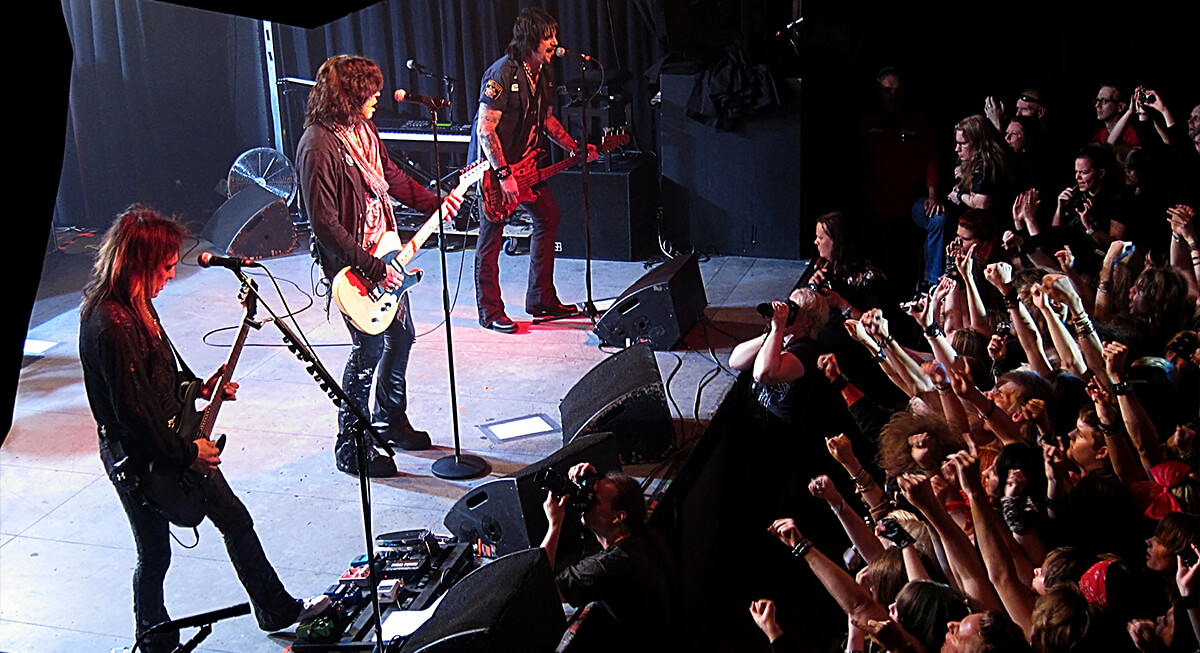
Cinderella had a gritty edge that most hair-metal bands lacked. Tom Keifer’s raspy vocals gave “Night Songs” and “Long Cold Winter” a bluesy bite, which helped the group stand out. Then his voice became a real obstacle. Severe vocal cord injuries and multiple surgeries made recording and touring harder in later years. Though they maintained a loyal following, Cinderella never reclaimed the huge arena status of the 1980s.
White Lion
Credit: Instagram
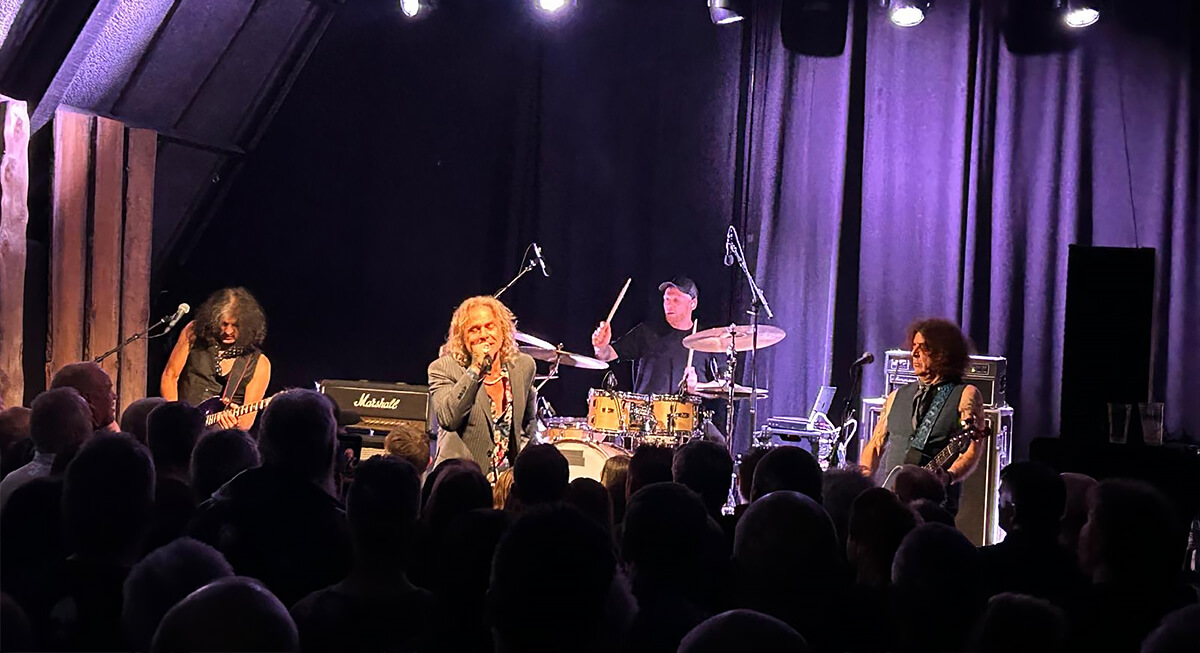
The White Lion version of the metal genre had soft melodies without losing the guitar solos. The album “Pride” became a massive success, thanks to hits like Wait and When the Children Cry. Vito Bratta played the guitar with class while Mike Tramp served as vocalist. Their refined sound was well-received in the late 1980s. By the time the band broke up in the early 1990s, rock radio was already moving toward a grittier style.
Great White
Credit: Instagram
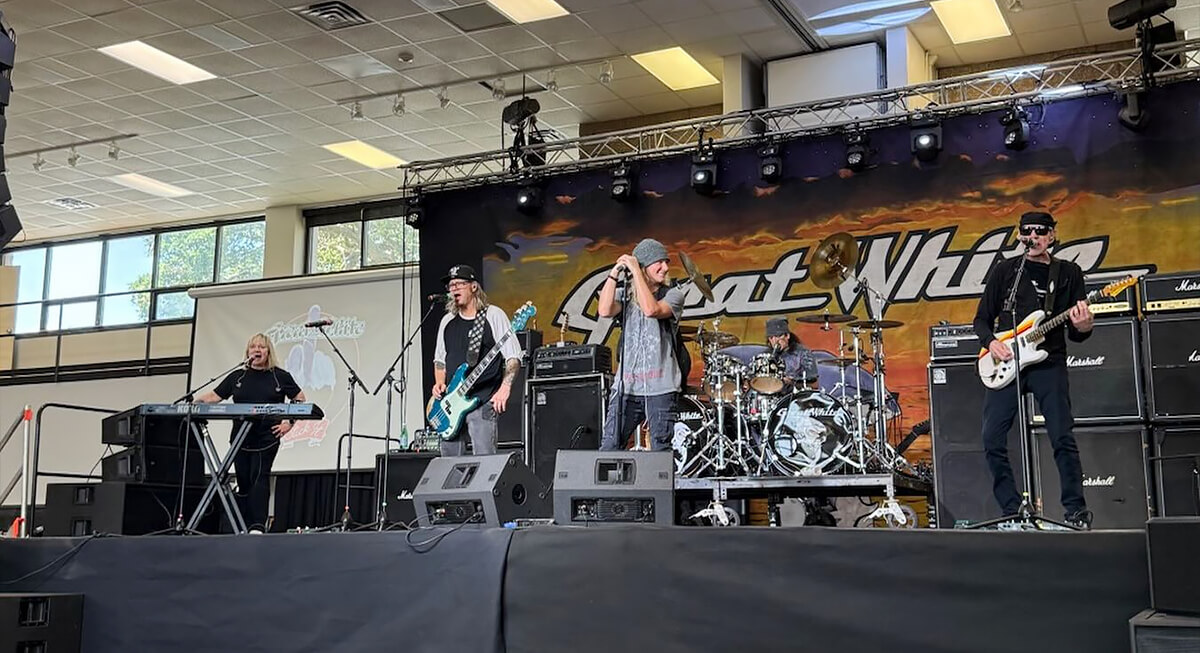
While Great White is still active, their peak MTV years have long been forgotten. They carved out a following by combining bluesy hard rock with metal. Their hit Once Bitten, Twice Shy had a grounded style that was less theatrical than other bands of the era. This helped them stand out for a while, though the group faced challenges with changing radio trends.
Skid Row
Credit: Wikimedia Commons
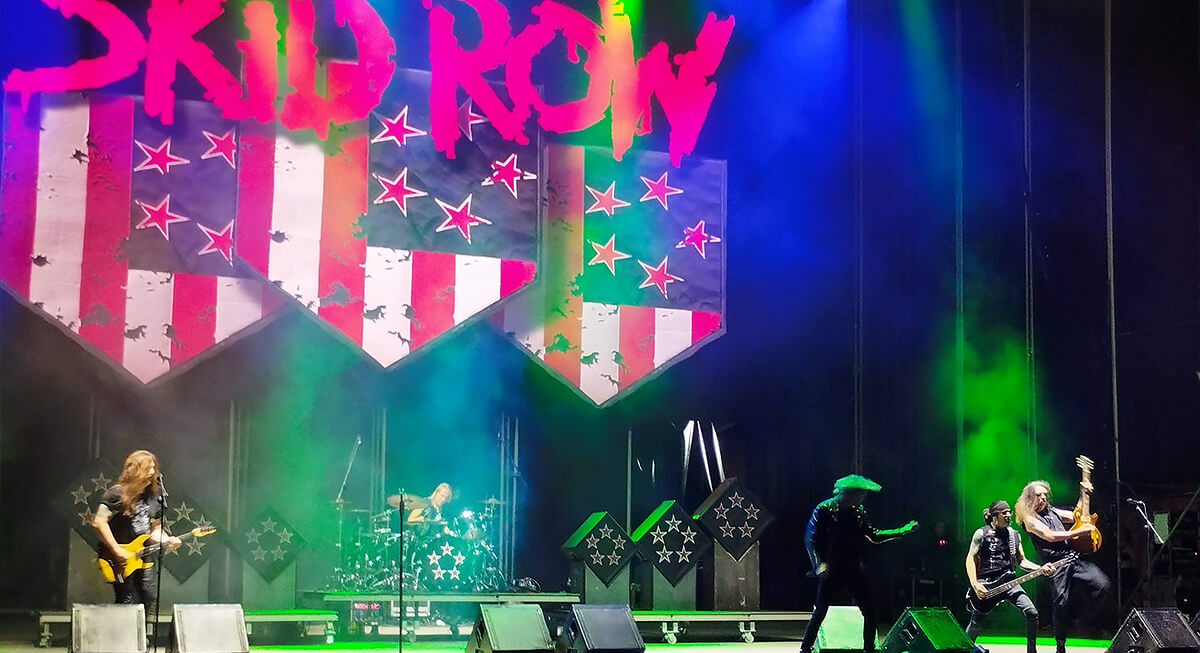
Skid Row arrived late in the 1980s and immediately made an impact. Their 1989 debut delivered hits like 18 and Life, and I Remember You. Slave to the Grind debuted at No. 1 in 1991 as proof of the band’s staying power. However, mainstream rock was changing, and Skid Row lost its magic touch after lead singer Sebastian Bach left the group.
Winger

Credit: Wikimedia Commons
Winger was a talented group, but their look hurt their reputation. The hit song Seventeen brought fame, but it also became a label they could not shake. Kip Winger and Reb Beach were serious musicians, and their songs were far more polished than the jokes suggested. Still, when fans of flashy rock turned to gritty music, the band became an easy target. They stayed active, but their time as superstars had passed.