Halloween Costumes Every ’80s and ’90s Kid Either Wore or Saw on the Block
Halloween during the ’80s and ’90s had a very specific look that still stands out today. Costumes were often a mix of store-bought plastic masks and last-minute creativity pulled from closets and craft bins. Pop culture played a huge role, but so did whatever parents could piece together in time for school parades. This resulted in a lineup of costumes that felt familiar on every street.
Power Rangers Took Over Entire Streets
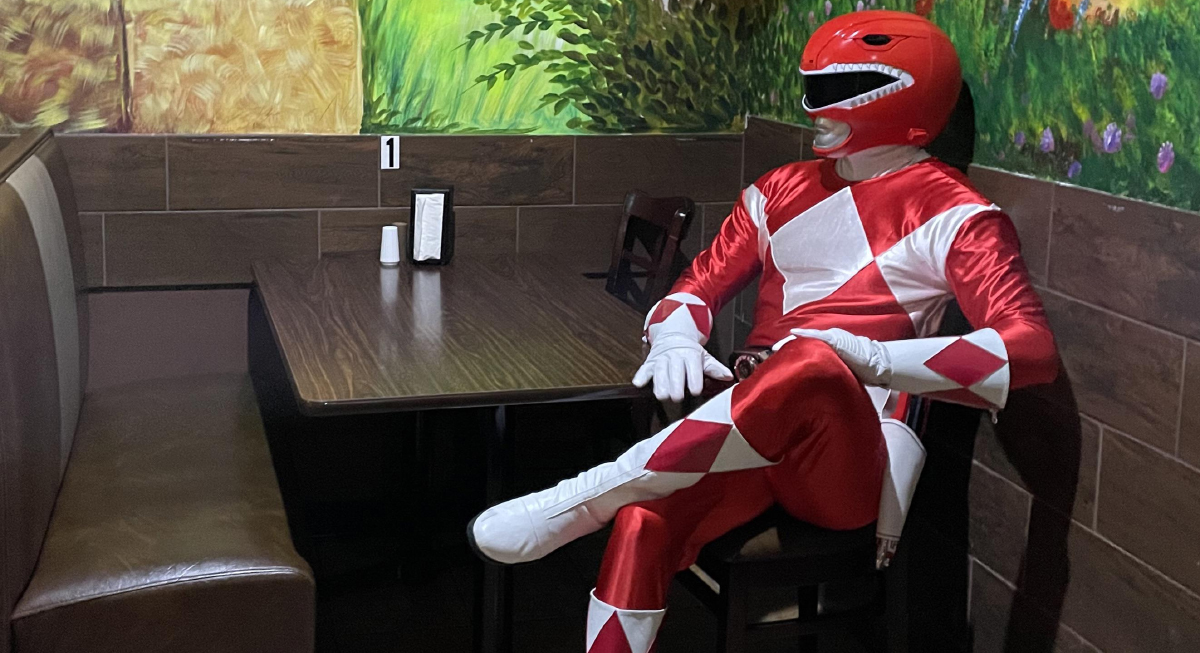
Credit: Reddit
Power Rangers costumes captured playground debates. Kids argued over which color to claim long before Halloween arrived. The suits were usually made of thin fabric and featured a stiff plastic mask that fogged up quickly. The Pink Ranger often became the most requested pick.
Ghostface Brought A New Kind Of Scare
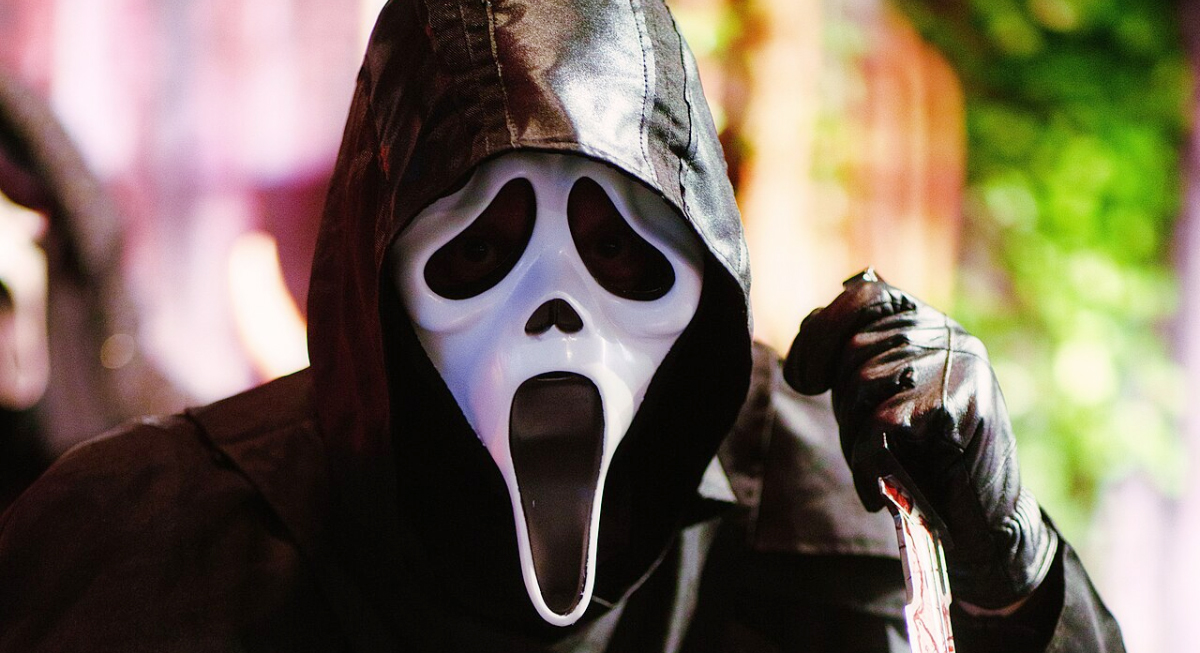
Credit: Wikimedia Commons
After Scream arrived in 1996, the Ghostface costume spread fast. It featured a simple black robe, a white mask, and a voice changer, if you had one. The design stood out because it looked more unsettling than earlier kid-friendly costumes. It also marked a shift toward movie-inspired horror becoming mainstream for younger audiences.
The Ninja Turtles Never Left Rotation
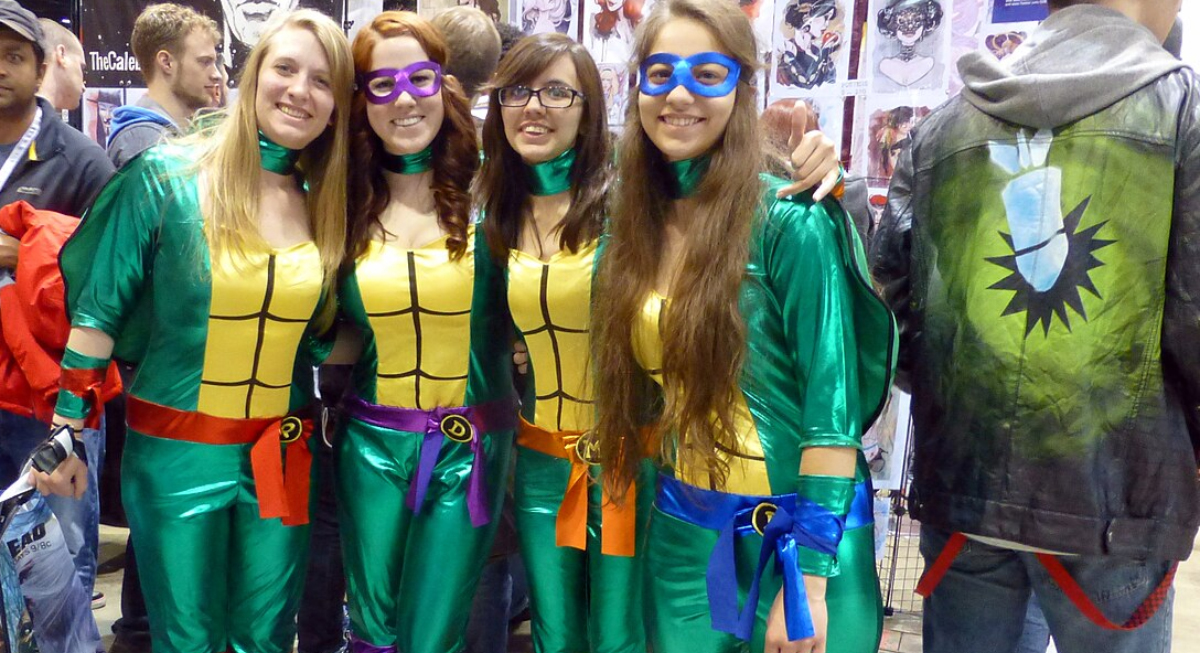
Credit: Wikimedia Commons
Teenage Mutant Ninja Turtles stayed relevant through most of the early ’90s, so their costumes rarely disappeared. Kids picked their favorite turtle based on personality as much as color. The outfits usually came with padded shells or printed ones that never quite looked right. Even so, spotting all four turtles in one group felt like a small event in itself.
Spice Girls Defined Group Costumes
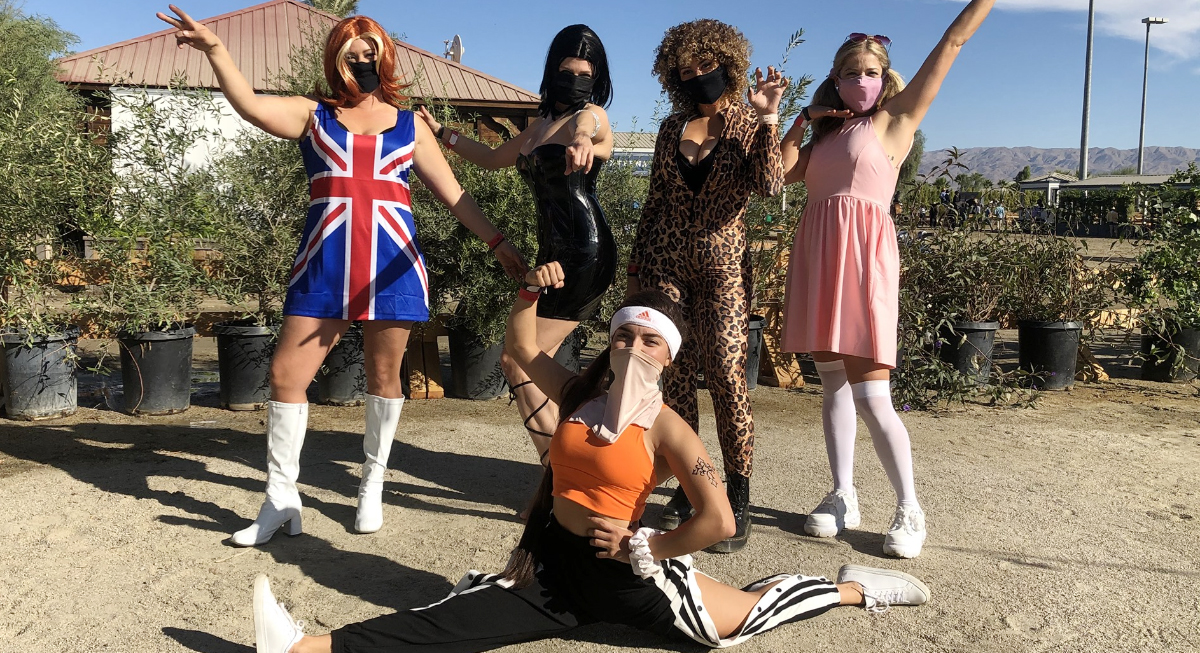
Credit: Facebook
By the late ’90s, the Spice Girls influenced Halloween choices. Groups of friends coordinated outfits to match each member, from platform shoes to bold prints. Baby Spice and Sporty Spice appeared often, mostly because their looks were easier to recreate.
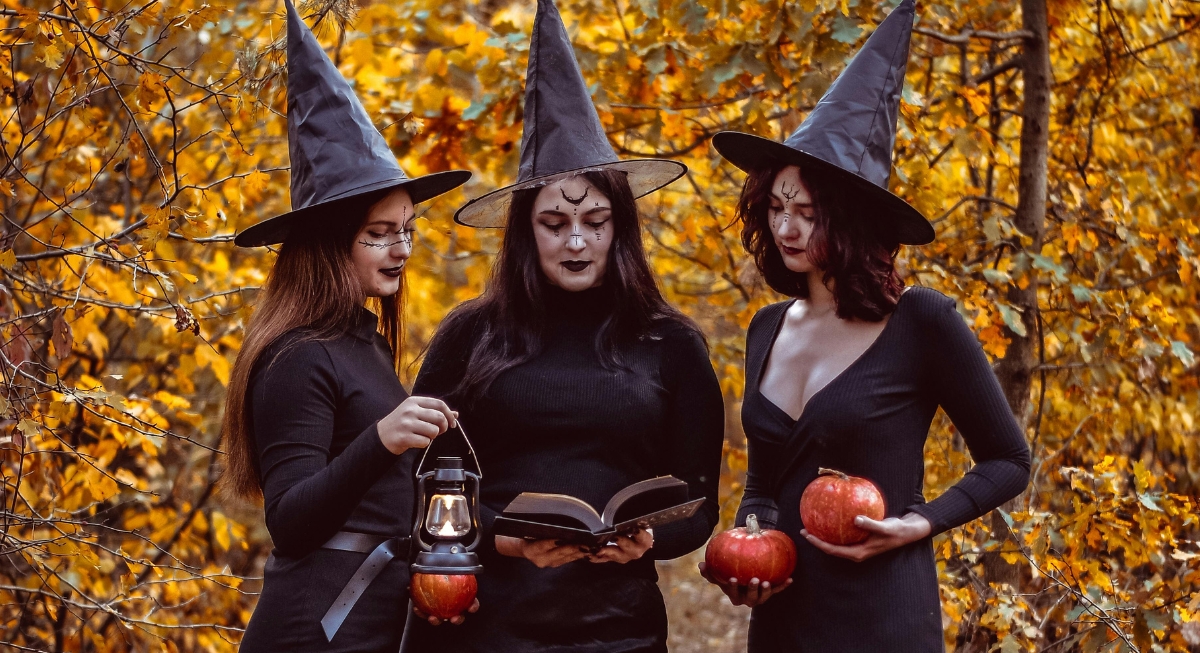
Witches Stayed Simple And Reliable
Credit: pexels
The classic witch costume never needed reinvention. A pointed hat, dark dress, and face paint were enough to pull it together. It worked for all ages and didn’t depend on trends. Parents appreciated how easy it was to assemble at home.
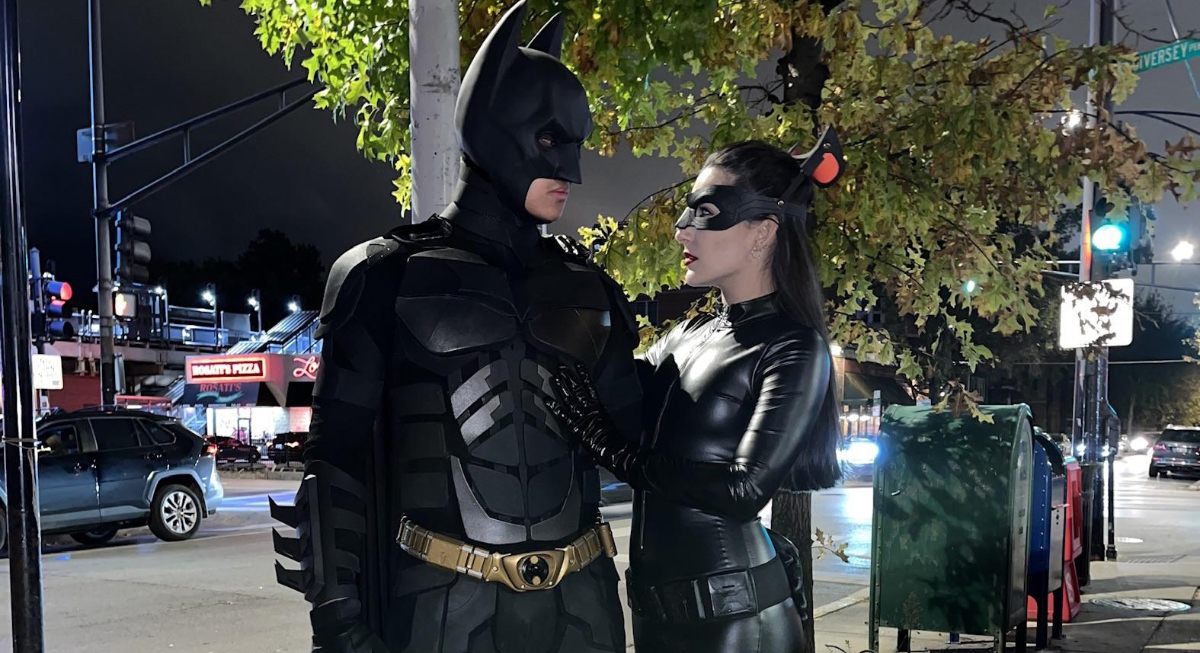
Batman And Catwoman Kept Comic Book Style Alive
Credit: Reddit
Before superhero movies became massive productions, Batman costumes were already everywhere. Kids wore versions inspired by comics or the darker 1989 film. Catwoman often appeared alongside Batman for paired costumes. They felt dramatic compared to brighter costumes and gave kids a chance to act out scenes.
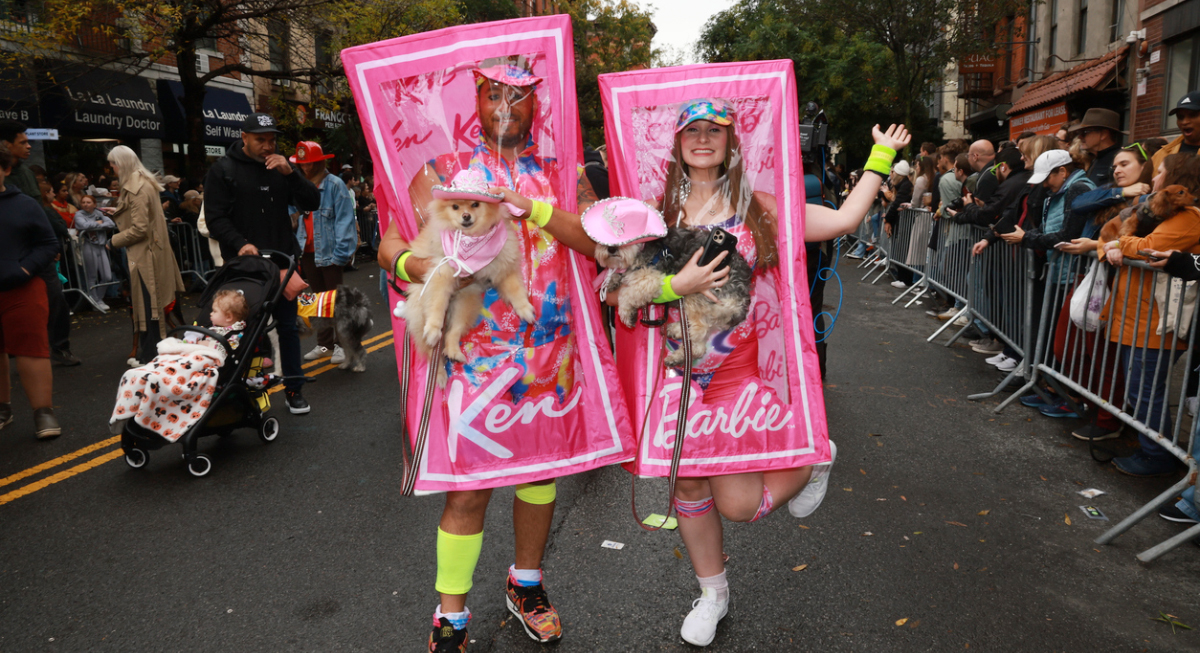
Barbie Reflected Everyday Play
Credit: iStockphoto
Barbie costumes mirrored whatever version of Barbie a child liked most at the time. Rollerblading outfits, bright dresses, or even career-themed versions showed up. The flexibility made it easy to build a costume from items already at home. It also meant no two Barbie costumes looked exactly alike on the same street.
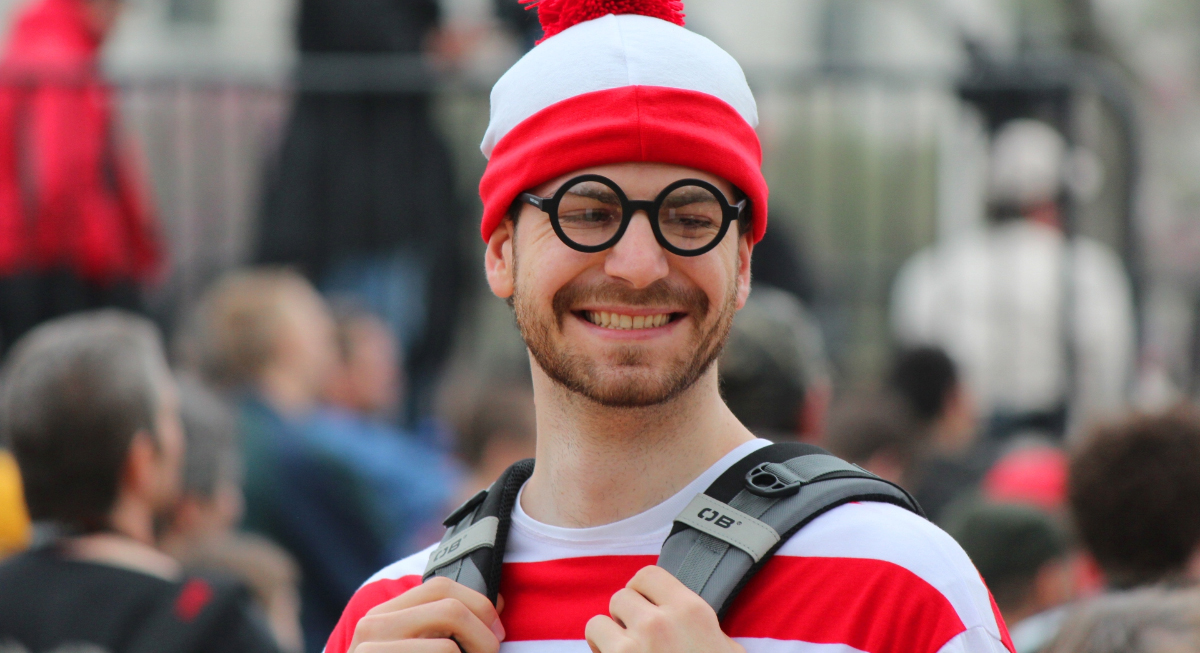
Where’s Waldo Became A Walking Joke
Credit: Wikimedia Commons
The red-and-white striped shirt made this costume instantly recognizable. Waldo stood out because it invited interaction. People pointed and pretended to search even when the costume was obvious. It worked well for families or groups who wanted something simple. Glasses and a beanie completed this look.
Disney Princesses Filled Every Block
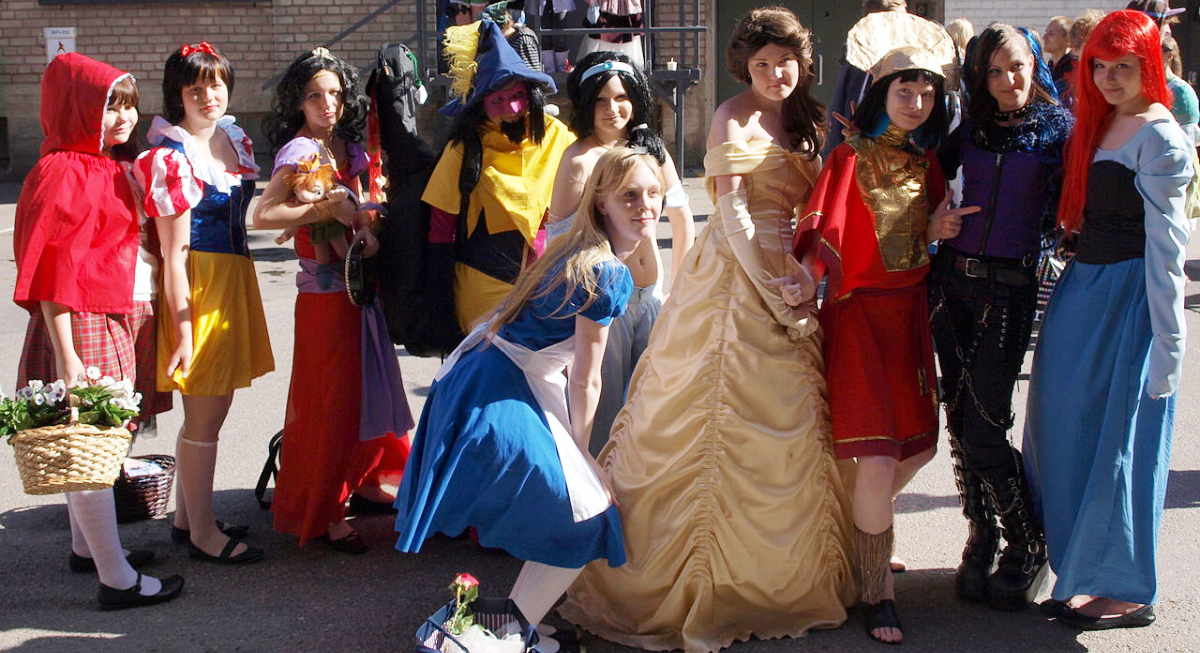
Credit: Wikimedia Commons
Disney’s animated films influenced a steady stream of princess costumes. Ariel, Belle, and Jasmine appeared often as the decade went on. These costumes ranged from detailed dresses to improvised versions using whatever matched the color scheme. The popularity came from the films being in heavy rotation on VHS.
Homemade Costumes Still Held Their Own
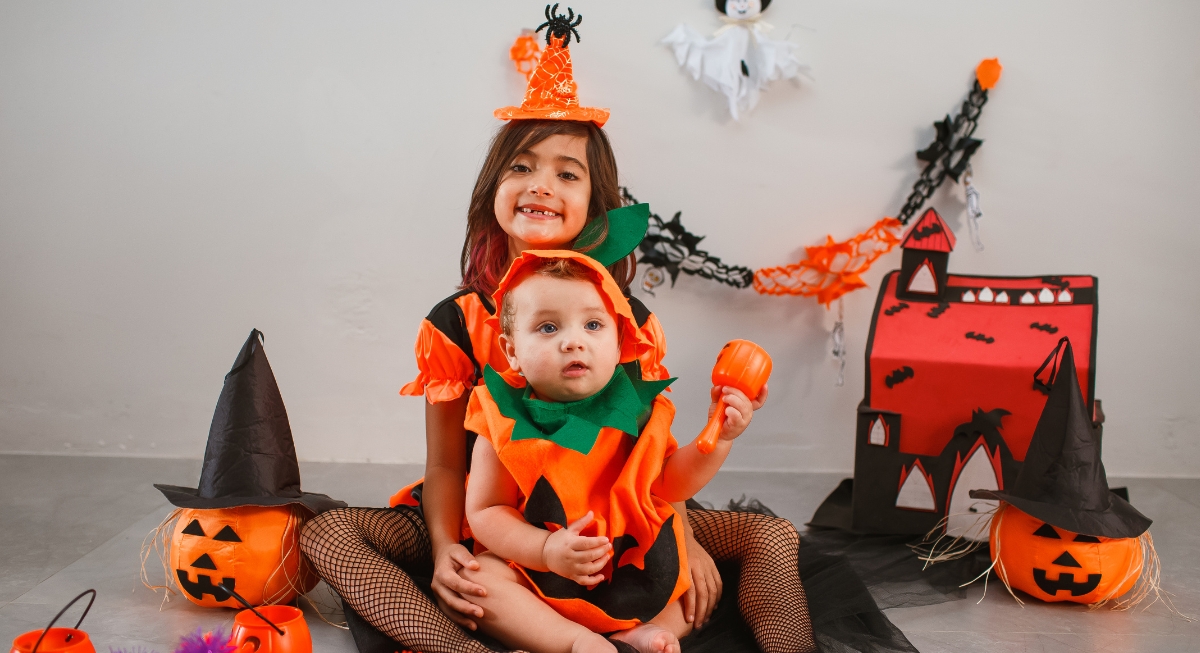
Credit: pexels
Not every costume came from a store. Parents and kids often built outfits using cardboard and fabric scraps. Robots made from boxes or random characters stitched together at the last minute showed up alongside branded costumes. These creations felt personal, even when they looked a little uneven under porch lights.