10 Animated Films That Had Their Titles Changed Abroad
A movie title can carry a brand, a joke, or a cultural reference that works perfectly in one country, but falls flat in another. That’s why studios routinely adjust names to avoid legal trouble, awkward translations, or confusion with local figures. Several animated hits have even traveled the globe with entirely different identities. Check out these films that answered to other names once they crossed a border.
Moana

Credit: IMDb
Moana cane into theaters under the name Vaiana across much of Europe. In Italy, the same film was released under the title Oceania. The change reportedly avoided confusion with a well-known Italian film actress named Moana. Disney opted for a safer brand identity in European markets.
Zootopia

Credit: IMDb
In the UK and Ireland, Zootopia premiered as Zootropolis. In Germany, it’s Zoomania. A Danish zoo already held a trademark for “Zootopia” in Europe, which created a legal hurdle. Disney adjusted the title while keeping the animal metropolis intact.
Inside Out

Credit: IMDb
In parts of Asia, Inside Out was released as The Great Team Inside the Head in China. Thailand used the title Fantastic Emotional Turmoil. Vietnam marketed it as The Puzzle Emotions. Each version made the psychological theme more explicit. The revised titles explained that the story took place inside a child’s mind rather than relying on a metaphor.
The Peanuts Movie
Credit: IMDb
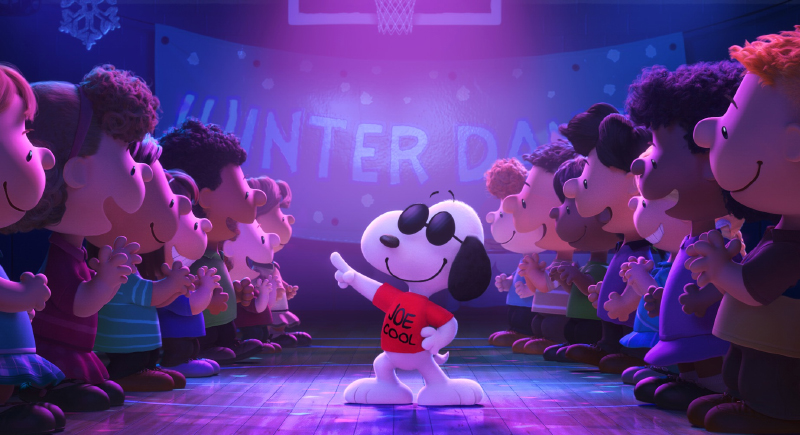
The UK release of The Peanuts Movie expanded title to Snoopy and Charlie Brown: The Peanuts Movie. Distributors relied on the popularity of Snoopy and Charlie Brown to draw attention. The characters had stronger name recognition than the broader Peanuts brand in that market.
Coco

Credit: IMDb
In Brazil, Coco was retitled Viva! A Vida É Uma Festa!, which translates to “Cheers! Life Is a Party!” Miguel’s journey through the Land of the Dead stayed the same, but the marketing avoided unintended humor and awkward associations. The change addressed a language issue because “coco” sounds identical to cocô, the Portuguese word for feces.
Brave

Credit: IMDb
In Japan, Brave premiered as Merida and the Terrible Forest. In Poland, it was known as Merida the Gallant. The original English title centered on a trait, while the international versions highlighted the heroine’s name. Distributors believed audiences would respond more strongly to a character-led title.
Up

Credit: IMDb
Short titles sometimes need clarification, and so in Poland, Up was titled Takeoff, translated as Odlot. In Japan, it was often called Grandpa Carl’s Flying House. The Japanese version spelled out the main character and the central image of a house lifted by balloons. Viewers received a clearer sense of the adventure before the film even began.
Tangled

Credit: IMDb
During the release of Tangled in parts of Europe, many countries reverted to the traditional name Rapunzel. In Germany, the film is titled Rapunzel: Neu verföhnt. The classic fairy tale carried stronger local recognition than the modern English word “Tangled.”
Ratatouille

Credit: IMDb
Food names do not translate equally well everywhere. Take, for example, Japan, where Ratatouille was renamed Remy’s Delicious Restaurant, or Remi no oishii resutoran. The French dish in the original title was unfamiliar to many Japanese moviegoers. Simply put, the new name explained that the story centered on a rat with culinary ambitions.
Frozen
Credit: IMDb
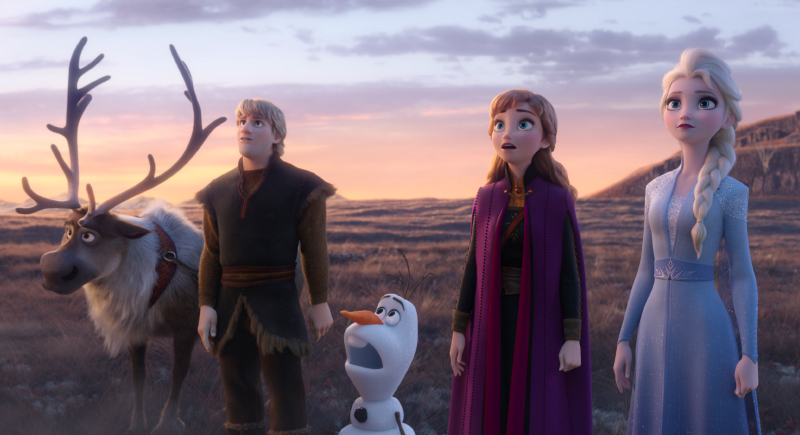
In Italy, Frozen was released under the title Il Regno di Ghiaccio, which translates to The Kingdom of Ice. The original English word did not clearly signal the fairy tale tone to Italian audiences. Distributors chose a more descriptive name that reflected the icy setting and royal storyline.