10 Daytime Talk Show Hosts From the 70s Who Defined American Television Before Oprah
Daytime television looked a lot different before Oprah Winfrey became a household name. The 1970s lineup included a mix of journalists, entertainers, and interviewers. Because the modern issue-driven daytime format was still new, producers enjoyed experimenting. They focused on audience participation, social issues, celebrity co-hosting, and hybrid talk-variety structures. The hosts of this era showed American networks just how much they could accomplish in a simple interview.
Phil Donahue
Credit: Wikimedia Commons
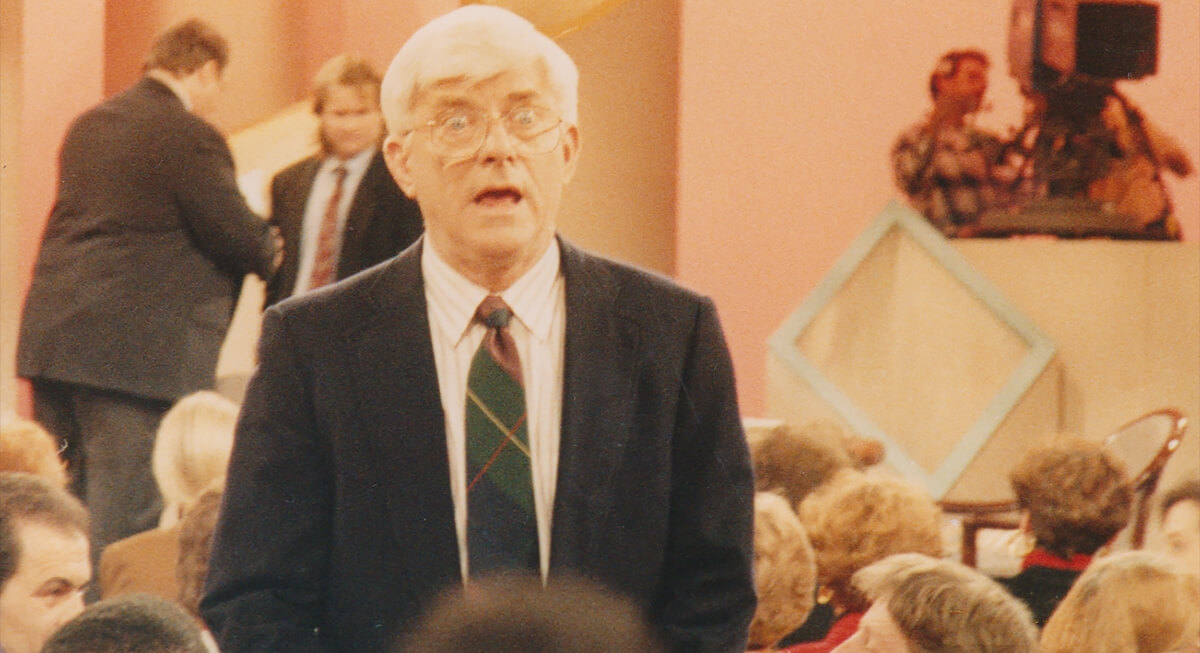
The microphone was always moving on The Phil Donahue Show. Phil Donahue launched his program in Dayton in 1967 and took it nationwide in 1970. He put audience questions at the heart of daytime television. Viewers were no longer watching from the sidelines. They challenged guests, shared immediate reactions, and pushed social issues into homes that expected lighter entertainment.
Dinah Shore
Credit: Wikimedia Commons
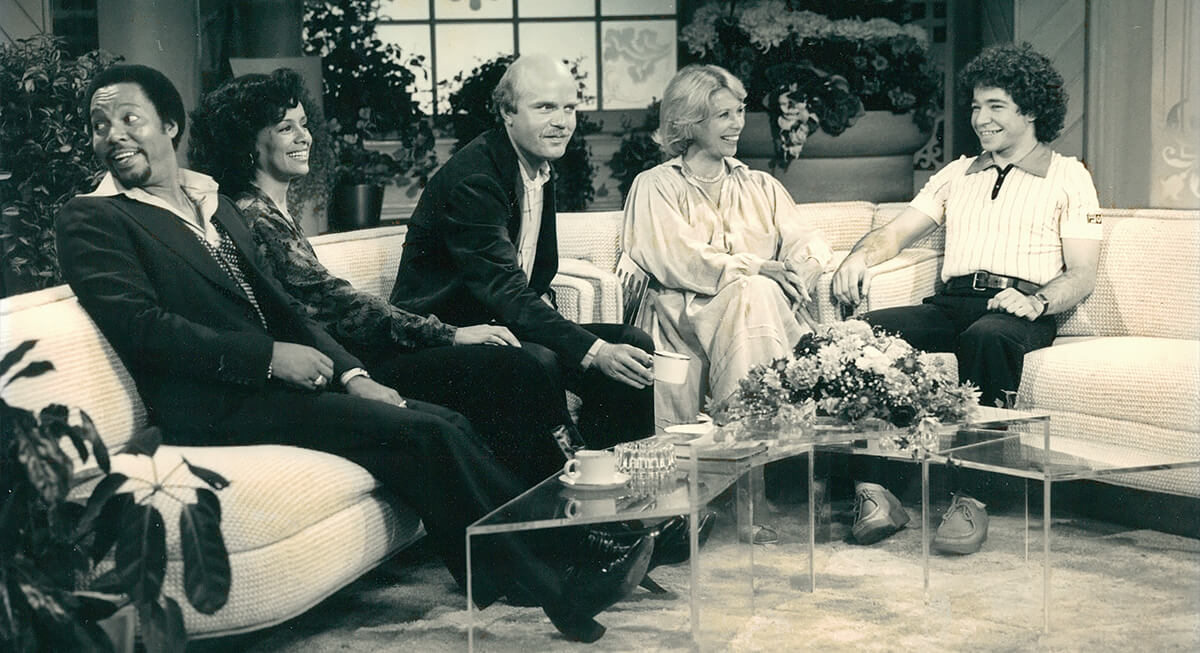
An hour with Dinah Shore never felt stuck in a single format. Her 1970s TV shows mixed celebrity interviews with music, cooking, and relaxed conversation that helped famous guests open up. Because Dinah was already a well-known singer, she brought an easy warmth to the screen. Her daytime show succeeded because it felt so casual.
Mike Douglas
Credit: Wikimedia Commons
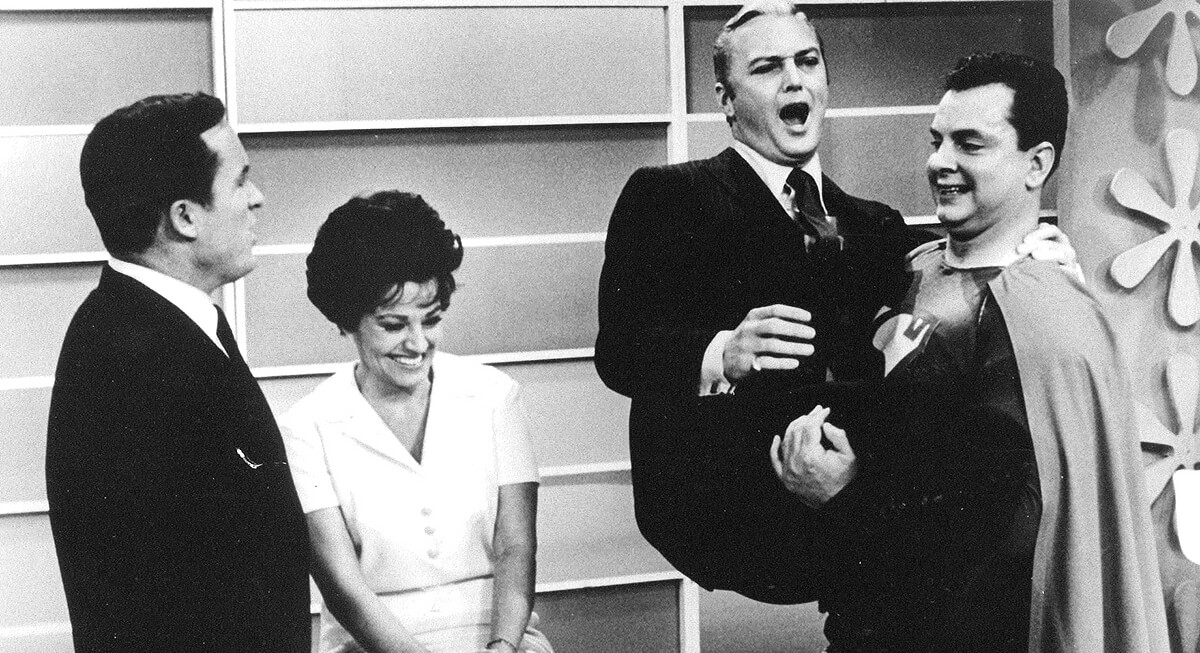
Weeklong celebrity co-hosts gave The Mike Douglas Show its unique energy. Guests stayed for days and got comfortable, which made the show feel more relaxed as the week went on. John Lennon and Yoko Ono’s 1972 co-hosting week is the best example. They brought political talk and music into mainstream daytime TV without breaking Mike’s routine.
Merv Griffin
Credit: Wikimedia Commons
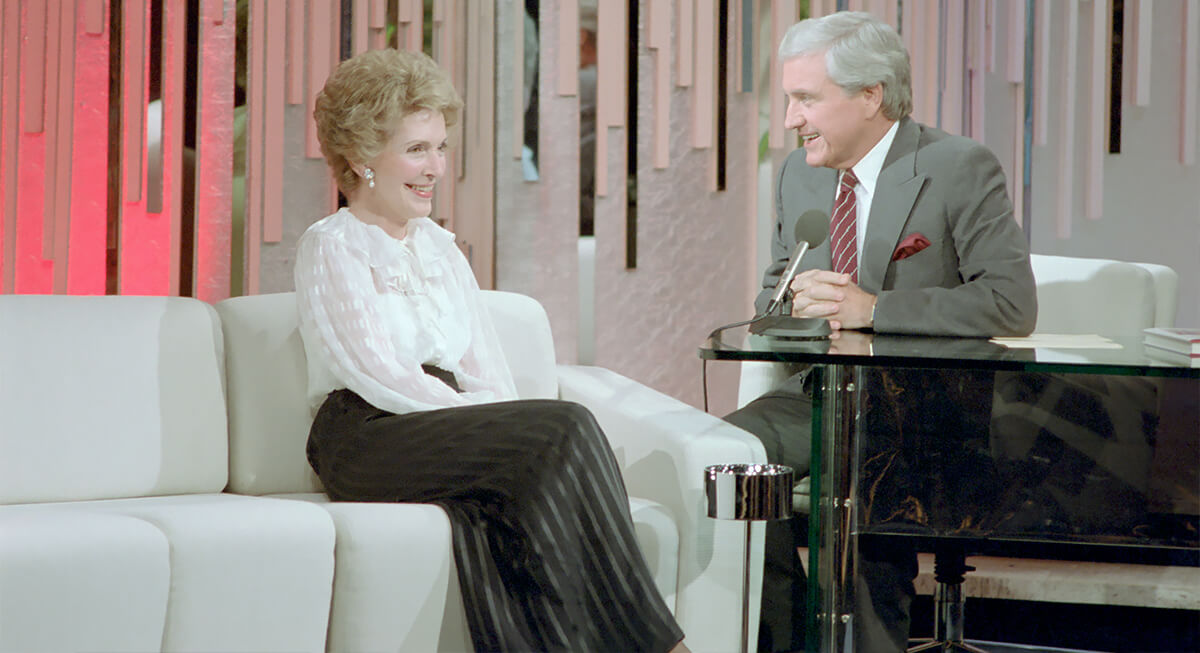
A Merv Griffin episode was like a great party where the seating arrangement did most of the work. His talk show slots included late-night and syndicated periods, but its smooth style fit perfectly into the daytime TV scene. Merv loved pairing unusual guests and letting them bounce off each other. Musicians, writers, and politicians all shared the same couch.
Barbara Walters
Credit: Wikimedia Commons
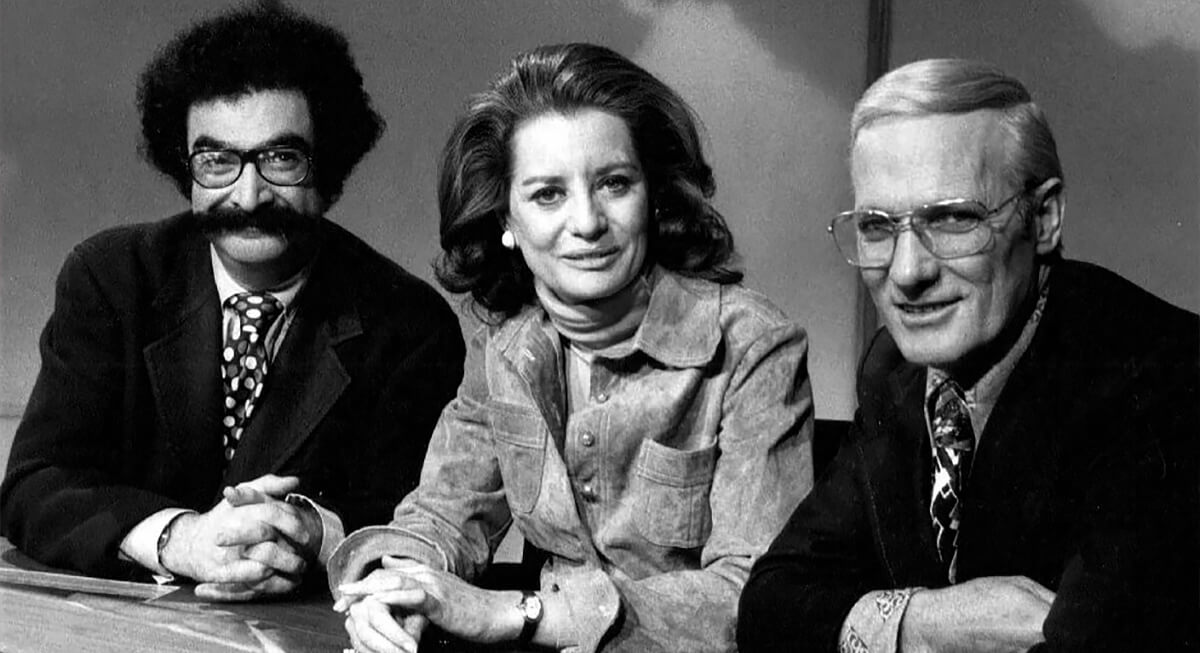
Long before her later daytime fame, Not for Women Only gave Barbara Walters a fresh space to grow. The show developed from Aline Saarinen’s program For Women Only and focused on women’s equality, health, family, and public affairs. Barbara brought the same calm authority that viewers loved on the Today show, and the conversations were easy to understand.
Regis Philbin
Credit: Wikimedia Commons
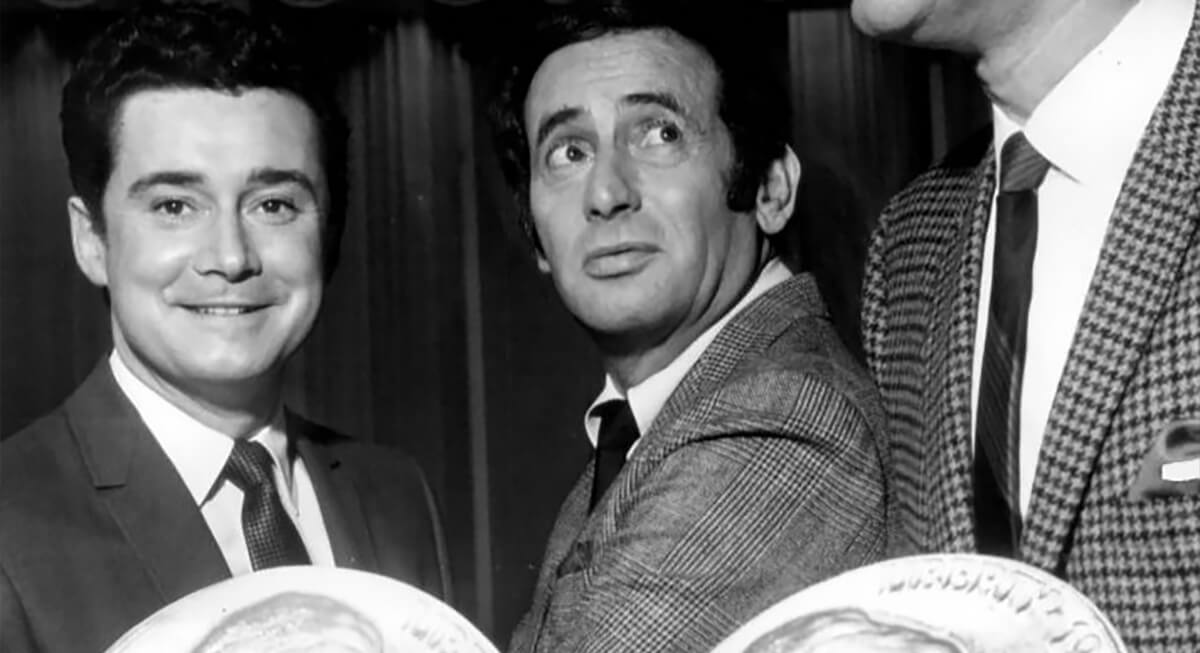
Regis Philbin found his perfect testing ground on morning television. He started hosting A.M. Los Angeles on KABC-TV in 1975, way before his national show made him famous for his casual, unscripted style. Regis turned small daily annoyances into great TV material, easily switching from personal stories to celebrity interviews. That relaxed opening chat became his signature style and helped make morning talk shows feel much friendlier.
Virginia Graham
Credit: Wikimedia Commons
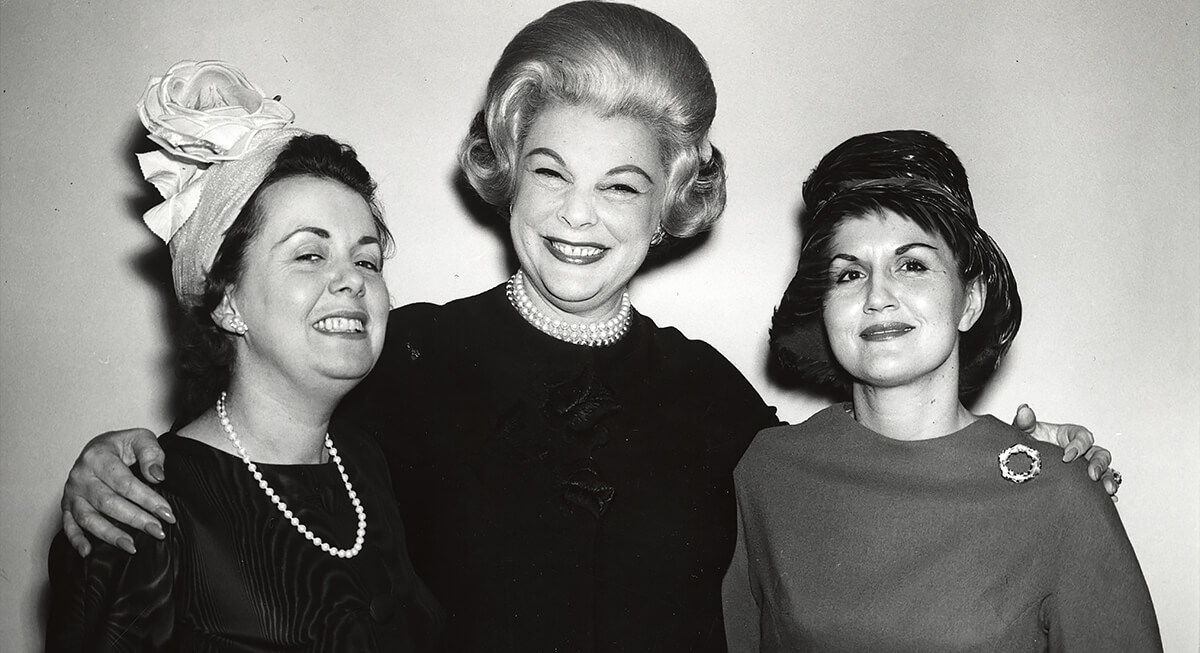
Virginia Graham knew exactly when a guest was hiding something. As the host of Girl Talk, she became famous for her sharp daytime personality. She avoided the overly sweet, promotional style that many celebrity interviewers used. Her background in radio and writing gave her an excellent sense of pacing. Virginia kept conversations moving fast, demanded real answers, and brought a much tougher energy to women’s talk shows.
Della Reese
Credit: Wikimedia Commons
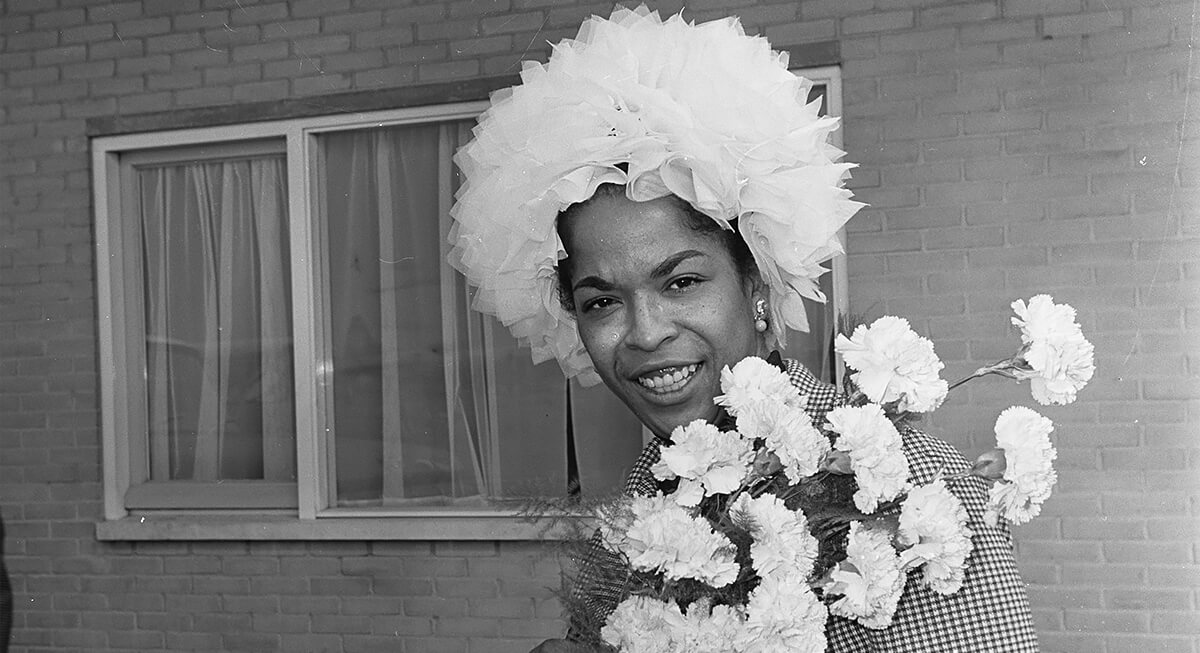
Della Reese hosted the talk-variety show Della! from 1969 to 1970. It stood out because it skipped the usual late-night couch routine. Instead, she used her musical timing and stage presence to bring the program to life. Very few Black women hosted national TV shows back then, and Della’s leadership gave the format a fresh and welcoming energy.
David Frost
Credit: Wikimedia Commons
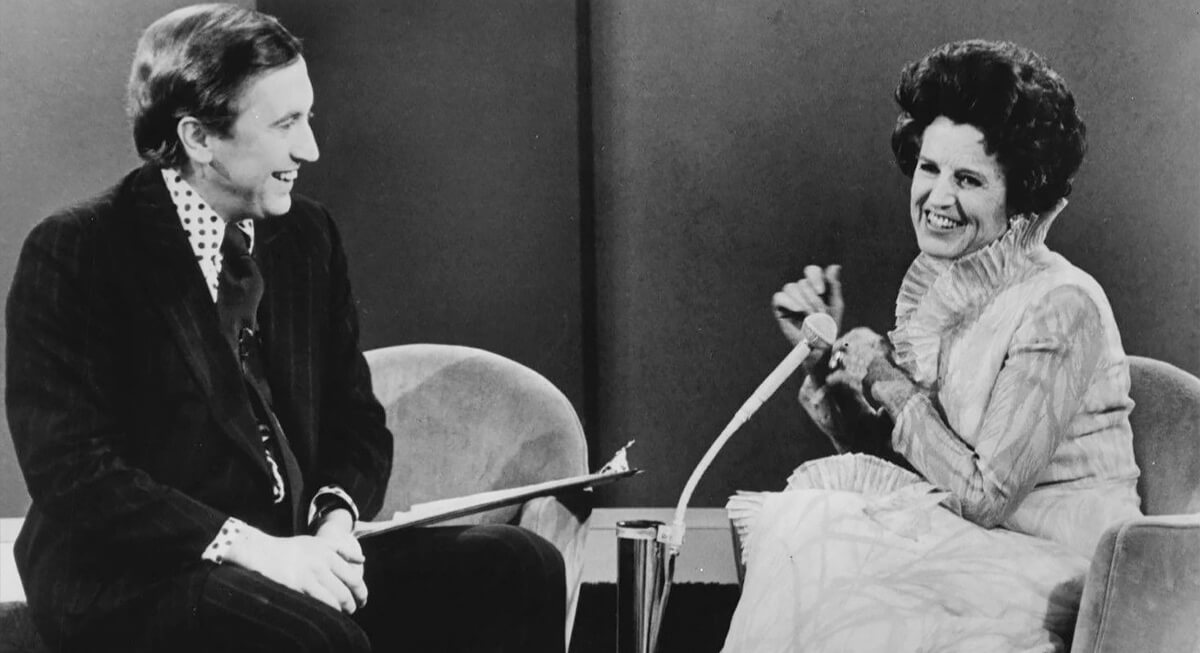
David Frost prepared for interviews like a student studying for a big test. His TV show was syndicated by Westinghouse from 1969 to 1972, airing at different times in different cities. He was always polite and polished, but his questions were surprisingly sharp. He sat down with celebrities and political leaders for long chats that kept viewers hooked. His success proved that a television interview could be both smart and highly entertaining.
Aline Saarinen
Credit: Failed Architecture
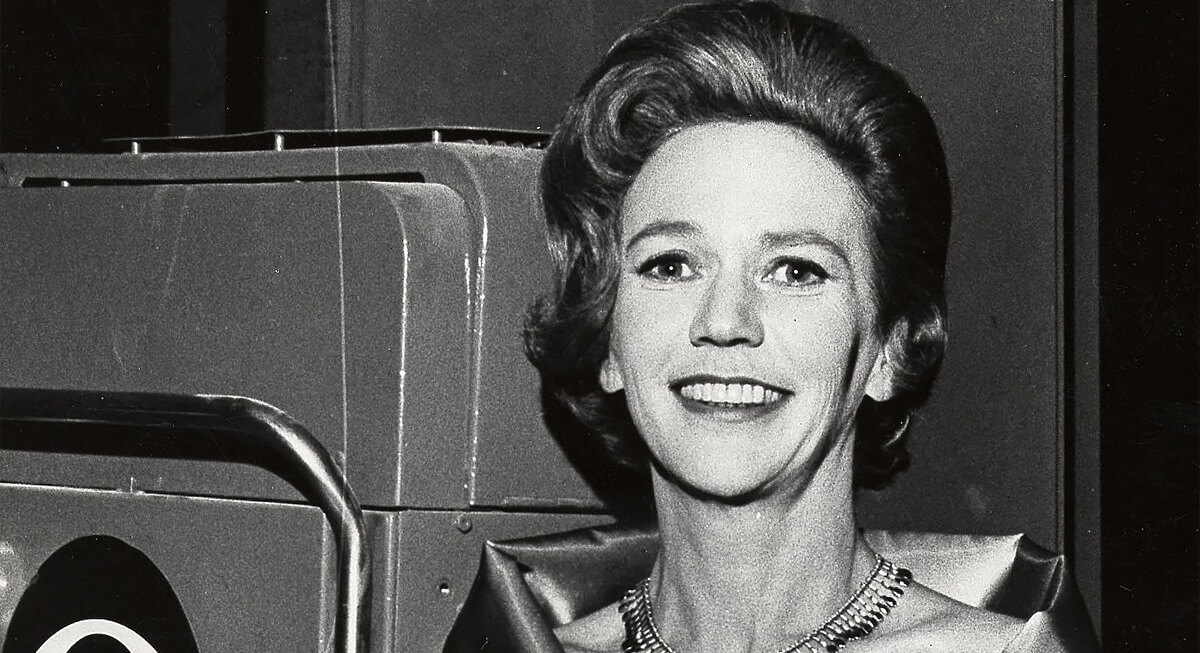
Before the show turned into Barbara Walters’ Not for Women Only, Aline Saarinen helped make the original version, For Women Only, a serious program. She was already famous for explaining art and architecture on television in a way anyone could understand. This talent made her perfect for daytime TV talk. Aline’s time on the show was short, but she set a smart example for future daytime programs.