YouTube Has Won the TV Rights to Host the Oscars, Starting in 2029
The Oscars have always found a way to adapt. They have outlasted shifting studio power, changing home-viewing habits, and years of concern about shrinking audiences. Now, the ceremony is preparing for its biggest change yet.
Beginning in 2029, the Academy of Motion Picture Arts and Sciences will move the Oscars to YouTube, ending a decades-long run on ABC after the 2028 broadcast. The decision reflects how dramatically live viewing has changed, and how even the most traditional cultural institutions are rethinking where their audiences actually are.
A Rights Deal That Signals a Shift

Image via Canva/Truecreatives
The multi-year deal places the Oscars on YouTube starting in 2029, with exclusivity running through 2033. ABC will keep the broadcast going through 2028, including the centennial ceremony, then step aside. The agreement hands global distribution to a platform better known for creators, podcasts, and endless autoplay than red carpets and orchestras.
Industry sources say the deal cleared nine figures, topping high eight-figure offers tied to traditional media players. Disney had been paying approximately $100 million per year under the current contract, although recent negotiations suggested a lower renewal. YouTube came in aggressively, and the Academy followed the money and the audience.
Why YouTube Made Sense to the Academy
Image via iStockphoto/JasonDoiy
Ratings tell part of the story. The Oscars reached 57 million viewers in 1998, during the height of the Titanic’s popularity. In 2025, the ceremony drew about 18.1 million viewers, a respectable figure by modern standards but a far cry from its peak. Even the infamous 2022 incident involving Will Smith and Chris Rock topped out at 16.6 million.
YouTube offers something that broadcast television can no longer match. Global reach without regional licensing hurdles, unrestricted access for viewers, built-in multilingual options, and a younger audience that already lives on the platform. For an Academy that has spent years worrying about relevance, accessibility matters as much as prestige. Commercials still stay in the mix, so the revenue model does not vanish. What changes are distribution, scale, and control.
Creative Control Comes Into Focus
One under-discussed factor sits behind the deal: control. On broadcast television, the Oscars had time limits, format debates, and constant tension over pacing and content. On YouTube, those constraints loosen. The Academy gains flexibility over length, presentation, and side programming, including red carpet coverage and behind-the-scenes content that plays well online. That freedom appeals to an institution eager to experiment without having to negotiate every decision through a network lens.
The Cultural Anxiety Is Real
Not everyone sees this as progress. Critics argue that moving the Oscars onto a streaming platform risks shrinking its cultural footprint rather than expanding it. Broadcast television still offers a shared experience that streaming struggles to replicate. Metrics also change, and linear ratings provide a clear scoreboard.
YouTube views, engagement time, and algorithm-driven discovery muddy the comparison. There is also symbolism at play. The Oscars long represented Hollywood honoring itself on its own terms. Partnering with a platform built on creators and user-generated content blurs that line in ways some find uncomfortable.
This is not the first time a legacy institution has made a leap that initially seemed reckless. Fox had no sports infrastructure when it grabbed NFL rights in 1994. That move reshaped the network and rewrote the industry playbook. YouTube already dominates streaming usage. Landing the Oscars sends a louder message about where major live events may land next.
What This Means Beyond Awards Night
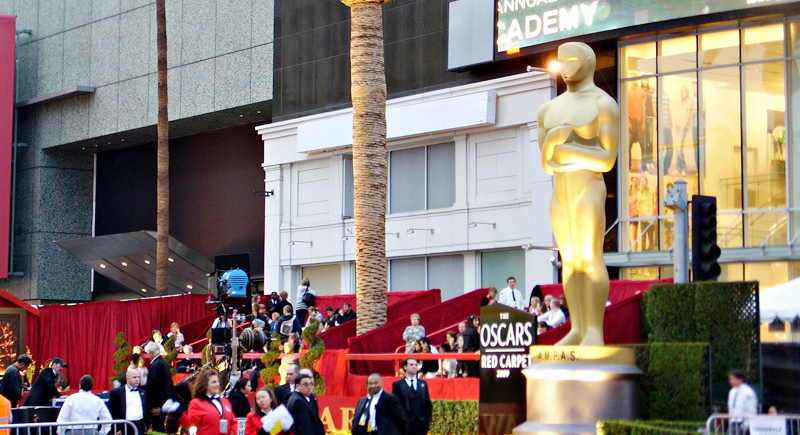
Image via Wikimedia Commons/BDS2006
The shift to YouTube comes at a time when the idea of an “Oscar movie” is already in flux. Theatrical exclusivity has softened, streaming timelines vary, and release strategies look different from film to film. Even recent winners reflect that change. The 2025 Best Picture winner, Anora, followed a now-familiar route: a festival debut, a traditional theatrical run, and a streaming release months later.
In many ways, the ceremony has been honoring films shaped by this hybrid system for years. Moving the broadcast simply acknowledges where the audience has gone. By 2029, the gold statues will still be handed out, the speeches will still run long, and the debates will continue. What shifts is the shared moment of watching. The Oscars are not leaving tradition behind so much as following viewers to the place where they already gather.