Your Body After 50: The Hilarious Betrayals Nobody Warns You About
People in their 50s often feel good about life, sometimes more settled and confident than before. At the same time, the body starts doing things no one really prepared you for. According to a 2025 WebMD review by Dr. Mahammad Juber, many people still have strong cognitive ability in this decade, even better than in their twenties.
But around the mid-50s, small physical changes begin to show up. Nothing dramatic at first, just little surprises that catch you off guard. One day, everything feels normal, and the next, your body starts behaving in ways you did not expect.
Memory Starts Playing Hide And Seek

Image via Canva/Africa images
The brain still holds decades of knowledge, stories, and problem-solving skills. Yet small memory slips begin to sneak into daily life. Keys appear in unusual places, or a trip to the kitchen suddenly loses its mission halfway through.
Cognitive science explains that mental processing speed changes gradually as the brain ages, particularly after the mid-50s. Lifestyle factors also influence brain health. Diets rich in vegetables, whole grains, fruits, and healthy fats such as olive oil help support memory and long-term cognitive function.
Joints Develop Their Own Soundtrack

Image via Canva/Syda Productions
Standing up becomes harder than expected sometime after 50. Knees crack, hips click, and a casual stretch produces sounds like bubble wrap. Cartilage gradually thins with age, which means joints lose some cushioning. That change becomes noticeable during everyday movement.
Posture, body weight, and hydration also influence joint comfort. When the body lacks fluid, it pulls moisture away from joint tissue, which can increase stiffness. Exercise helps keep joints moving smoothly. Weight-bearing activities, such as hiking or strength training, promote stability and support the muscles that protect those joints.
Muscles Clock Out Early
Strength changes in the 50s, even for people who stay active. Muscle mass declines faster during this decade, a process researchers call sarcopenia. This shift reduces physical power and balance. Strength training slows the process.
Exercises like squats, lunges, or light weightlifting two or three times a week help maintain muscle mass. They also support balance, which becomes more important as the body ages. Skipping workouts often leads to another awkward surprise. The body loses strength faster than expected, and suddenly opening a stubborn jar feels like a competitive sport.
Hormones Rewrite The Rulebook
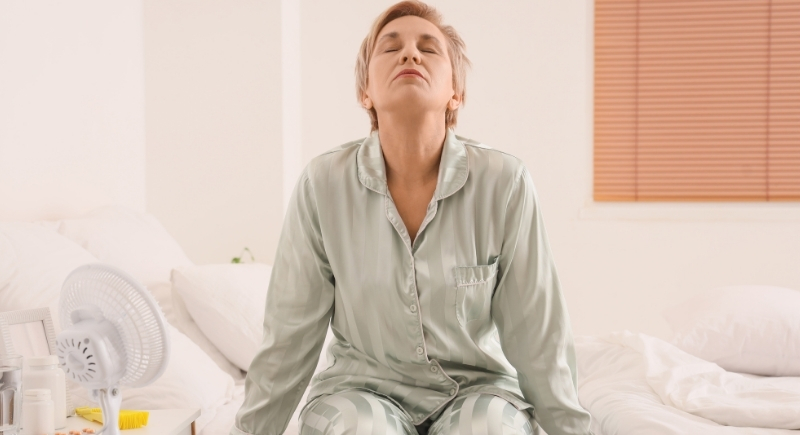
Image via Canva/pixelshot
For women, menopause is one of the most noticeable turning points. The average age is about 51, and as estrogen levels fall, the body adjusts in ways that feel dramatic at times. Hot flashes and night sweats can arrive without warning, and mood changes appear alongside sleep disruption. The lining of the vagina also becomes thinner and drier, which can cause discomfort during intimacy.
These symptoms stem directly from hormonal shifts. Doctors often suggest lifestyle adjustments, medical treatments, or hormone therapy depending on severity.
The Immune System Slows Down
The immune system gradually produces fewer infection-fighting cells after age 50, making illnesses like flu, pneumonia, and tetanus easier to catch. Vaccinations become more important as a result. Regular medical checkups also help doctors catch problems early.
Eyes And Ears Demand Attention
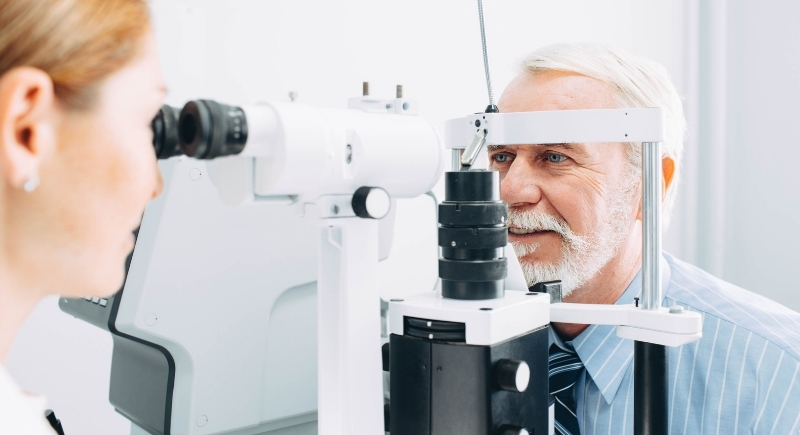
Image via Getty Images/peakSTOCK
Vision changes often begin with a familiar complaint. Reading small text suddenly requires squinting. The lenses in the eyes grow stiffer with age, which makes it harder to switch focus between near and distant objects. Reading glasses frequently solve the issue.
Hearing is also affected during this stage of life. Research suggests that about 40 percent of adults over 50 experience some degree of hearing loss. Genetics, heart health, diabetes, and blood pressure can influence that change.