You Won’t Believe the True Story That Inspired the Peaky Blinders Series
The hit series Peaky Blinders traces its roots to a messy stretch of British history and a real criminal name that showed up in newspapers before 1900. Long before the show’s timeline, the Peaky Blinders were already real. The term was used by British papers by the 1890s to describe street gangs active in Birmingham.
These groups did not wait for World War I or grand politics to shape them. They built a reputation in the late 1800s through open violence, intimidation, and frequent run-ins with police and rival areas. The name stuck because it helped sell newspapers. Crime stories drew readers, and gang members knew attention gave them leverage. Over time, Peaky Blinders turned into a broad label for street criminals across Birmingham, even after the original gang faded.
A City Under Pressure Created the Violence
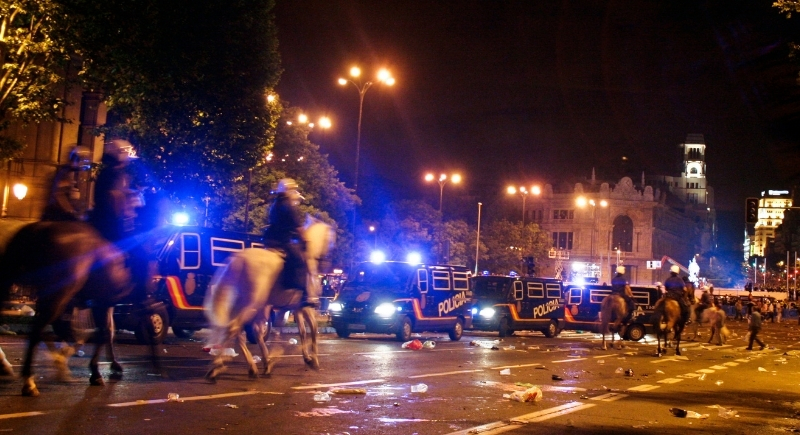
Image via Getty Images/ManuelVelasco
Industrial Birmingham grew fast and broke people faster. Overcrowding, unstable work, and poor housing structured the daily lives of working-class families. Irish Catholic immigrants, many fleeing famine, faced open hostility and lived in districts with limited sanitation and few protections. Tensions boiled over in events like the Murphy riots of 1867, when large-scale attacks targeted Irish neighborhoods.
Young men learned early that group strength offered safety and status. Thus, territorial street fighting became the routine. These gangs fought with fists, belts, boots, and anything close at hand. Violence worked as currency, and reputation mattered more than money.
Style Was a Weapon Before It Was Fashion
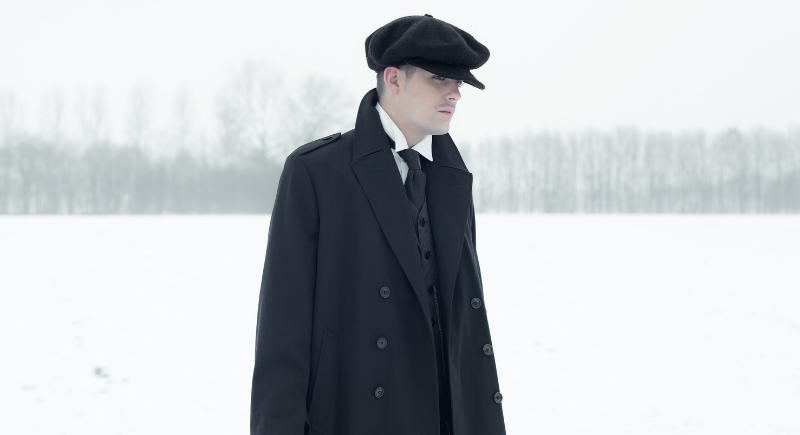
Image via Canva/ysbrandcosijnfotografie
The real gangs dressed sharply, though not in tailored three-piece suits. Flat caps, scarves, bell-bottom trousers, and pearl buttons were easy identifications. Clothing signaled belonging and confidence and drew attention, which these groups wanted. Public recognition made them feared.
The razor blade cap story came later. Razor blades existed by the 1890s, but they cost too much for street gangs to sew into hats. Historians attribute the source of that myth to folklore and later fiction. The rumor persisted because of the gangs’ already established reputation.
Rivals, Replacements, and Power Shifts
Images via Wikimedia Commons/West Midlands Police
The Peaky Blinders did not control Birmingham forever. By the early 1900s, larger and more organized gangs took over. The Birmingham Boys, later known as the Brummagem Boys, expanded into racecourse crime and betting rackets. Billy Kimber rose through those ranks and built influence far beyond street corners.
This exposed the biggest difference between the show and history because the series compresses decades of crime into a single rise. In reality, gangs replaced each other as conditions changed. Violence stayed constant, but power moved on.
The Characters Are Fiction. The Brutality Is Not
Everyone’s favorite character, Thomas Shelby, never existed. Several real gang leaders inspired aspects of his character, including figures like Sam Sheldon, who led violent family-based gangs in the 1880s. These men did not operate with long-term strategy or political ambition, and their crimes stayed close to home and often ended in prison, injury, or obscurity.
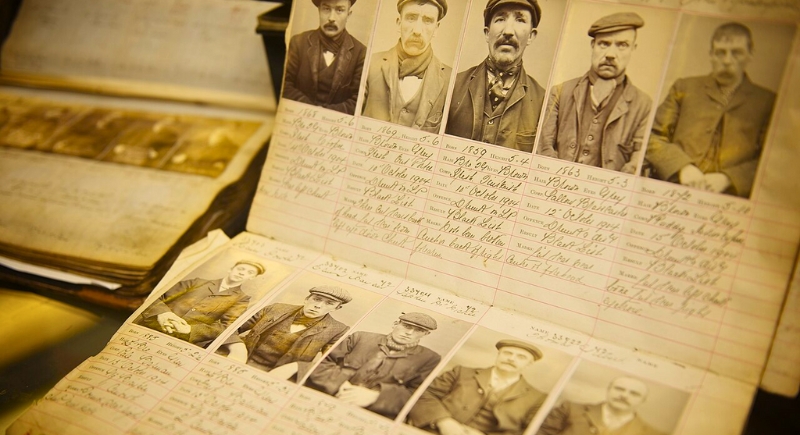
Women played visible roles too. Police records show female gang members involved in theft, riots, and street violence. They dressed with the same visual cues and moved within the same territories. Victorian Britain treated crime like a spectator sport. Newspapers printed mugshots, nicknames, and court details, and gangs chased coverage because coverage built a reputation. The TV series simply followed the same cycle of chaos, publicity, and fear that already existed before fiction ever touched it.