The 10 Worst Movie Characters of the Last 25 Years Ranked
Over the last quarter-century, some movie characters have stayed memorable for the wrong reasons. Even with talented casts, big studios, and plenty of money behind them, certain roles ended up feeling frustrating, confusing, or strangely hollow. This list looks at characters whose writing choices made it harder to stay invested, often diverting attention from the story rather than deepening it.
Bella Swan — Twilight
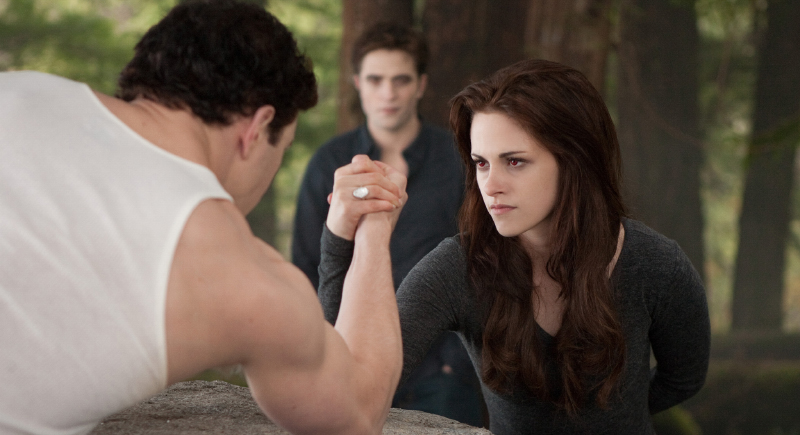
Credit: IMDb
The success of the Twilight franchise makes Bella Swan a complicated case. The films made billions worldwide and defined late-2000s pop culture. The issue came from how Bella moves through the story. Major plot events usually happen around her across multiple films, and emotional growth rarely changes her decision-making, which reduces tension during key relationship conflicts.
General Hux — Star Wars Sequel Trilogy
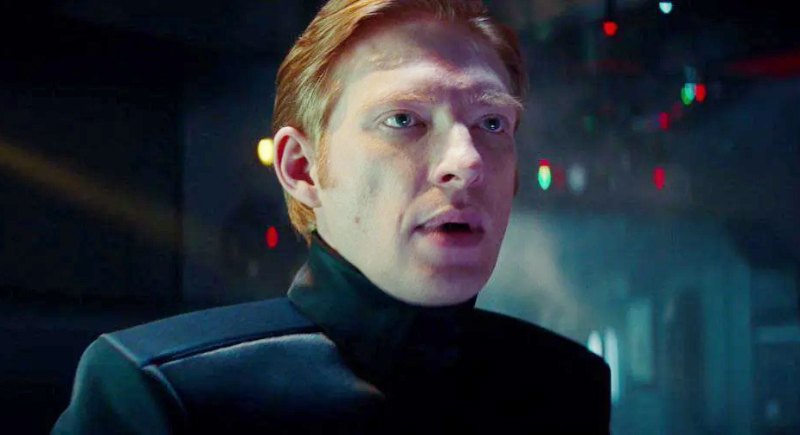
Credit: Reddit
Early trailers and The Force Awakens presented General Hux as a cold, calculating military fanatic. By the second and third films, the tone shifted dramatically and turned him into near-comic relief. That change weakened the First Order’s threat level. The inconsistency became one of the most common fan criticisms of the trilogy’s overall planning.
Jim Preston — Passengers
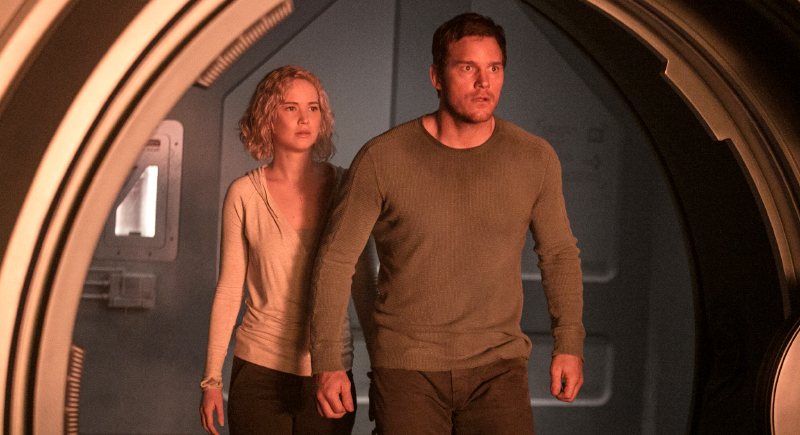
Credit: IMDb
Passengers built its entire story around one decision: Jim choosing to wake another passenger from cryosleep. The film treats that moment as a romantic tragedy, but many audiences saw it as deeply unethical. The movie never fully confronts the consequences, which created an ongoing debate about whether viewers were meant to sympathize with him.
Rita Mora Castro — Emilia Pérez

Credit: IMDb
Rita plays a key role in several major turns of the story, but her inner compass never feels fully grounded. Her actions shift rapidly, moving from active participation in a cartel cover-up to visible shock at the violence around her, with little insight into what drives that change. Because the film offers limited emotional buildup, her reactions can feel inconsistent, making it harder to follow her reasoning from one moment to the next.
Evan Hansen — Dear Evan Hansen
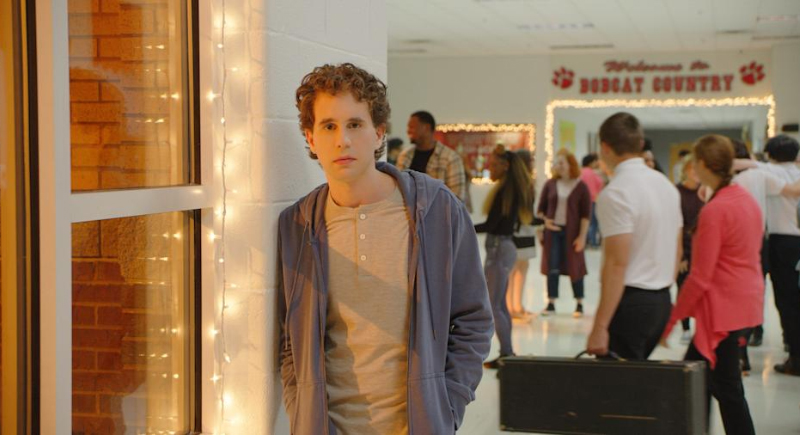
Credit: IMDb
The film version runs into trouble partly because viewers already know how unsettling the premise is. Evan forms deep connections by maintaining a lie tied directly to a family’s grief. On stage, performance and tone can soften that tension. On screen, the added realism brings the deception into sharper focus, especially when the fallout remains minimal, making the character’s arc harder to sit with.
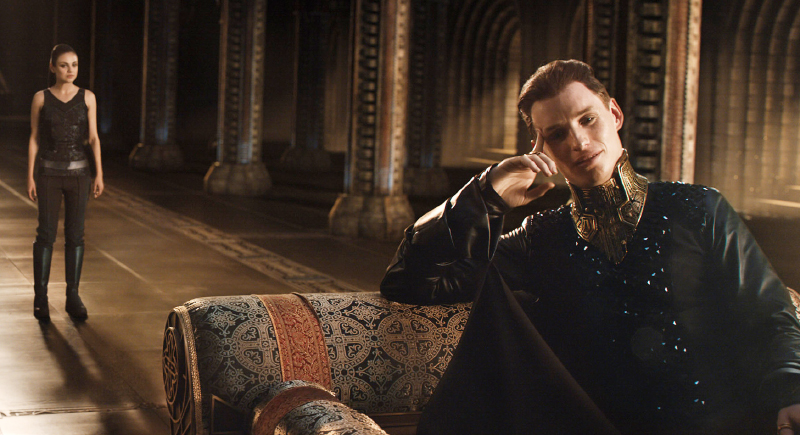
Balem Abrasax — Jupiter Ascending
Credit: IMDb
The Wachowskis designed Balem as royalty born into absolute power, controlling entire planets as resources. Theoretically, that scale should create a sense of intimidation. Instead, his presence often feels smaller than the world around him. The performance leans heavily on whispering and sudden shouting, which pulled the audience’s focus away from the story’s larger political stakes.
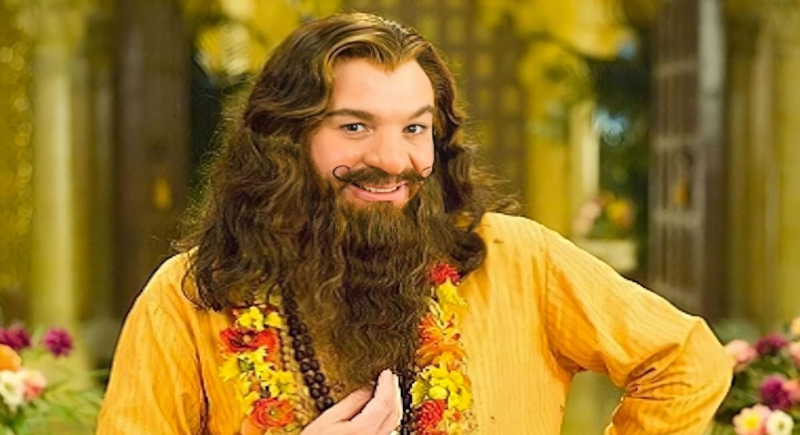
Maurice Pitka — The Love Guru
Credit: IMDb
Mike Myers built Pitka as the center of the entire film, which left little room for supporting characters to balance the tone. The humor depends almost entirely on accent jokes, catchphrases, and exaggerated mannerisms. Once the novelty wears off, the character has very little emotional or narrative function driving the story forward.
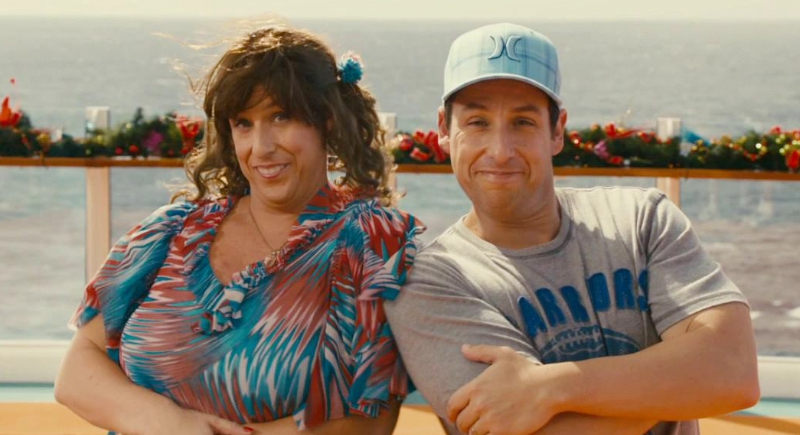
Jill Sadelstein — Jack and Jill
Credit: IMDb
The entire premise of Jack and Jill depends on audiences finding Jill funny enough to carry extended screen time, which becomes a problem quickly. Most scenes revolve around the same loud delivery and exaggerated reactions. Because the script rarely builds real family tension or growth, the character ends up feeling repetitive instead of chaotic in a fun way.
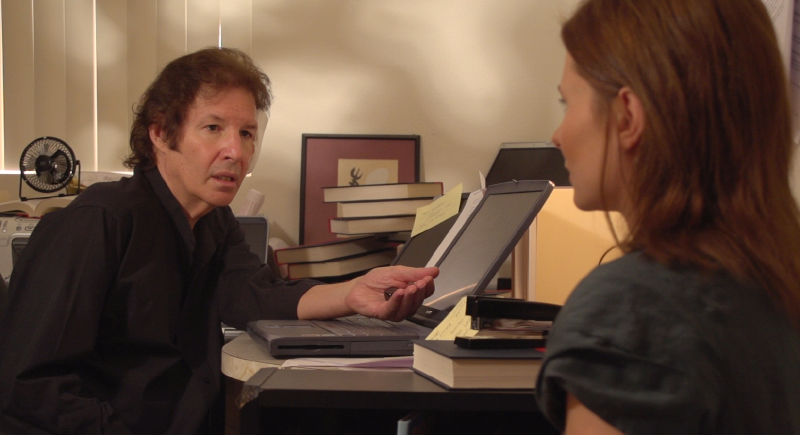
Dylan — Fateful Findings
Credit: IMDb
Watching Dylan feels like watching someone move through a story without ever fully understanding what story he is in. Emotional reactions shift from calm to intense without buildup, and conversations rarely sound like natural speech. The character became widely discussed online because viewers remembered confusion more than any actual plot details.
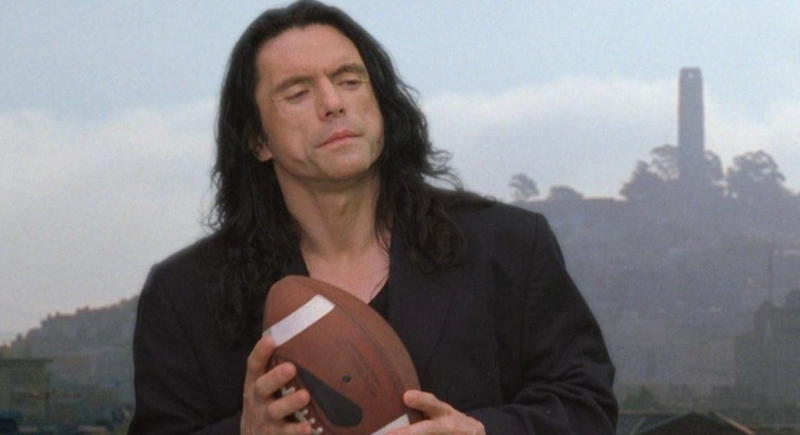
Johnny — The Room
Credit: IMDb
Johnny sits at the center of every major relationship in The Room, yet scenes rarely build emotional cause and effect around him. Conversations jump topics, and conflicts resolve or explode without buildup. After release, midnight screenings turned Johnny into a cult figure, with audiences repeating lines because his behavior felt disconnected from normal human interaction.